Do Crappie Stop Biting in Summer? Not Really
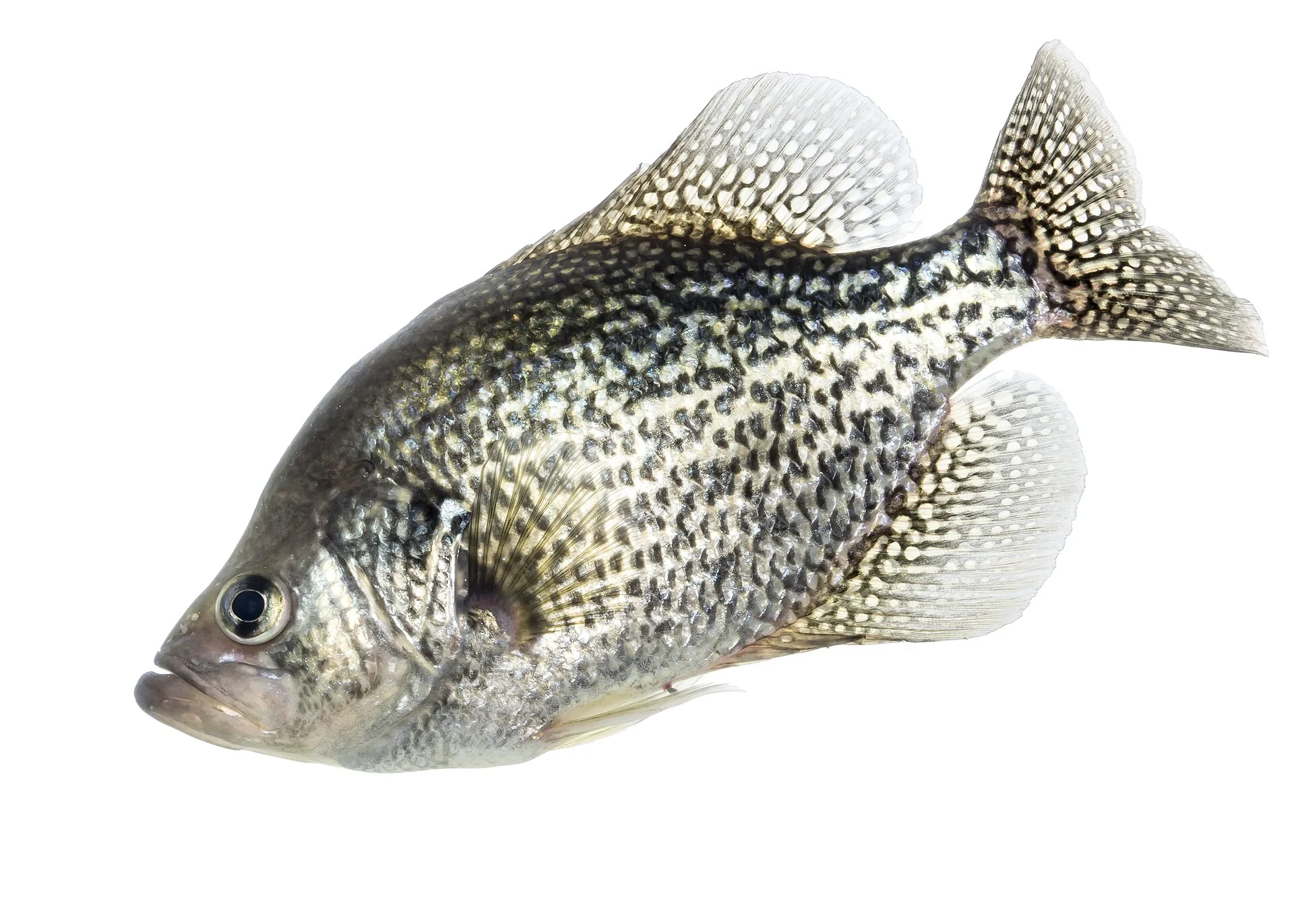
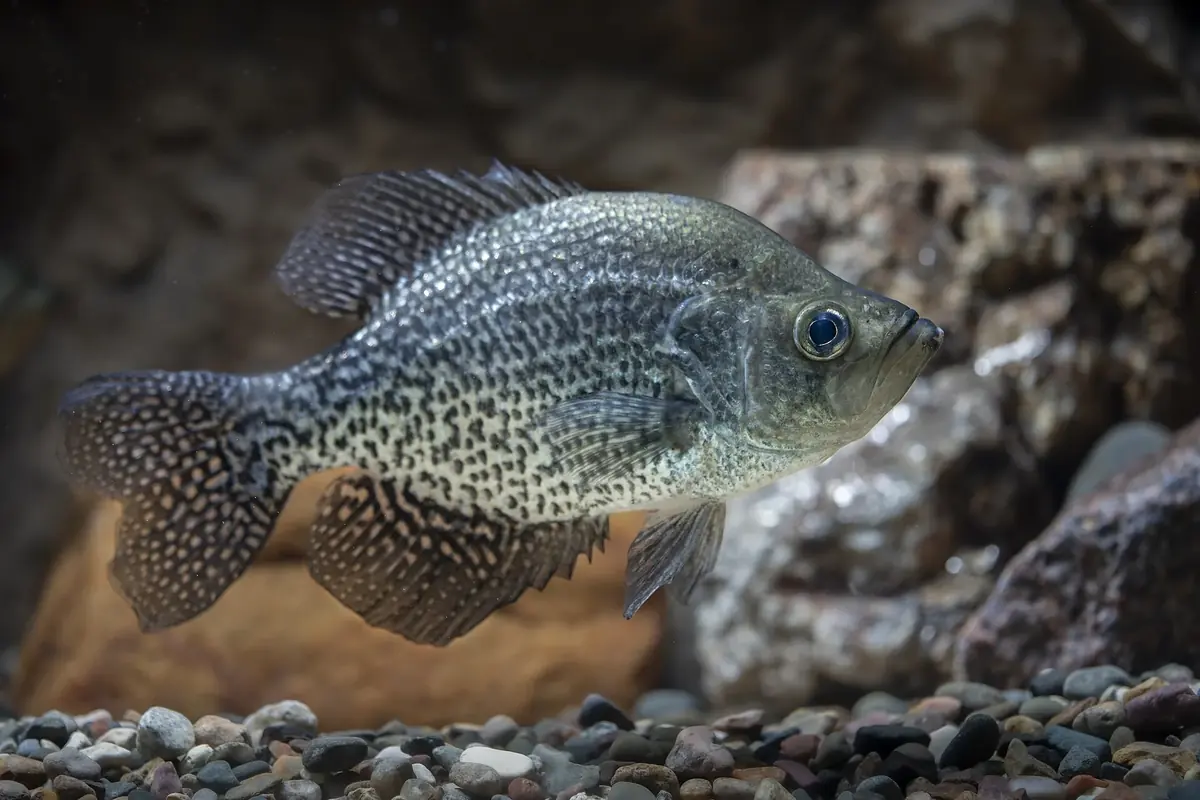
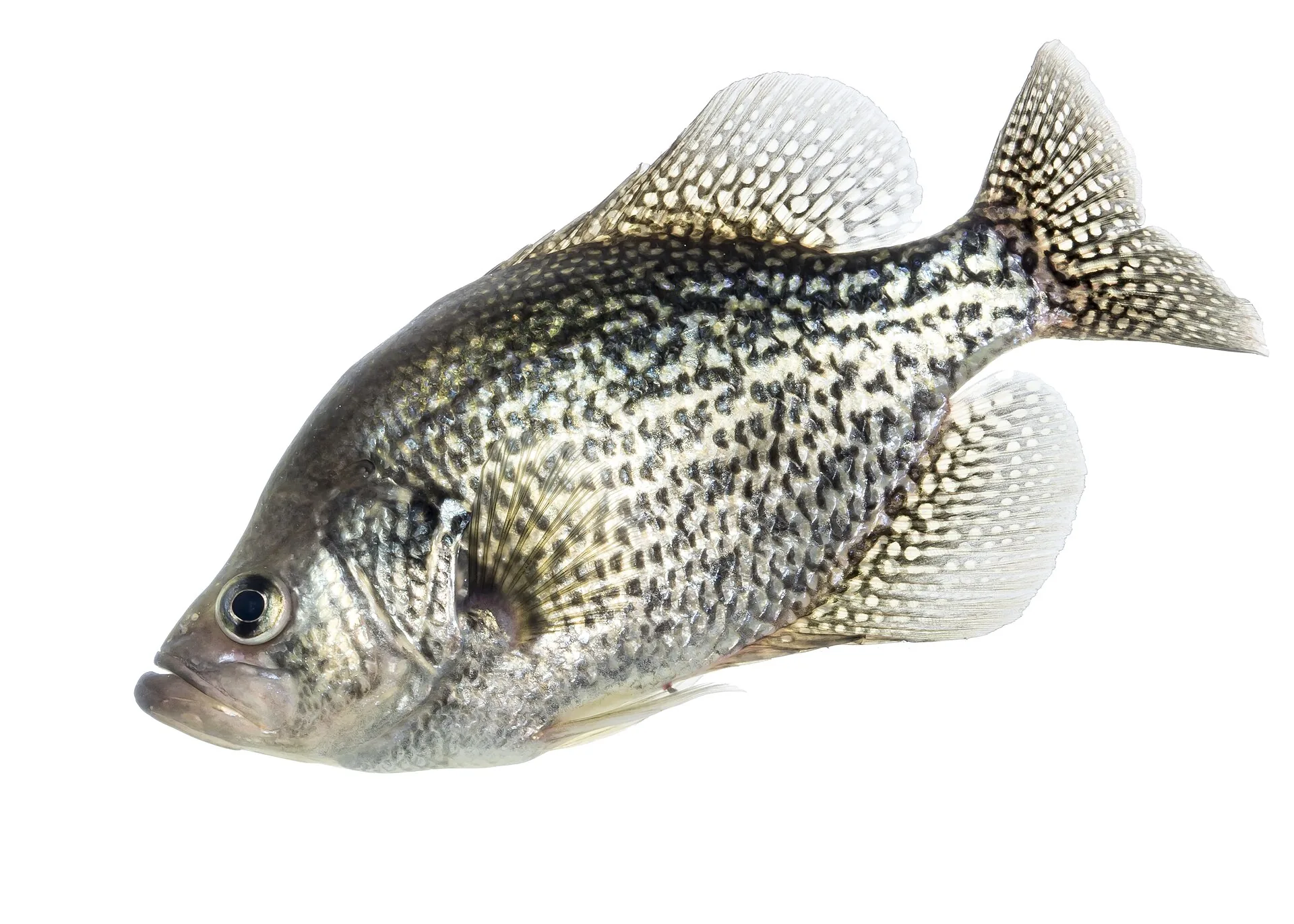
Crappie do not stop biting in summer. They stop biting where you are used to finding them. Post-spawn, the school pulls off the skinny banks that were loaded in April and slides out to deeper, cooler water, and if you keep working that same stretch of shoreline in July you will swear the lake went dead. It did not. The fish moved to the part of the water column that still makes sense for a cold-blooded animal once the sun starts cooking the shallows.
The post-spawn slide, from the bank to the first real drop
Once spawning wraps up and the shallows push well into the 70s F (low-to-mid 20s C), crappie leave that skinny water and do not come back until fall cools it down again. They do not scatter randomly. Most schools stage on the first significant depth change out from the spawning bay, a creek channel bend, a standing timber edge, an old roadbed, a main-lake brush pile, and settle in somewhere between roughly eight and twenty feet depending on the lake. That range is not a rule of thumb you can carry from one water to the next. It is set by temperature and oxygen, and both of those are things napp already tracks for you at the water nearest your location, which is the difference between guessing a depth and reading one.
Why depth, not boredom: the oxygen math
This is where the folklore usually gets it wrong. Crappie are not sulking or avoiding some vague summer discomfort. Warm water physically holds less dissolved oxygen than cool water, and by mid-summer most lakes have separated into layers. A warm, wind-mixed top layer sits over a middle band, the thermocline, where temperature drops fast over just a few feet. Below that, especially on fertile lakes with a lot of decaying weed growth, oxygen can run so thin it is nearly unlivable even though the water is cooler there.
Crappie and the shad they eat both settle at or just above that thermocline, in the band that is cool enough to be comfortable but still carries enough oxygen to breathe and feed. That is the actual target depth, not some arbitrary number. It runs shallower on clear lakes that do not build up much heat, and deeper on big, clear reservoirs, which is exactly why "crappie go deep in summer" is true everywhere but the number attached to "deep" is different on every single lake.
Low light still runs the clock
Depth solves the temperature and oxygen problem, but it does not make crappie easy. A school holding tight at eighteen feet under a flat, bright, still summer sky can be nearly impossible to trigger. Crappie eyes are built for low light, the same trait that makes dawn and dusk the best windows on them all year, and that does not change just because the fish went deep. What changes is the shape of the bite. Under hard midday sun the school packs tight and stays glued near the thermocline. As light drops at dawn, at dusk, or under a cloud deck, that same school often loosens up and pushes a few feet shallower to feed, sometimes aggressively enough to chase a moving bait instead of just inhaling something dropped on its nose.
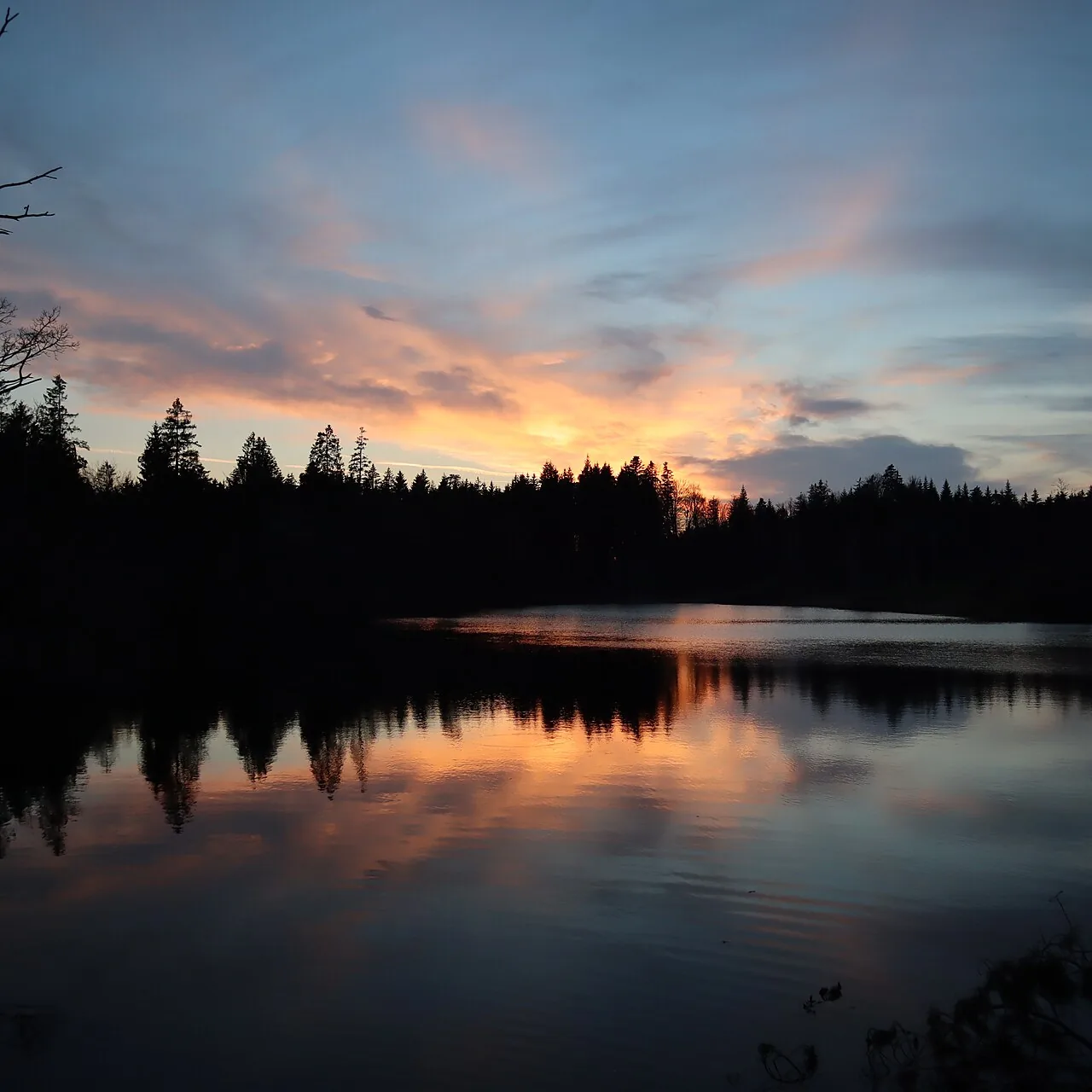
That stacking of two variables, the right cool and oxygenated depth plus a low light window, is the real summer crappie pattern. Miss either one and the trip is slow. A dock light after dark works for the same reason: it draws bugs, bugs draw baitfish, and baitfish pull crappie up out of the depth they spent all day holding at. More on how light and time of day move fish generally is in the deeper read on the best time of day to fish, and the logic maps directly onto a suspended summer school.
Where napp finds the window for you
This is the exact pattern napp was built to shortcut. It reads a live water-temperature estimate and the current time of day at your nearest water and ranks which species, crappie included, are most likely biting right now, with the reasoning shown so you can check it against what your electronics say once you are on the water. Instead of guessing whether tonight has cooled enough or whether you should be fishing the last hour of light or full dark, check before you load the boat. You can browse the same live read across every water napp covers on the regions page and plan the trip around wherever the temperature and the clock line up.
Crappie do not go quiet in July. They go somewhere specific, for reasons you can actually work out. Match the depth to the oxygen and the hour to the light, and the summer slump mostly stops being a slump.
Check the water-temperature estimate and the current bite at the water nearest you, free and with no login, at napp.fish.
Photos: USFWS Mountain Prairie, Public domain · Aconcagua ( talk ), CC BY-SA 3.0 · Makck123, CC BY-SA 4.0