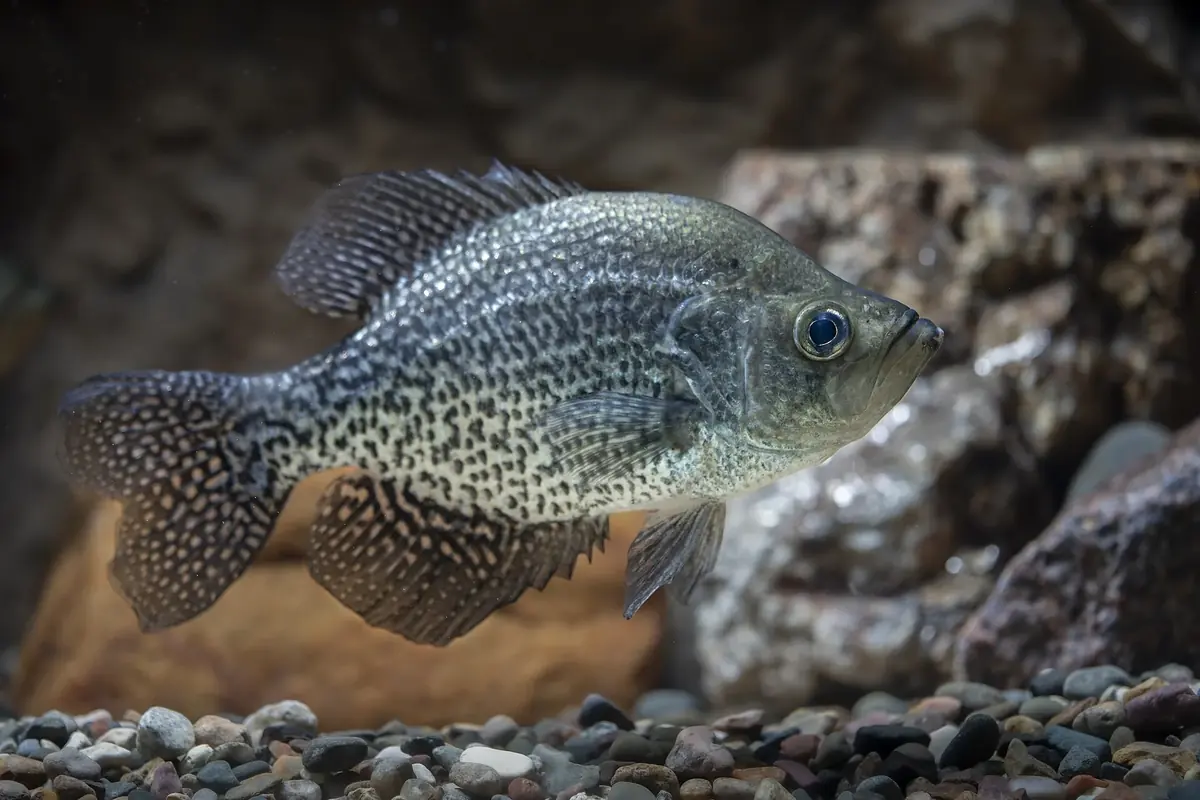
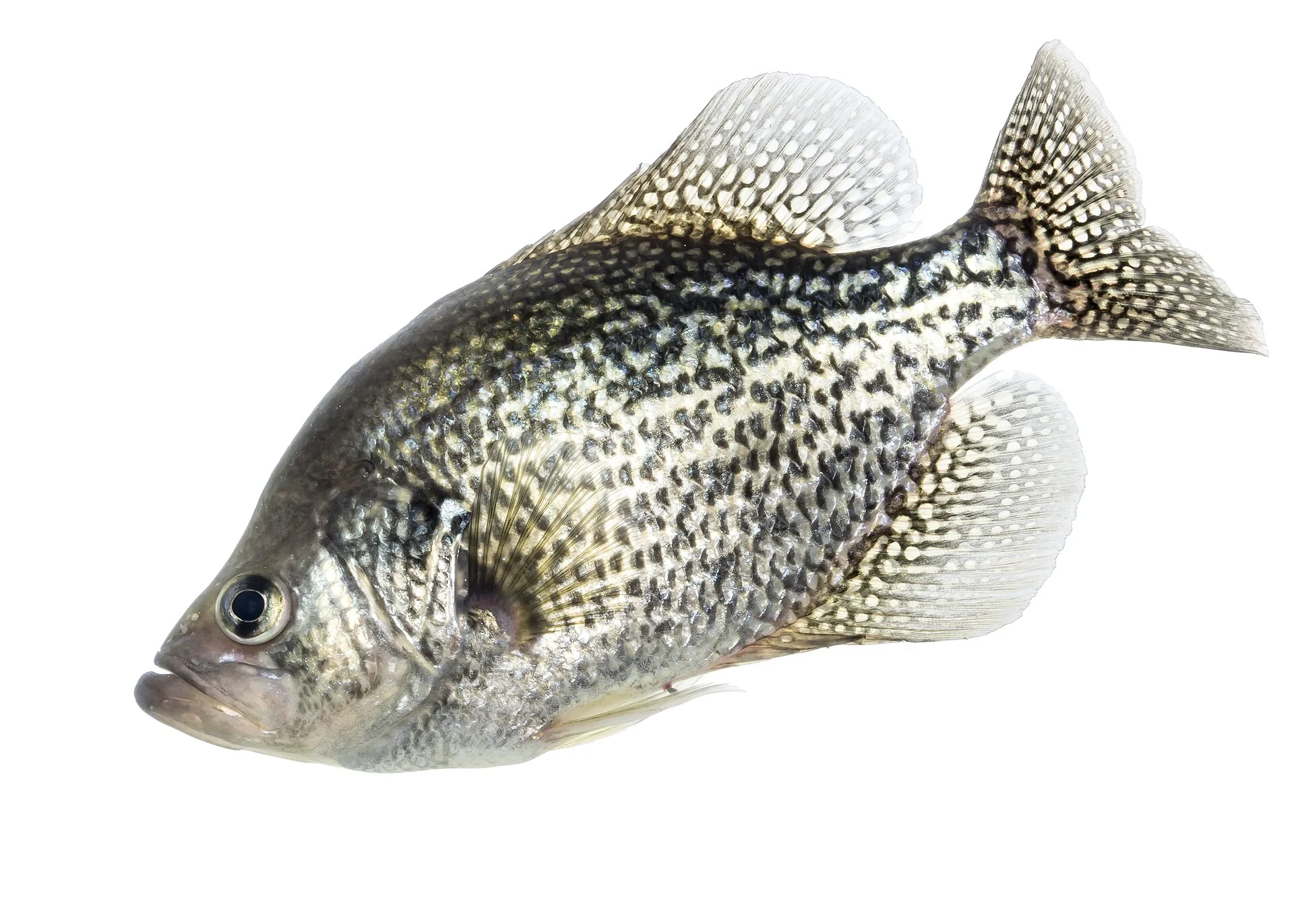
Crappie spawn: what time of day to fish it
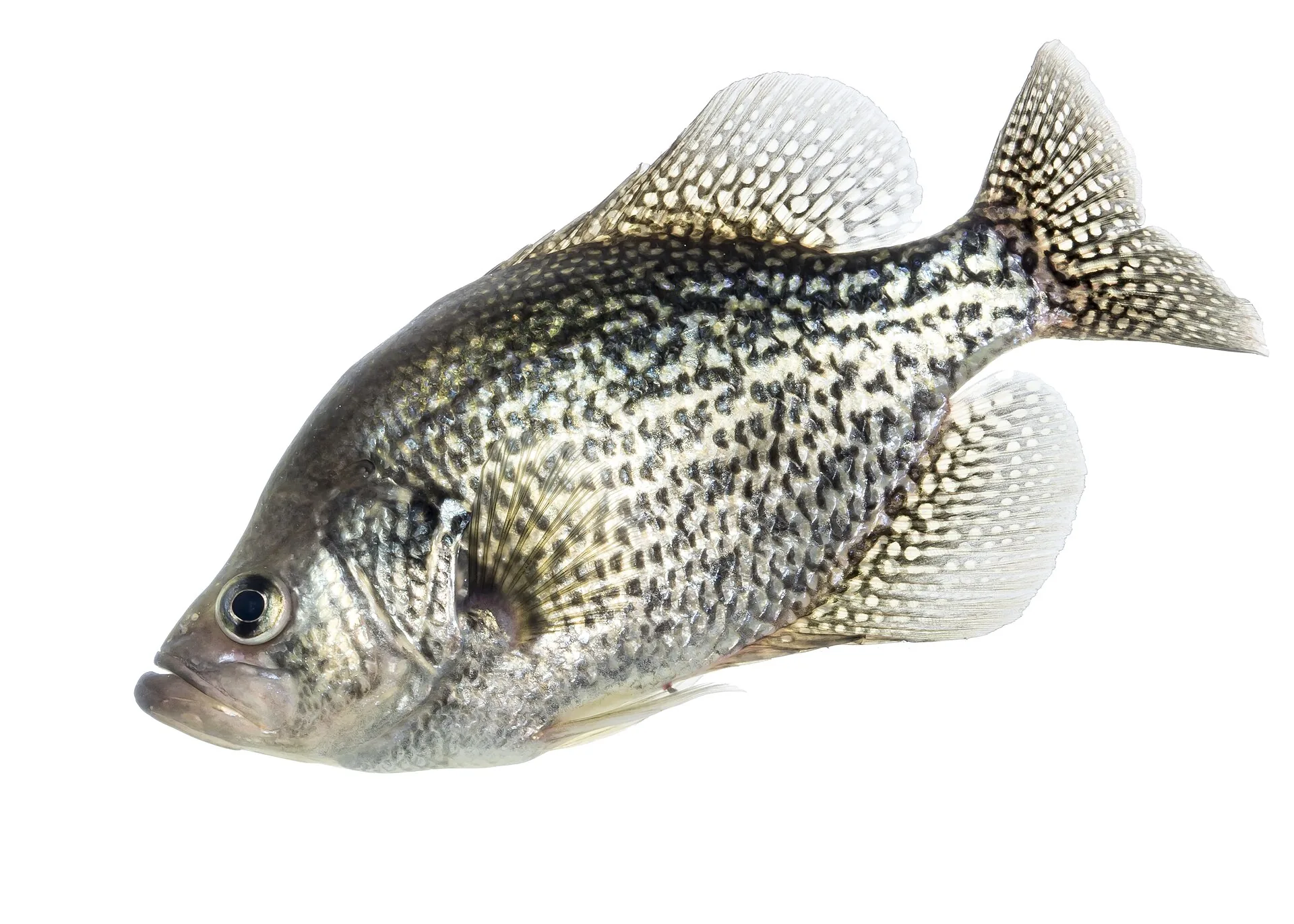
Crappie do not spread out and spawn whenever they feel like it. They wait for the water to hit roughly 60F, then push onto beds in a tight band of shallow cover, and for a few weeks the whole population is more concentrated and predictable than at any other point in the year. The part most guides skip is that the best hour to fish that shallow water is not fixed. It slides across the day as spring goes on, and getting the timing wrong is the difference between a stacked brush pile and an empty one.
Why 60 degrees is the trigger
Crappie spawn is driven by water temperature, not the calendar. Males move up first and fan nests in mud or fine gravel once the shallows hit the low 60s F, typically in a foot or two of water tight to brush, stumps, pilings, or standing reeds. Females follow a few degrees later and stage nearby until ready to drop eggs. The whole event plays out between about 58F and 65F, heaviest right around 60 to 62F.
That narrow window matters because shallow water heats and cools fast. A sunny afternoon can push a mudflat two or three degrees warmer than the main lake, and a cold night knocks it right back down. A protected northwest cove with dark bottom hits 60F days before an open, wind-scoured bank on the same lake, and it is usually the first water to show fish stacked up.
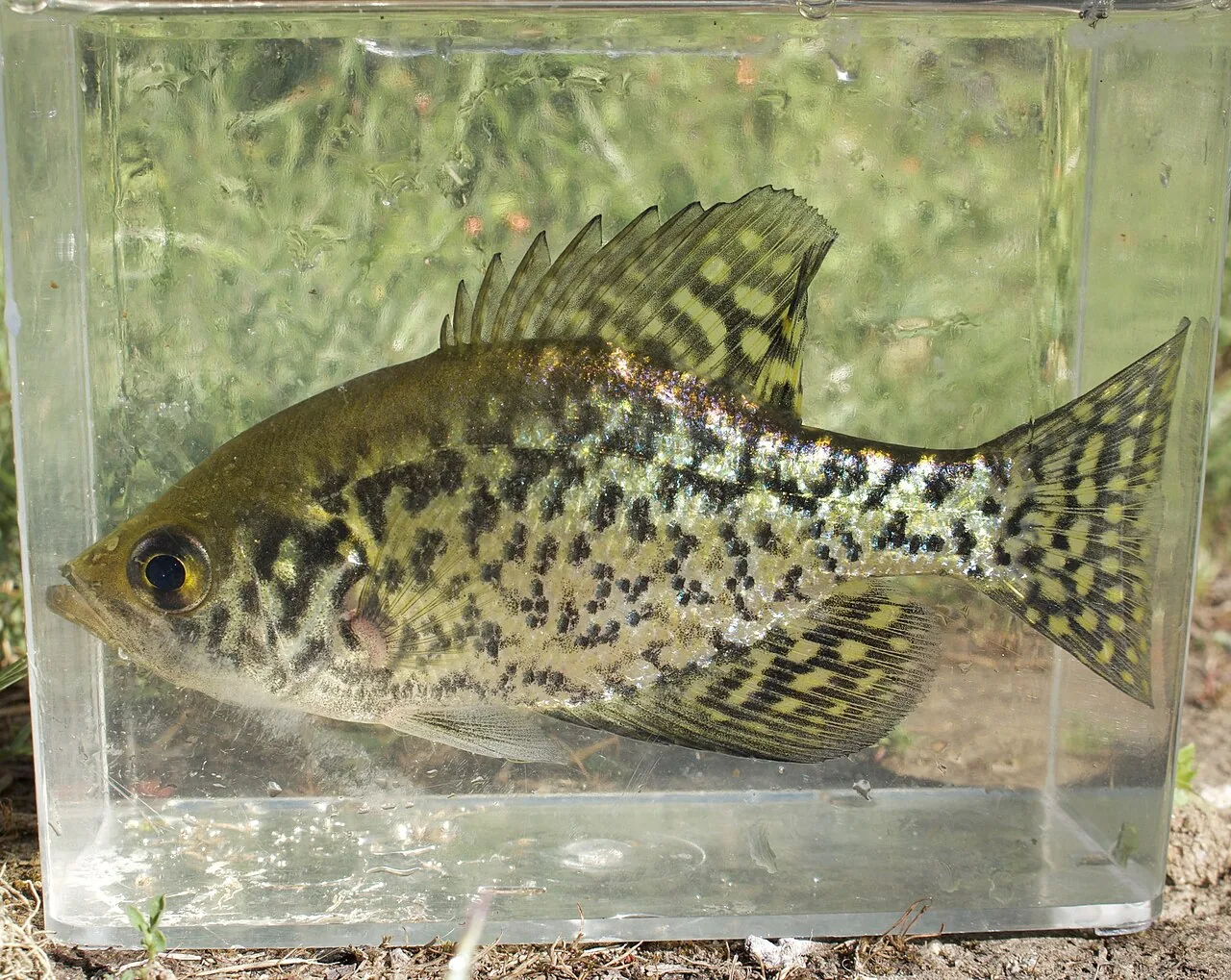
This is where checking water temperature at the specific spot you are headed to beats guessing from the season. napp shows the estimated water temp for your nearest waters right now, so instead of driving to whichever lake you fished last spring, you can see which nearby spot is already closest to that 60F mark this week and start there.
Early spring: fish the warm middle of the day
When the spawn is just starting, air temperature swings do most of the work of warming the shallows, and that only happens once the sun has been up a while. In late winter and early spring, the best window is usually late morning through mid-afternoon, roughly 11am to 3pm, once the sun has loaded heat into a dark-bottomed cove.
Fish are also less spread out early. Pre-spawn crappie stage on the first breaks near spawning flats and creek channel bends before pushing all the way up. A slow-fished jig or a live minnow under a slip float, worked on that warmest edge at midday, will out-produce the same rig fished at dawn when the water has not caught up yet.
As it warms: the window flips to dawn and dusk
Once the water stabilizes in the low 60s day and night, the calculus changes. Fish are already shallow and committed to beds, so the daily temperature spike that mattered in March stops being the deciding factor. Low light takes over: crappie feed hardest at dawn and dusk, when they can ambush without being pinned down by bright overhead sun.
Midday on a clear, warm spring day can go quiet right on the beds, fish holding tight and picky, while the hour after sunrise and the hour before sunset produce the most aggressive bites. Same dawn-and-dusk pattern covered in how weather actually turns a bite on, just compressed into a shallower window because the fish are not going anywhere during the spawn.
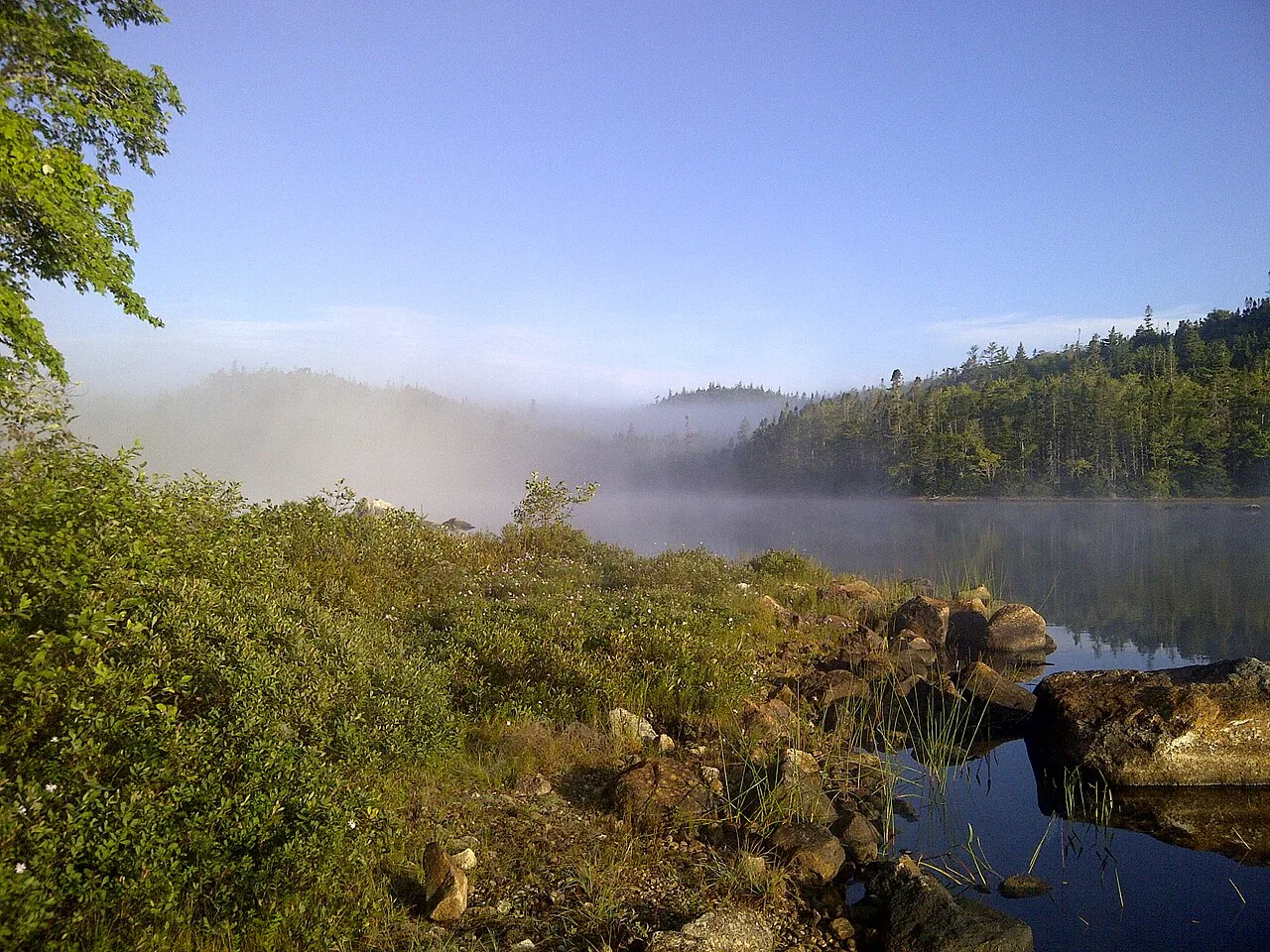
Reading the shift instead of guessing it
The practical rule is easy to get backwards: the colder and less stable the water still is, the more the clock points to midday warmth. The more settled and spawn-ready the water is, the more it points to dawn and dusk. Fishing a cold, early-spring cove at 6am usually means working water that has not woken up yet. Fishing a fully spawned-in cove at 1pm on a sunny day usually means working water the fish already abandoned for the shade of the brush.
Because that shift depends on where a specific piece of water sits on the 60F curve, not on what the calendar says, it is worth checking conditions at the water you are actually driving to. napp ranks which nearby spots show water temps closest to spawning range this week and layers the time-of-day read on top, so you can see whether a spot near you is a midday warm-up bite right now or already dawn-and-dusk, biting now with the reasoning shown.
None of this replaces watching your own thermometer, but it narrows the search. Instead of checking five coves at random, pull up the regions page, find the water closest to you, and let the temperature trend point you at the right cove and the right hour before you leave the truck. Free, keyless, at napp.fish.
Photos: USFWS Mountain Prairie, Public domain · André Giraldi, CC0 · NSEasternShoreChemist, CC BY-SA 4.0