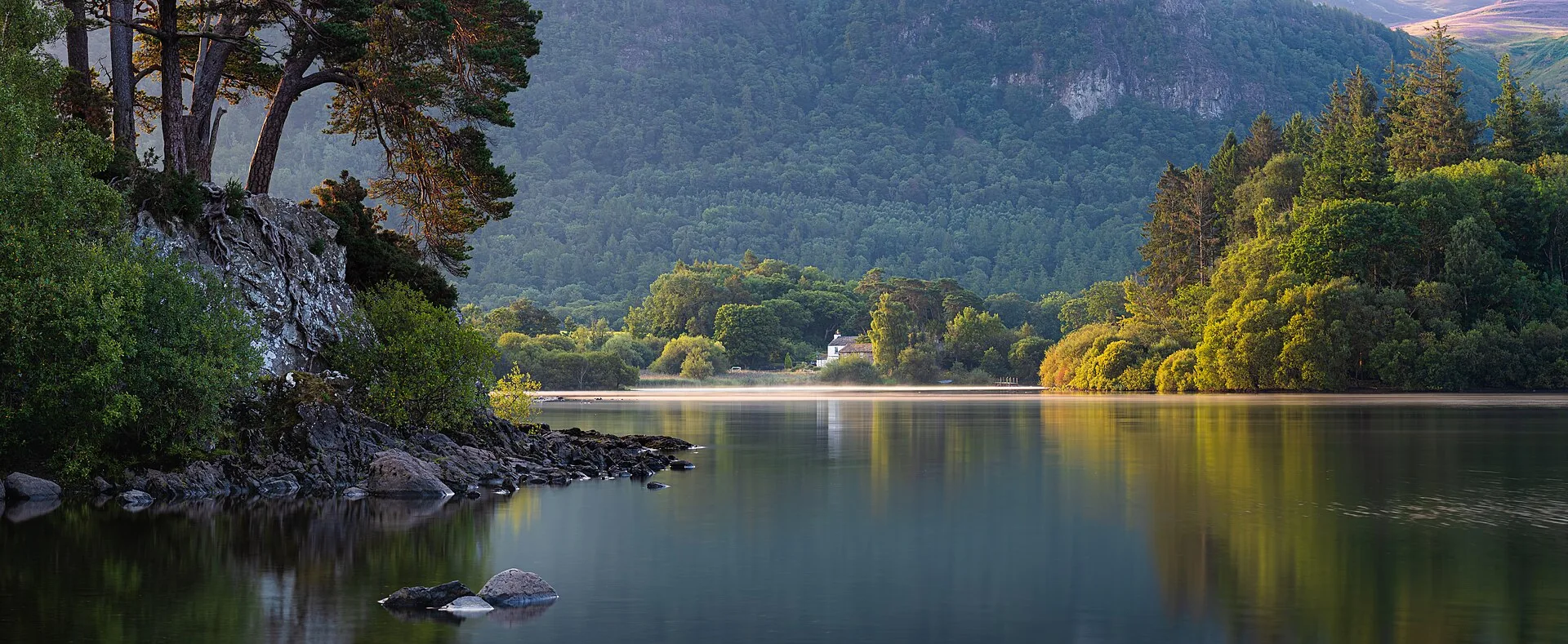
Best time of day to fish (and when the rule breaks)
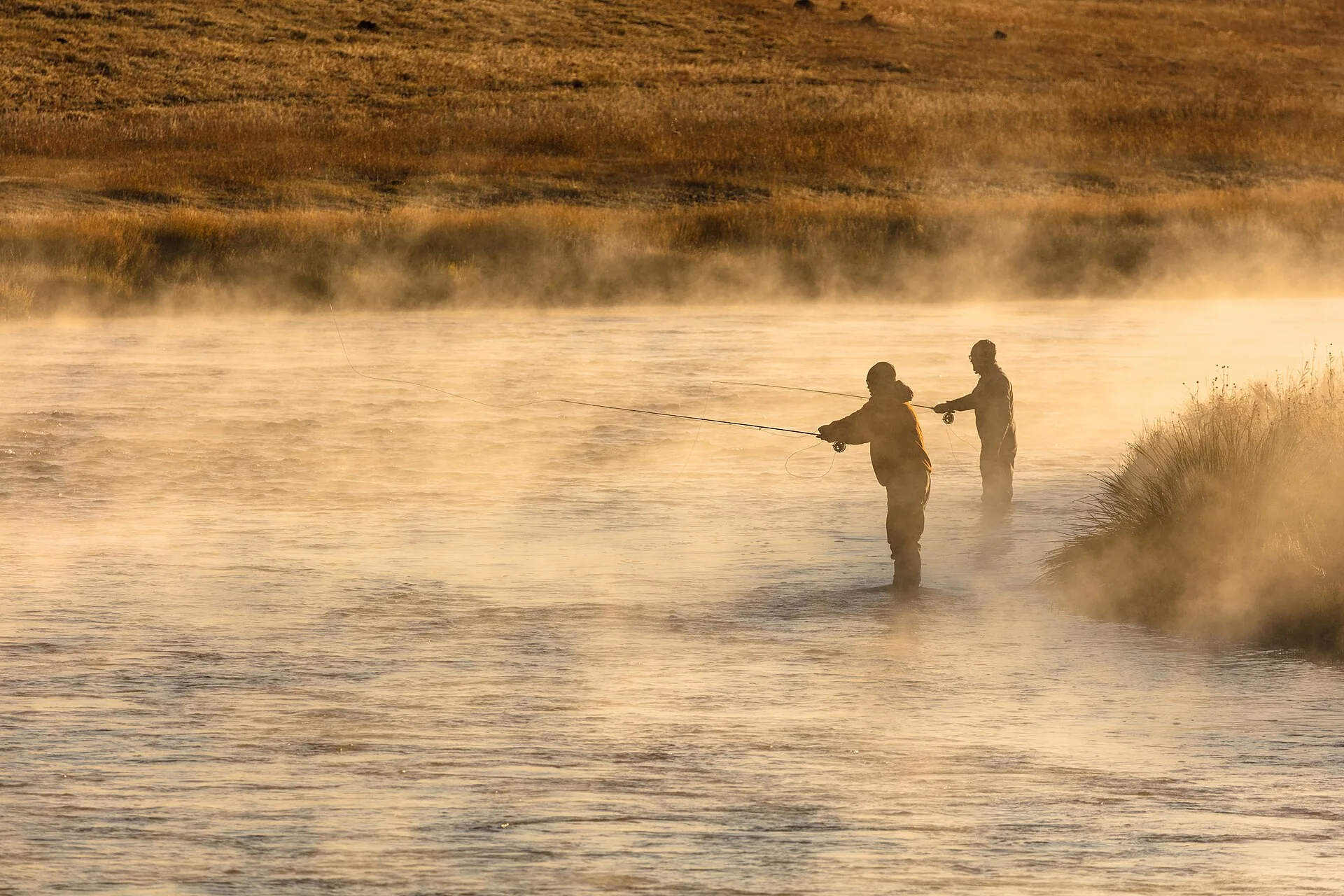
Dawn and dusk get treated like magic words in fishing. Wake up early, stay out late, catch more fish. That part is mostly true, but almost nobody explains why, and the why matters because it tells you exactly when the rule breaks. The short version: low light hands predators a vision advantage, the water cools at the edges of a summer day, baitfish get moving, and the lake empties of boats and anglers. Stack those together and you get a feeding window. Pull them apart and you understand why a noon perch session can out-fish a sunrise that everyone swore by.
The vision advantage is the real engine
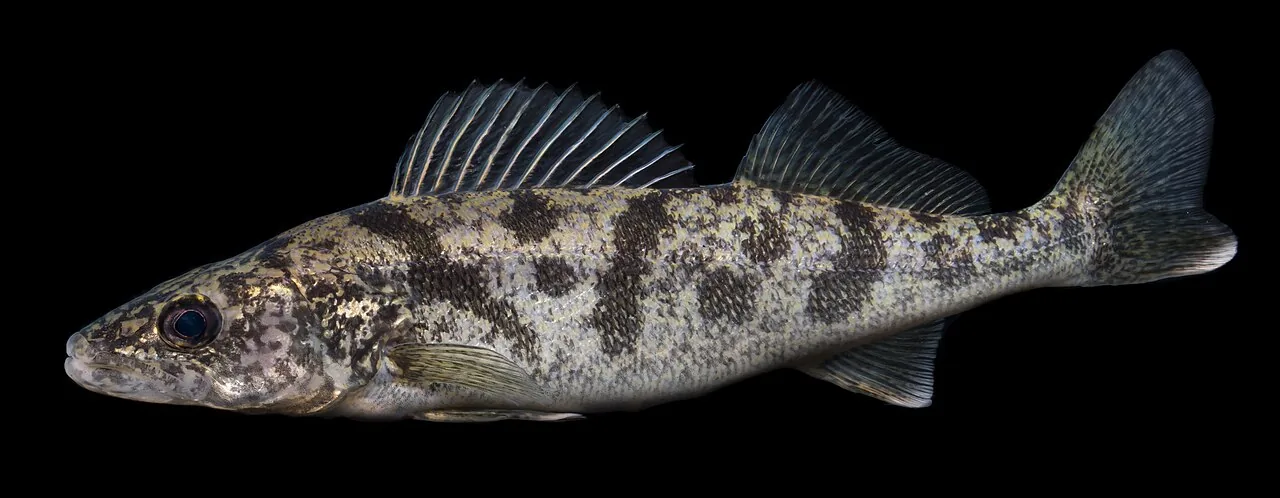
This is the mechanism that does most of the work, and it is the most misunderstood. Predators like walleye, zander, pike, and many catfish see better in dim light than the baitfish they hunt. Walleye are the textbook case. Their eyes carry a reflective layer behind the retina called the tapetum lucidum, the same thing that makes a cat's eyes glow in headlights. It bounces light back through the light-sensing cells for a second pass, which is why a walleye can feed in near darkness or muddy water while a yellow perch is essentially blind. The Minnesota DNR puts it plainly: walleye prey heavily on perch precisely because perch cannot see as well in low light and become easy targets.
So at dusk, the predator can still see the prey, but the prey cannot see the predator coming. That asymmetry is the bite. It is not that fish suddenly get hungry when the sun drops. It is that the ambush gets dramatically easier for a few key species.
Now flip it. Largemouth and smallmouth bass, perch, bluegill, and most sunfish are built differently. Bass have a dichromatic, cone-heavy eye tuned to greens and reds, confirmed in peer-reviewed work on their color vision. They are sight feeders that hunt fine in bright water. They will absolutely smash a lure at dawn, but they do not need the dark to eat, which is why bass fishing stays productive through the middle of a normal day far more than walleye fishing does.
Cooler water and a bit more oxygen at the edges
In high summer, the surface bakes. By mid-afternoon a shallow flat can climb past 26 to 27 C (low 80s F), and that is uncomfortably warm for most freshwater gamefish. At dawn the shallows have shed heat all night and sit several degrees cooler, which nudges fish up out of the depths and onto feeding flats they would not touch at 2 p.m.
Oxygen plays a quieter role. A lake makes oxygen during the day through plant photosynthesis and burns it off all night, so dissolved oxygen actually bottoms out just before sunrise. That sounds like an argument against the dawn bite, and in a deep, clean, well-mixed lake it is a non-factor. But in warm, weedy, fertile ponds the afternoon can get oxygen-stressed at the surface as warm water holds less of it, and the cooler edges of the day are simply more comfortable. The temperature swing matters more than the oxygen swing for most anglers. Do not overthink the oxygen part.
Baitfish move, and so does the pressure
Low light gets the whole food chain moving. Insects hatch at dusk, zooplankton rise in the water column, and baitfish push shallow to feed on them. Predators follow the bait. You are not just fishing a better light level, you are fishing a moving buffet.
The least glamorous factor is often the biggest one on popular water: pressure. By 9 a.m. on a Saturday the boat traffic, the trolling motors, the swimmers, the jet skis are all out. At 5 a.m. the lake is yours and the fish have not been poked at for hours. On heavily fished public water I would put quiet, unpressured conditions near the top of why early and late produce. Sometimes the magic of dawn is just that you are the only one there.
When dawn and dusk are flat wrong
Here is the part the "just fish dawn and dusk" crowd skips.
Species. Match the clock to the fish. Perch, bluegill, crappie in daylight, and bass through most of the day are daytime players. Walleye, zander, pike, big catfish, and brown trout lean low light or full dark. If you are targeting perch, do not drag yourself out at 4:30 a.m. on principle. If you want a big walleye, the last hour of light into dark is your window, not high noon.
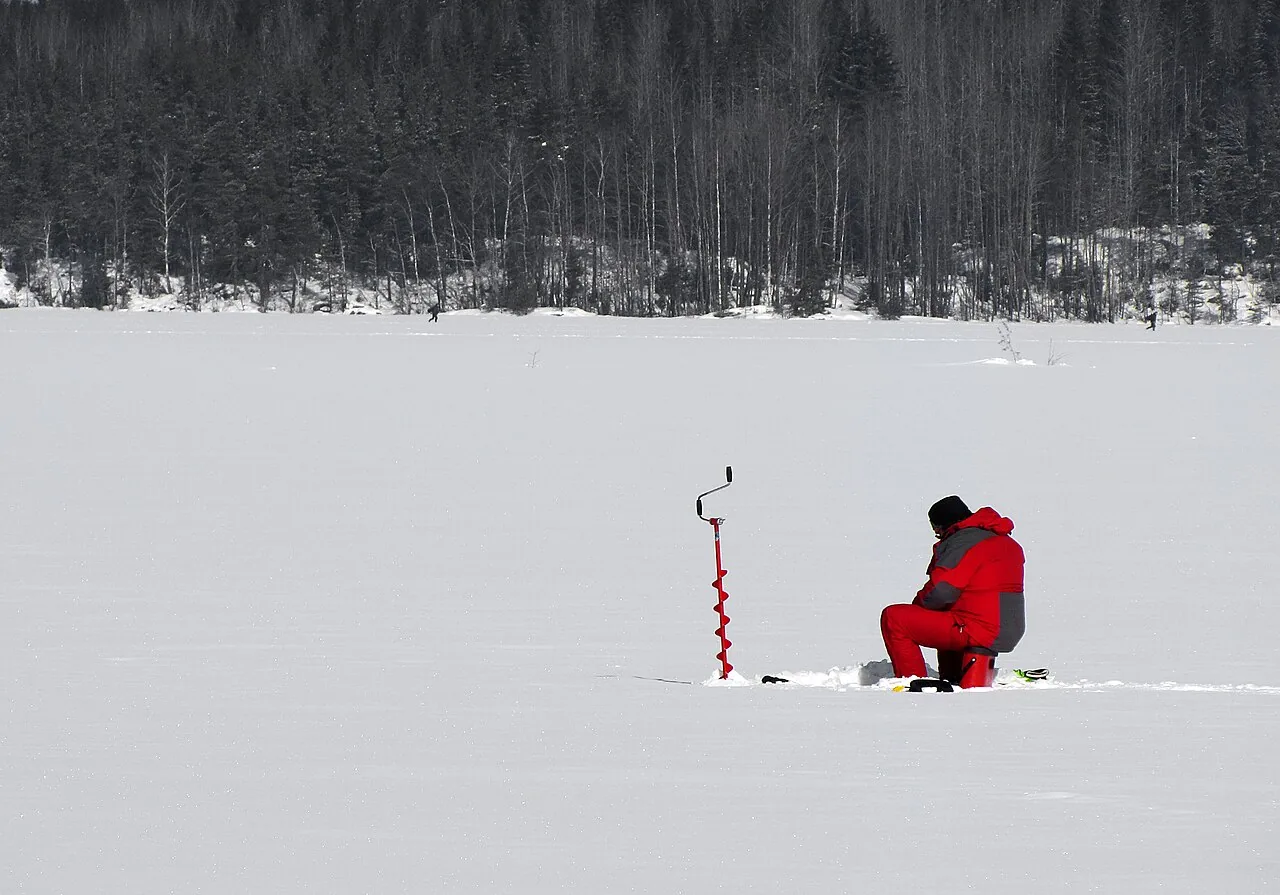
Season. In cold water the whole thing inverts. Below roughly 10 C (50 F), fish metabolism slows and they feed in short, efficient bursts. The warmest part of a winter or early-spring day, often 11 a.m. to 3 p.m. after the sun has worked on the shallows, becomes the best window. Pike and perch through the ice frequently bite best at midday. In a cold front aftermath, sleeping in beats a freezing dawn.
Water clarity. Clear water concentrates the bite into low light, because in gin-clear conditions fish get cautious and pressured under a bright sun. Stained or muddy water spreads the bite across the whole day. The DNR notes walleye stay active right through daylight when wind chop, clouds, or turbidity cut the brightness. A walleye lake the color of weak coffee can fish all day. The same fish in clear water shuts off at sunrise and waits for dusk.
What about the moon and solunar tables?
There is something to feeding windows tied to the moon, and there is a lot of overconfidence. The honest read: a full moon lets night feeders hunt more efficiently because there is more ambient light, and the moon's major and minor periods do seem to line up with bursts of activity for some species. But the effect is small next to the basics. I have never once skipped a perfect overcast, light-wind, cool morning because the solunar table called it a "poor" day, and I have caught plenty on supposedly dead days. Treat the table as a tiebreaker, not a trip planner. Light and weather and water temperature decide far more than the moon does.
The takeaway
Stop treating "dawn and dusk" as a rule and start treating it as a default you adjust. Going for low-light predators in clear water? Be on the water as the sun touches the trees and stay past last light. Chasing bass or panfish? Sleep in a little and fish the day. Cold water in winter? Skip the frozen dawn and fish the warm middle. Then check the one variable that overrides the calendar, which is whether the wind, clouds, and water color are killing the light.
You can stop doing the sunrise math in your head. Punch in your nearest lake or stretch of coast and napp shows you exact sunrise and sunset, plus the best bite windows for that water and what is most likely biting right now. Free, no login, at napp.fish.
Photos: Pseudopanax at English Wikipedia, Public domain · USFWS Mountain Prairie, Public domain · Petritap, CC BY-SA 3.0