Best Time to Catch Catfish in Summer Heat
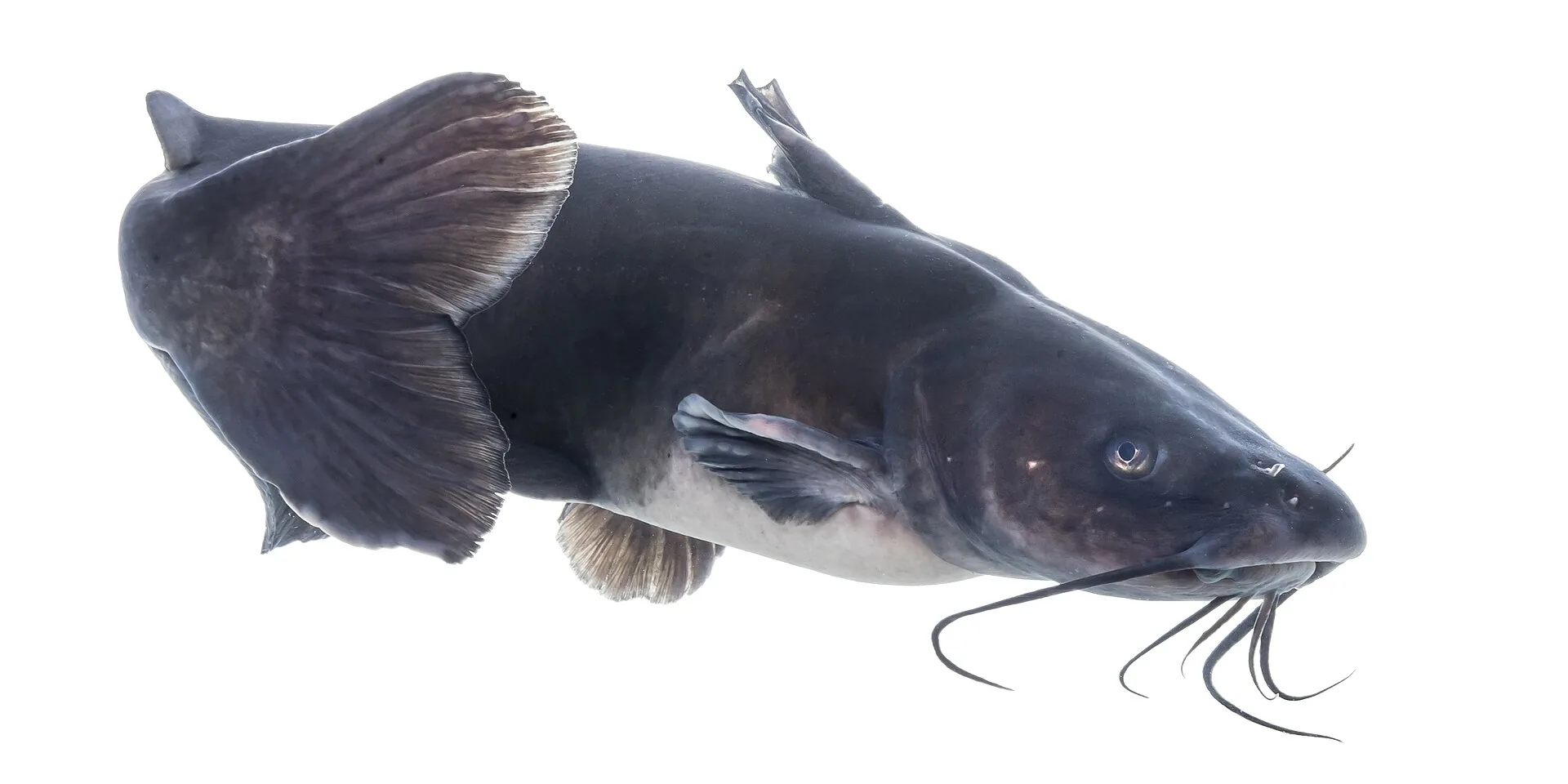
Catfish do not go off the bite in summer heat. They go quiet at exactly the hours you are most likely to be fishing, then feed hard at the hours you are not. Fixable, once you understand why heat moves the clock instead of stopping it.
Warm water holds less oxygen, and cats notice
Channel and blue catfish handle warm water better than trout or walleye. A river or reservoir in the high 70s F (mid 20s C) will not shut down their appetite the way it does a cold-water species. But warm water still holds less dissolved oxygen than cool water, full stop, and catfish are not immune to that math. A hot, sunny, still afternoon can leave the top few feet of a lake or slow backwater genuinely thin on oxygen, especially where heavy weed growth is using up what is left. Cats do not die there. They drop into deeper water or slide into current where oxygen turns over, and feeding slows until conditions improve.
Heat changes something else too. Catfish hunt mostly by smell and touch, tracking scent with taste buds packed across their skin and barbels, so they do not need low light to find food the way a bass does. What pushes them off is not the sun itself, it is high water temperature, thinner oxygen, and glare scattering baitfish into deeper cover, all at once. Cooler water plus better oxygen equals a catfish willing to move and feed, and that combination shows up at night, at first and last light, and in a few specific spots during the day.
Night, dawn, and the last hour of light
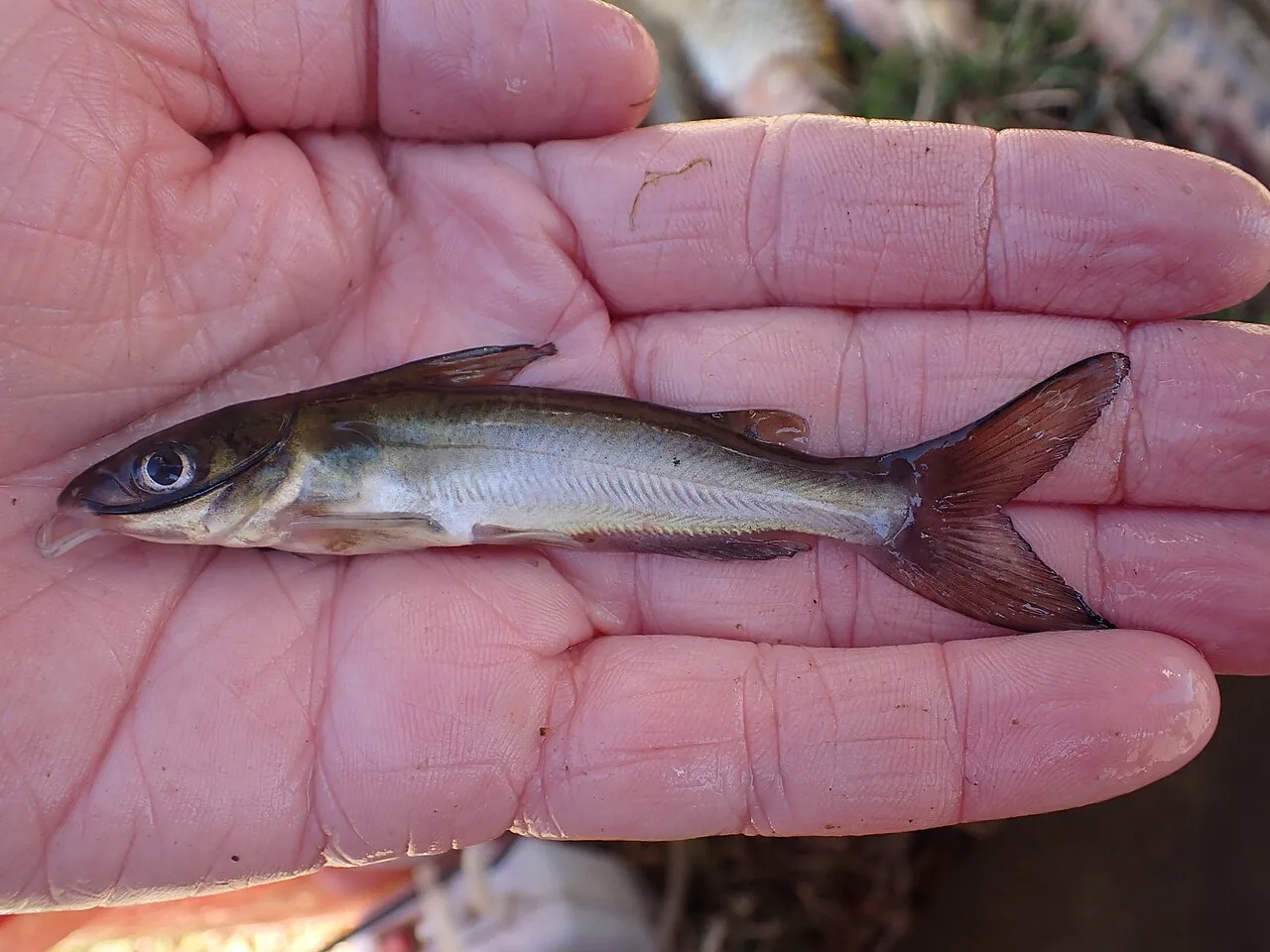
If you fish one window all summer, make it the last hour before dark through full night. Surface water sheds its daytime heat once the sun drops, oxygen climbs back toward its nightly high, and catfish push out of their daytime holes onto flats, points, and shallow current to feed. On plenty of rivers and reservoirs the best catfish bite of a July day starts at dusk, holds strong past midnight, then tapers as the water keeps cooling.
Dawn is the second window, shorter but reliable. The water is at its coolest of the day and oxygen is near its peak after a night without sun burning it off. Cats that fed through the night are often still active, and cats that held tight to cover through yesterday's heat push up before the sun climbs and the cycle repeats. An hour on either side of first light beats three hours at noon.
During the day, chase the cool water, not the clock
Catfish that will not eat on a shallow flat at noon are often still eating in a deep hole nearby. Three kinds of spot do the work in daylight heat.
Deep holes on a river bend or the old channel bed of a reservoir stay cooler and carry better oxygen, particularly with current moving through. Daytime cats stack up here, holding tight to structure rather than roaming.
Current seams, where fast water meets slow, do two jobs at once. They aerate the water and sweep food past a fixed ambush point, so a cat is not burning energy hunting in the heat. Below a dam, at the tailout of a hole, or wherever a tributary pushes into the main flow, all worth a bait.
Cooler inflows matter more in summer than any other season. A feeder creek, a spring, even a storm drain running cooler groundwater into a warm reservoir creates a pocket of better water that pulls fish in from a wide area. Find where the temperature actually drops, and you have found where the fish went.
Let napp find the window for you
This is exactly the pattern napp is built to shortcut. It reads the live water-temperature estimate and time of day at your nearest water and ranks which species, catfish included, are most likely biting right now, reasoning shown so you can check it against what you see on the bank. Instead of guessing whether tonight's heat has pushed the bite to full dark or just to dusk, check before you load the truck.
It also helps you plan by region. Catfish country runs coast to coast, but nowhere is the summer clock more obvious than Texas, where blue and channel cats push into big reservoirs and the heat genuinely rewrites when they feed. Scan conditions across every region napp covers before deciding where to go.
The short version
Summer heat does not switch catfish off. It relocates the bite to cooler water and lower light, night through dawn nearly everywhere, plus deep holes, current seams, and cool inflows whenever you are stuck fishing through the middle of the day. Match your hours and your spot to the oxygen and the temperature, not the clock on the wall, and the slump mostly disappears.
Check the water-temperature estimate and the current bite at the water nearest you, free and with no login, at napp.fish.
Photos: USFWS Mountain Prairie, Public domain · Fishes of Texas team, CC BY-SA 4.0 · Unknown author Unknown author, Public domain