
Kolbäcksån
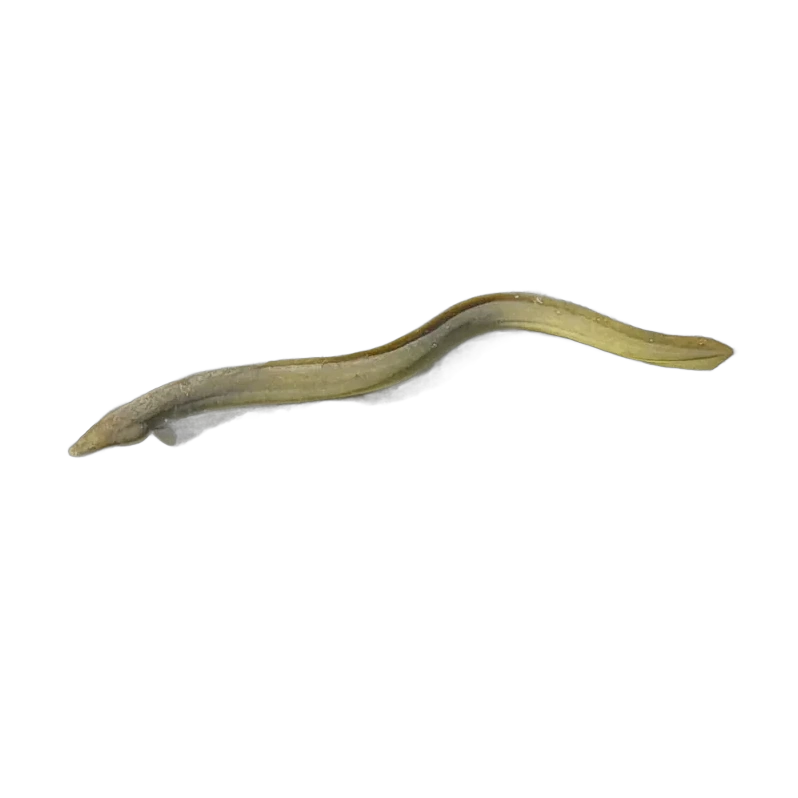
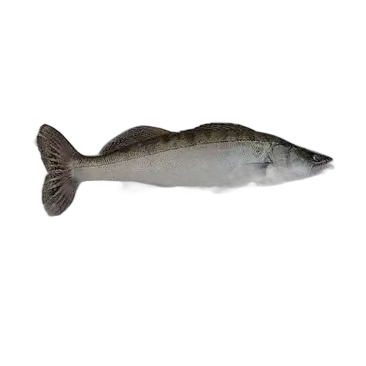
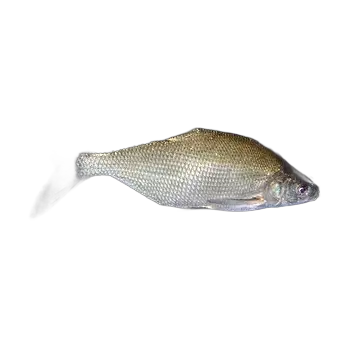
Kolbäcksån is a stretch of moving water in Västmanland. Anglers here fish mainly for European Eel, Zander and Common Bream.
Best day to fish
The bite over the next days, scored at dusk. Based on the weather forecast, so it is guidance, not guarantees.
Conditions right now
Water temperature is an estimate based on weather and season.
Best times today
Local time at the spot, from the most likely species' daily rhythm.
Feeding times today
Solunar times are a traditional guide based on the moon's position, separate from the live ranking above. Local time at the spot.
Next hours
Likely catch now (12 species)
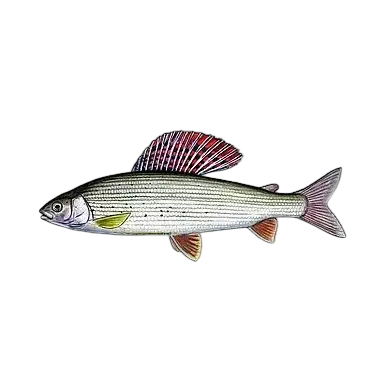
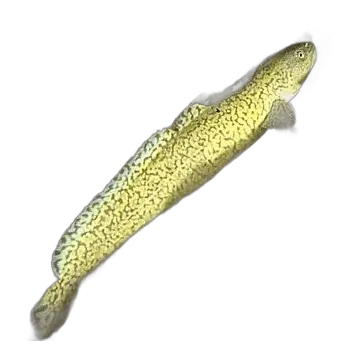
About the fishing here
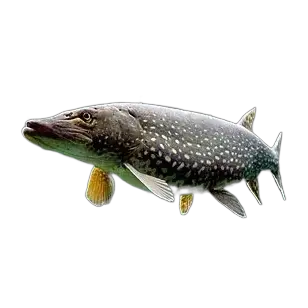
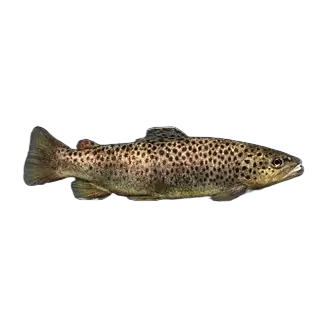
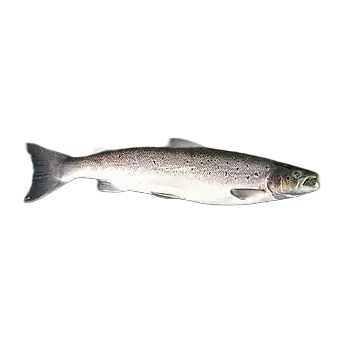
Popular catches here include European Eel, Zander, Common Bream, Northern Pike, Brown Trout and Atlantic Salmon.
European Eel fishing is usually best around Jul-Aug. The best windows are usually dusk and night.
A fishing permit (fiskekort) is required here. Napp ranks the species above from the live weather, water temperature, season and time of day, so the order changes through the day.
Guides for this water
Tips right now
About this water

Kolbäcksån is a river located in Bergslagen in the middle of Sweden. It is about 180 kilometres long, arises in the province Dalarna and flows through the province of Västmanland into the Mälaren. The river drains an area of approximately 3,100 km2 and has an average discharge of 27 m3/s. The city of Fagersta lies on the river and the Strömsholm Canal follows the river about 100 kilometres.
Read more on Wikipedia →Map
More waters nearby
Common questions
What fish can you catch at Kolbäcksån?
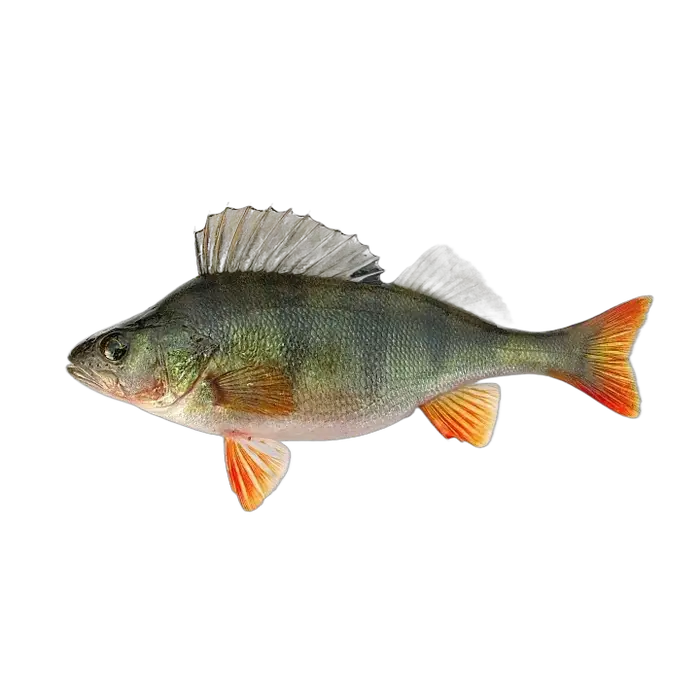
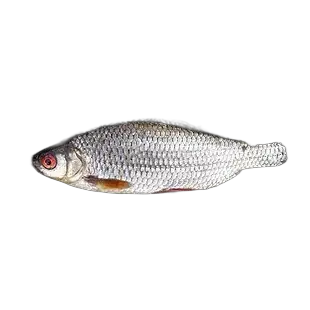
Popular catches here include European Eel, Zander, Common Bream, Northern Pike, Brown Trout, Atlantic Salmon, European Perch and Roach.
Do you need a fishing license at Kolbäcksån?
Yes, a fiskekort (fishing permit) is required. You can buy one via the link on this page.
When is the best time to fish Kolbäcksån?
European Eel is generally most active around Jul-Aug. The best windows are usually dusk and night.
What is biting at Kolbäcksån right now?
Right now European Eel is the most likely catch, at about 29%.