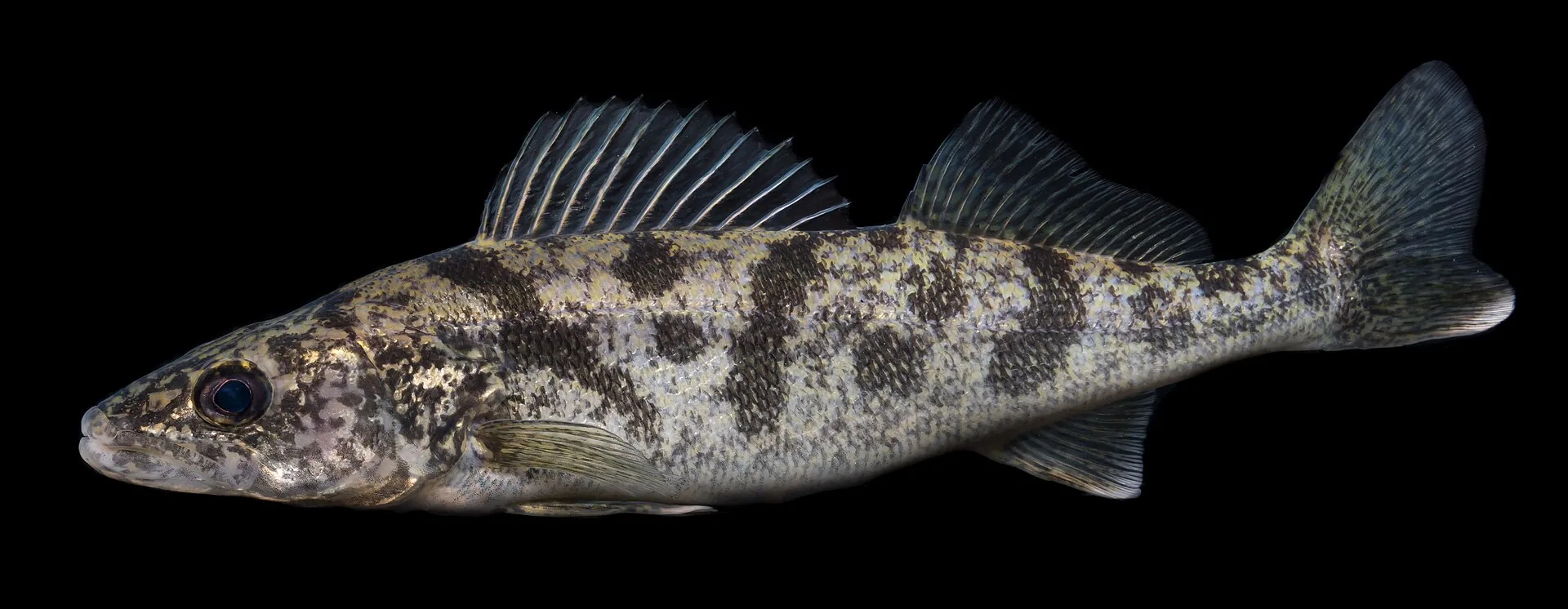
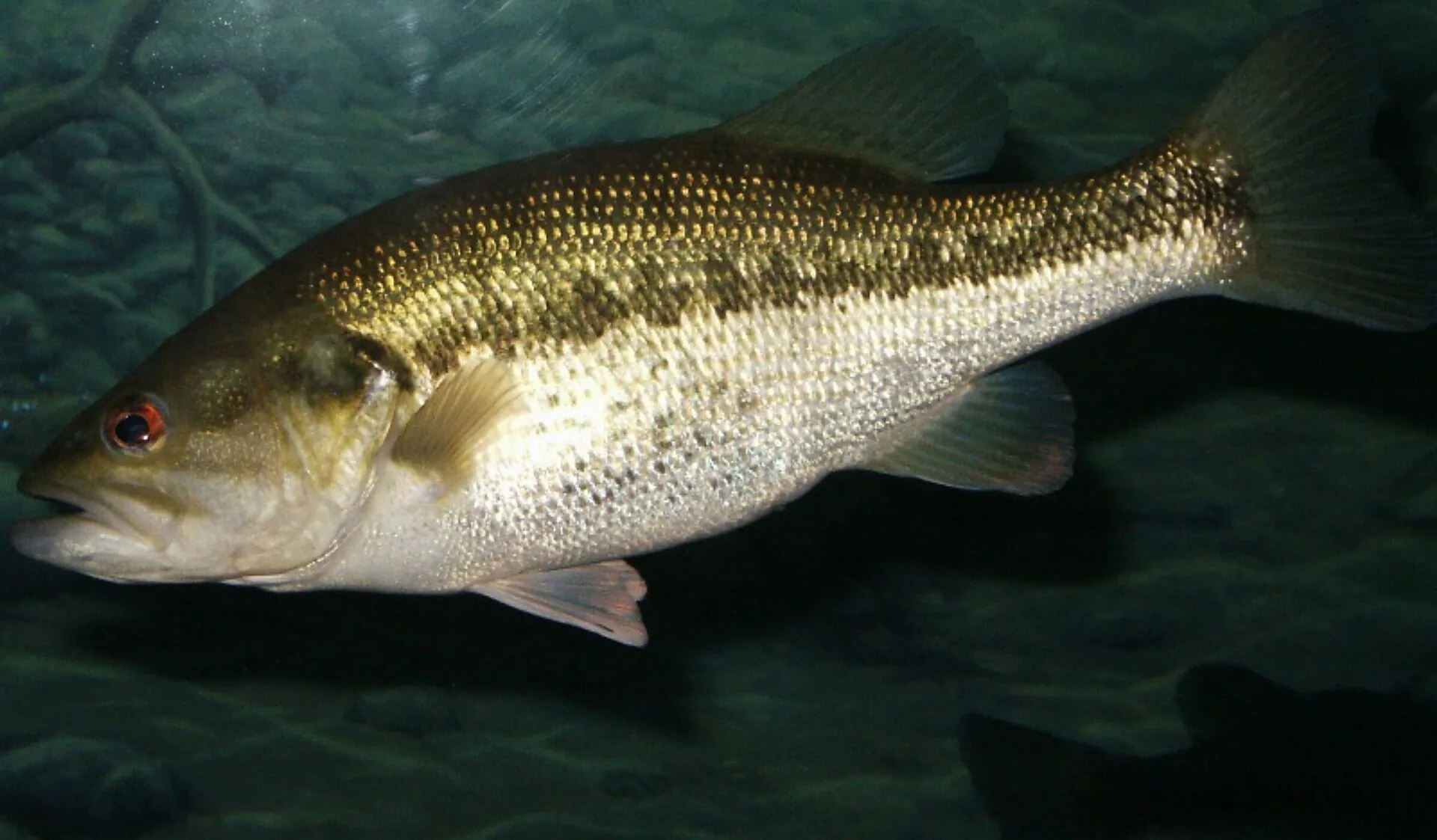
How to catch perch: find the school, then fill the session
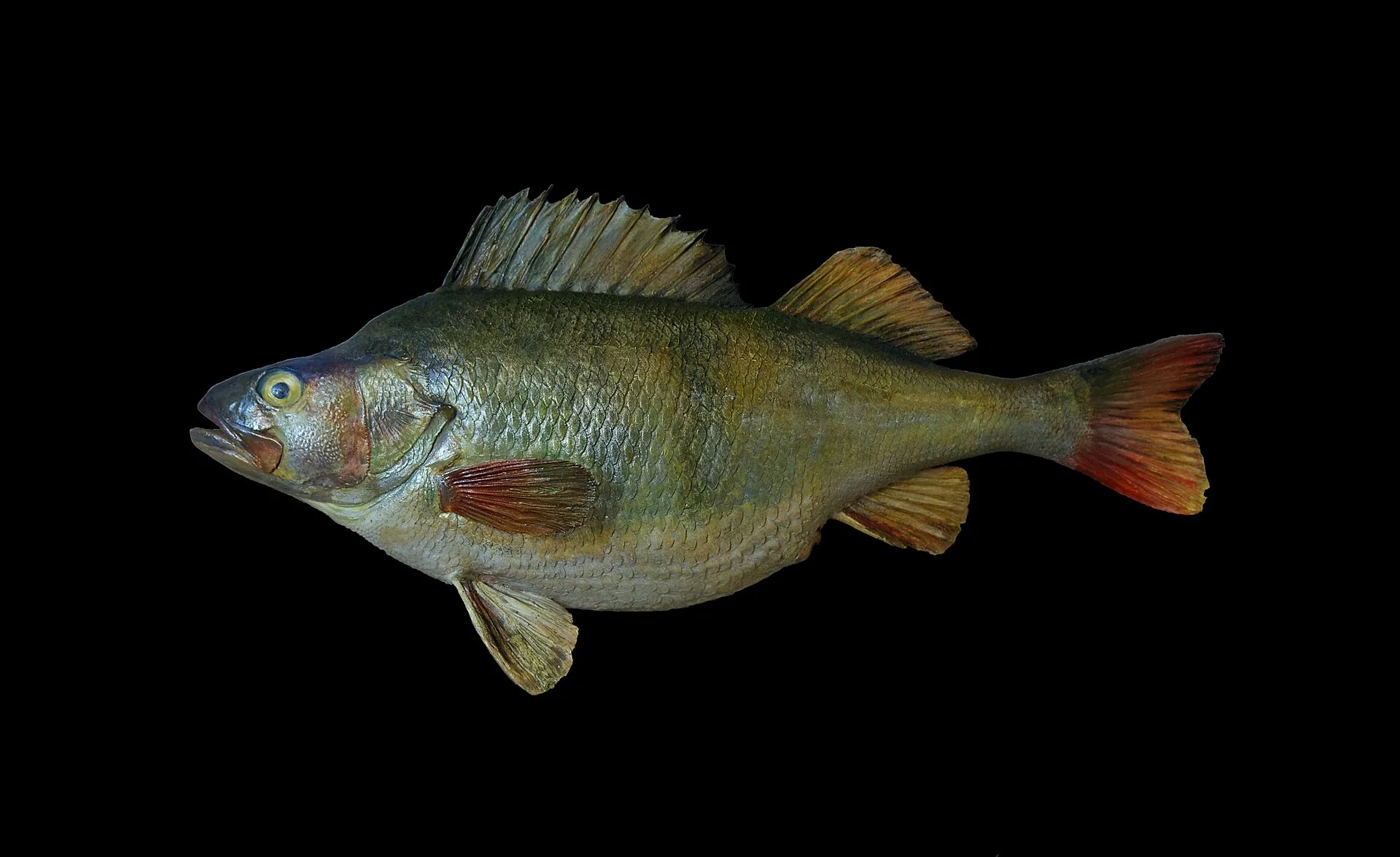
Perch rarely travel alone. Catch one off a weed edge and there is a good chance another twenty are sitting right behind it, which is exactly why a slow morning can flip into a fast session in the space of three casts. European perch (Perca fluviatilis) and the American yellow perch (Perca flavescens) are close cousins in the same genus, and they behave almost identically: striped, spiny, greedy, and social. Get the location right and the rest is easy. That is the whole game with perch. Find the school, then fill the session.
Why perch are a beginner's dream fish
Perch are forgiving in a way pike and zander are not. They feed in broad daylight, they are everywhere, and they hit small baits with real commitment. They are visual hunters that need decent light and reasonably clear water to track prey, so the middle of the day is fine and you are not stuck fishing dawn and dusk to catch anything (low light at the day's edges still helps, more on that later).
They also stay small, which is part of the charm. A "good" perch is 25 to 35 cm (10 to 14 inches). The yellow perch world record is just over 18 inches and about 4 pounds, so nobody is getting spooled. That means you can scale everything down and have more fun: 4 to 8 lb line (roughly 2 to 4 kg), a light or ultralight rod, and a small reel. Light gear turns a half-pound perch into a proper scrap. It is the ideal fish to hand a kid, and the ideal panfish to learn structure on before you chase bigger species.
Find the structure, find the school
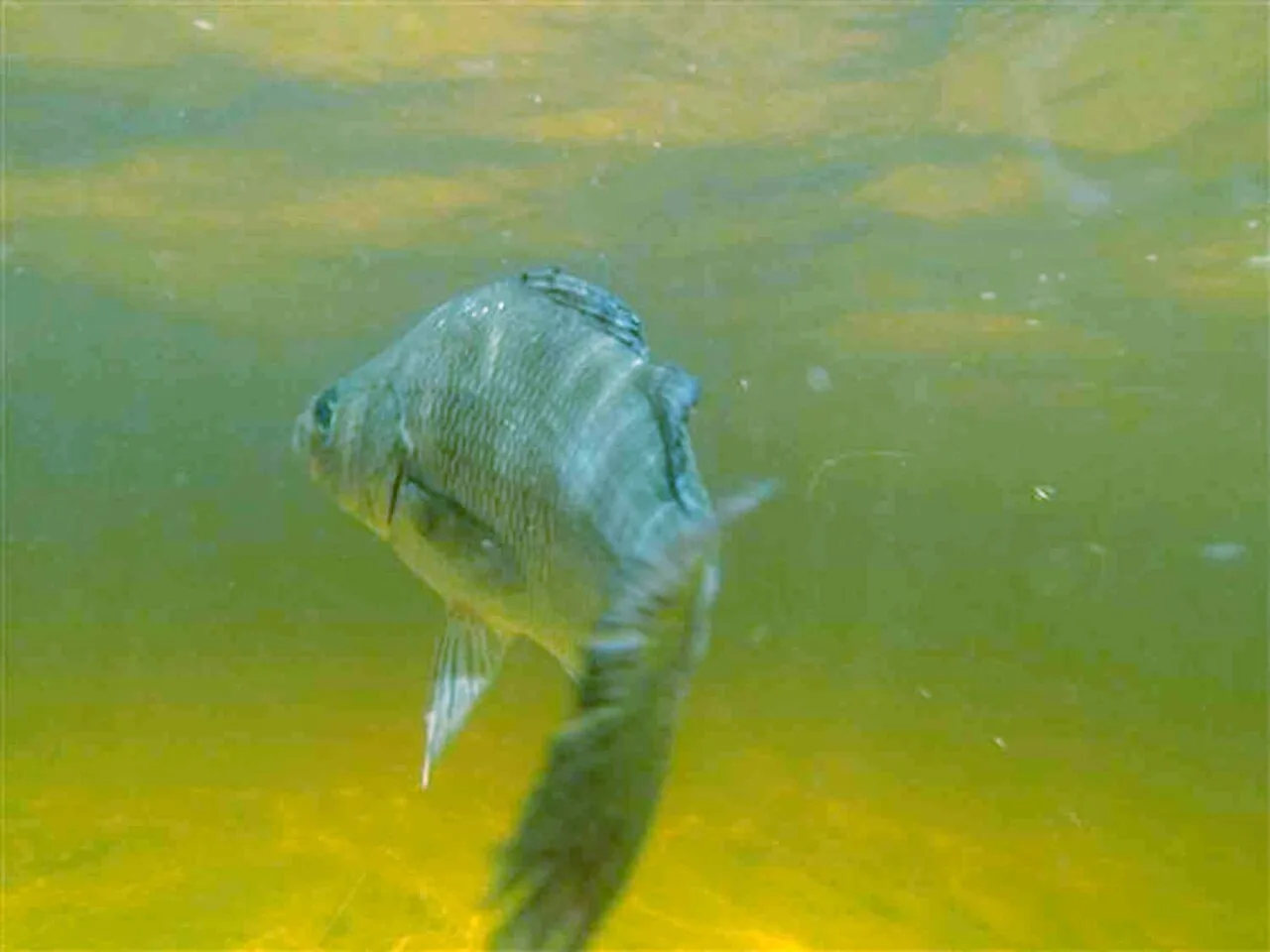
Perch are not scattered randomly across open water. They relate to structure and edges, and they use it to ambush smaller fish and invertebrates. Learn to read these spots and you will stop fishing dead water.
Look for:
- Weed edges and the seams where weed meets open bottom
- Drop-offs and any sharp change in depth
- Jetties, harbour walls, lock gates, and bridge pilings
- Boat docks, moored canal boats, and pontoons
- Sunken timber, brush piles, and any hard structure on a soft bottom
On rivers and canals, slacks next to flow are gold, perch sit out of the current and let food wash to them. In stillwaters, a clean drop-off near a shallow bay is often the whole story. The fish shuffle around it with the seasons, but the structure itself stays put, so it is worth remembering productive spots and coming back.
Whatever you fish, keep moving until you get the first bite. Two or three casts in a spot with no answer, move five or ten metres and try again. Perch are tightly schooled, so the difference between zero and a fish every cast can be a single rod-length. When you hit one, slow right down and work that exact spot, because you have just found the pack.
Follow the bait and the calendar
Perch go where their food goes, and that shifts through the year. In spring they pile into the shallows to spawn when the water hits roughly 7 to 11°C (45 to 52°F), often in only 1 to 2.5 m (3 to 8 ft) of water draped over weed and timber. That is easy, visible fishing.
Through summer, warmer water and bright sun push them onto the nearby drop-offs, often 3 to 7.5 m (10 to 25 ft) down, and they feed hardest in the cooler edges of the day. Heat genuinely matters here: perch start to get stressed once water climbs past about 23 to 26°C (73 to 79°F), so in a summer heatwave the early and late windows and the deeper, cooler water do the work.
In autumn they move back shallower, often 2.5 to 3.5 m (8 to 12 ft), and feed aggressively to fatten up, frequently herding baitfish along weed and rock. This is prime time for numbers and size. In winter they group up tight and keep feeding, which is why they are the headline ice-fishing species across Sweden and the northern US. No ice on your water? They still bunch on shallow flats and slow down, so smaller baits and a gentler retrieve win.
The lures and baits that actually work
You do not need a big box. Perch eat small things, so match that.
Soft plastics are the workhorse. A 2 to 3 inch (5 to 7 cm) paddle tail, shad, or finesse worm on a light jig head, hopped slowly along the bottom, covers water and triggers fish. When they are fussy, switch to a drop-shot: a small soft plastic on a size 4 hook tied a foot or so up the line, with a pencil weight (3 to 10 g) on the end. Start the bait around 30 to 45 cm (a foot and a half) off bottom and slide the weight up or down until you find the feeding depth. Drop-shot lets you hold the lure dead-still in the strike zone and twitch it on the spot, which schooled perch find very hard to ignore. Bites can be a savage thump or the faintest tap, so watch your line.
Small hard lures pull their weight too. Inline spinners (think a size 1 or 2 Mepps or a Rooster Tail), little casting spoons, and tiny crankbaits all draw reaction strikes, especially when you are searching for a roaming school. They are also a great way to let a kid just cast and retrieve and still catch.
For pure simplicity, you cannot beat a worm or a few maggots under a float, set so the bait hovers just above the bottom. It is the classic perch method for a reason and it still out-fishes everything on a hard day. If the fish are deeper, a paternoster rig (a hook or two on short droppers above a weight) keeps the bait just off the deck where perch like it.
Sizing up for the jumbos
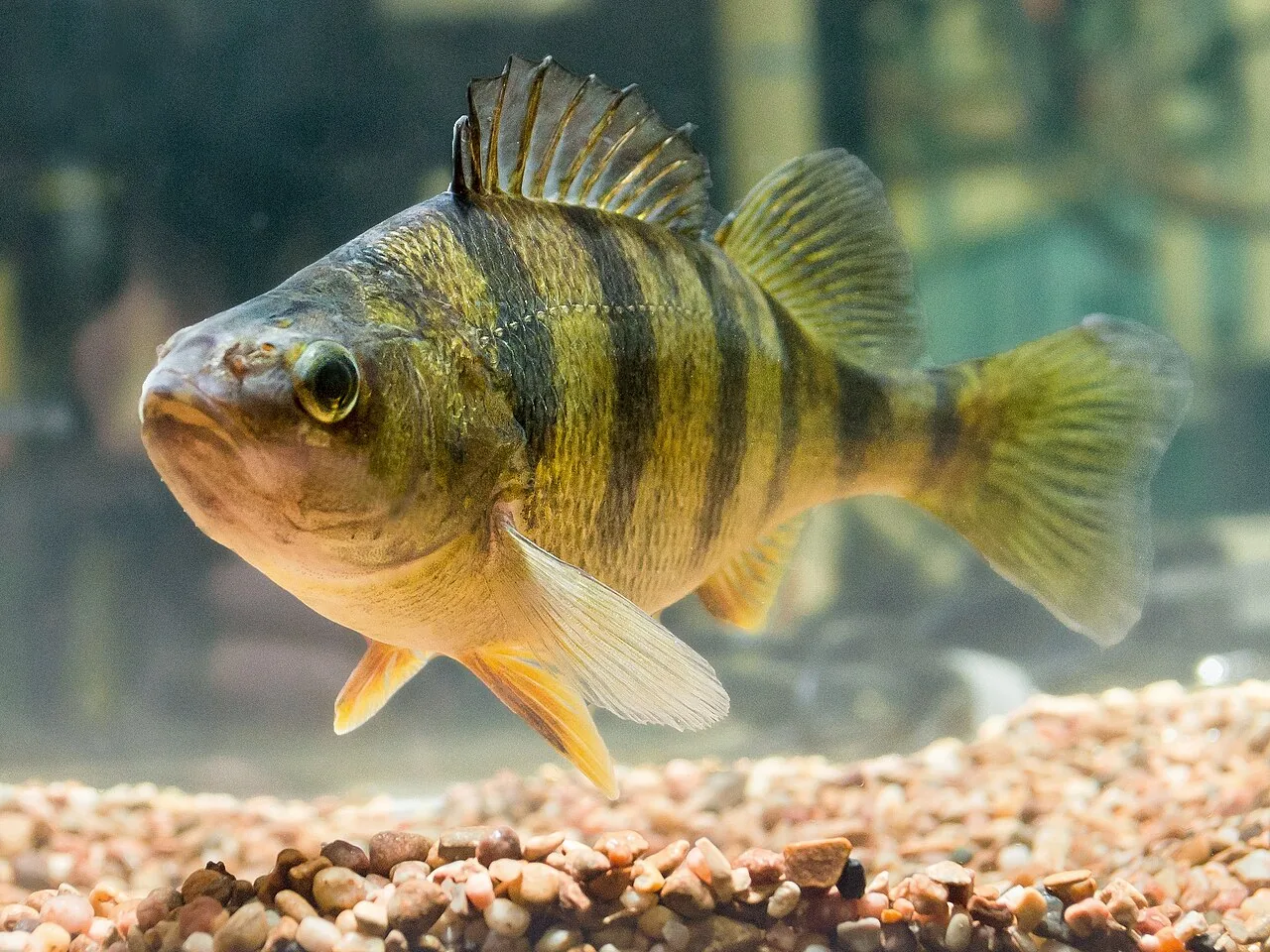
Here is the trick that separates a bucket of small ones from a few proper slabs. Big perch and little perch tend to keep their distance. Once perch grow past about 25 cm (10 inches) they turn cannibal and happily eat smaller perch, so the jumbos often sit a bit deeper and a bit apart from the nursery shoals of palm-sized fish.
So if every cast brings a 12 cm fish, that is your cue, not your reward. Move out to the deeper edge of the structure, the bottom of the drop-off, the outside of the weed bed, the deeper pilings. Size your bait up at the same time. A bigger fish wants a bigger mouthful, so go from a 2 inch grub to a 3 to 4 inch shad, or run a small crankbait that the tiddlers cannot fit in their mouths. Fewer bites, better stamp. That trade is almost always worth it when you are hunting a personal best.
A couple of honest conditions notes. Overcast skies with a light ripple ("a perch chop") usually beat flat, bright, glassy water, the low light tips the odds toward the predator. And while perch feed all day, the first hour of light and the last hour before dark are still the easiest bites of the day. You do not have to fish them, but if you can, do.
The quick version: find structure, keep moving until the first bite, then grind that spot. Fish small soft plastics or a drop-shot, keep a float-and-worm rig in reserve, and when the small ones swarm, go deeper and bigger for the jumbos. Light line, simple gear, daytime hours. It is genuinely one of the most beginner-friendly ways to catch fish anywhere in Sweden, the UK, or the US.
If you want a head start, you can see where perch are likely biting near you right now, with live weather and the nearest spots, free and with no login, at napp.fish.
Photos: Jebulon, CC0 · Tetzner Tom, U.S. Fish and Wildlife Service, Public domain · Robert Colletta, Public domain