How to Catch Catfish
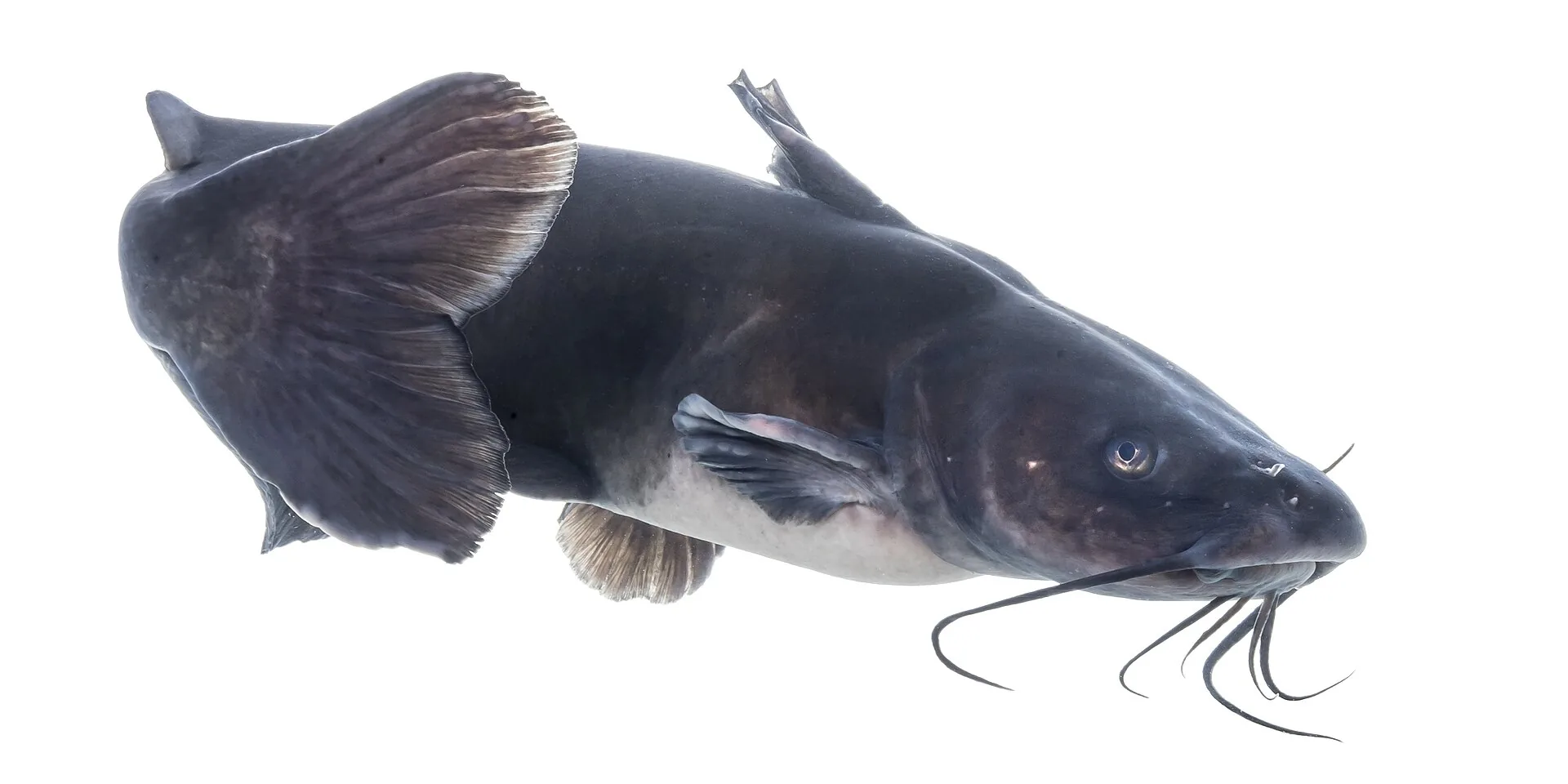
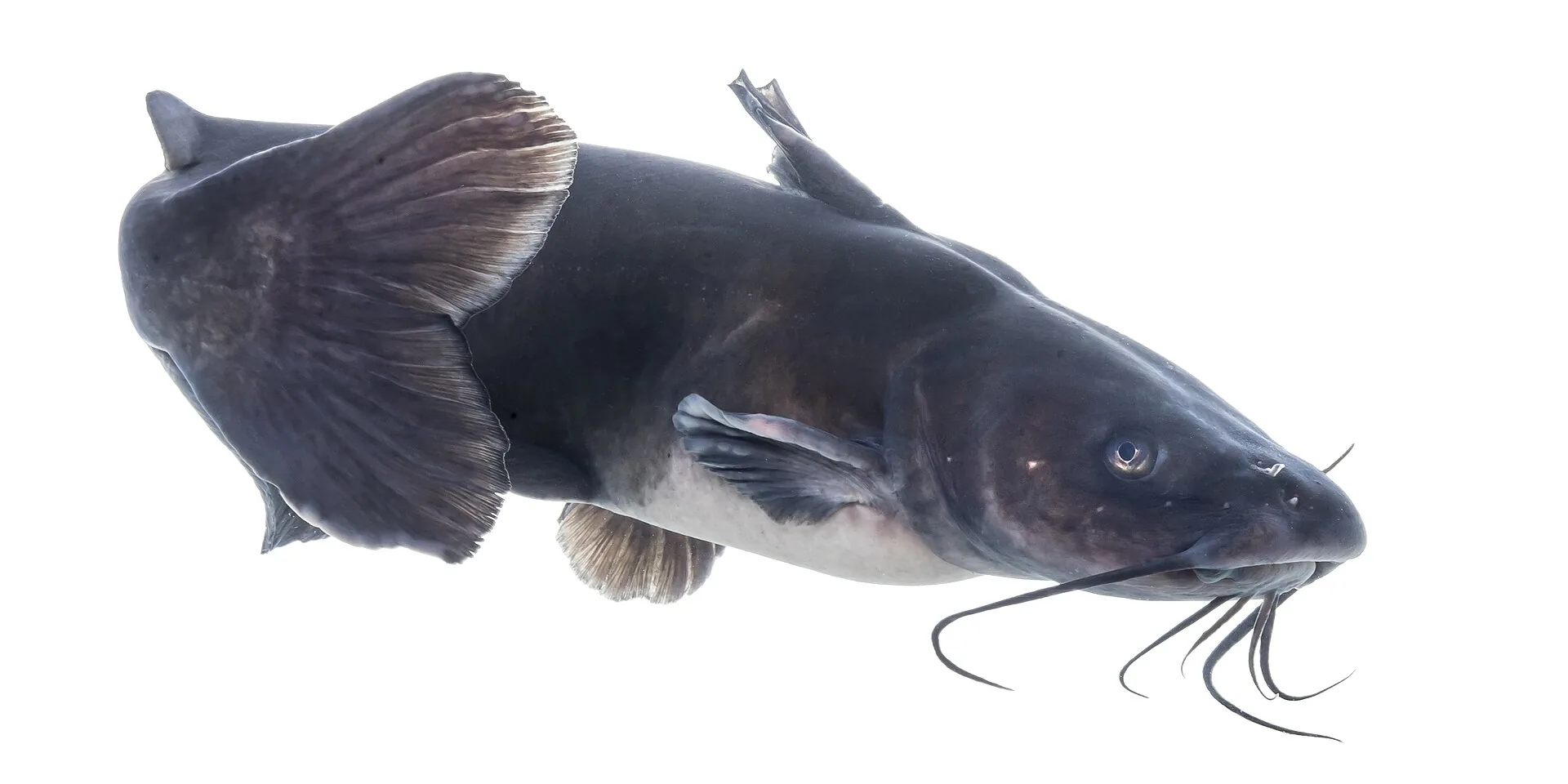
A catfish can taste your bait before it ever sees it. Its whole body is wired for that. A channel cat is covered head to tail in taste buds, packed thickest on the barbels around its mouth, and it reads the water with a lateral line that feels vibration the way you feel a tap on the shoulder. Eyesight comes last. That single fact explains almost everything about how you catch them.
It is also why catfish own the conditions that shut other fish down. A bass or a pike hunts with its eyes, so muddy water and a black night take away its main weapon. A catfish does not care. Stain the water with runoff, kill the moon, and it is still tracking a scent trail straight to your hook. Fish for them when the lake looks at its worst and you are fishing your strength.
Channel, flathead, and the giant cousin
Lumping all catfish together is the first mistake. They do not behave alike.
Channel cats are the opportunists, and by far the most common target. They eat almost anything that smells like food, dead or alive, and they roam to find it. This is the fish that prepared "stinkbaits" and cut bait were invented for. If you are starting out you are probably after channel catfish, and they are forgiving.
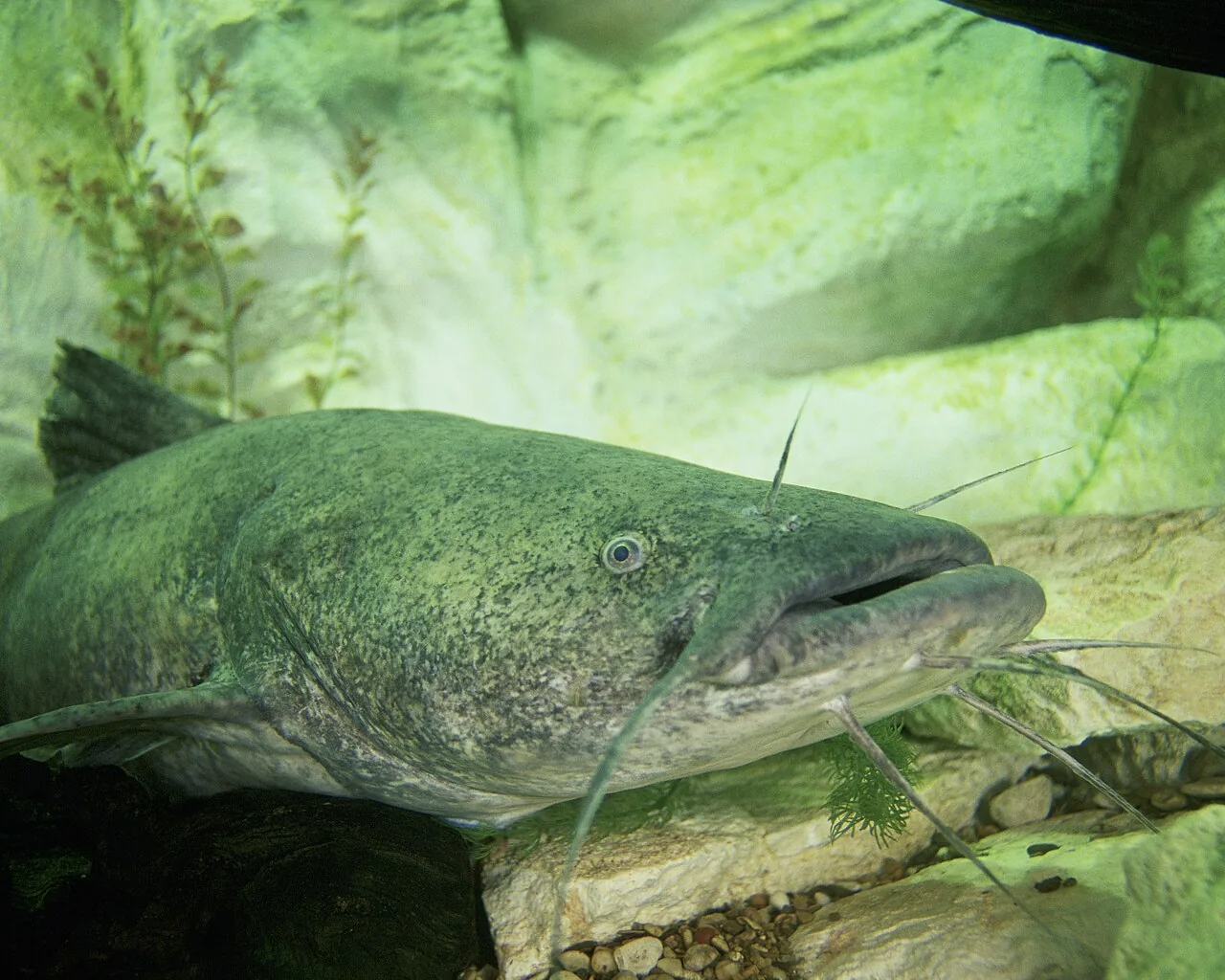
Flatheads are a different animal. They are ambush predators that strongly prefer live prey, a bluegill or a live shad over a dead chunk most nights. Big flatheads sit tight to heavy cover, a log jam or an undercut bank, and wait. If you want a flathead, fish live bait near structure and be patient.
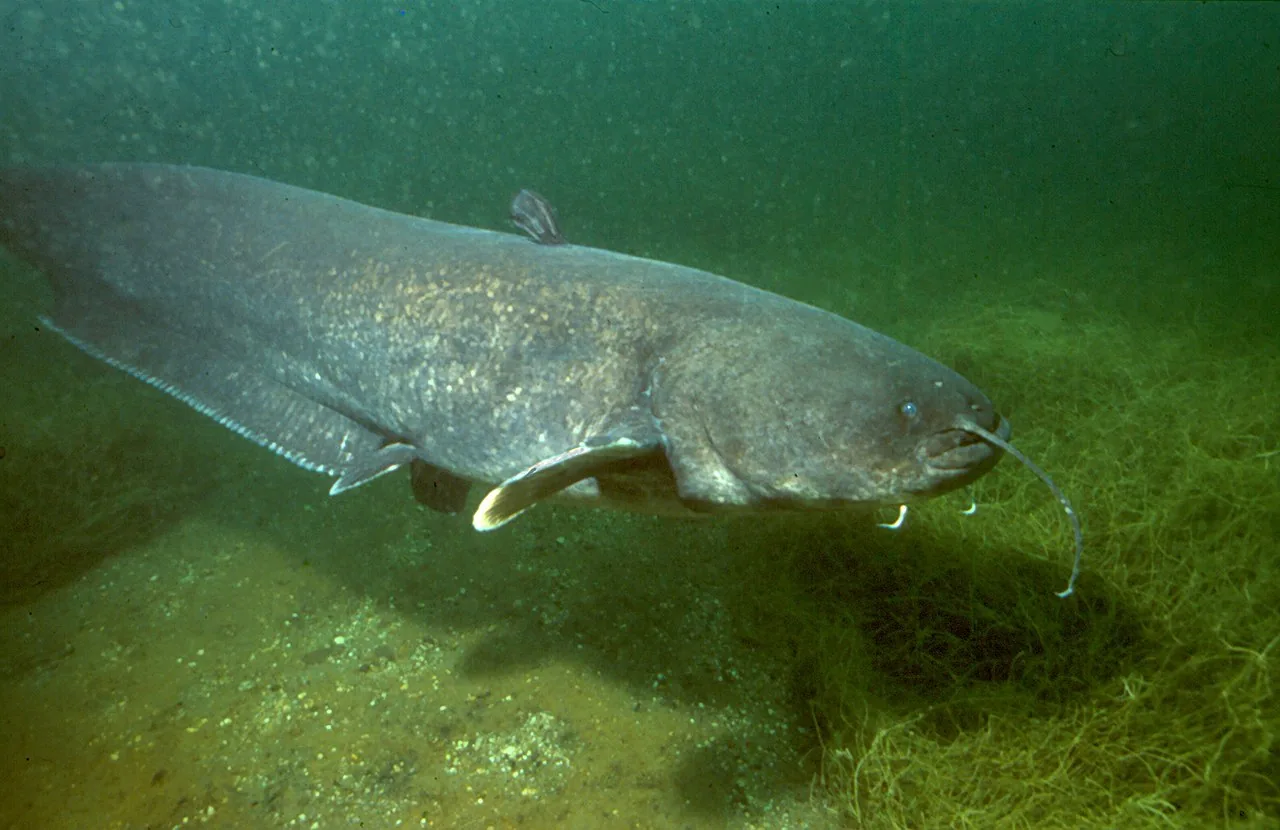
The wels catfish, the European giant, takes that same logic and scales it up past two meters. Same playbook: live or fresh bait, low light, warm water, near cover and depth changes. Different continent, identical nose-first predator.
Why heat and darkness load the dice
Catfish are warm-water fish, full stop. Their metabolism climbs with the temperature, and the bite really switches on once the water pushes past roughly 70°F (21°C), peaking through the high 70s and into the 80s°F (mid-to-high 20s°C). That is high summer, when the trout crowd is packing up and going home. The same heat that stresses cold-water species is exactly what a catfish wants. If you understand nothing else, understand the role water temperature plays in the bite.
Now add darkness. On a hot day the shallow flats bake, and catfish slide off into deeper, cooler, shaded water. As the sun drops they move back up onto those flats to feed, and they keep at it through the night. A warm summer night is prime time, which is one more reason the time of day you fish matters as much as the date on the calendar.
Where do you put the bait? Think about current and bottom. In rivers, catfish hold in deep holes, on the downstream edge of a current break, and along the seams where fast water meets slow. In lakes, work channel edges, creek mouths, and the drop from a shallow flat into deeper water. After a summer rain, the warm, stained, food-carrying inflow at a river mouth can be the best address on the whole lake.
Rig for the nose, not the eye
Your rig should let scent do the work and let the fish hook itself.
The slip-sinker rig, the Carolina rig, is the workhorse. An egg sinker slides on the main line above a swivel, then a leader runs to the hook. The point is simple: a catfish can pick up the bait and move off without feeling the weight, so it does not drop the bait before it commits. Match the sinker to the current and use no more weight than it takes to hold bottom.
Use circle hooks. You do not set the hook with them. When the fish takes the bait and swims off, you reel until the line comes tight and the hook turns into the corner of the jaw on its own. It hooks more fish, and because it rarely hooks deep it makes releasing them clean.
Now the bait, and the myth worth killing. People believe catfish only eat rotten, stinking garbage. That is wrong, and it costs anglers fish. Prepared stinkbaits and soured cut bait genuinely work, but they are a channel-cat tool, not a universal law. Fresh cut bait, an oily chunk of a baitfish native to that water, often out-fishes the rotten stuff for channels. For flatheads, rotten bait is close to useless; they want it alive and kicking. The real common thread is not decay, it is scent and the right presentation for the species in front of you.
One honest note. None of this places a fish on your hook. Warm water, a dark night, and a stained inflow load the dice in your favor, they do not guarantee anything. Conditions move the odds. You still have to put a good bait in the right water and wait it out.
That is where napp helps. It reads the live weather at your nearest water and ranks how likely each species is to be biting right now, catfish included, and it shows the reasoning behind the call instead of handing you a bare number. It is free and there is no login. Check what the conditions say before you load the truck, at napp.fish.
Photos: USFWS Mountain Prairie, Public domain · Engbretson, Eric / U.S. Fish and Wildlife Service, Public domain · Dieter Florian (To contact the author, ask the uploader or take a look at tauchshop-florian.de .), CC BY-SA 3.0 de