Så fångar du gös
De flesta sportfiskare skyller på djupet när gösen tystnar. Djupet är sällan det verkliga problemet. Ljuset är det.
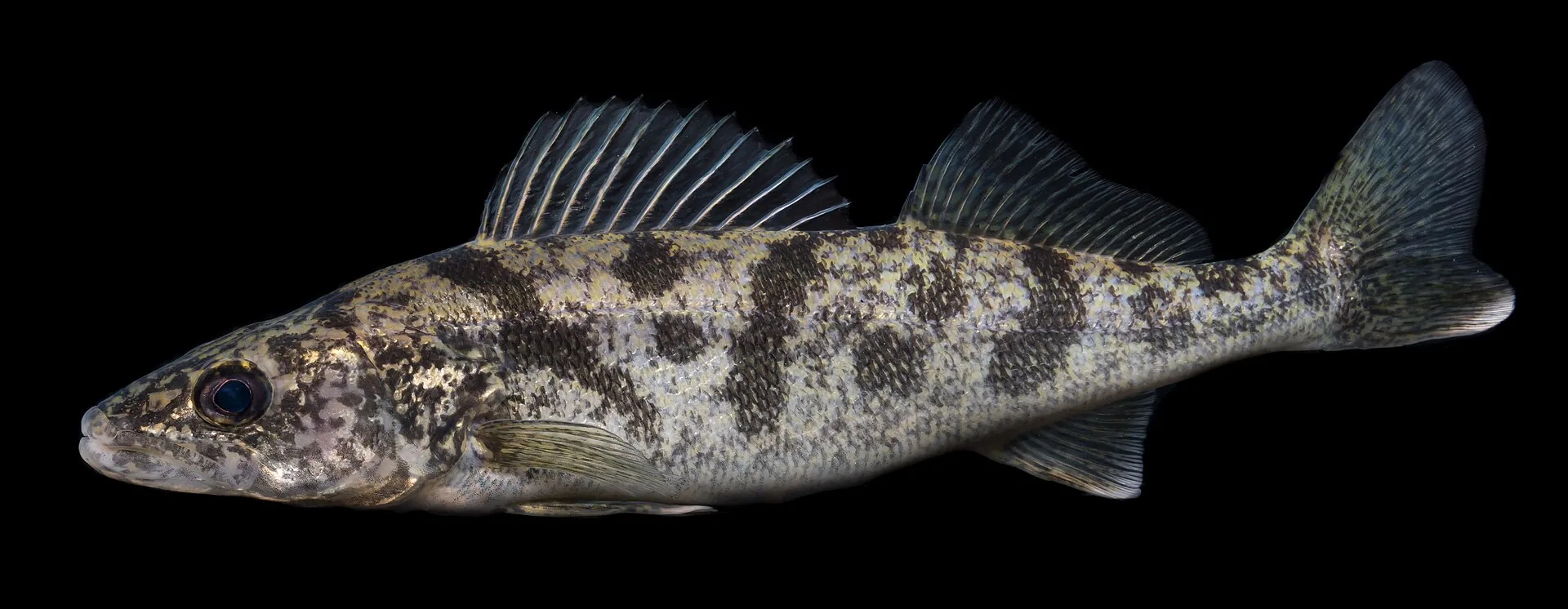
Gösen bär en spegel bakom näthinnan, ett skikt som kallas tapetum lucidum, samma vävnad som får en katts ögon att lysa upp i skenet från en ficklampa. Den studsar tillbaka ljuset genom sinnescellerna en andra gång och fördubblar ungefär det som fisken har att arbeta med. Det där mjölkiga, glasartade ögat är inte ett blint öga. Det är ett instrument för svagt ljus. I skumt, färgat eller vindpiskat vatten ser gösen en mört som inte ser den komma. Den enda fördelen förklarar nästan allt om hur den här fisken äter.
Läs det baklänges så faller taktiken ut av sig själv. Gösen äter som mest när bytet är halvblint: de första och sista nittio minuterna av dagsljus, timmen efter att det blivit helt mörkt, under tungt molntäcke och i vatten med färgen av svagt te. En ljus, stilla eftermiddag med blå himmel över kristallklart vatten är den sämsta hand du kan få. Fiskarna försvinner inte. De drar sig in i skuggan, trycker tätt mot strukturer och väntar på att solen ska lämna deras ögon. Varför klockan spelar så stor roll gäller gösen hårdare än nästan någon annan art, vilket är hela poängen med bästa tiden på dygnet att fiska.
Var de står, och varför det rör på sig
Gösen förhåller sig till strukturer, men den är inte fastlimmad vid dem på samma sätt som en abborre. Den använder hård botten, grus, lera och sten, kanterna på rännor och djupkanter, bropelare, hamnpirar, den djupa kanten av ett vegetationsbälte och sömmen där en å möter lugnare vatten. Hitta kanten så har du hittat startpunkten.
Haken är att gösen vandrar. Mer än gäddan, mer än walleyen, lämnar den strukturen och står fritt i öppet vatten för att skugga stim av mört, nors eller gärs. Botten är alltså där du börjar, inte där historien slutar. I klara sjöar står den ofta djupt i dagsljus, 4 till 8 meter och neråt. I färgat vatten står den grundare, 2 till 4 meter, eftersom grumligheten redan gör jobbet som djupet annars skulle göra. Följ betet så följer du fisken.
Så fiskar du dem: jigga nedåt, leta sedan upp dem
Vertikalfiske över markerad fisk är det effektivaste sättet att fånga gös, punkt slut. Lägg båten över en djupkant eller en kant med hård botten, fäll ner en mjuk shad på 7 till 12 cm på ett jigghuvud och arbeta den med små lyft på 20 till 40 centimeter. Använd det lättaste huvudet som ändå håller dig i ärlig kontakt med botten, ofta 7 till 18 gram, tyngre i ström eller djupt vatten. De flesta hugg kommer när betet sjunker och känns som ingenting, en knäpp, en lätt stöt, linan som plötsligt slaknar eller känns tung. Sänk spötoppen, veva hem slacken och kroka ordentligt.
När du inte vet var de står, sök av vattnet. Kasta och hoppa shads längs en djupkurva, eller trolla crankbaits längs en brytkant tills ett stim visar sig, stanna sedan och plocka isär det vertikalt. I kallt eller djupt vatten gör ett bladbete eller ett läppslöst vibrationsbete sig förtjänt av sin plats. Det sjunker snabbt, hoppar rent från botten och dess täta vibration drar in fisk via sidolinjen när sikten är nästan obefintlig.
Färgen följer siktdjupet, inte modet. Klart vatten, kör naturligt: pärlemor, vitt, nors- och mörttoner. Färgat eller mörkt vatten, kör tydligare: chartreuse, vitt, firetiger, en gnutta självlysande. Ju smutsigare det blir, desto mer jagar fisken på vibration och silhuett, så kontrast slår realism.
Tackel, den beniga munnen och jämförelsen med walleye
Glöm den grova gäddtafsen här. Gösen har skarp syn och blir tafsskygg, så större delen av året vill du ha en fluorocarbon-tafs på runt 0,30 till 0,40 mm (ungefär 20 till 30 lb), 50 till 80 cm lång, på en tunn flätlina som huvudlina på 0,10 till 0,15 mm för att känna hugget. Den ärliga kompromissen: där stora gäddor delar vattnet kommer den fina tafsen att kosta dig fisk genom avbett, och du måste bestämma vilken art du egentligen fiskar efter.
Gösens mun är hård och benig, så krokarna måste vara riktigt vassa och krokningen ska vara ett bestämt drag, inte en ryckig knyck med handleden. Sega dagar nafsar de i stjärten på mjukbetet och släpper. Stå emot frestelsen att hugga på första stöten. Låt spöt ladda, luta dig sedan in i det.
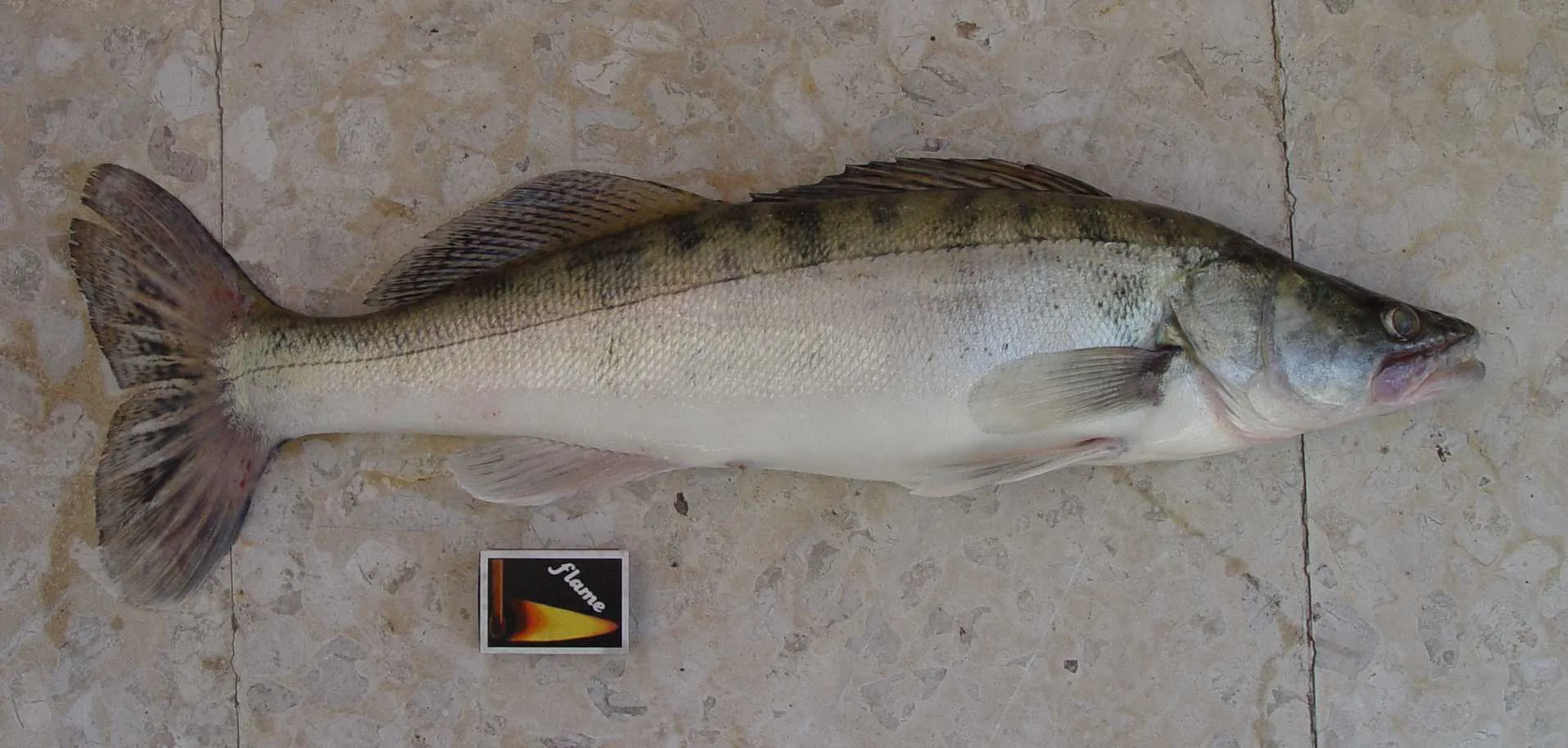
Det är också här gösen skiljer sig från sin amerikanska kusin. Walleye och gös är systerarter i släktet Sander, men en walleye håller sig hårdare till sten och botten och vill ofta ha en jigg som tickar och stöter mot gruset som en flyende kräfta. Gösen är mer strömlinjeformad, vandrar och står fritt mer, tål varmare och grumligare vatten, och i hårt fiskade europeiska kanaler föredrar den oftast ett mjukare, tystare, glidande bete framför något aggressivt. Om du kommer från walleye-spelboken, mjuka upp handen. Det är värt att läsa beteendenoteringarna och säsongsprofilen för gösen innan du ger dig ut.
Inget av detta placerar fisken åt dig. Förhållandena flyttar bara oddsen. En låg, grå, blåsig kväll över färgat vatten staplar dem till din fördel. En ljus, vindstilla middag gör tvärtom, och ingen betesfärg räddar ett dött tidsfönster.
Den sista biten är det napp läser åt dig. Den hämtar live-vädret vid vattnet närmast dig, väger ljus, vind, moln och säsong, och rangordnar hur sannolikt det är att varje art hugger just nu, gösen inräknad, med resonemanget synligt. Det är gratis, ingen inloggning, och du kan börja på napp.fish eller bläddra bland vattnen nära dig efter region.
Foton: eLNuko, Public domain