Spelar vindriktningen någon roll för fisket
"När vinden står i väst, då nappar det som bäst. När vinden står i ost, då nappar det som minst." Varje fiskare har hört det. Det stämmer till hälften, av fel anledning.
Vindens kompassriktning når inte ner och slår på fisken som en strömbrytare. En black bass på drygt två meters djup har ingen aning om åt vilket håll flaggan på bryggan pekar. Det ordspråket egentligen spårar är vädret bakom vinden. På norra halvklotet rider en väst- eller sydvästvind oftast in på ett varmt, stabiliserande system, den sortens lugna period då fisken äter i lugn och ro. En ostvind betyder oftast ett högtryck som glider in bakom en front, och kommer med klar himmel, stigande lufttryck, och den där sega stämningen efter fronten som bromsar hugget. Vinden är budbäraren, inte orsaken.
Håll fast vid den skillnaden och ordspråket slutar vara vidskepelse och börjar bli användbart. Riktningen antyder systemet. Systemet flyttar hugget. Men så fort vinden ligger på vattnet tar en långt mer pålitlig kraft över, och den har inget med kompassen att göra.
Vad vinden faktiskt gör med vattnet
Vinden är den mest underskattade vän du har, och mekanismen är enkel fysik som du kan se hända.
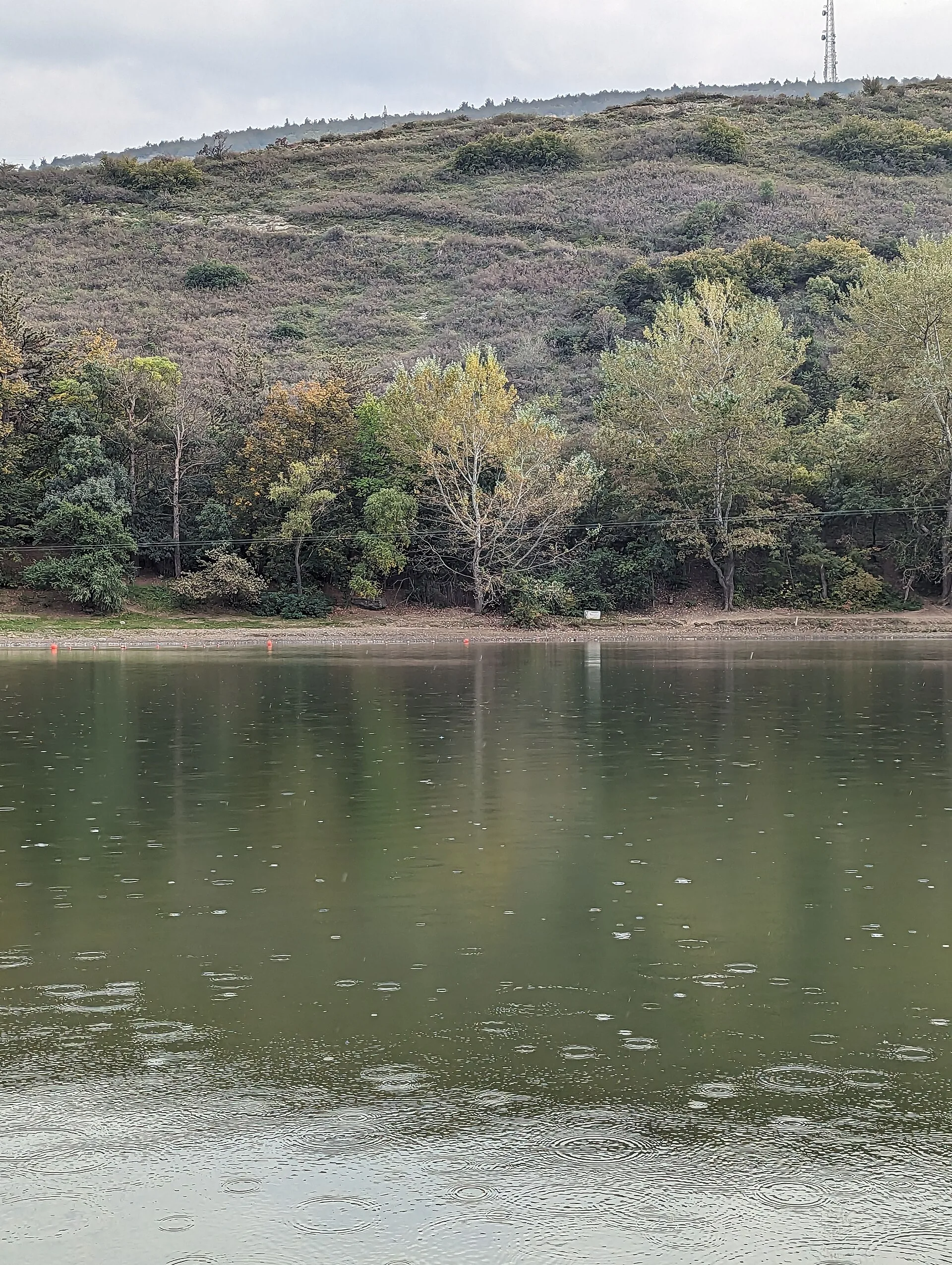
En stadig bris drar det varma ytskiktet tvärs över sjön och tornar upp det mot den bortre stranden, lovartsstranden, den som vinden blåser in mot. Det flytande planktonet följer med, eftersom det inte kan simma mot rörligt vatten. Betesfisken följer planktonet. Rovfisken följer betesfisken. Inom några timmars ihållande blåst är den fula, skumstrimmiga stranden som alla undviker precis där hela näringskedjan har samlats. Det är den stranden du ska fiska, inte den lugna sidan som känns skön att stå på.
Vinden gör två saker till medan den flyttar runt maten. Den vecklar in syre i den övre delen av vattenmassan, vilket höjer ämnesomsättningen och aptiten hos allt som finns där. Och den krusar ytan, vilket bryter upp ljuset som tränger igenom.
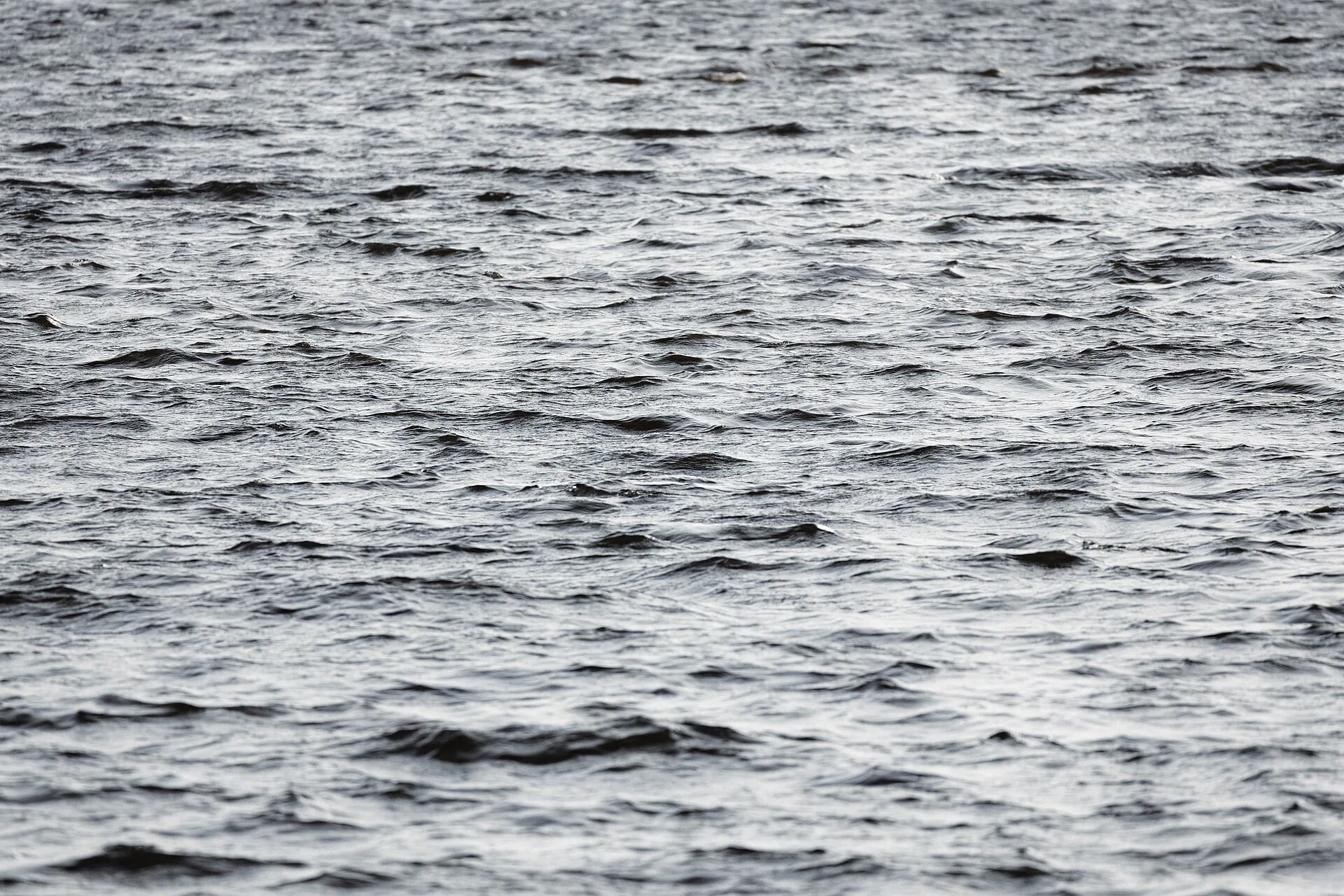
Den sista delen betyder mer än folk tror. En spegelblank yta är ett fönster, och ett klart fönster en solig dag trycker ner rovfisken och gör den försiktig. En krusad yta är frostat glas. Fisken känner sig gömd, ljuset som når den är brutet och dämpat, och smygjägare som black bass, gädda och gös rör sig upp ur skydden för att äta i vatten de aldrig skulle blotta sig i en spegelblank eftermiddag. Det är samma fördel i svagt ljus som gör gryning och skymning till bästa tiderna, fast en bra krusning ger dig den fördelen mitt på dagen.
Gösfiskare gav det ett namn. "Gösskvalpet", en måttlig krusning upp till ungefär 30 centimeter höga vågor, är förhållandet de ber om. Det är inte folktro. Det är ljuset, syret och den samlade betesfisken som anländer på en gång.
Fiska den vindpinade stranden, tills du inte kan
Så taktiken skriver sig själv. När vinden har hållit sin riktning i några timmar, gå till stranden den blåser in mot och fiska den hårt. Kasta något som täcker vatten och utlöser en reaktion: en spinnerbait, en squarebill-wobbler, en swimbait. Fisken där är mätt, syresatt, aggressiv och tittar uppåt. Det här är vatten för reaktionshugg, inte finessfiske. Särskilt black bass drar in på vindpinade uddar och stenskoningar och frossar.
Det finns ett tak, och det är både ett fisketak och ett säkerhetstak.
När vinden väl är stark nog att du inte kan hålla båten eller placera ett kast där du vill, har den slutat hjälpa och börjat fiska åt dig. Båtkontrollen och presentationen försvinner, och du tillbringar dagen med att kämpa i stället för att fånga. Värre än så: stora öppna vatten i hård blåst är en verklig fara, inte ett besvär. Vita gäss på en stor sjö byggs upp snabbt och fyller små båtar med vatten. Draget är att kila in i en skyddad vindficka, ett hörn eller en vik där vinden fortfarande trycker in betesfisk men vågorna inte hinner resa sig. Använd vinden, respektera den, och låt den inte prata in dig på vatten du inte kan ta dig av.
Förhållandet ingen vill ha är det sega
Här är delen som vänder ordspråket upp och ner. Dagen som ser perfekt ut från bryggan, spegelblank och vykortslugn, är väldigt ofta det sega kortet.
Blickstilla betyder ingen planktondrift, ingen samlad betesfisk, ingen syreinblandning, och en yta som glas som låter ljuset flöda in och låter fisken se dig, båten och linan. En vindstilla sommareftermiddag kan sjön kännas livlös, eftersom den nära ytan nästan är det. Fisken står djupt, i skugga, eller är avstängd och väntar på kvällen. Lite vind är inte ett problem att vänta ut. Frånvaron av den är det oftast.
Inget av det här är en garanti, och det är verkligen inte ordspråket. En västvind på fallande barometer med gösskvalp på lovartsstranden är en högoddsdag du fiskar snabbt och aggressivt. Ett blickstilla högtryck under strålande himmel två dagar efter en front är en lågoddsdag du maler ut långsamt och djupt. Samma sjö, motsatta spel. Vinden, precis som resten av vädret, förskjuter oddsen, den placerar inte din fisk.
Det är hela idén bakom napp. Den läser livevädret vid ditt närmaste vatten, inklusive vindens hastighet och riktning, och rankar hur troligt det är att varje art hugger just nu, med resonemanget synligt så att du kan säga emot. Ta fram förhållandena och det aktuella hugget vid vattnet närmast dig, eller bläddra efter område på sidan regioner, gratis och utan inloggning, på napp.fish.
Foton: Osmo Lundell, CC BY-SA 4.0