Nattfiske: en praktisk guide

Det bästa fisket en het julidag börjar ofta ungefär när alla andra lastar bilen. Medan sjön gassar vid middagstid och familjerna packar ihop i skymningen, går ett andra skift på under ytan. Stor fisk som gömt sig under de ljusa timmarna glider upp på grunt vatten i mörkret för att jaga, och nästan ingen är där ute för att möta den. På högsommaren är natten inte tröstpriset. Den är huvudnumret.
Så här kommer det sig att det fungerar, och inget av det är mystiskt.
Vad mörkret faktiskt ändrar
Tre saker vänder efter solnedgången, och de staplas på varandra.
För det första, vattnet svalnar. En grund platå som nådde 27 grader på eftermiddagen släpper värme hela kvällen, och vid midnatt ligger den flera grader svalare och långt bekvämare för fisk som tjurat på djupet. Varmt vatten håller också mindre syre, och en näringsrik sjö bränner ner syret under en het dag. Nedkylningen över natten plus vind på ytan låter det återhämta sig. Svalare, bättre syresatt grundvatten drar upp ätande fisk på platåer de inte skulle nudda klockan två på dagen.
För det andra, trycket försvinner. Båttrafiken, trollingmotorerna, badarna och vattenskotrarna är alla borta. Fisken har inte blivit störd på timmar, och en strand som var en cirkus mitt på dagen blir tyst och mörk. På hårt fiskat allmänt vatten är det ensamt värt mer än de flesta fiskare erkänner. Jag går in på varför trycket betyder så mycket i det verkliga skälet till att gryning och skymning fungerar, och natten är helt enkelt den effekten uppvriden till max.
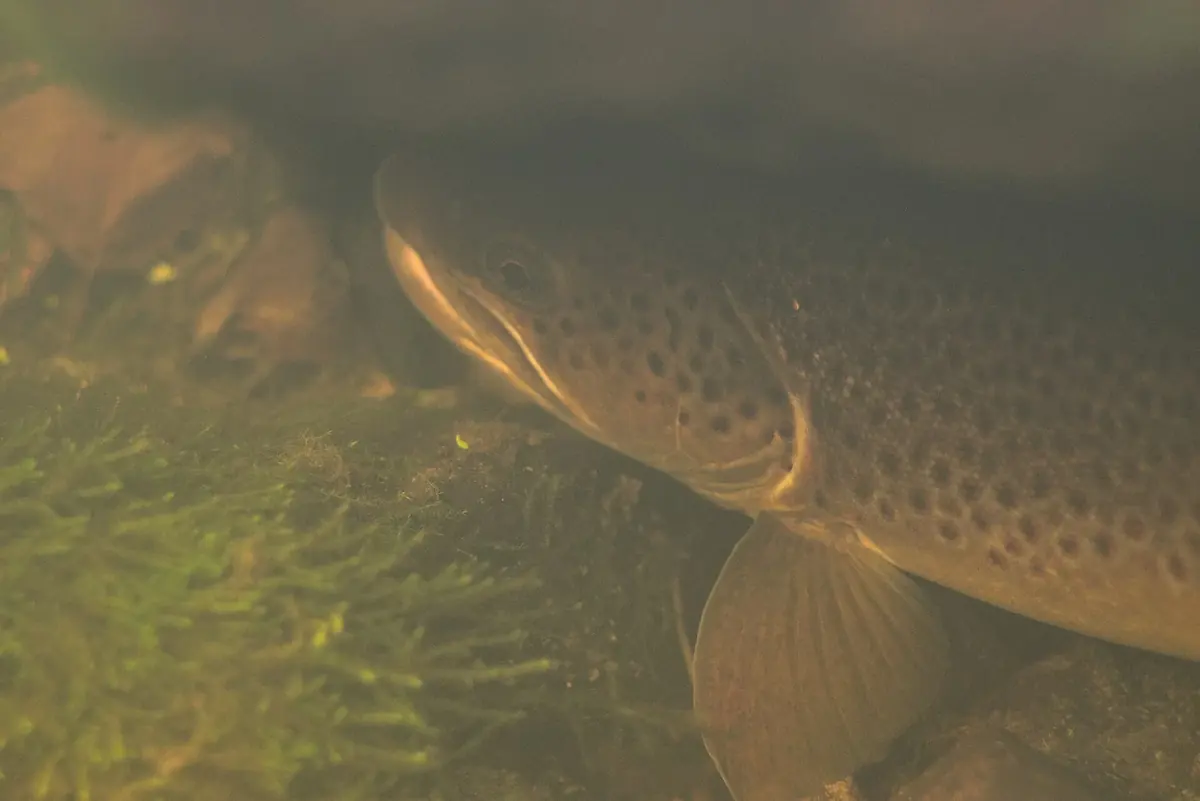
För det tredje, och det här är motorn, svagt ljus ger vissa rovfiskar ett vapen. Gös och dess amerikanska släkting walleye, stor öring, mal, stormunnad och småmunnad bas samt striped bass ser alla bättre i mörkret än betesfisken de jagar. Rovfisken hittar fortfarande bytet. Bytet ser inte bakhållet komma. Den obalansen är hela hugget. Det är de fiskar som tappar sin dagsförsiktighet efter mörkrets inbrott och drar grunt och djärvt, vilket är exakt varför en gös som ignorerat dig hela eftermiddagen jagar i det grundaste vattnet vid midnatt.
Krossa myten om fullmånen
Du behöver ingen fullmåne. Det här är den enskilt mest upprepade folktron om nattfiske, och den är mestadels bakvänd.
En ljus måne låter visserligen nattjägarna äta lite effektivare eftersom det finns mer omgivande ljus, men det skär åt båda håll. Bytet ser också bättre, och hugget sprids ofta tunt över hela natten i stället för att koncentreras till ett fönster. Några av mina bästa mörka nätter har kommit vid nymåne, när det enda ljuset på vattnet var stjärnorna. Behandla månen som en mindre variabel, inte ett grönt ljus. Varmt vatten, stabilt väder och lågt tryck avgör långt mer än månfasen. Hoppa inte över en perfekt stilla, kvav natt bara för att kalendern säger att månen är fel.
Fiska som om du inte kan se, för det kan du inte
Nattfiske belönar förberedelse och bestraffar improvisation. Hela grejen handlar om att ta bort fumlandet ur ekvationen.
Rigga i dagsljus. Ta dig till platsen medan du fortfarande ser, lär dig hindren och kanten och var du sätter fötterna, och ställ upp spöna innan solen gått ner. Att kliva ut på en ny strand i mörkret är så du tappar tackel och vrickar foten.
Organisera så att du kan jobba på känsla. Allt i samma ficka varje gång. Knyt ett par rigg i förväg, lägg fram håv och tång, och ha betet där handen faller. Du vill kunna beta om och kroka loss utan att leta efter något.
Hushålla med ljuset som om det vore dyrbart. Använd en pannlampa med rött läge, håll det svagt, och håll det borta från vattnet. Vitt ljus som sprutas över ytan skrämmer grund fisk och förstör ditt eget mörkerseende i tjugo minuter. Rikta det mot händerna, inte mot sjön.
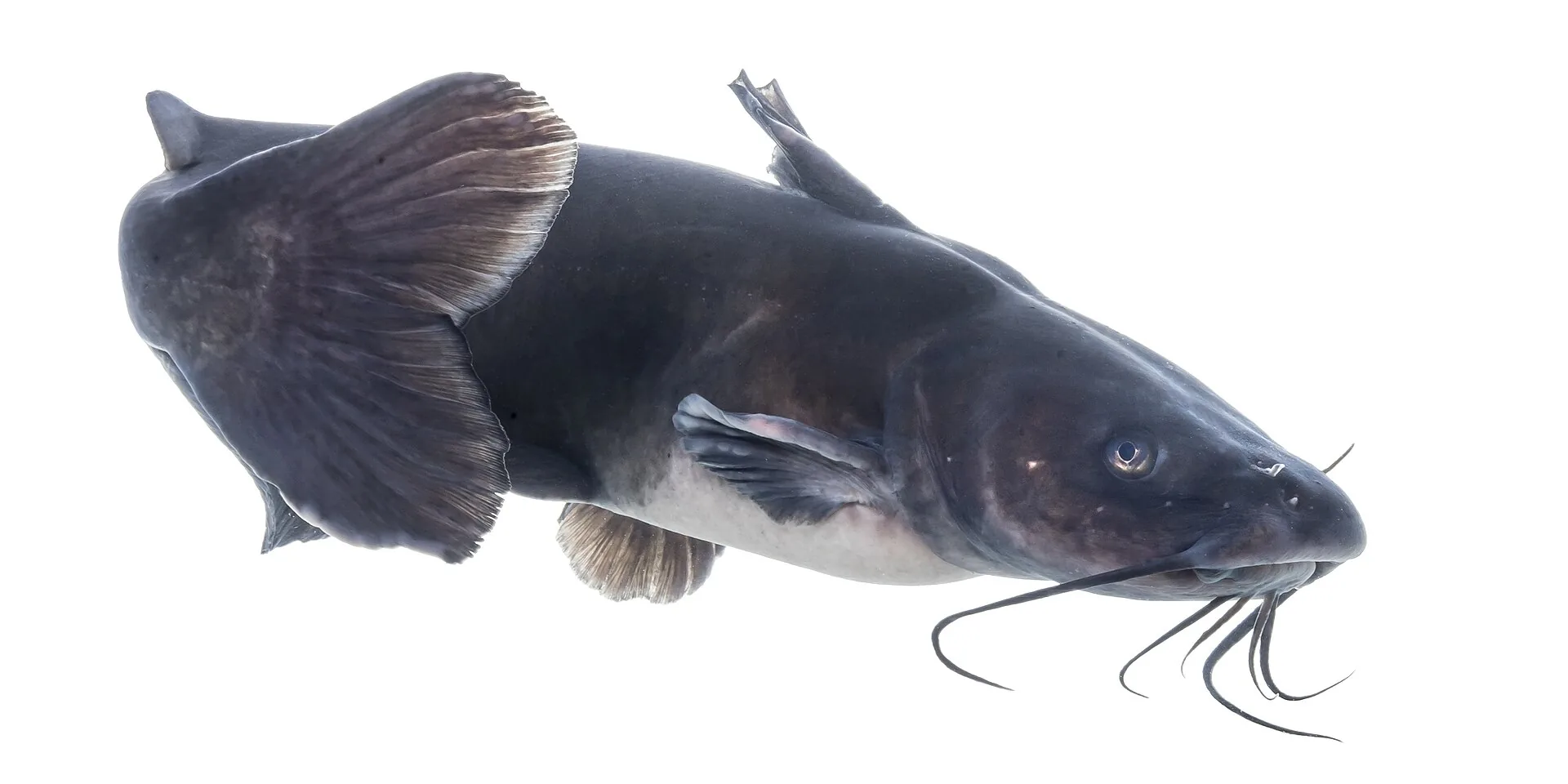
Gör betet lätt att hitta. Fisk jagar i mörkret på vibration, ljud och doft, inte syn, så ge dem ett stort mål. Mörka siluetter syns bättre mot en svag natthimmel än vad starka färger gör. Luta dig mot beten som trycker vatten eller skallrar, spinnerbaits, stora swimbaits med enkelkrok, ytbeten som väcker ytan, och luta dig mot doft. Det här är bästa tiden för mal, som spårar ett bete på lukten och följer ett stinkspår rakt till kroken i kolmörker.
Sakta ner allt. Veva långsammare, låt betena ligga längre, och låt fisken komma till betet. Det är ingen brådska efter mörkrets inbrott.
Sedan det som betyder mest. Var säker. Berätta för någon var du är och när du är tillbaka. Bär flytväst i båt eller vid vadning, inga undantag på natten. Se upp var du sätter fötterna på våt sten och branta stränder. En fisk är aldrig värd ett fall i mörkret.
Inget av det här sätter en fisk på kroken. En sval, stilla sommarnatt laddar tärningarna hårt till din fördel, men det är fortfarande du, ett bra bete och tålamod på rätt vatten. Förhållandena flyttar oddsen. De placerar inte fisken.
Den sista biten är där napp gör sitt jobb. Knappa in din närmaste sjö eller kust så läser den det aktuella vädret rakt genom nattens timmar och rankar hur troligt det är att varje art hugger just nu, med resonemanget visat i stället för en naken siffra, så att du vet om natten är värd resan innan du packar bilen. Bläddra bland dina lokala regioner eller bara ditt närmaste vatten. Gratis, ingen inloggning, på napp.fish.
Foton: Mr. Tickle, CC BY-SA 3.0