Bass Fishing: Cloudy Day vs Sunny Day
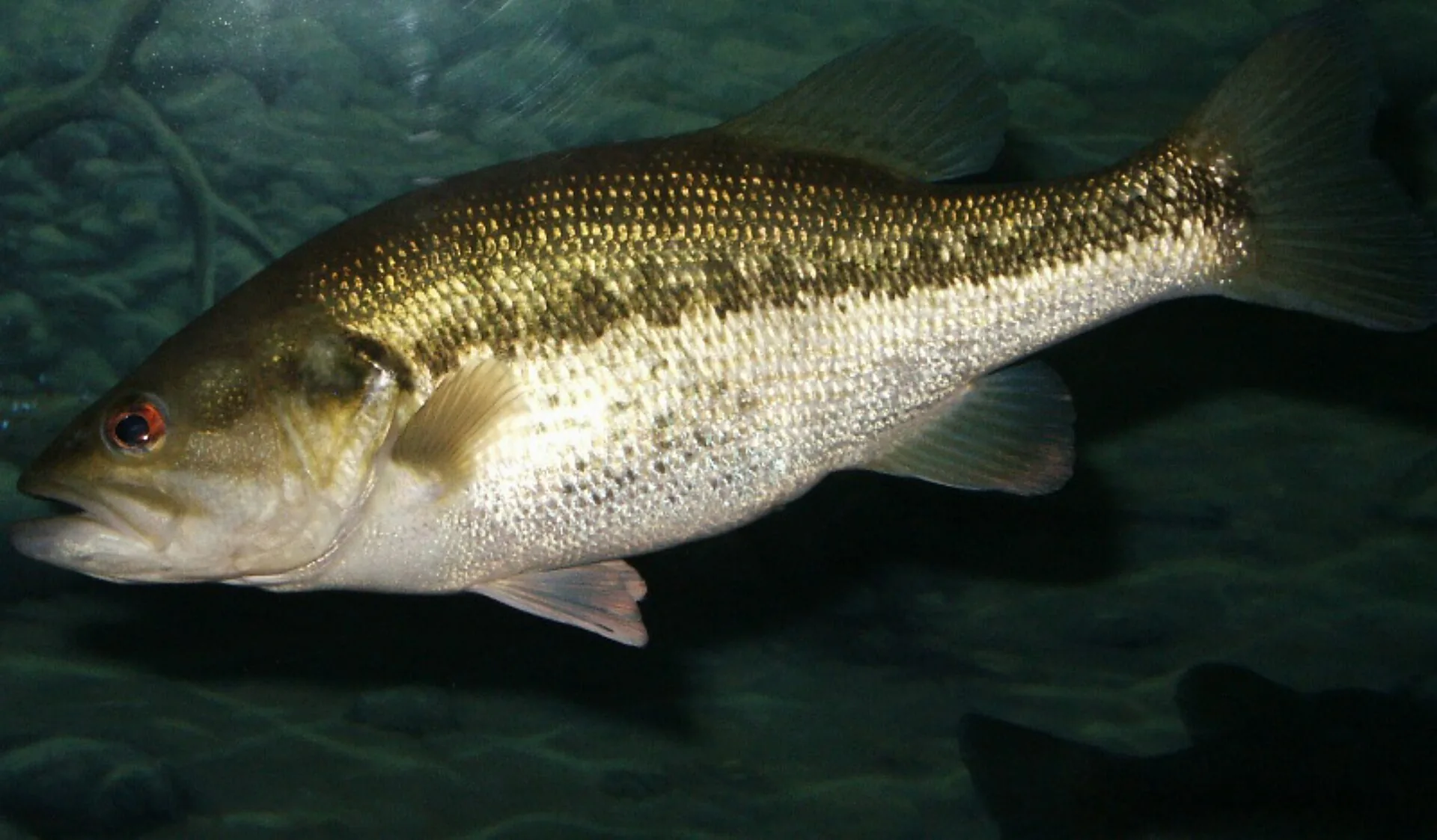
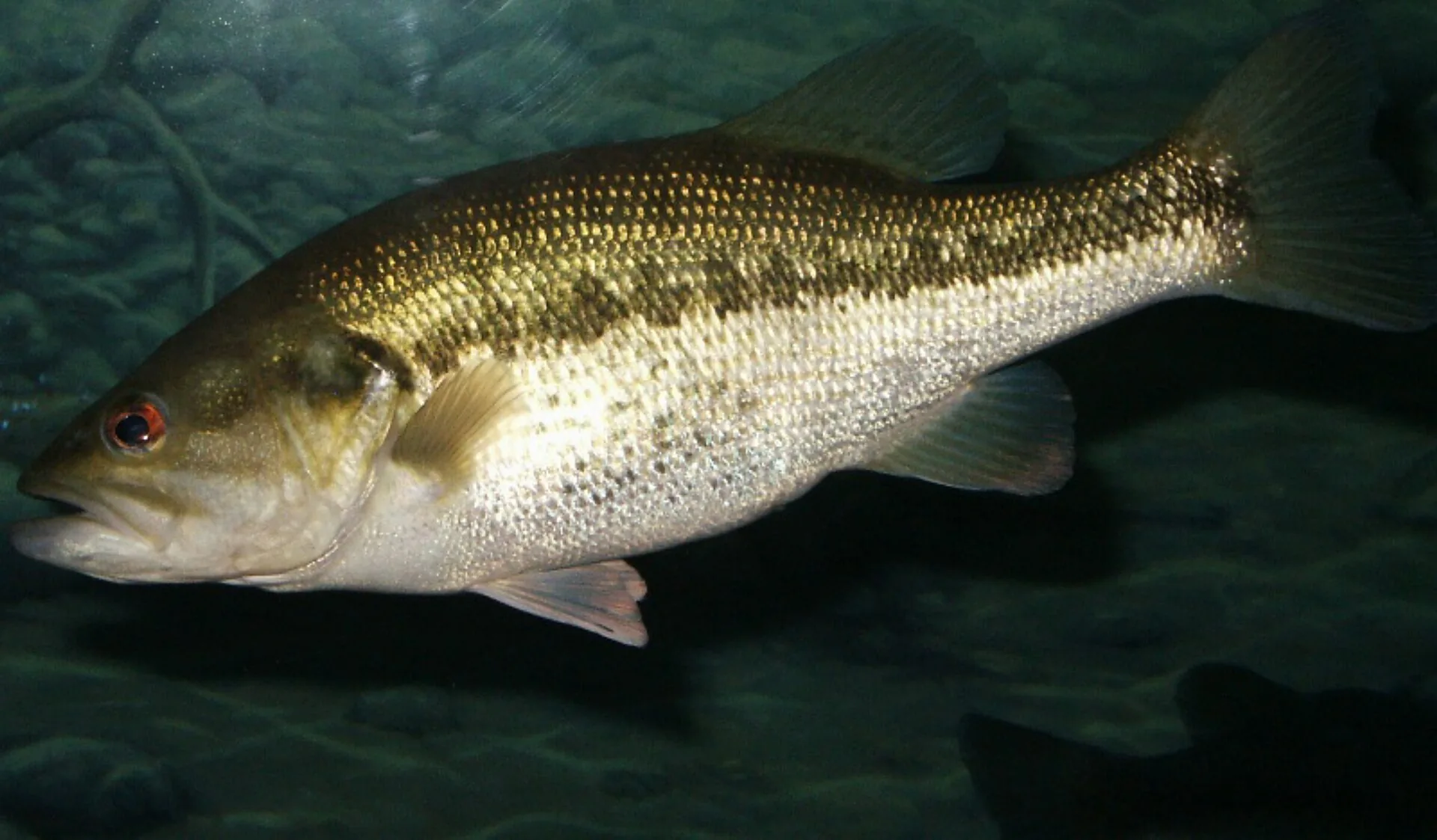
Same lake, same bass, two different fish depending on what the sky is doing. Ask ten anglers whether cloudy or sunny is better for largemouth and most will say cloudy, and they are usually right, but both days can produce once you know what cloud cover changes: where a bass sits, and how far it will move for your lure. This is not about fronts or rain, those are their own topic. It is narrower: on an ordinary day, what does the amount of light hitting the water do to a largemouth, and what should you tie on because of it.
Why light, not comfort, decides where a bass sits
A largemouth is an ambush predator. It does not cruise open water hunting like a shark. It picks a piece of cover, a dock post, a weed edge, a laydown, and waits for something to swim close enough to eat in one lunge. The strategy depends on the bass seeing the prey before the prey sees the bass.
Bright, direct light works against that. In clear water under a high sun, a shad or bluegill can spot a bass from a distance and avoid it, so the bass tightens up and tucks into the darkest slot of cover it can find. It is not hiding from the light because the light hurts. It is hiding because bright light kills its hunting edge.
Overcast flips that. A gray sky dims the water column evenly, so prey cannot pick the bass out from far off the way it can on a bluebird day. The ambush advantage stretches across more water, and the bass no longer needs to sit glued to one log to use it. It can leave cover and go find a meal instead of waiting on one.
The "sunlight hurts a bass's eyes" myth
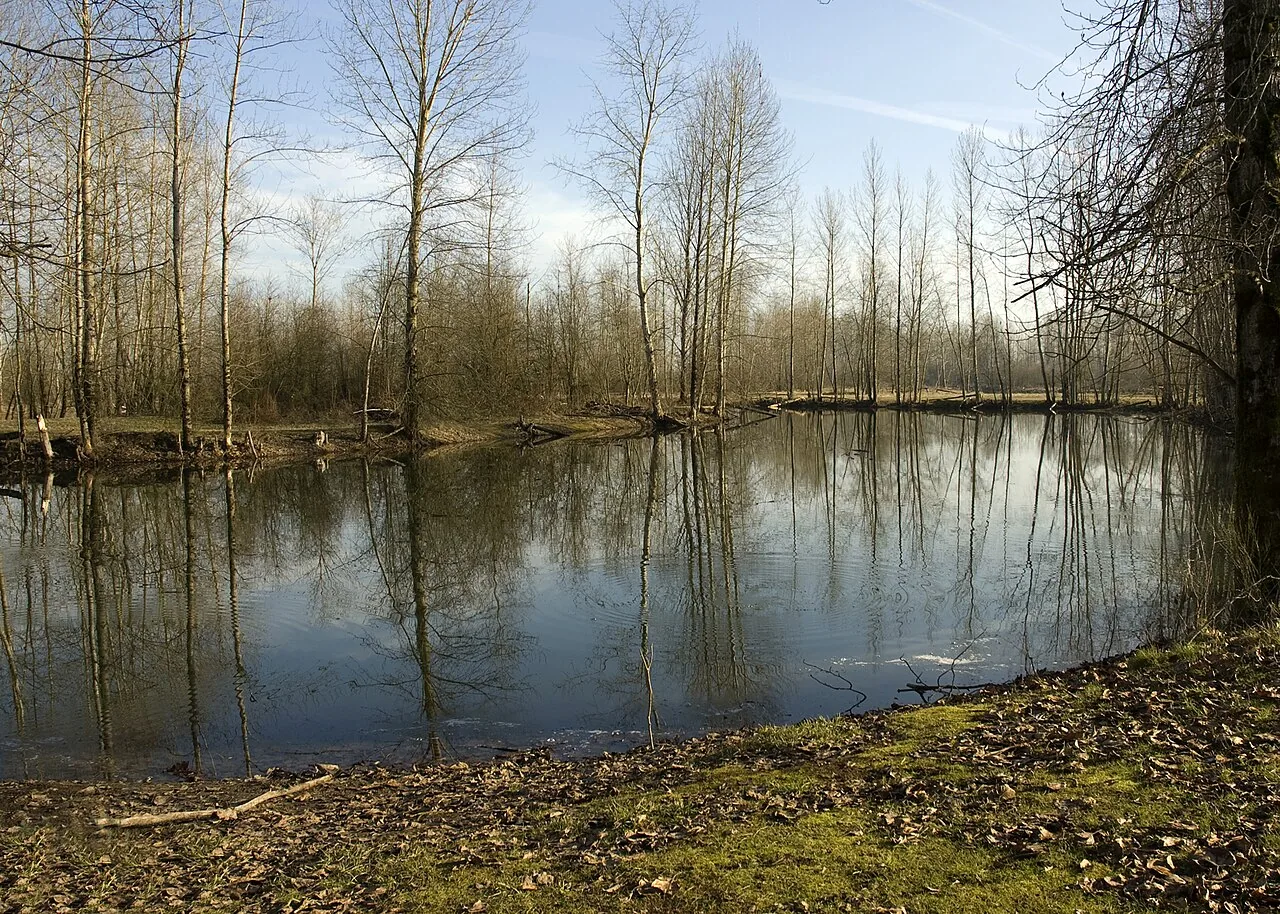
You will read this constantly, that bass duck into shade because sunlight injures their eyes. It does not hold up. A largemouth will boil on shad at the surface at high noon and spawn on a bed in a foot of clear water under a cloudless sky without a hint of discomfort. Neither is the behavior of a fish avoiding light.
What is true is the ambush math above. Shade is not a pair of sunglasses, it is a blind. The bass uses it to get close to prey unseen, the way a hunter sets up downwind of a trail instead of out in the open. Get that right and the lure choice follows: on a bright day you are placing a bait inside the one ambush window the fish has left, not comforting it.
Fishing the overcast day: move fast, cover water

When the sky is socked in gray, bass are willing to come to you. That is the day for moving baits: a spinnerbait through open water, a chatterbait along a flat, a squarebill crank banging off stumps, a swim jig past the grass edge. Cover water at a steady pace and let a roaming bass react before it thinks twice.
You can fish further from cover with confidence on a cloudy day. A bass sitting fifteen feet off the nearest laydown is still very catchable. That same fish, under a bright noon sun, has probably slid back against the wood.
Fishing the bluebird day: slow down, go to the shade
Under a hard, cloudless sky, stop looking for roaming fish and hunt shade lines instead: the darkest shadow under a dock walkway, a laydown with branches still in the water, the shadow line where a weed bed meets open water. That is where the bass is parked, not coming out to chase.
So slow down and put the bait on its doorstep instead of hoping it crosses the room. A Texas-rigged worm or a jig, pitched tight to the shade and left to sit, out-fishes a fast bait on a bright day. Skip it under the dock, not around it. Two inches inside the shadow versus two feet outside it is often the whole difference.
Wind helps here more than anywhere. A ripple scatters light the same way a cloud does, so a breezy bluebird afternoon fishes softer than a dead-calm one. Sun plus glass-calm water is the toughest combination there is.
Reading the sky before you load the truck
None of this needs to be a guess at the ramp. napp reads live conditions, cloud cover included, at the spots nearest you and ranks which fish are most likely biting right now, bass included, with the reason shown. Pair that with best time of day to fish, since a cloudy midday and a sunny dawn fish almost the same way for the same reason.
Two different bass, two different games, same lake. On a gray day you go find them. On a bright one, you make them come to the door. Check the sky, then check napp for the nearest water and what is biting right now, free and with no login, at napp.fish. Or browse waters near you on the regions page and pick your spot before you decide which rod to grab.
Photos: Robert Pos, CC BY 2.0 · Oregon Department of Fish & Wildlife, Public domain · Biswarup Ganguly, CC BY 3.0