Best Time to Catch Walleye: Cloudy vs Sunny Day
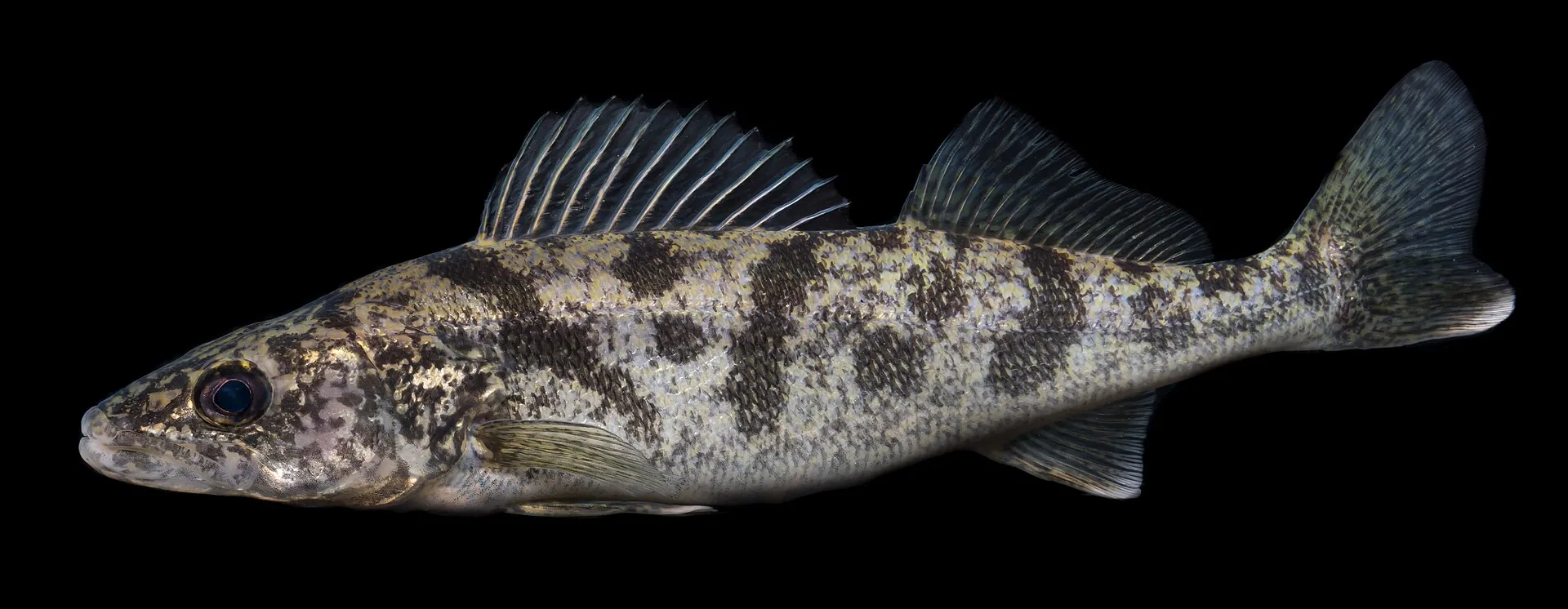
Ask ten walleye anglers whether they would rather fish under a gray sky or a bluebird one, and nine say gray without blinking. The tenth switched to smallmouth for the day. There is a real, testable reason for that lopsided vote. A walleye's eye is built to hunt in the dark, and cloud cover decides how much of that advantage it gets to use. Read the sky right and you already know two things before you tie on a lure: how far off bottom to fish, and how fast to move.
The walleye eye is built for the dark
Walleye carry a mirror behind the retina, the tapetum lucidum, that bounces light back through the light-sensing cells for a second pass. It is the same structure that makes a deer's eyes flare in headlights. In dim or stained water, that mirror lets a walleye pick out a shiner or a perch that genuinely cannot see the walleye coming. The prey is half-blind, the predator is not, and that mismatch is the whole engine behind the bite. It has nothing to do with hunger on a clock.
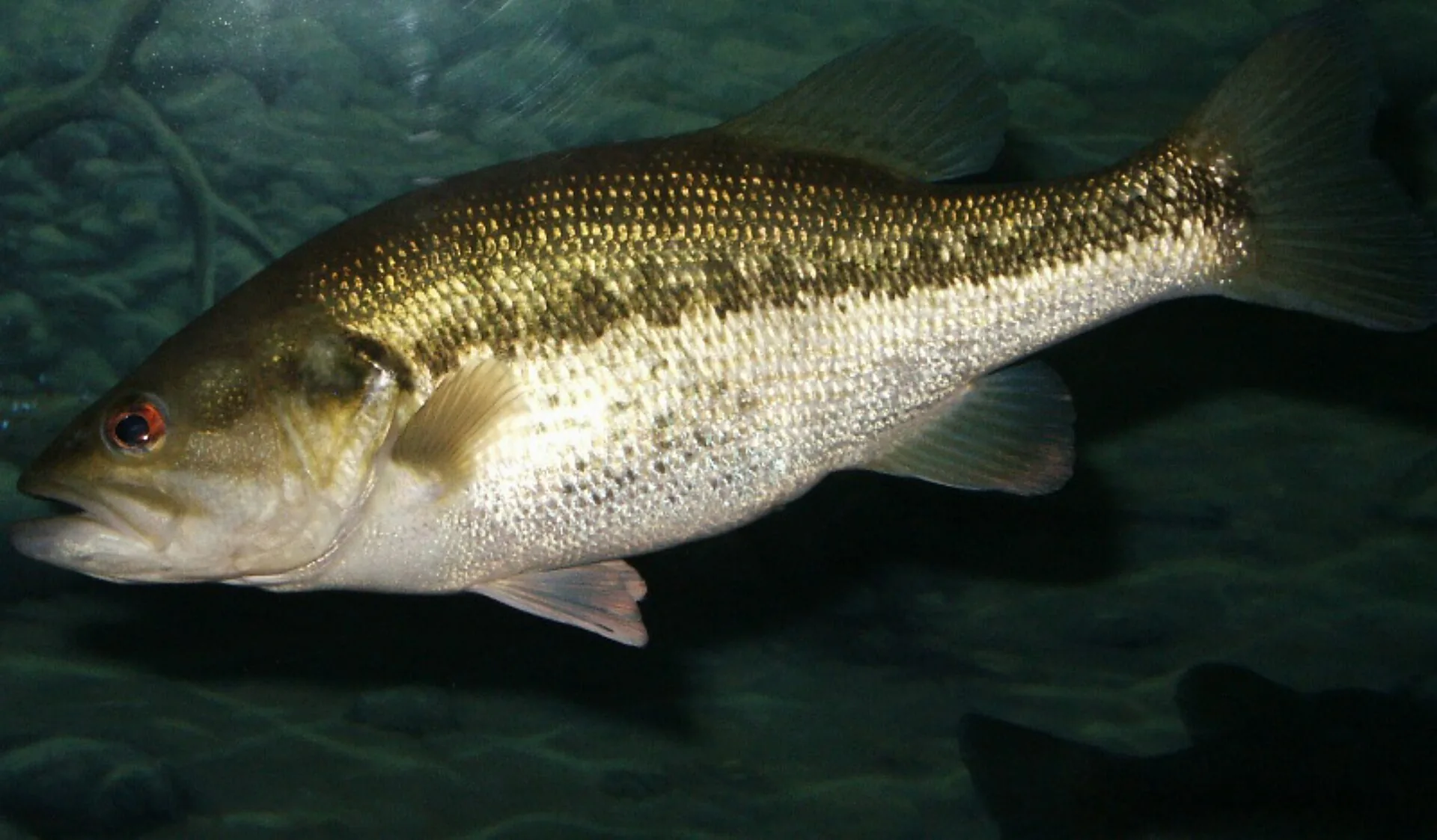
Bright, clear sun erases the mismatch. Flood the water column with light and the baitfish can suddenly spot the ambush setting up, so the walleye backs off the open flats and tucks into the one dark seam it can find. Bass and panfish do not fight this problem nearly as hard, their eyes are built for daylight hunting, which is why a lake can carry a great bass bite and a dead walleye bite on the exact same bright afternoon.
Cloudy, chop, and stained water: walleye spread out and hunt
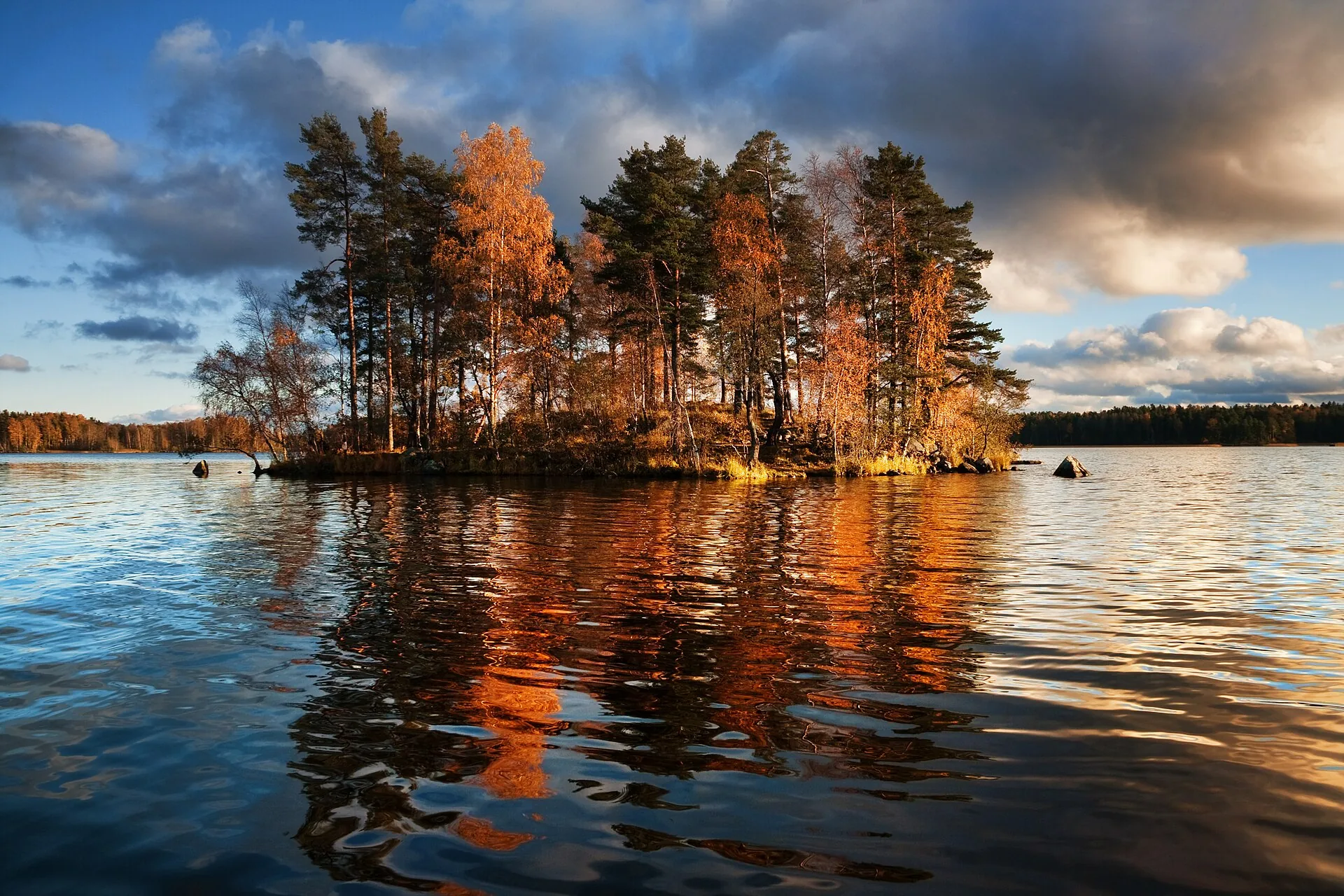
Put a lid of cloud on the sky, or enough wind to build a chop, or a little color in the water, and the low-light edge holds all day instead of thirty minutes at sunrise. Walleye respond by leaving structure. They roam suspended over flats, cruise the top of a reef, and push up onto shallow sand that would feel exposed under a bright sky.
That is your cue to cover water. Troll a crankbait or a spinner rig down a breakline, cast a blade bait across a flat, or work a swimbait fast through open water. You are hunting fish that are willing to travel to eat, not dropping a bait on one fish's nose. A stiff wind pushing into a shoreline, the classic "walleye chop," is often the single best hour you get all week, cloud or no cloud, because the surface disturbance does the same job as an overcast sky.
Bluebird sun: walleye go deep and tight
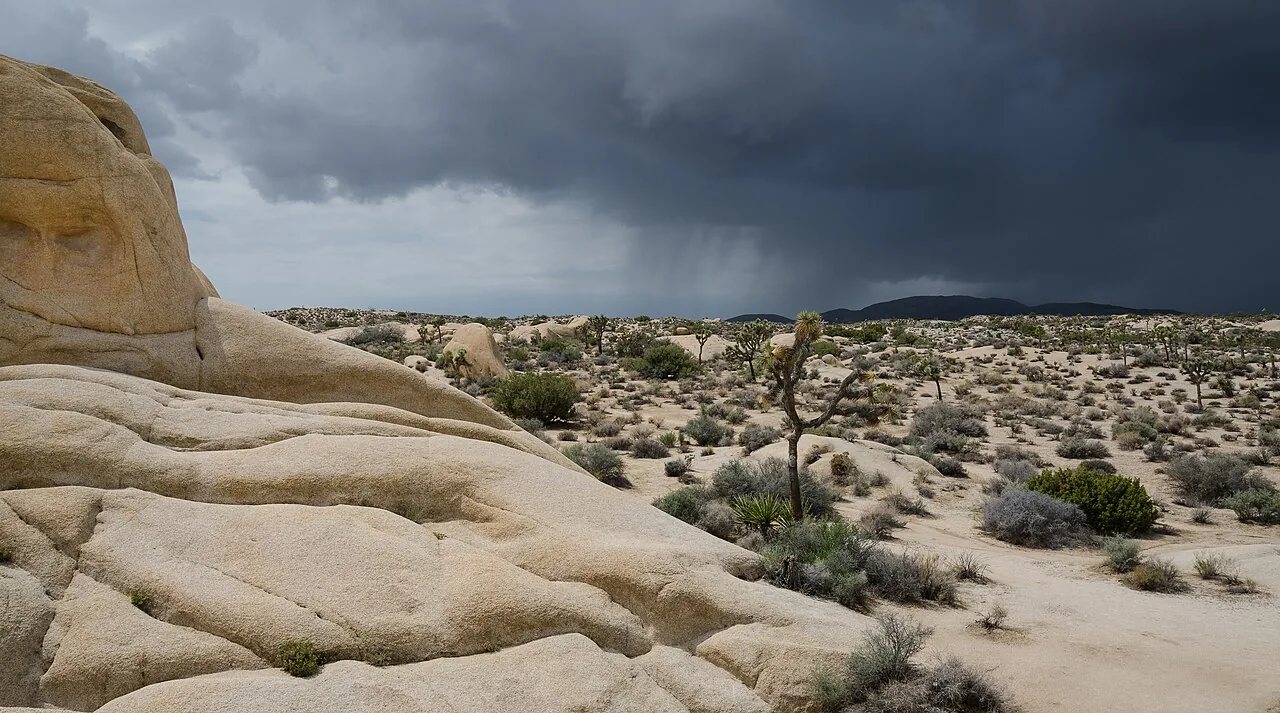
A calm, cloudless day flips the whole plan. Walleye slide off the flats and down onto the nearest hard structure: a rock pile, a deep weed edge, the base of a breakline. They stick to it and will not chase far. Slow down and put the bait right on their head, a live-bait rig crawled along bottom, a jig dragged instead of ripped, a slip bobber suspended just above a marked school.
The bite does not vanish on a bright day, it shrinks. Dawn and dusk, when the sun sits low enough to cut its own edge off the water, become the real windows, and everything in between is a grind. Fish deep, fish slow, and save the fast search baits for the next cloudy day.
Turn napp's cloud reading into a go-fast or go-deep call
This is exactly the decision napp is built to shortcut. Pull up your nearest water and check the live cloud cover and water temp for right now, then look at which species napp has ranked as biting. Heavy cloud or a stiff chop at your closest lake means go shallow and fast: flats, points, open water, moving baits. A clear, calm reading means go deep and slow: breaklines, rock, the shade side of any structure you can find. napp also tags the time of day, dawn, day, or dusk, for that same water, so you can line the light reading up with the clock instead of guessing.
Worth saying plainly: none of this is a license or season rule. Always check your state or provincial regulations separately. napp's likelihoods are a fishing guide, not a legal one.
If you want to see this play out on real water, browse walleye lakes and rivers by state on the regions page, or start with a walleye stronghold like Minnesota and check what's biting near you right now. It is free, no login required, at napp.fish.
Photos: USFWS Mountain Prairie, Public domain · Osmo Lundell, CC BY-SA 4.0 · Lavanya.sanganeria, CC BY-SA 4.0