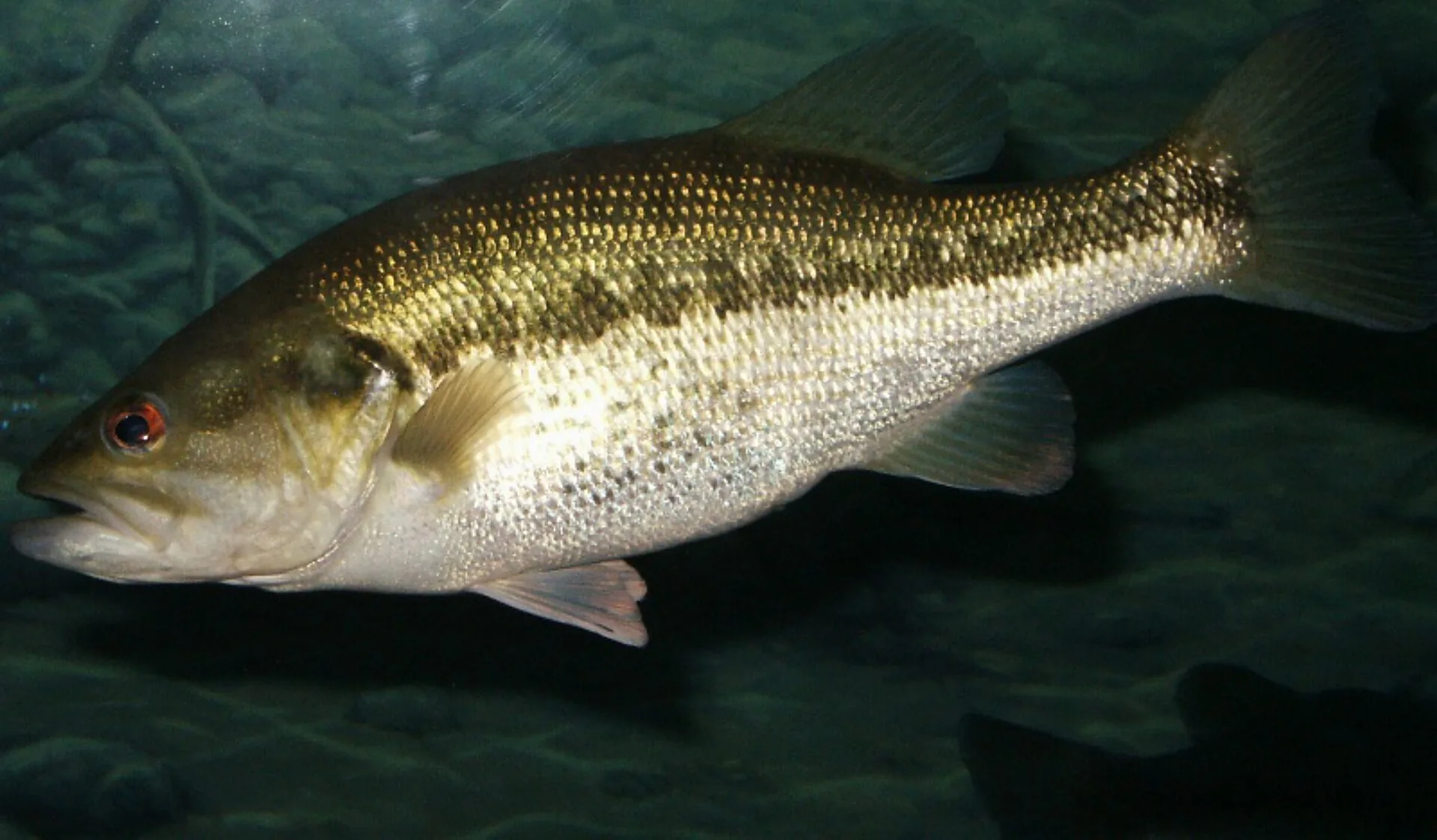
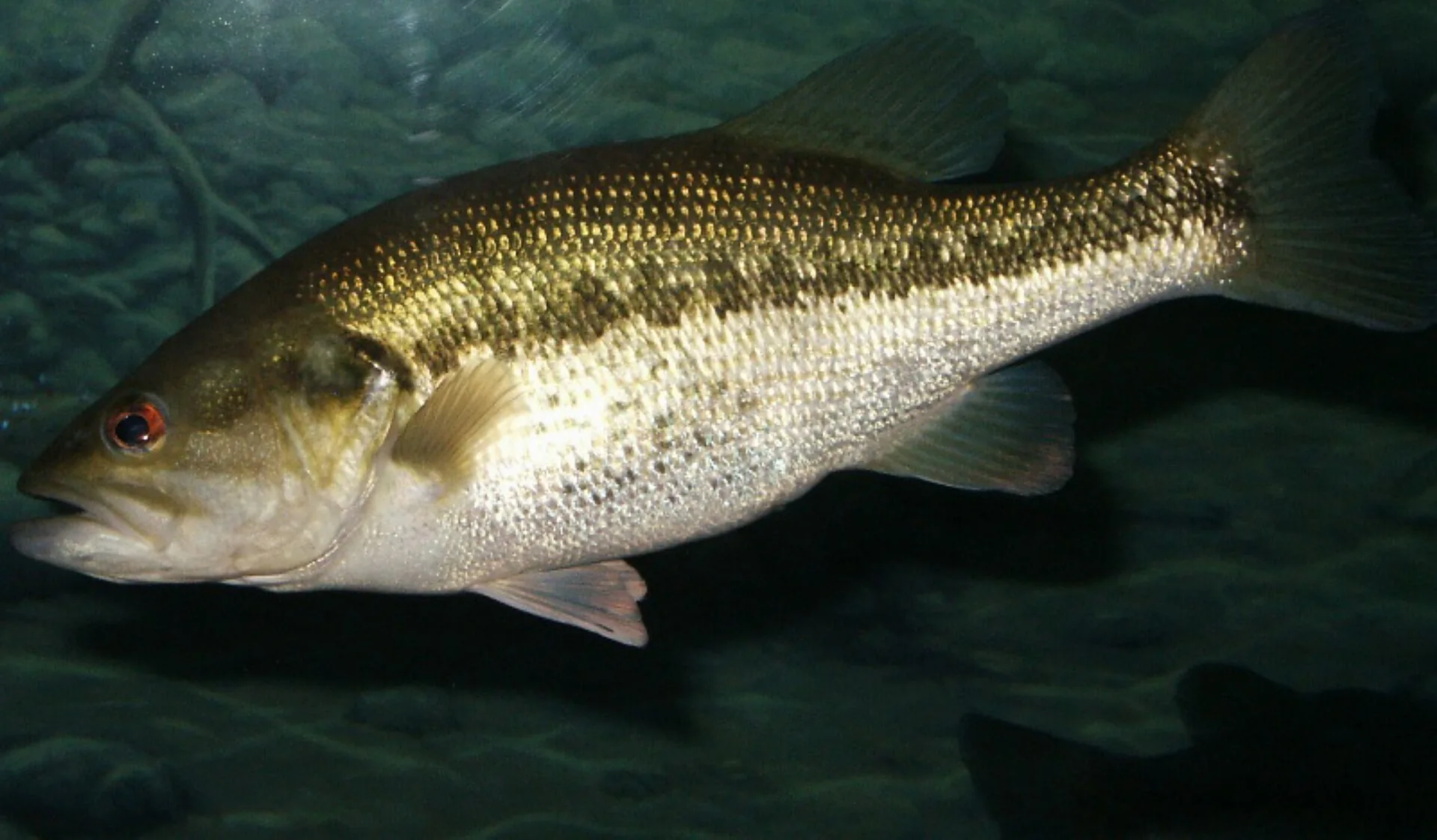
How to Fish a Farm Pond for Bass and Bluegill
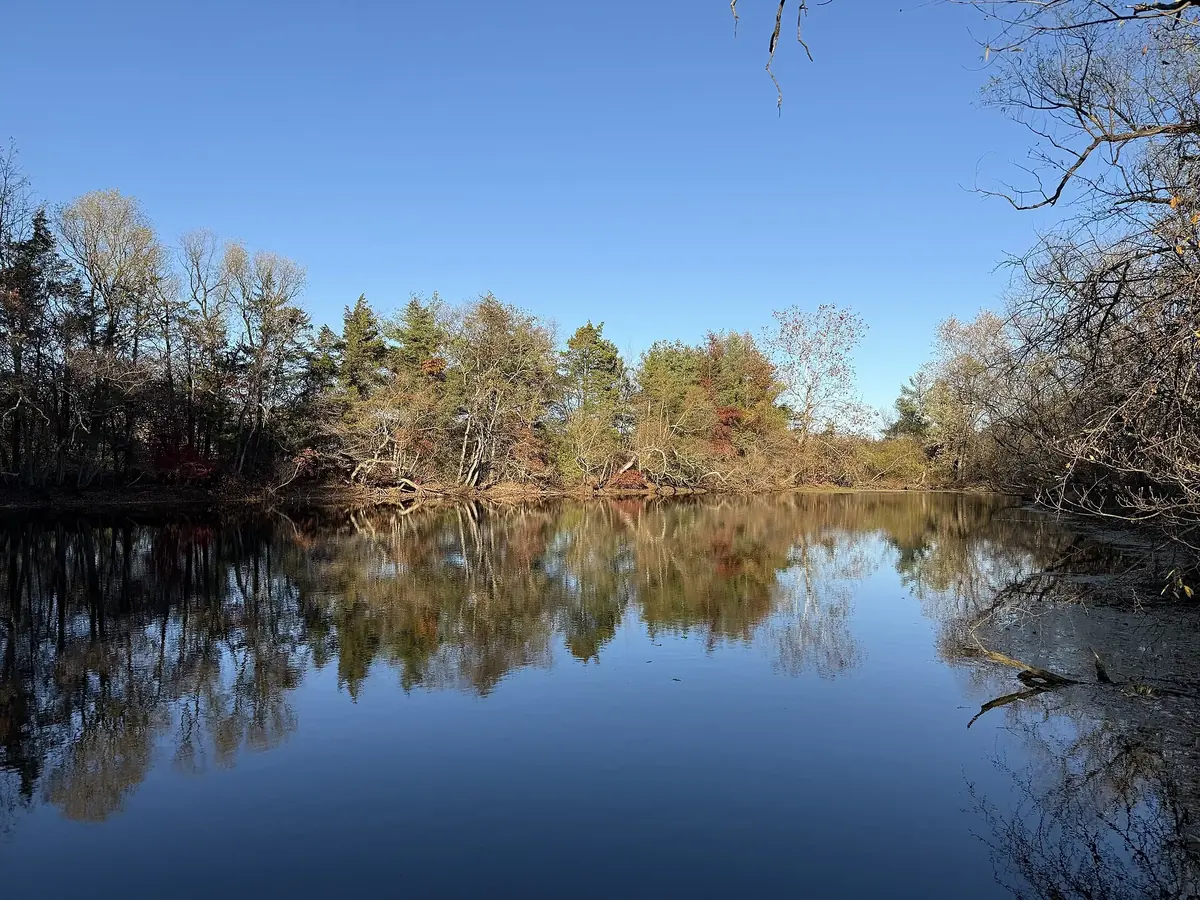
More Americans learned to fish on a farm pond than on any lake. It makes sense. A pond is close, it is quiet, and it is small enough that you can walk the whole bank before dark. The fish cannot go far, so every cast is in range of something.
That is also the catch. Small water means the fish see every bait the owner's nephew ever threw, and a pond changes faster than a lake when the weather does. Here is how to read one quickly and fish it well.
Ask first, then read the rules
Most farm ponds are private. Knock on the door, ask, and ask what the owner wants kept and what goes back. Check your state's license rules too, because many states still require one on private water.
Read the pond in five minutes
A farm pond is usually a dammed draw or a dug hole, and the dammed kind has a predictable shape. The dam is the deep end. The far end, where the old creek or ditch comes in, is the shallow end, often with a flat and a weedy fringe. The sides slope between the two.
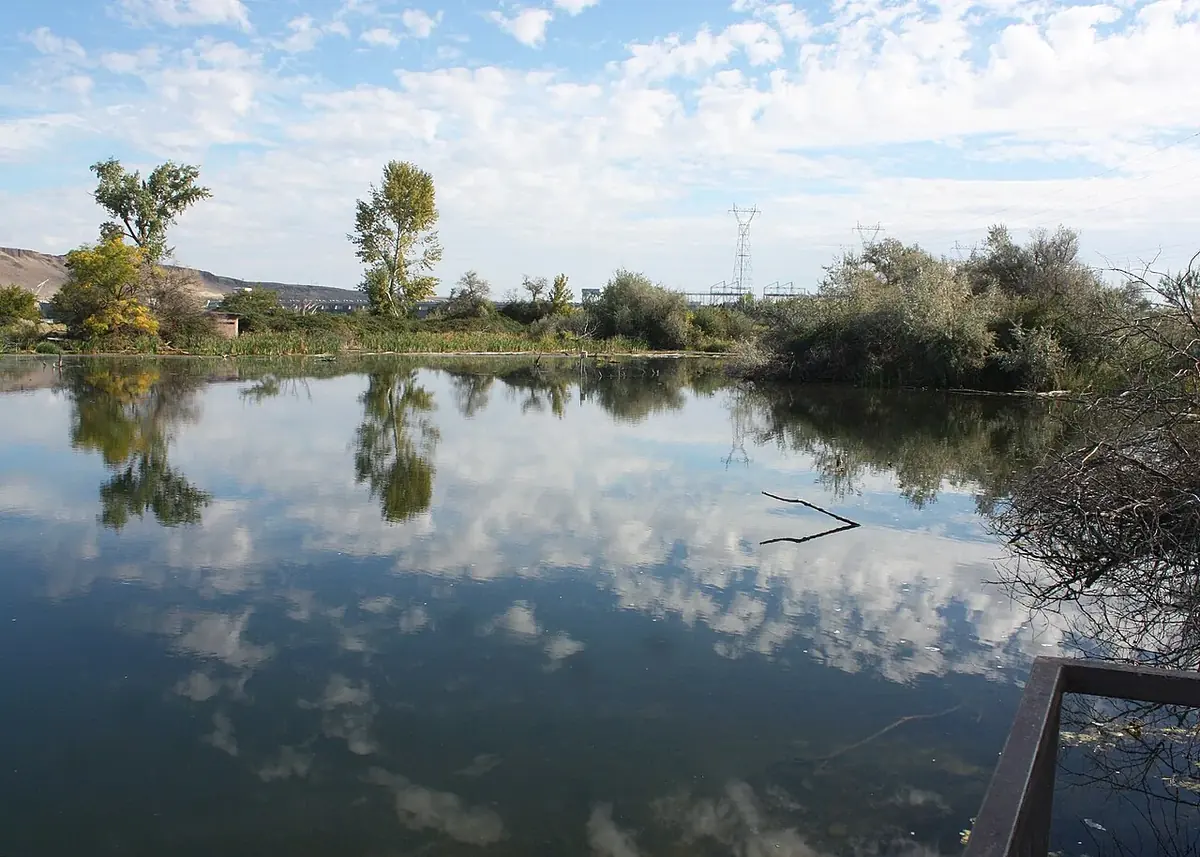
Fish the edges of those zones, not the middle of them. The inflow brings cooler, oxygen-rich water and a trickle of food, and bass sit right where it washes in after a rain. The dam gives you the deepest water within a cast of the bank. Anything that breaks up a plain bank is worth three casts: a fallen tree, a patch of lily pads, a weedline, a dock post. The same habits that make reading a lake work apply here, just compressed into a few acres.
Skip the bank that cattle have trampled into mud. The Kentucky Department of Fish and Wildlife says ponds used heavily as cattle watering holes hold fewer fish, and some hold none at all.
Bass: downsize in clear fall water
Fall is the most underrated time on a pond. Kentucky's fisheries writers point to October and November as prime, because the water cools, the bass feed hard, and almost nobody is fishing. Fall is also dry, so pond water clears, and clear water is where smaller baits win.
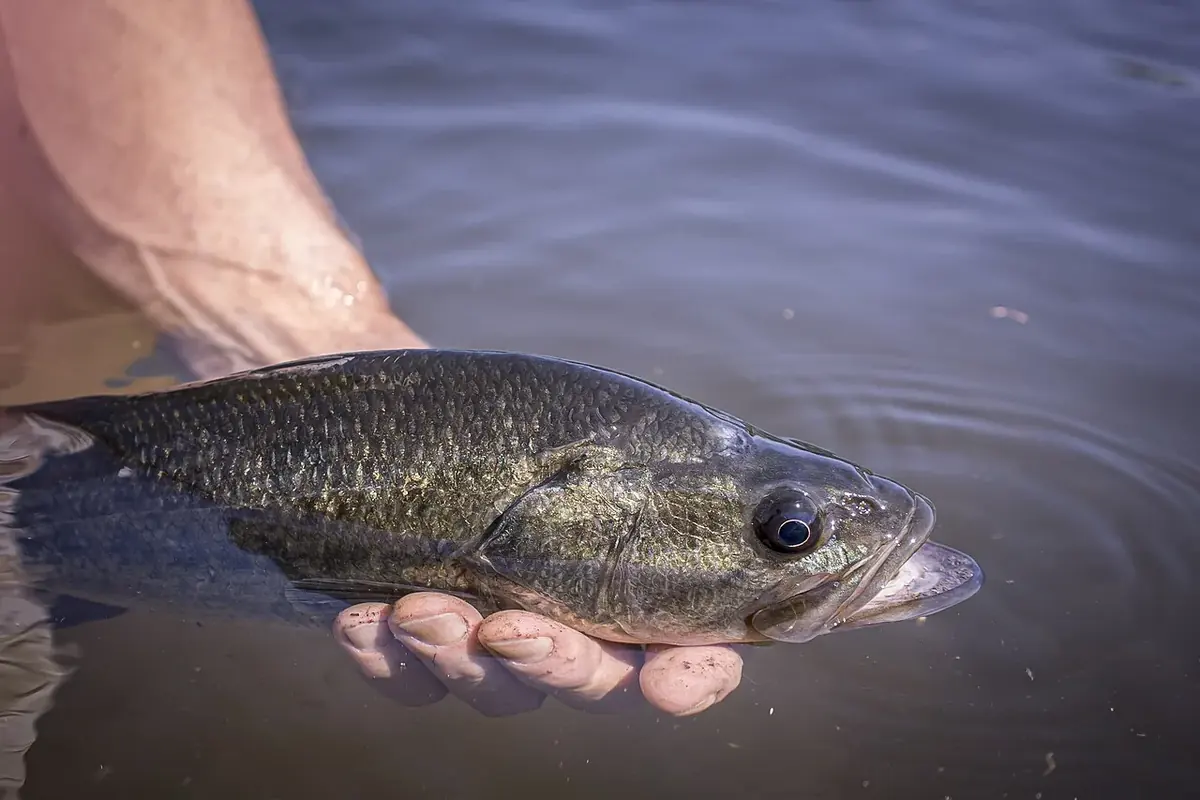
Start moving. A quarter-ounce spinnerbait along the weed edge, or a quarter-ounce lipless crankbait cast as far as you can over the middle with a medium retrieve and the rod tip up so it does not dig in. If nothing chases, slow down to a weightless soft stick bait rigged weedless, which falls so slowly a sulking largemouth bass often cannot leave it alone. Early and late, a small popper worked stop-and-go near the dam or a sunken limb gets hit while it sits still.
One trick from a Kentucky pond regular: when bass ignore everything, tie on a two-inch curly-tail grub meant for crappie. You will catch bass, big bluegill, and the odd catfish on it.
Bluegill: small hooks, short leash
Bluegill are the reason ponds exist for most kids, and the reason a lot of adults keep coming back. Use a small hook, a size 8 or 10, a piece of worm or a cricket, and a little bobber set two to four feet deep. Cast tight to cover and let it sit.
The bigger fish, the ones that feel like a dinner plate on light line, hang a bit deeper along the outside of the weeds. If you are catching nothing but palm-sized bluegill, move the bobber down a foot and work the deeper edge.
Keep a few. It helps the pond.
This surprises people who release everything. Oklahoma State University's pond guidance says putting every bass back is one of the most common mistakes owners make. Too many small bass eat the pond out of small bluegill, and the result is a crowd of skinny 11 and 12 inch fish. Their recommendation in a balanced pond is to take some bass under 12 inches, return everything from 12 to 18, and harvest bluegill freely.
If the owner agrees, keep a few small bass and a mess of bluegill. The fish you leave behind grow better for it.
When to go
Shallow water heats and cools faster than a big lake, so a pond reacts to the weather within a day. After a cold night, the afternoon is usually better than the morning. A warm, stable stretch in fall is when ponds fish best, and the day after a cold front is when you go small and slow.
napp shows the air temperature and an estimated water temperature for nearby public waters. Treat that estimate as a lake number. A small pond runs a few degrees ahead of it in a warm spell and behind it after a frosty night. The weather trend on a spot page matters on a pond as much as on a reservoir.
napp will not list your neighbor's pond, but it does list the public lakes and rivers near you with live conditions and a ranked, plain-language read on which fish are most likely biting right now. Browse them by area on the regions page. Free, no login.
Photos: Famartin, CC BY-SA 4.0 · USFWS Mountain Prairie, Public domain · Oregon Department of Fish & Wildlife, CC BY-SA 2.0