Mulet eller soligt: vad är bäst för fisket
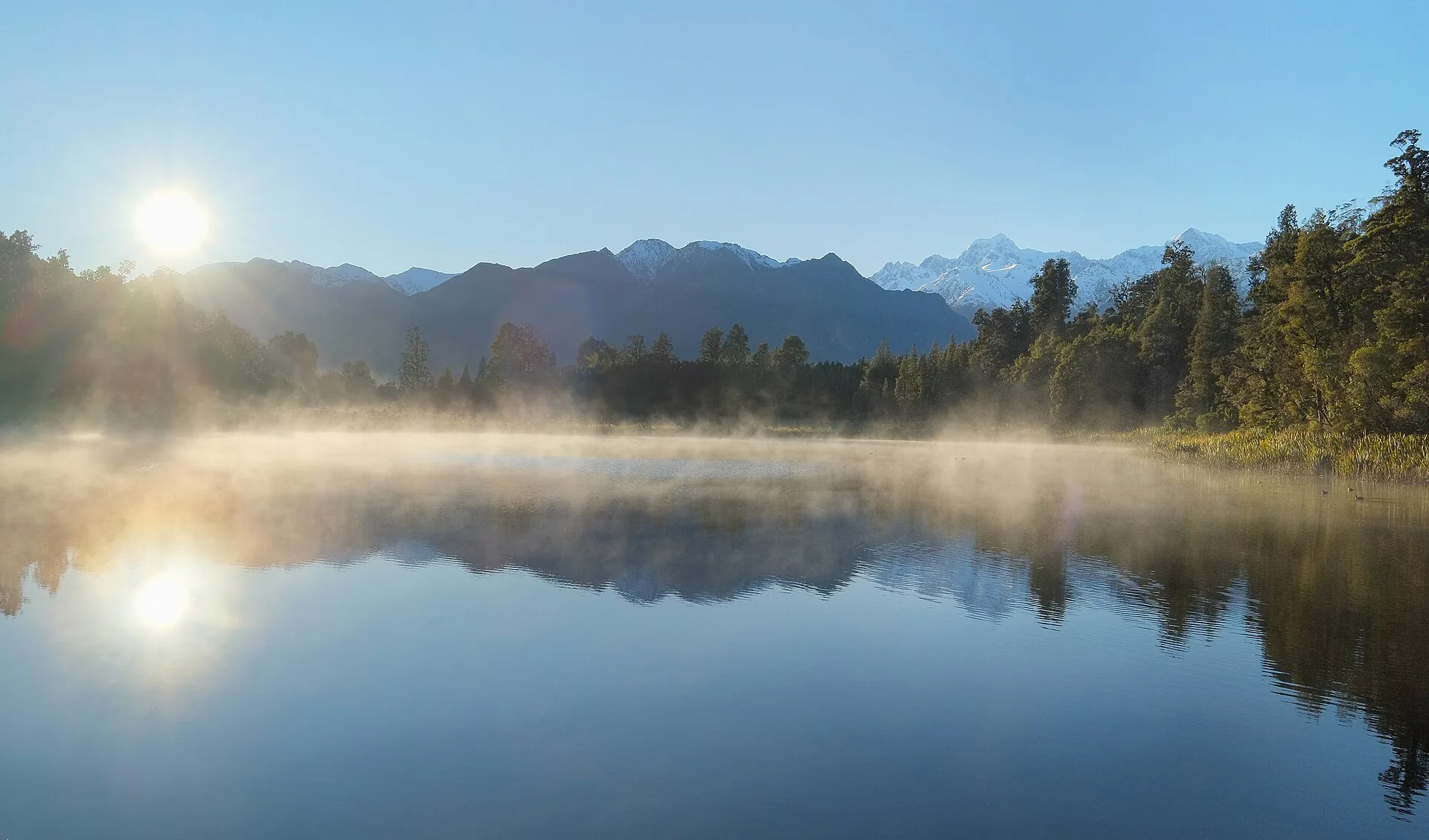
Den vackraste dagen att vara på vattnet är oftast den sämsta att fiska. Spegelblankt, inte ett moln på himlen, solen högt och varmt. Det känns som fiskeväder. Det är picknickväder. Fisken läser samma himmel som ett strålkastarljus över matsalen, och den svarar med att bli tyst, gå djupt och trycka tätt intill skuggan.
Glöm barometern och månen en stund. En vanlig dag är det ljusmängden som träffar vattnet som gör mest av jobbet. Molntäcket är den billigaste, snabbaste avläsningen av det ljuset, och ljus är den tysta huvudströmbrytaren bakom hälften av alla väderråd du någonsin hört.
Ljuset är strömbrytaren, molnet är ratten
De flesta fiskar värda att jaga i sötvatten är bakhållsrovfiskar, och bakhåll handlar om vem som ser vem först. Gös, walleye, gädda och i hög grad black bass jagar med ett synövertag i svagt ljus. Gösen är skolexemplet: bakom näthinnan bär den ett reflekterande skikt, tapetum lucidum, som ger den en andra chans på varje ljusstrimma, så i grumligt vatten ser den en betesfisk som inte ser den tillbaka. Den obalansen är hugget, inte hunger efter ett schema utan bakhållet som blir enkelt.
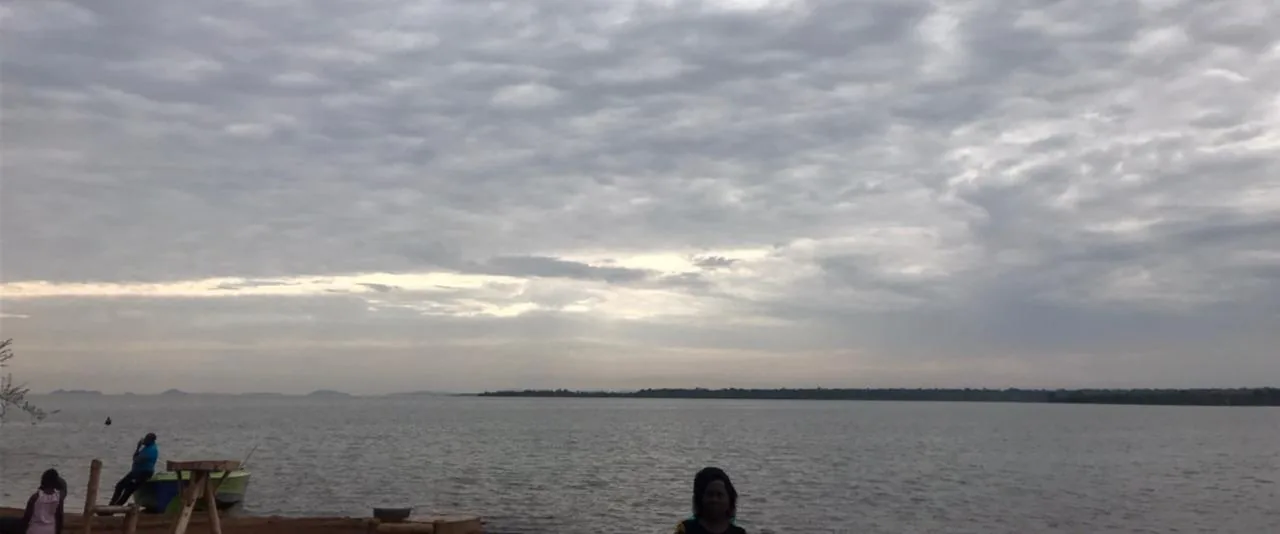
Starkt solljus suddar ut det övertaget. Fyll klart vatten med ljus så ser bytet rovfisken komma, och då slutar rovfisken ströva och ställer sig i det enda mörka läge den hittar, under en brygga, ett nedfallet träd, en vassrugg, skuggsidan av en kant. Molnet gör tvärtom. En grå himmel dämpar hela sjön, övertaget i svagt ljus kommer tillbaka, och det håller hela dagen i stället för tjugo minuter i gryningen. Håll fast vid den tanken: en mulen dag fiskar som en gryning som aldrig tar slut.
En mulen dag är en gryning som varar hela dagen
Under tungt molntäcke lämnar rovfiskarna skydden och rör sig fritt. De står högre, drar upp på grunda platåer och flyttar sig flera meter för att jaga ett bete. Så beta av vatten. Reaktionsbeten gör nytta nu, ett spinnerbete, ett chatterbait, en squarebill-wobbler, ett ytbete som håller sig i spel långt efter det vanliga gryningsfönstret. Du sätter ett rörligt mål framför så många villiga fiskar du kan hitta, inte lägger ett bete på nosen på en enda fisk. Öka takten och fortsätt röra dig.
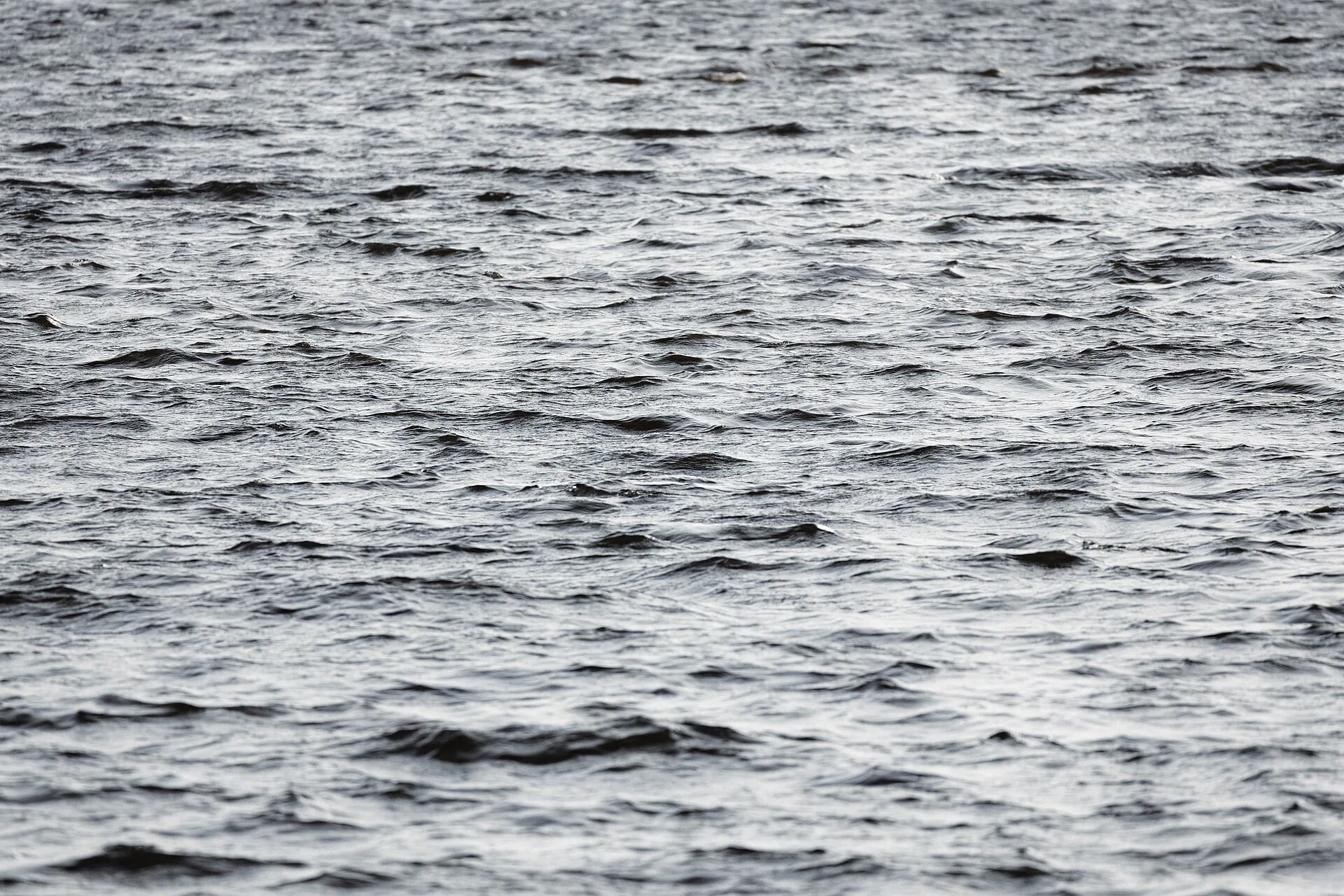
Vinden lägger sig ovanpå det här. En krabb sjö sprider och bryter ljuset på samma sätt som ett molnlager, så en solig men vindpinad strand kan fiska som en mulen. Det omvända är fällan: starkt sol på spegelblankt, kristallklart vatten är den mest skygga blandning som finns, för fisken urskiljer din båt, lina och skugga innan du ens kastat. Moln, krabb sjö och grumling är tre sätt att skära ner på samma ljus.
Starkt sol är inte förlorat, det är ett annat spel
Ett strålande högtryck tömmer inte sjön, det flyttar och omplanerar fisken. Den söker sig till tre ställen, skugga, djup och skydd, så följ med dit. Sakta ner allt, syna av samma skugglinjer och lägg betet rakt i det mörka läget, för en solbadad fisk äter det som dyker upp vid dörren men simmar inte tvärs över rummet för det.
Och släpp den gamla myten att solen skadar fiskens ögon. Det gör den inte. Skuggan är inget parasoll, den är ett jaktgömsle. Fisken står där för bakhållet, så fiska den som vatten en fisk jagar från, inte gömmer sig i.
Synjägare suddar ut regeln, och det är okej. Largemouth och smallmouth, abborre och de flesta panfish jagar bra i ljust vatten, vilket är därför black bass går att fånga mitt på en solig dag långt efter att gösen slagit av. När solen står högt, luta åt de dagaktiva arterna och jobba dem tätt intill skydd. Skydd-och-skugga-metoden i hur du fångar black bass är byggd för just en sådan dag.
När soligt faktiskt vinner
Molnet är inte alltid kung. Två ärliga undantag. I kallt vatten, under ungefär 10 grader, värmer några timmars direkt sol grundområdena en grad eller två och drar upp trög fisk för att äta, så en klar, stilla eftermiddag i senvintern är ofta dagens bästa fönster. Och en klar himmel bakom en hård kallfront är tuff oavsett vad du kastar, för ljuset är bara en pusselbit i en större avstängning.
Det är samma motor bakom det äldsta rådet i sporten. Gryning och skymning slår mitt på dagen av exakt den anledningen: ljuset avtar och bakhållsövertaget slås på igen. En mulen dag smetar bara ut det övertaget över hela eftermiddagen. När du väl ser varför svagt ljus spelar roll slutar bästa tiden på dygnet att fiska vara en regel att lära sig utantill och blir något du kan förutse, och den bredare bilden i hur vädret faktiskt tänder ett hugg lägger resten ovanpå.
Inget av det här placerar en fisk åt dig. Ljus och väder flyttar oddsen, de räcker dig inte fångsten. En grå, blåsig dag är en högprocentsdag som du fiskar snabbt och brett. En klar, stilla är en lågprocentsdag som du fiskar långsamt och tätt. Samma vatten, annat spel.
Just den avläsningen är vad napp gör åt dig. Den hämtar de aktuella förhållandena vid vattnet närmast dig, molntäcke inräknat, och rangordnar hur troligt varje art hugger just nu, med resonemanget synligt så att du kan säga emot. Stäm av himlen mot appen, eller bläddra bland vattnen nära dig på sidan regioner, gratis och utan inloggning, på napp.fish.
Foton: Lebu Ayiga, CC BY-SA 4.0