Är regn bra för fisket
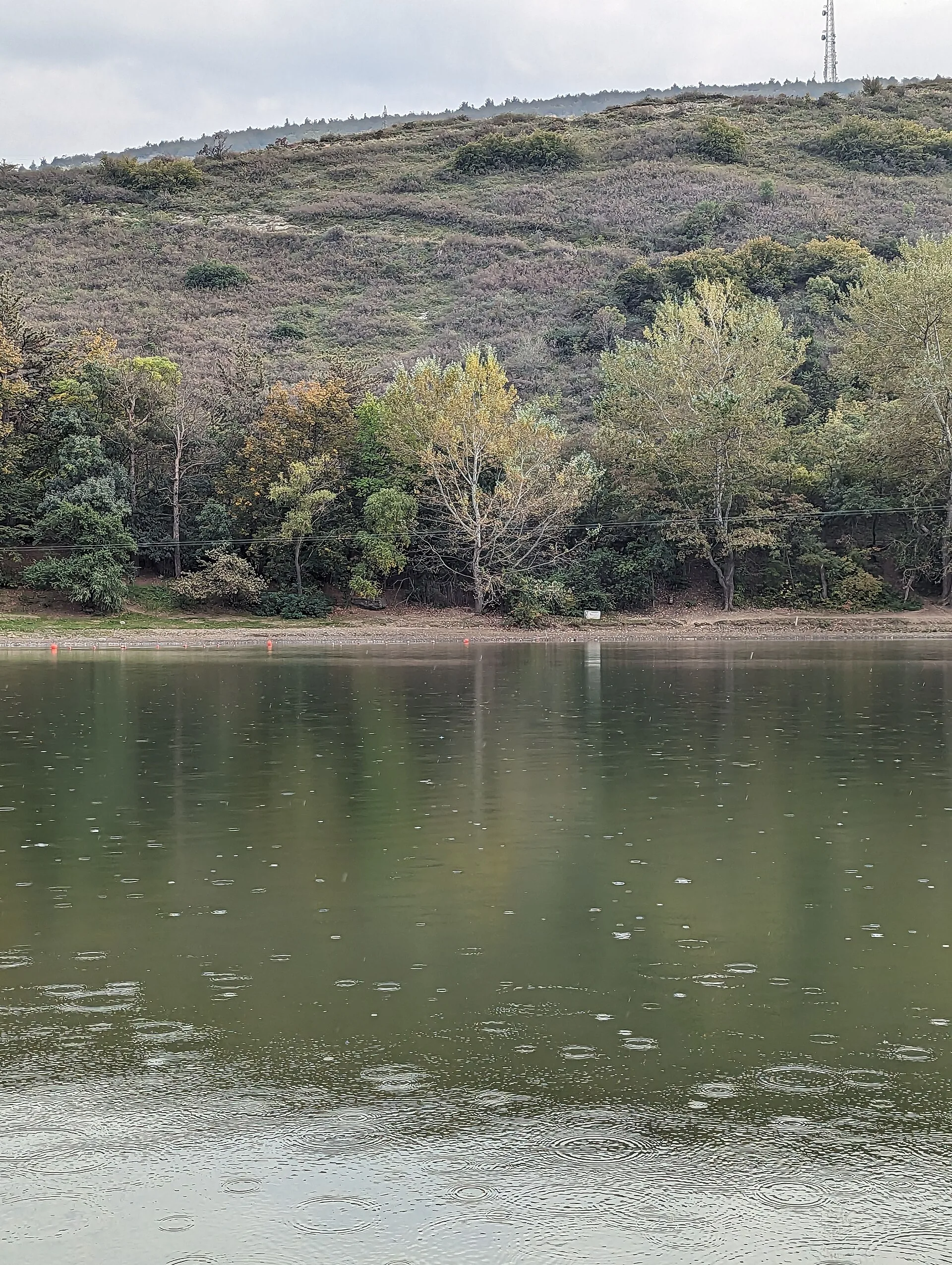
Ett varmt, mjukt regn en sommarkväll kan ge dig veckans bästa tre timmar. Ett kallt, smattrande spöregn på en svämmande å ger dig inget annat än en blöt jacka och ett fastnat bete. Samma ord, regn, två helt olika dagar. Så den slitna frasen att "regn är bra för fisket" stämmer bara till hälften, och den halva den har fel om kostar dig en kväll.
Det som avgör vilken sorts dag du får är inte om det regnar. Det är hur varmt regnet är, hur hårt det faller och vad det gör med vattnet när det väl landar.
Därför tänder ett milt regn hugget
Lätt, varmt regn är en av de mest pålitliga utlösarna som finns, och det är ingen slump. Det är flera saker som händer samtidigt.
Det bryter upp ljuset. Moln och fallande regn tar bort glittret från ytan, och smygrovfisk som gädda, abborre och öring blir djärvare i samma stund som ljuset dämpas. Det är samma fördel av svagt ljus som gör gryning och skymning till bästa tid, utsträckt över hela eftermiddagen. Mer om den mekanismen finns i hur vädret faktiskt tänder hugget.
Det bryter ytan. En prickig, bruten yta gör att en fisk som tittar uppåt inte kan urskilja din lina, din tafs eller dig som står på stranden. Fisken tappar sin försiktighet och drar in på grunt, öppet vatten där den aldrig skulle stå i blankt lugn och skarpt solsken.
Det spolar in föda. Avrinningen för med sig maskar, skalbaggar och larver från stranden ut i strandkanten, och fisken vet det. Den söker sig tätt intill inflöden och strömkanter för att plocka det som driver förbi.
Det färgar strandkanten. Lite avrinning grumlar kanten av en sjö eller å precis lagom för att ge fisken skydd utan att blända den. Det bandet av lätt grumligt vatten längs stranden blir ett matstråk.
Och det kommer oftast med fallande lufttryck. Milt regn brukar komma före en front, och det sjunkande barometertrycket som följer med sammanfaller med det ätfönster som sportfiskare jagar innan vädret slår om.
När regnet vänder sig mot dig
Nu andra sidan, för att låtsas att allt regn hjälper är precis så man slösar bort en dag.
Kallt, kraftigt regn är problemet. Ett ihållande, kyligt spöregn, den sort du får tidigt på säsongen, dumpar en klick kallt vatten på ytan och kan sänka temperaturen några grader snabbt. Det kyler fisk som redan låg på gränsen till att äta, och den lägger av. Varmt sommarregn gör tvärtom. Det rör knappt temperaturen och kyler ofta en överhettad yta precis lagom för att väcka fisken, vilket är varför ett varmvattenhugg ofta blir bättre under moln och duggregn.
Sedan har vi grumlet. Kraftigt regn dränker en å. Avrinningen färgar en klar bäck i chokladmjölkston, nivån skjuter i höjden och strömmen fördubblas. Efter en viss punkt kan fisken helt enkelt inte hitta ett bete, och den drar sig undan strömmen för att vänta ut det. En å kan gå från perfekt till ofiskbar på några timmar, och dagen efter ett stort regn ger ofta bättre fiske än själva regndagen.
Och gränsen du aldrig överskrider: blixtar. Åskar det, går du upp ur vattnet. Varje gång. Ett grafitspö är den högsta ledaren på en platt sjö, och ingen fisk är värd det. Vänta ut ovädret under tak, och fiska sedan lugnet bakom det, vilket ofta är utmärkt.
Så fiskar du en regnig dag
Fiska inflödena. Varje ställe där avrinning når vattnet, en tillrinnande bäck, en trumma, ett dike vid vägen, blir ett matstråk. Kanten där smutsigt inkommande vatten möter klarare vatten är det allra bästa du kan kasta mot i regn.
Läs färgkanten. I grumlat vatten, fiska kanten av grumlet, inte mitt i det. Fisken står i det klarare vattnet och spanar in i grumlet efter föda som spolas förbi, så gränsen mellan de två är där du lägger ditt bete.
Kör högre och mörkare. När vattnet färgas, byt till beten som fisken kan hitta på vibration och siluett. En spinnerbait, en skallrande wobbler, ett mörkt eller chartreusefärgat mjukbete. Både svart och chartreuse sticker ut mot en dunkel, grumlig bakgrund. Spara de naturliga färgerna och finesspresentationerna till klart vatten.
Håll koll på vattenståndet. En å som stiger, för att sedan börja sjunka och klarna, är en utlösare för vandringsfisk. Lax och havsöring utnyttjar en färsk flödestopp för att vandra uppströms, och strömlevande öring äter hårt på allt som en stigning spolar loss. Är öring ditt mål är en å som kommer i form igen efter regn ett fönster värt att planera kring, och fler tips finns i så fångar du öring.
Spela på oddsen, kolla sedan vattnet
Inget av det här placerar fisken åt dig. Regn förskjuter oddsen, det spikar inte fast en gädda vid stranden. Den ärliga tolkningen handlar om sannolikhet. Ett varmt duggregn på fallande tryck vid en tillrinnande bäck är en högprocentig kväll. Ett kallt störtregn på en översvämmad å är en att hoppa över och hålla sig torr.
Det är precis den bedömningen napp gör. Napp läser det aktuella vädret vid vattnet närmast dig, regnet, tryckutvecklingen, vinden och temperaturen, och rangordnar hur troligt det är att varje art hugger just nu, med resonemanget synligt så att du kan säga emot. Gratis, ingen inloggning, på napp.fish. Kolla vattnet närmast dig, eller bläddra bland fiskeplatser nära dig per region, innan du bestämmer om kvällens regn är den bra sorten.
Foton: FingerWiki, CC BY-SA 4.0