Så fiskar du efter en kallfront
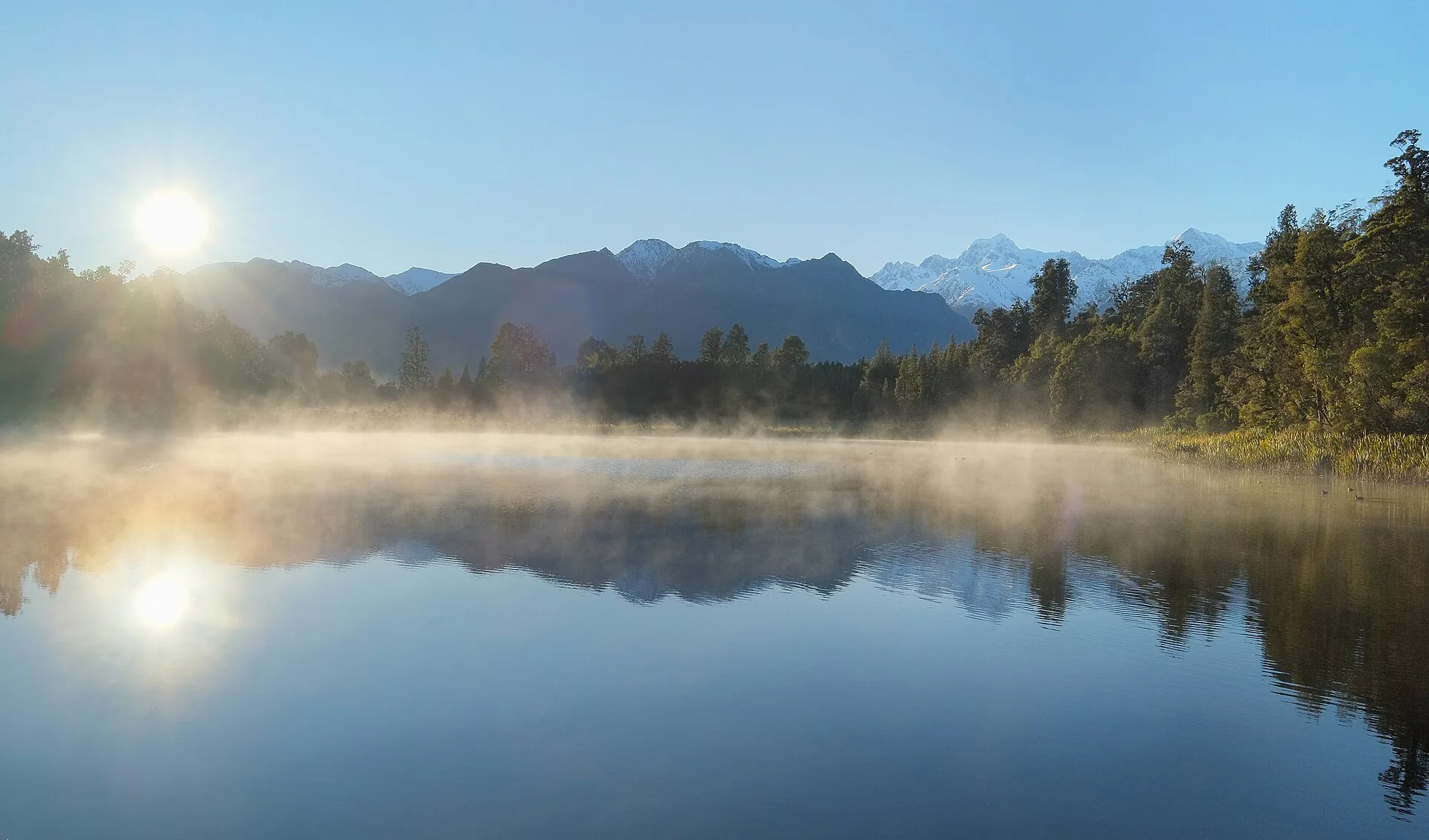
Den vackraste dagen på kalendern är den sämsta att fiska. Strålande himmel, blickstilla luft, den där första friska kylan efter en kvav vecka. Alla med ett spö vill vara på vattnet, och vattnet ger dem ingenting. Sportfiskare har ett namn för det, den strålande dagen efter fronten, och det är det mest förbannade läget i sötvattensfisket. Det är också verkligt, inte en ursäkt. Här är mekanismen, och här är vad du ska göra i stället för att skylla på oturen.
Fisken äter före fronten, inte efter
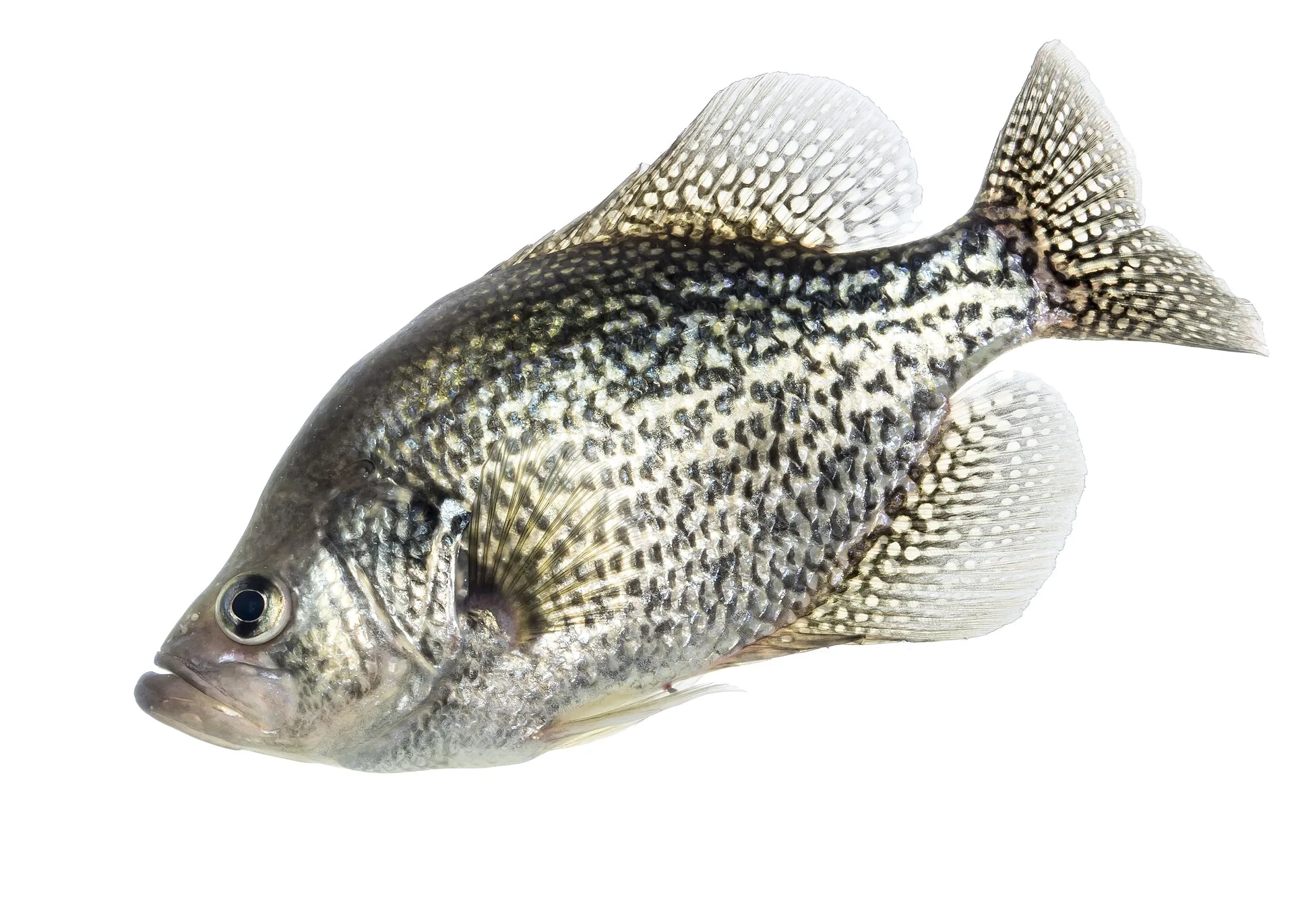
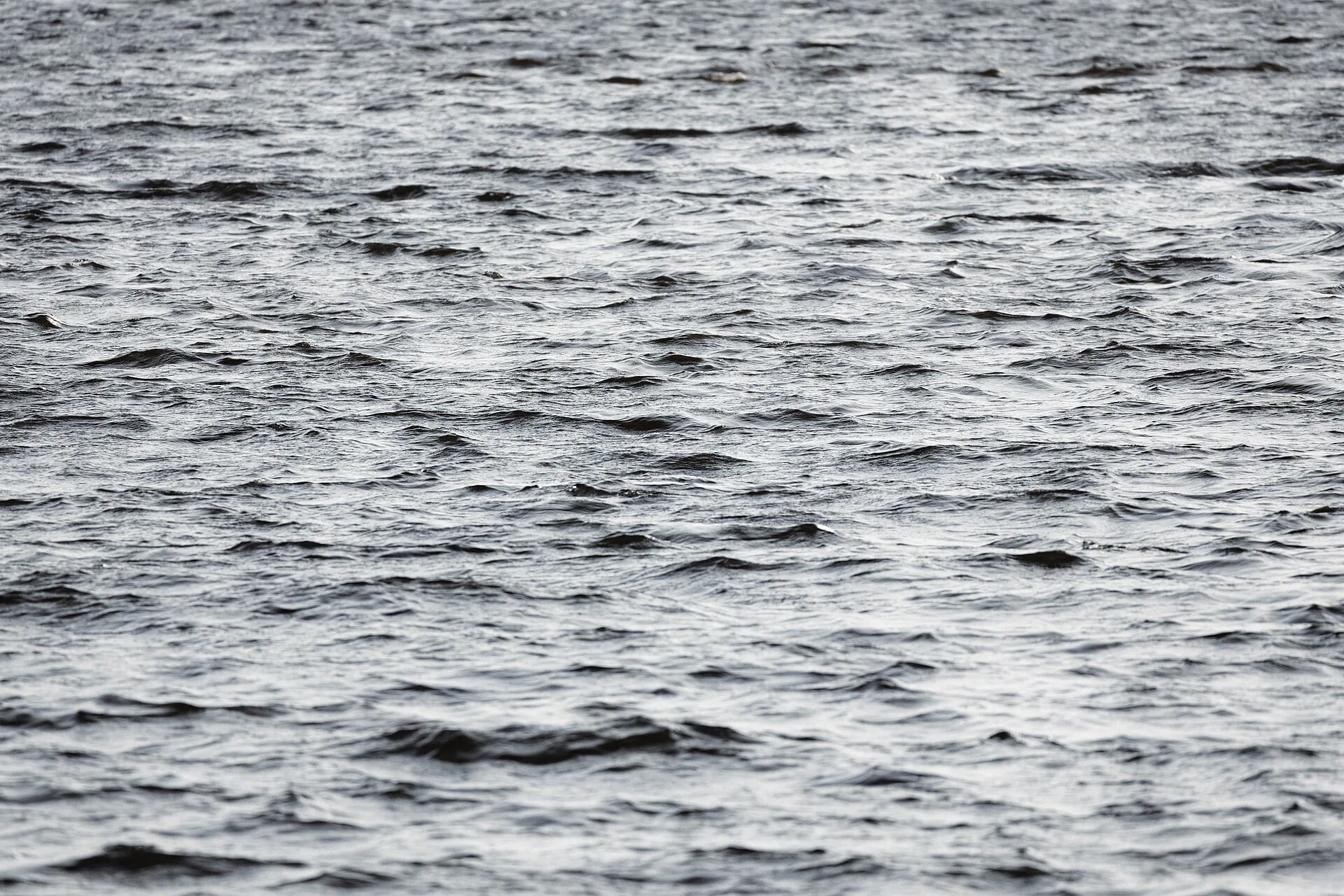
Ätfönstret du faktiskt vill ha är det som de flesta försover, för det ser eländigt ut. En kallfront är en vägg av kall luft som trycker in, och framför den faller barometern, molnen tornar upp sig, vinden tilltar och fisken slår på. Fallande tryck med grå himmel och en rejäl krabb sjö är en av de mest pålitliga ätsignalerna i fisket. Black bass rör sig grundare och jagar, gösen glider upp på platåerna, panfish hugger på allt som rör sig. Om du bara får ett pass att fiska kring ett inkommande system, ta den dystra blåsiga eftermiddagen innan det anländer, inte den vackra morgonen efter.
Sedan passerar fronten. Vinden vrider hårt mot norr eller nordväst, molnen skuras bort, luften blir kall och torr, och ett stort vackerväderhögtryck lägger sig bakom den. Det högtrycket är det som ger dig vykortshimlen. Det är också det som dödar hugget i en dag eller två. Fisken försvinner inte. Den drar in tätt i det tjockaste skydd den hittar, går lite djupare och blir neutral. Den äter fortfarande, men den slutar jaga, och det aggressiva grundmönstret som krossade i går faller samman.
Det är ljuset, inte värk i simblåsan
Den mest upprepade förklaringen till avstängningen efter fronten är att högtrycket skadar fisken, att den känner hur det klämmer simblåsan och tappar aptiten. Strunta i den. Tryckförändringen från ett djupt oväderslågtryck till ett starkt högtryck är ungefär 3 till 4 procent. För en fisk är det samma skillnad som den känner av att röra sig en halvmeter upp eller ner i vattenpelaren, något den gör hela tiden utan att tänka på det. Barometern är en utmärkt budbärare och en usel orsak.
Det som faktiskt förändrar fisken är allt som följer med det rena högtrycket. Det stora är ljuset. En molnfri himmel öser ljus i vatten som fronten just skurat rent från vind och färg, och de flesta sportfiskar är byggda för att ligga i bakhåll från skugga och svagt ljus. Överösta med bländning i plötsligt klart vatten gräver de ner sig i skydd, kryper mot botten och krymper sin hugg-zon till nästan ingenting. Den kalla, stabila luften efter fronten planar också ut ytan och stänger av vinden som hade puttat runt betesfisken. Crappie-gänget känner det här hårdare än någon annan, och den djupa förklaringen finns i genomgången barometertryck och crappie, men samma logik löper genom black bass, gädda och gös. För den bredare bilden av hur varje vädervariabel flyttar ett hugg reder hur vädret påverkar fisket ut det.
Så fiskar du faktiskt en strålande dag
Sluta fiska snabbt och börja fiska smått och nära. Fisken efter fronten strövar inte, så sluta beta av vatten som om den gjorde det. Sakta ner din presentation rejält, minska storleken på betet och gå ner i lina, för en surande fisk i klart vatten synar allt och skräms av grova grejer.
Fiska vertikalt och fiska tätt. Lägg betet i exakt den kvadratmeter skydd som fisken backat in i, stående trädstammar, en rishög, en brygga, den djupaste vasskanten, och håll det där. En fisk efter fronten äter det som kommer fram på nosen och simmar inte tvärs över rummet för det. Vertikalt jiggande rakt ner genom skydd slår långa horisontella kast de här dagarna av precis den anledningen.
Välj ditt fönster. Glöm den klassiska gryningsstarten en strålande dag. Hugget förbättras ofta framåt mitten av dagen, när solen lagt tillbaka lite värme i grunt vatten och fisken slappnar av något, och varje återkomst av moln eller en bris som bryter upp ytbländningen kan slå på några fiskar igen. Om högtrycket glider undan och nästa system byggs upp, håll utkik efter att trycket slutar stiga, den utplaningen är ditt tecken på att den tuffa perioden är på väg att ta slut. Det allmänna resonemanget om att tajma dina pass finns i bästa tiden på dygnet att fiska.
Inget av det här sätter fisk i båten av sig själv. Vädret flyttar oddsen, det placerar aldrig fisken åt dig, och en trög strålande dag som fiskas smart slår ändå samma dag fiskad som om det vore eftermiddagen före ovädret.
Just den trenden är den del napp bevakar åt dig. Den hämtar det aktuella vädret vid ditt närmaste vatten, läser åt vilket håll trycket är på väg just nu, och rangordnar hur troligt varje art hugger i exakt det här fönstret, med resonemanget utskrivet så att du kan säga emot. Inget att installera, ingen inloggning, gratis på napp.fish, och du kan skanna förhållandena över hela områden från sidan regioner innan du bestämmer vart du ska åka.
Foton: Pseudopanax at English Wikipedia, Public domain