Så fångar du striped bass
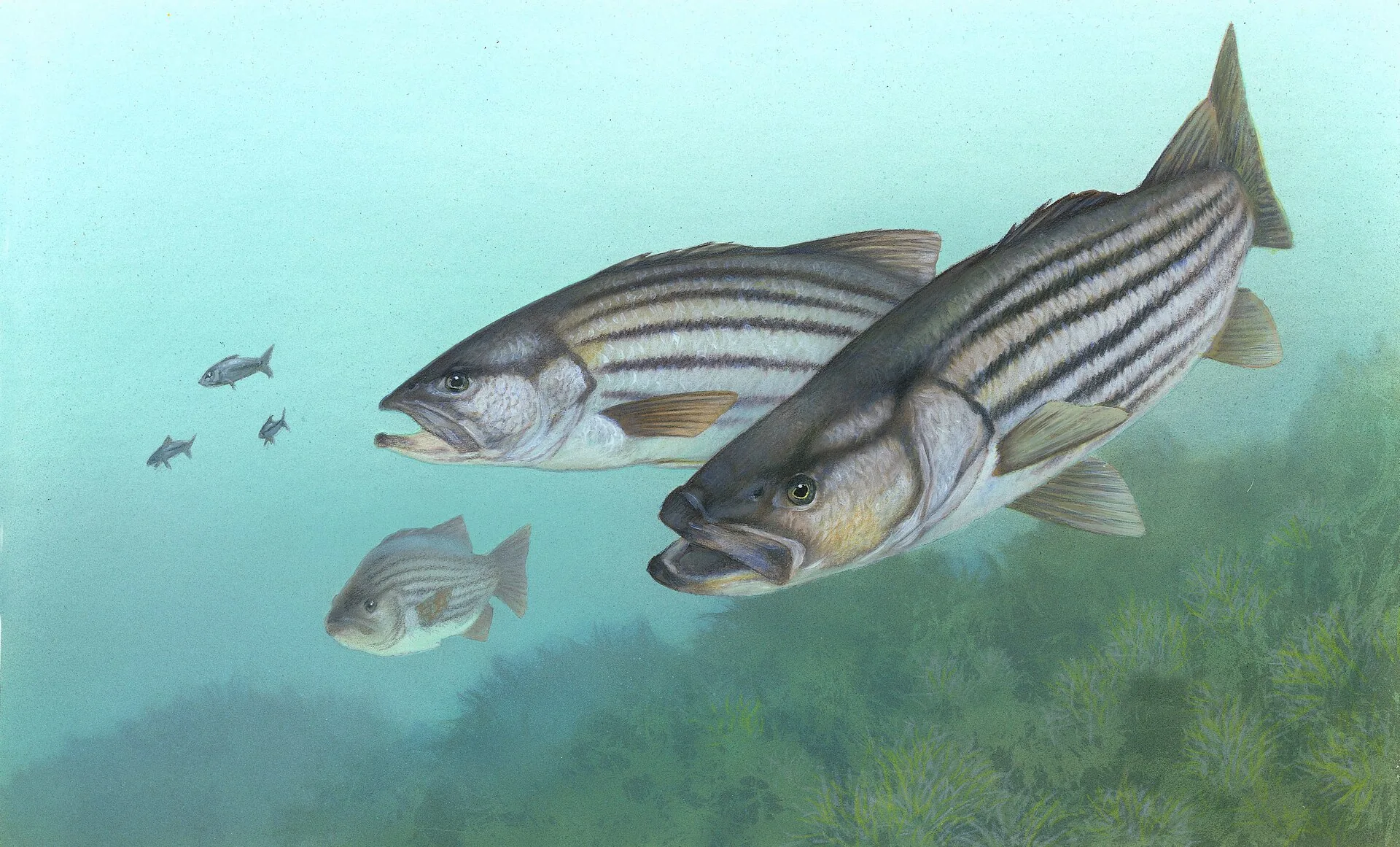
En striped bass väljer inte sin ättid efter klockan. Den väntar på att vattnet ska röra sig. Oavsett om det är en meterlång jätte som ligger bakom en pir under kraftigt utgående tidvatten, eller en mindre striper som kastar sig över shad i en reservoar i första gryningsljuset, är det samma sak som tänder fisken: en ström som bär bete förbi en plats där ett rovdjur kan sitta och bakhålla det. Få det rörliga vattnet och det svaga ljuset rätt, så fångar du striped bass. Stå på en perfekt plats i totalt dödvatten under stark sol, och du matar mest måsarna.
Klockan spelar roll, men bara för att den oftast sammanfaller med de två saker som verkligen gör det, rörligt vatten och svagt ljus. Många fiskare skyller en trög morgon på att hugget "är borta" när det verkliga problemet var dödvatten eller en platt, sollös timme utan ström. Fisken var i fin form. Det var transportbandet som var avstängt.
Vid kusten, fiska tidvattnet och strömbrytet
Kuststripers är bakhållsätare som håller sig vid struktur och låter strömmen göra jobbet. En udde, en pir, ett brofundament, en ström där en sandbank bryter flödet. Fisken kilar in sig i det långsammare vattnet precis bakom eller nedströms brytet, vänder nosen mot strömmen och väntar på att tidvattnet ska sopa bete till dem.
Det är därför tidvattenläget slår tiden på dygnet. Rörligt vatten, den starka mitten av ingående eller utgående tidvatten, pressar betesfisken mot strukturen och tvingar den genom bakhållsstråken. Dödvatten, de döda 30 till 60 minuterna vid högsta och lägsta stånd, dödar oftast fisket. Vid många inlopp drar det utgående vattnet ut bete ur våtmarken och är bäst, men regeln är rörelse, inte riktning.
Det svaga ljuset läggs ovanpå det. Stripers äter hårt efter mörkrets inbrott, och sommarens nattfiske efter stora fiskar är ingen hemlighet. På natten är en stripers syn överlägsen betesfiskens. Fiska levande ål eller bitar av bunker runt struktur när solen gått ner, och fiska brons skugglinjer, där fisken står i mörkret precis uppströms om ljusen och plockar bete som driver från ljust in i svart. Kasta uppströms och låt betet svänga ner genom det.
Gryningen är det andra fönstret. Första ljuset över en grund platå eller en ström ger ofta en ytexplosion, bete som sprutar och stripers som hugger tvärs genom det. Det är din ythuggstimme: en pencil popper eller en spook, sedan en bucktail eller en mjukplast-paddletail när solen klättrar och fisken drar sig ner. Det är samma övertag i gryning och skymning som varje striperfiskare till slut lever efter.
I en reservoar följer fisken betet
Insjöstripers, de som sätts ut i stora reservoarer runt om i landet, spelar ett annat spel med samma logik. Det finns inget tidvatten, så fisken vandrar. De är nomader på öppet vatten som jagar stim av shad, och de är nästan aldrig där de var igår, om inte betet också finns kvar där.
Hitta shaden så hittar du stripers. Håll utkik efter måsar som arbetar ytan, efter shad-bollar på ekolodet med bågar som hänger under dem, och efter kok där stripers driver ihop shaden och exploderar. I gryningen blir de här ätperioderna våldsamma och korta. Kasta ett ytbete eller en swimbait in i kaoset och håll i dig. När solen kommer upp glider stimmet ner på djupet och du går över till levande bete.
Levande shad, på fri lina eller fiskad på nedlina över uddar, bankar och åfåror, är reservoarens striperdödare, precis som levande ål är det vid kusten. På sommaren kläms fisken: ytan blir badkarsvarm och djupen får ont om syre, så de samlas i ett smalt band kring språngskiktet, ofta 6 till 11 meter ner. Hitta det bandet på ekolodet och lägg levande bete i det. När hösten kommer trycker det svalnande vattnet shaden grunt och stripers frossar på ytan igen, årets bästa ytfiske.
Varför rörligt vatten och svagt ljus vinner
Båda världarna fungerar likadant. En striped bass är en strömjägare, och dess största övertag kommer när vattnet flyttar bete och ljuset är svagt nog att halvblända bytet. Stark sol, blickstilla, dödvatten: det är fisken när den är som sämst, stående djupt och uttråkad. Vind som bygger krusning och ström som trycker bete är inga hinder, de är födan. Samma logik med svagt ljus och rörligt vatten ligger under hur vädret slår på och av ett hugg, och tidvattnet och solunarcyklerna betyder mer för stripers än för de flesta sötvattensfiskar, eftersom ett större tidvatten betyder hårdare ström och en starkare ätperiod.
Var ärlig om gränserna. Inget av detta placerar fisken åt dig, det flyttar bara oddsen. Ett perfekt tidvatten över en fisktom bank är fortfarande en fisktom bank, och ett hett reservoarfiske tar slut i samma sekund som shaden drar vidare. De som fångar stripers konsekvent kastar inte något magiskt bete. De är på rätt plats vid rätt tidvatten, eller över rätt bete, när vattnet börjar röra sig.
Att veta när vattnet och ljuset håller på att hamna i linje, det är precis vad napp är gjort för att ge dig. Den läser det aktuella vädret vid vattnet närmast dig, vinden, molnen, tryckutvecklingen, och rangordnar hur troligt det är att striped bass och alla andra lokala arter hugger just nu, med resonemanget synligt så att du kan bråka med det. Kolla förhållandena innan du satsar på ett tidvatten, eller bläddra bland vattnen nära dig på sidan regioner, gratis och utan inloggning, på napp.fish.
Foton: Timothy Knepp, Public domain