Så fångar du lax
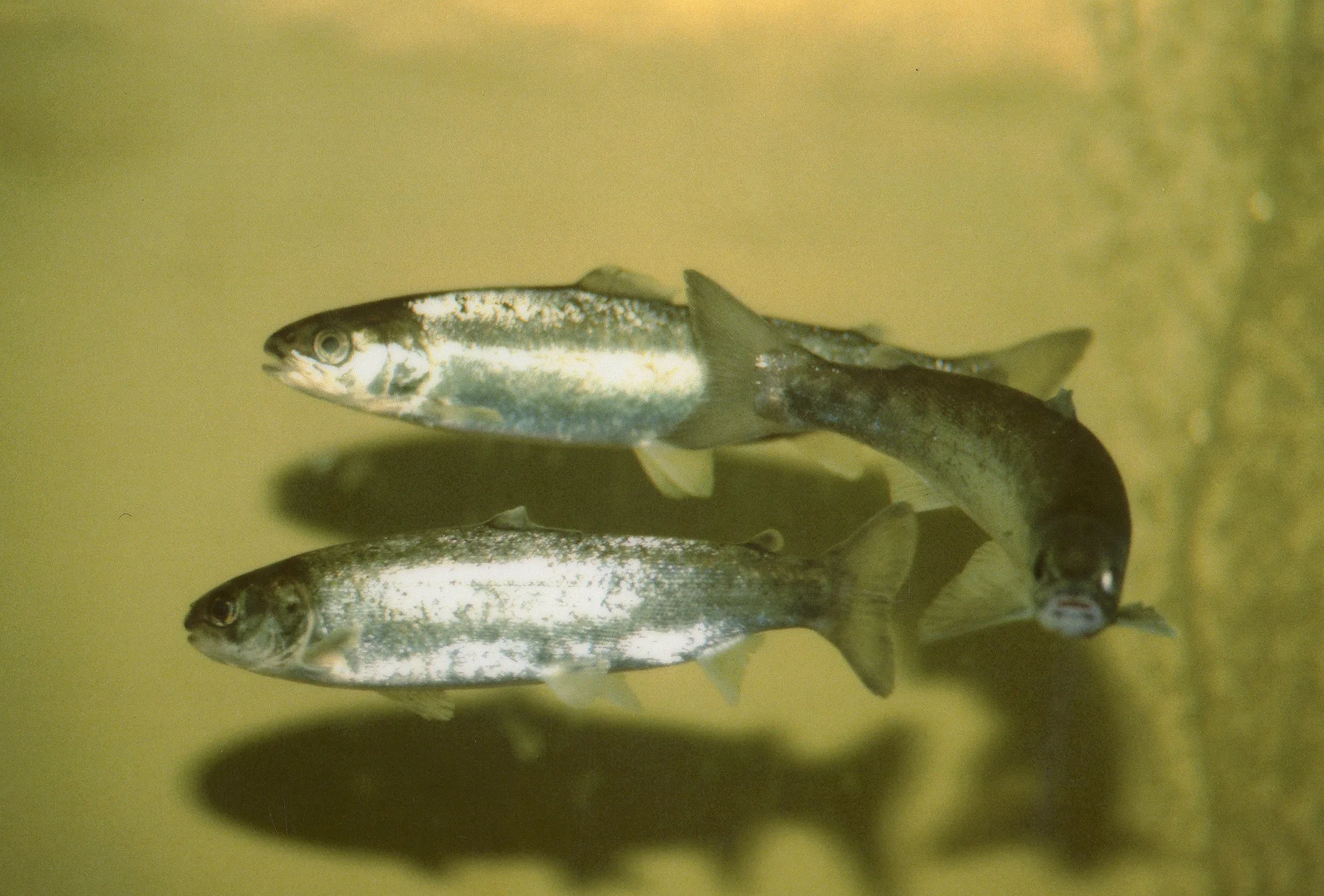
Sluta försöka mata en lax i älven. Den slutade äta samma dag som den vände in mot sötvatten.
Det låter som en gåta tills du förstår vad fisken håller på med. En vuxen atlantlax tillbringar sina uppväxtår i havet, frossar på sill och tobis, och vänder sedan tillbaka upp i älven där den föddes för att leka. I samma stund som den går in i sötvatten slutar den i stort sett att äta. Magen krymper. Den lever på lagrat fett i veckor eller månader. Så när en lax tar din fluga eller ditt skeddrag är den inte hungrig. Den reagerar av aggression, revir, eller någon kvarvarande instinkt från tiden då den jagade i havet. Du dukar inte ett bord. Du provocerar en fisk som har alla skäl att strunta i dig.
Få det enda faktumet klart för dig så ordnar sig allt annat kring laxfisket runt det.
Vattenståndet är triggern, inte klockan
Glöm regler om gryning och skymning för ett ögonblick. Det enskilt viktigaste som avgör om laxen går att fånga är själva älven, närmare bestämt dess vattenstånd och om det stiger eller faller.
Laxen står i mynningen och den nedre delen av älven och väntar på vatten. En regnperiod som lyfter älven är startskottet: nya fiskar trycker uppströms på stigande vatten, och fisk som redan är i systemet reser sig och rör på sig. En vandrande fisk, eller en som just har stannat för att vila, är långt mer benägen att ta än en fisk som har stått i samma höl i två veckor. Det är därför de gamla rävarna vaktar mätaren och himlen, inte timmen. En älv som faller och klarnar efter en flödestopp, tillbaka till den där tefärgade whiskyvatten-tonen, är det klassiska fönstret för hugg. Blankt lågvatten efter en lång torrperiod är det svåraste. En front och regnet den drar med sig betyder mer här än för nästan någon annan art, och vill du ha mekanismen så driver vädret nästan allt i fisket, med laxen som det mest brutalt tydliga fallet.
Säsongen betyder minst lika mycket, och den är lokal. Vissa älvar får en vårvandring av stora fiskar, de flesta får huvudvandringen på sommaren och hösten, och tajmingen skiftar från älv till älv. Ta reda på när din älv faktiskt har vandring innan du slösar bort turer på en tom fåra.
Läs ståndplatserna, inte hela älven
En laxälv ser ut som väldigt mycket vatten. Det är den inte. Stationär öring äter över hela strömmen, men en vandrande lax använder ett litet antal specifika viloplatser som kallas ståndplatser, och resten av älven är bara transportsträcka.
En ståndplats är där en lax kan stå utanför den värsta strömpressen och vila på sin väg uppströms. Leta efter hölets stjärt där vattnet grundar upp och snabbar på före nästa fors, halsen i hölets övre ände där strömmen forsar in, strömkanten bredvid ett block eller en bropelare, och den jämna gliden med medeldjup och strömfart i gånghastighet. Laxen står på samma ståndplatser år efter år. Lokalkännedom om var de står är värd mer än någon fluga i asken, så håll koll på var andra krokar fisk och spana efter lax som rullar i ytan.
Fiska av ståndplatsen, piska inte det döda vattnet. Det mesta av en laxsträcka håller ingen fisk. Tagarna är staplade på en handfull platser, och den fiskare som kan dem slår den som kastar överallt.
Fluga, skeddrag, och den ärliga sanningen om skicklighet
Två metoder dominerar. Flugan, svingad ner och tvärs så att den sveper framför ståndplatsen i kontrollerad fart, är traditionell och dödlig, särskilt på flugfiskesträckor. Spinnaren eller skeddraget, en Toby, en Flying C, eller ett blankt drag kastat tvärs och arbetat tillbaka genom ståndplatsen, täcker vatten snabbt och är mördande i högre, färgat vatten. Vattentemperaturen bestämmer djupet: i varmt högvatten fiskar du en stor fluga nära ytan; i kallt vår- eller höstvatten går du djupare och långsammare med en sjunklina eller ett tyngre drag.
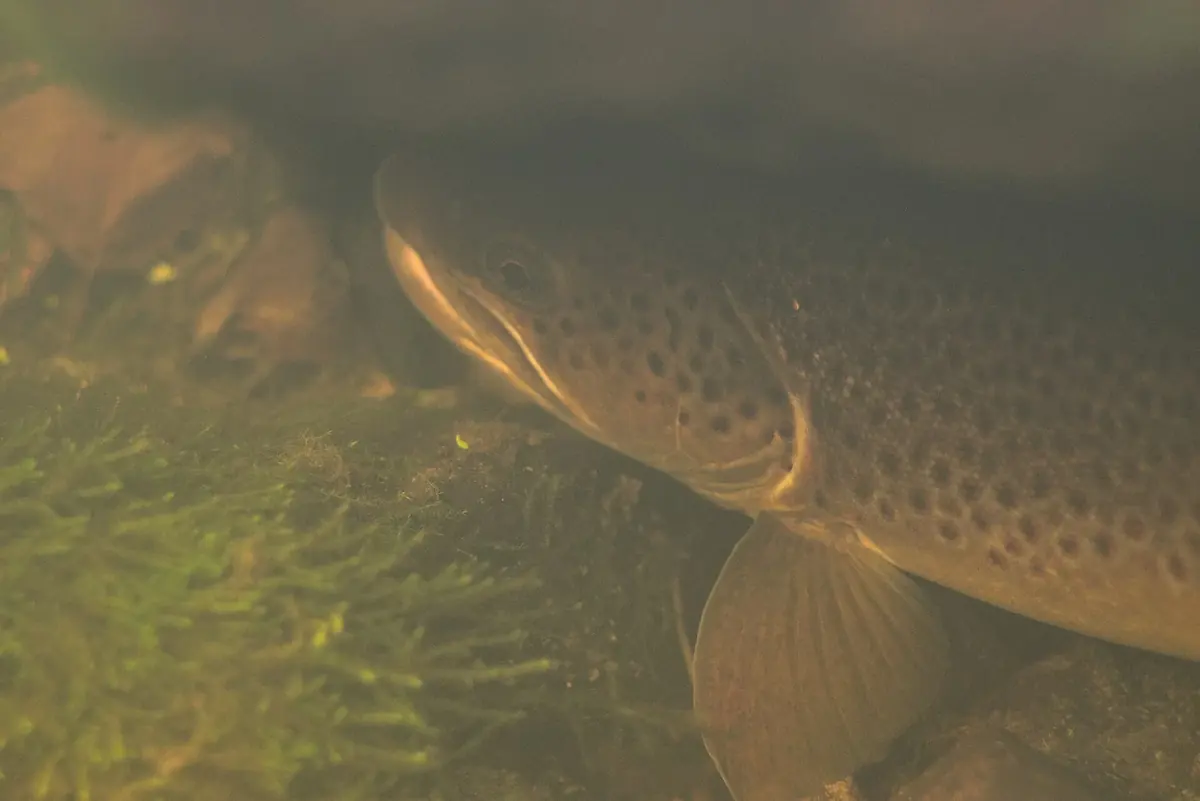
Det hjälper att veta vad du inte fiskar efter. Havsöringen, laxens nära kusin, beter sig annorlunda. Den äter i sötvatten, den jagar hårt efter mörkrets inbrott, och du kan fiska efter den ungefär som du fiskar efter öring i älv. Laxen är tvärtom. Dagsljus, vattenstånd och en välkontrollerad sving betyder mer än att matcha någon måltid.
Nu till den ärliga delen. Laxfisket styrs av förhållanden och tajming långt mer än av skicklighet. En medelmåttig fiskare på rätt höl dagen efter en färsk höjning fångar mer än en expert på en låg, avslagen älv varje gång. Ditt hantverk tippar oddsen när fisk finns på plats och är villig. Det kan inte trolla fram fisk som inte har vandrat. Nolldagar är normala och ingen dom över dig. Och innan du åker, kolla reglerna: laxen är hårt reglerad, och säsonger, kort, flugfiskesträckor, och fånga-och-släpp eller avlivningskvoter varierar från älv till älv och ändras ofta.
Så vakta vattnet, tajma vandringen, och dra ditt drag genom ståndplatserna när älven är färsk. Napp läser av det aktuella vädret vid ditt närmaste vatten och rangordnar hur troligt det är att varje art hugger just nu, med resonemanget upplagt i klartext, gratis och utan inloggning på napp.fish. Den räcker dig ingen hemlig höl, men den talar om när förhållandena svänger åt ditt håll, och för lax är det största delen av striden. Bläddra efter region för att se vad som är fiskbart nära dig.
Foton: E. Peter Steenstra/USFWS, Public domain