Så fångar du mört
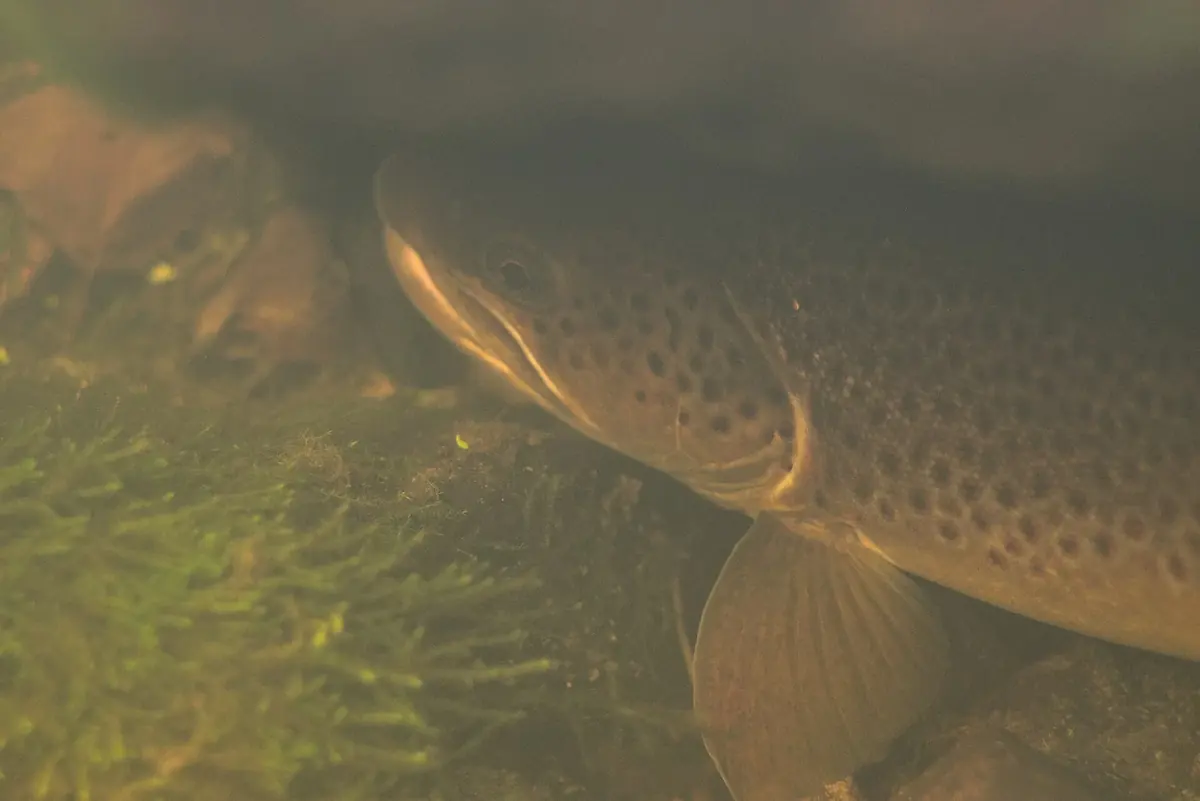
De flesta europeiska sportfiskare fostrades av mört, även om de har glömt det. Den första silverfisk som drog ner ditt flöte som barn, den med det röda ögat och de rosafärgade fenorna, var nästan säkert en mört. De finns överallt, är villiga, och en fisk på ett hekto hugger för en nybörjare hela dagen. Det ryktet gör mörten en tyst otjänst, för en riktig mört, en äkta halvkilosfisk med rejäl bredd över ryggen, är en av de svåraste fiskarna i sötvatten att landa med flit.
Här är haken. Små mörtar är lätta. Stora är det inte. Samma art som lär ett barn att fiska kan ödmjuka en sportfiskare med trettio år i bagaget, av en enkel anledning: mörten blir skygg med åren.
Varför en halvkilosmört är så svår
En mört på 450 gram är en drömfisk. En fisk på 900 gram är livets fisk för de flesta, och de spöböjande jättar du läser om, som närmar sig 1,8 kg, är fiskar man får en gång i karriären. Det här är inte fiskar som prövar din tackling. De prövar din känsla, och känsla är långt svårare att få rätt.
Problemet är att mörten blir vaksam när den växer sig stor. En handflatsstor mört nappar åt sig betet och sticker. En stor gammal mört har sett krokar, lever i klart vatten och synar sin föda, mumsar på betet och spottar ut det innan du hinner registrera att något rörde sig. Större mörtar tenderar också att driva ut mot stimmets kant eller stå djupare än myllret av småfisk, och därför är en plats full av snabba hugg från småttingar ofta det sämsta stället att jaga en bättre storlek. För att hitta plankorna måste du ibland fiska dig igenom de små.
Det är också därför mört och braxen så ofta delar plats och bete. Om du redan vet hur man fångar braxen är du halvvägs där, för mäsken och redskapen överlappar. Mörten kräver bara en finare känsla ovanpå.
Finess är hela spelet
Du kan inte tvinga en mört. Skala ner allt.
Kör en tafs på 0,10 till 0,12 mm, en tunntrådig krok i storlek 18 till 22, och ett flöte du faktiskt kan läsa av: en känslig waggler eller ett polflöte laddat med några hagel i storlek 10 eller 11, nedtrimmat så att bara en flisa av toppen syns. Hugget du väntar på är ingen självsäker nedglidning. Det är en centimeters dipp, ett långsamt lyft, en darrning som varar en sekund. Gör mothugg på allt och du krokar kanske vart tredje hugg. Det är mörtfiske.
Beta smått och naturligt. En enda röd fluglarv, två pinkies eller en caster på kroken fångar mer än en stor munsbit nio gånger av tio. Just castrar brukar sålla de bättre fiskarna från de störande småttingarna. Brödstans, hampa och ett korn kokt vete har alla sina dagar.
Den verkliga fördelen ligger i hur du matar, inte vad du matar. Lite och ofta, aldrig en stor giva på en gång. Ett dussin fluglarver eller en liten nypa hampa varje kast, in som ett urverk, håller stimmet kvar på din plats och tävlande om maten. Öser du in allt på en gång fyller du antingen fisken eller drar ner den från ditt krokbete. Det är matningsrytmen som håller kvar mörten, och det är den enda sak de flesta gör fel. Är du nyare i allt det här är den lösmatningsrytmen värd att drilla före allt annat, och vanorna i vår nybörjarguide går rakt att överföra.
Kallt, klart vatten är mörtväder
Glöm sommaren för de stora. Den klassiska tiden för en riktig mört är från sen höst till vinter, i kallt, klart och lågt vatten. Skräpfisken saktar rejält ner, stimmen sluter sig samman, och de bättre mörtarna äter i korta, bestämda fönster. En stilla, frostig eftermiddag med vattnet spegelklart kan ge säsongens mört.
I rinnande vatten är det trottingväder. Du ställer in ett stickflöte att driva med strömmen i vattnets fart, och bromsar det sedan mjukt så att betet lyfter och fladdrar framför haglen. Det har mörten nästan omöjligt att låta vara. Trotta samma linje om och om igen och mata fluglarver eller hampa högst upp i hållet, så att lösmäsken och ditt krokbete möts längre ner.
I stilla vatten, leta efter en ytström eller krusning, en aning färg efter regn, och det djupare vattnet utanför en kant. Blankt, ljust, spegelblankt klart vatten är det svåraste av allt, för då ser fisken allt komma. Inget av detta placerar fisken åt dig, dock. Förhållandena tippar bara oddsen. En fallande, klarnande älv efter en flod, eller den första ordentliga kylknäppen, gör en ätperiod mer sannolik. Det hänger ingen mört på din krok. Att tajma fönstret betyder lika mycket som betet.
Det är mört i ett andetag: små krokar, fin lina, en enda fluglarv eller caster, mata lite och ofta, och lär dig läsa hugget som knappt finns. De är fisken som formade dig, och fisken som kommer att fortsätta tänka ett steg före dig så länge du fortsätter fiska.
När du vill veta om vattnet närmast dig är på hugghumör läser napp livevädret vid dina närmaste platser och rangordnar hur troligt det är att varje art hugger just nu, med resonemanget utlagt på vanlig svenska. Det är gratis, ingen inloggning, och du kan skumma dina lokala regioner på napp.fish innan du taklar upp.
Foton: Charles J. Sharp, CC BY-SA 4.0