Så fångar du braxen
Ingen hänger en braxen på väggen. Det är fisken du fångar av misstag medan du väntar på något vackrare, så lyder i alla fall historien. Strunta i den. Ett stim av stora bronsfärgade plankor lär dig mer om att läsa vatten och mata en plats än någon gädda eller karp, för braxen kan du inte tursa dig till. Du hittar stimmet, du får dem att böka, och du håller kvar dem. Annars sitter du där och nollar. Det är ärligt fiske, och det gör dig till en bättre sportfiskare.
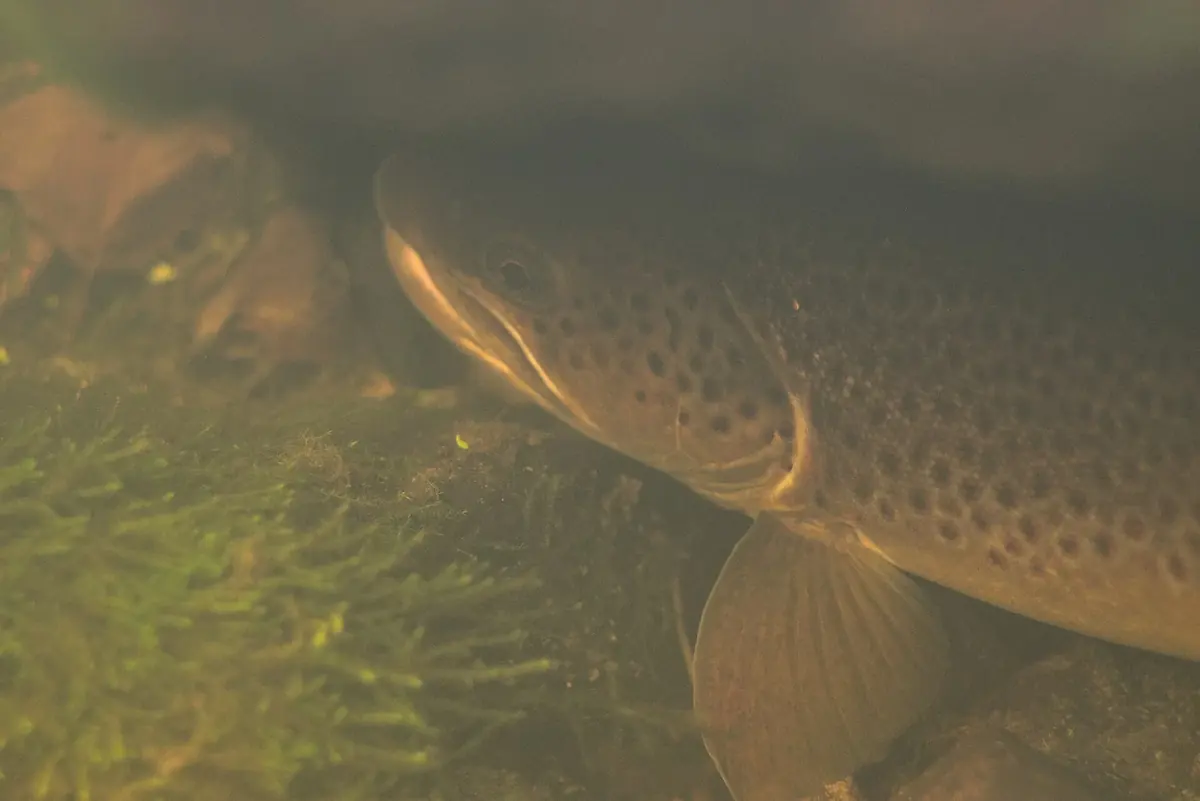
Braxen är högryggade, plattsidiga, slembelagda bottenfiskare. En bra fisk väger 1 till 2 kg, och en riktig kapitalfisk passerar 4 kg. De rör sig i stim av jämnstora fiskar och avslöjar sig hela tiden om du bara tittar efter. Skumma braxenprofilen för storlek och miljö, och gå sedan ut och läs själva vattnet.
Läs vattnet: bubblor, färg och vakande fisk
Braxen äter med huvudet nedåt. De vinklar nosen först ner i den mjuka dyn och skjuter ut en utskjutbar mun för att suga i sig rödmygg- och fjädermygglarver ur gyttjan, och allt det där bökandet frigör instängd gas. Resultatet blir fläckar av fräsande knappnålssmå bubblor, ofta i rader när stimmet arbetar sig längs botten. Där de har grävt blir vattnet grumligt och färgat, en plump av färg över en annars klar botten. Båda är middagsklockor.
I gryningen vakar de. Ryggar och ryggfenor bryter ytan när stimmet rullar fram över sin matrutt, så du kan stå på stranden i gryningen och räkna vak för att hitta exakt var de är. Braxen patrullerar bestämda rutter, oftast längs strandbrinken eller vid foten av första djupkanten, och de följer gärna samma stråk vid samma tid varje morgon. Det är den här vattenläsningen som räknas. Hitta rutten, fiska där fisken faktiskt rör sig, och du har redan slagit den som kastar mot mitten och hoppas.
Bygg en plats och håll kvar stimmet
En braxen är tur. En full sump kommer från en mäskad bädd som håller stimmet framför dig. Lägg ut en matta av mäsk blandad med caster, döda fluglarver, hackad mask, majs och några pellets, så att hela stimmet äter tryggt över en fläck och stannar kvar. Mata rejält, för ett stort stim betar hårt och rensar en rejäl giva på minuter.
Den riktiga fördelen är förmäskning. Mata samma plats i två eller tre dagar innan du fiskar den, så lär sig stimmet att det är ett tryggt, pålitligt skafferi och börjar besöka det på schema. Det är samma logik som driver karpfiske, och braxen belönar den lika väl. Du slutar kasta mot slumpmässiga fiskar och börjar driva en matstation, och tajmar sedan ditt krokbete till när stimmet dyker upp.
Feeder, flöte och mjuka beten
Två metoder täcker nästan allt. På öppet vatten regerar feedern: en bur- eller öppen feeder packad med mäsk, en tafs på 60 till 90 cm och ett mjukt krokbete som ligger i smulet. Kasta tätt mot samma punkt varje gång för att bygga bädden. En method feeder gör samma jobb med betet pressat runt ramen, en trasselfri start hämtad direkt från karpfisket.
Närmare land, fiska med flöte, och fiska lyftmetoden, för den är gjord för braxen. Bestycka flötet med hagel så att ett bottenhagel vilar mot botten under betet. När en braxen vinklar ner för att äta lyfter den på det haglet, och flötet stiger och lägger sig platt i stället för att glida under ytan. Det stigande, platta flötet är det klassiska braxenhugget, och du gör mothugg på lyftet, inte på nedglidningen.
Håll krokbetena mjuka. Braxen rotar i dyn, så mask, caster, fluglarver, brödflak, mjuk pellet och majs ligger alla naturligt där de bökar. Ett mjukt bete som vilar i gyttjan slår ett hårt som tronar ovanpå.
När de äter, och tålamodsskatten
Braxen äter som mest i gryningen. Fiskar du bara en timme, gör den till den kring soluppgången. De älskar också varmt, mulet och stabilt väder, så en kvav grå dag med en mjuk krusning som trycker in mot din strand är braxenväder ur läroboken, långt bättre än blankt, klart och vindstilla i högt solljus. En varm vind hjälper till och med, den samlar födan vid lovartstranden där stimmet kommer att arbeta. Gryningen är bäst för de flesta arter, inte bara braxen, och den bästa tiden på dygnet att fiska förklarar varför.
Nu till den ärliga delen. Braxenfiske är långsamt, sedan plötsligt. Du mäskar, du väntar, och ofta händer ingenting på länge förrän stimmet anländer och du får ett snabbt ryck av fisk innan de driver iväg igen. Huggen är makliga, ett långsamt drag runt eller ett krypande lyft, så sitt på händerna och gör inte mothugg på varje knyck. Tålamod är det redskap som fångar braxen. Och eftersom braxen och mört delar samma stilla vatten, ofta exakt samma plats, kan du vänta dig mört, små braxar och en och annan hybrid medan du väntar på plankorna.
Det svåra var aldrig taklingen, det är tajmingen: att stå på rätt strand när stimmet bestämmer sig för att äta. Det är det glappet som napp är byggt för att täppa till. Tjänsten läser livevädret vid ditt närmaste vatten och rangordnar hur troligt det är att varje art hugger just nu, med resonemanget utlagt så att du kan väga det själv, gratis och utan inloggning. Kolla förhållandena inför ditt nästa gryningspass, eller bläddra bland vatten efter region, borta på napp.fish.
Foton: own work by me, Grand-Duc . Die volle Nennung des Autorenpseudonyms und der Zuschreibung wie unten stehend ist für eine Lizenz-konforme Nutzung erforderlich. For a license-compliant use, you have to use my pseudonym and the attribution as written down below., CC BY-SA 3.0 de