How to Catch Crappie
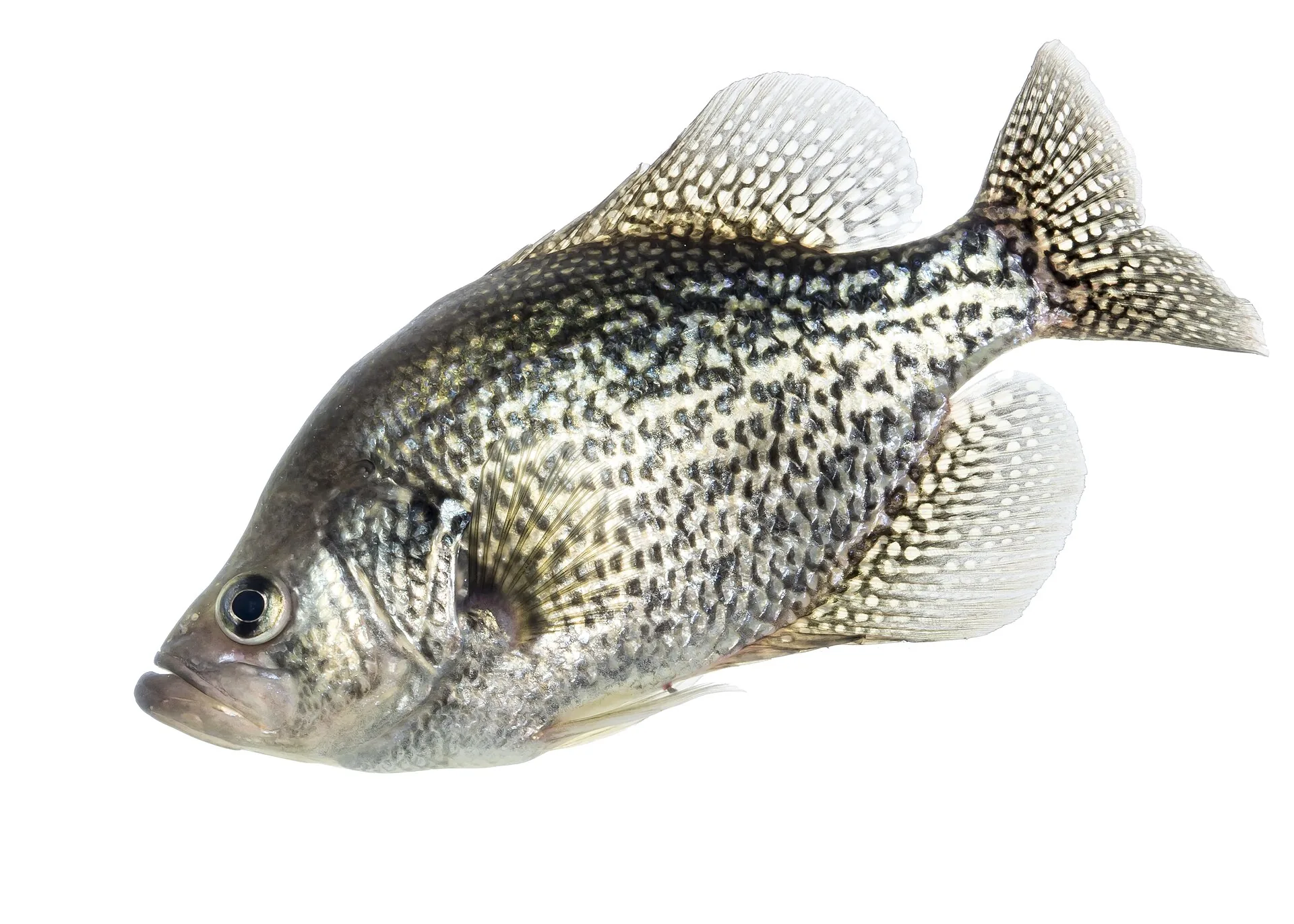
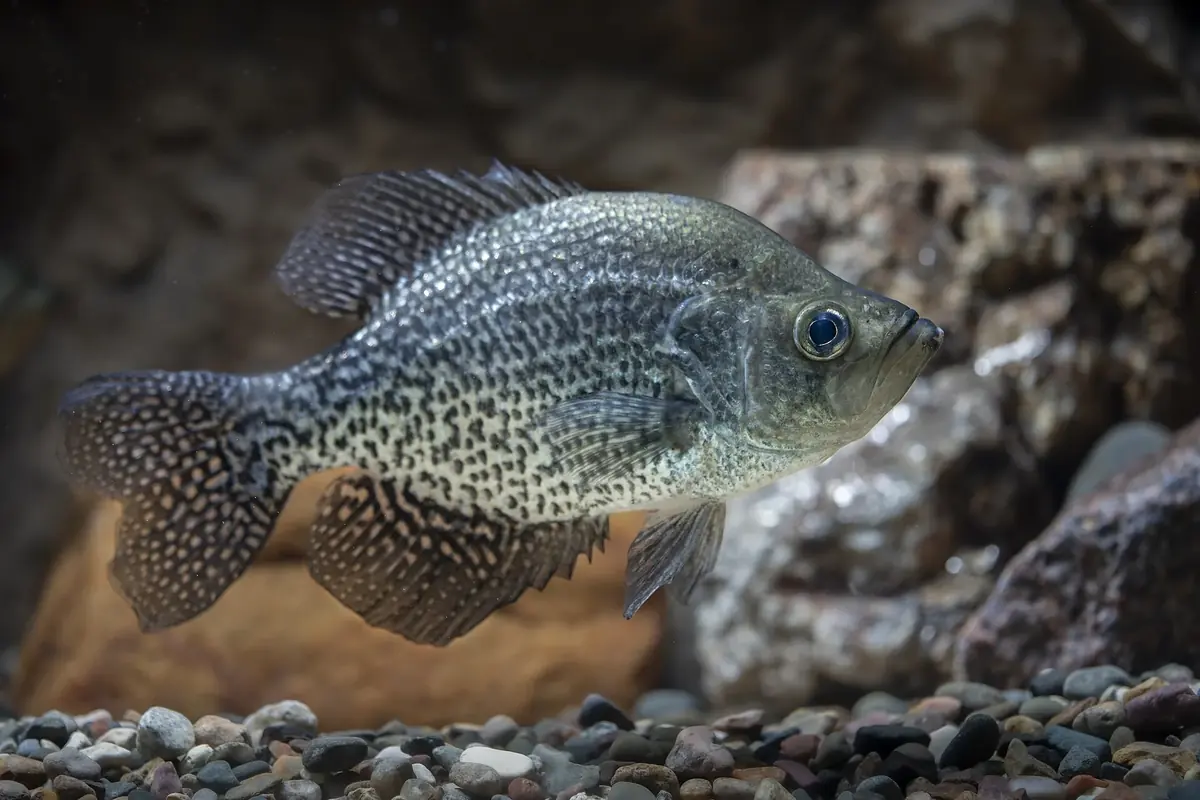
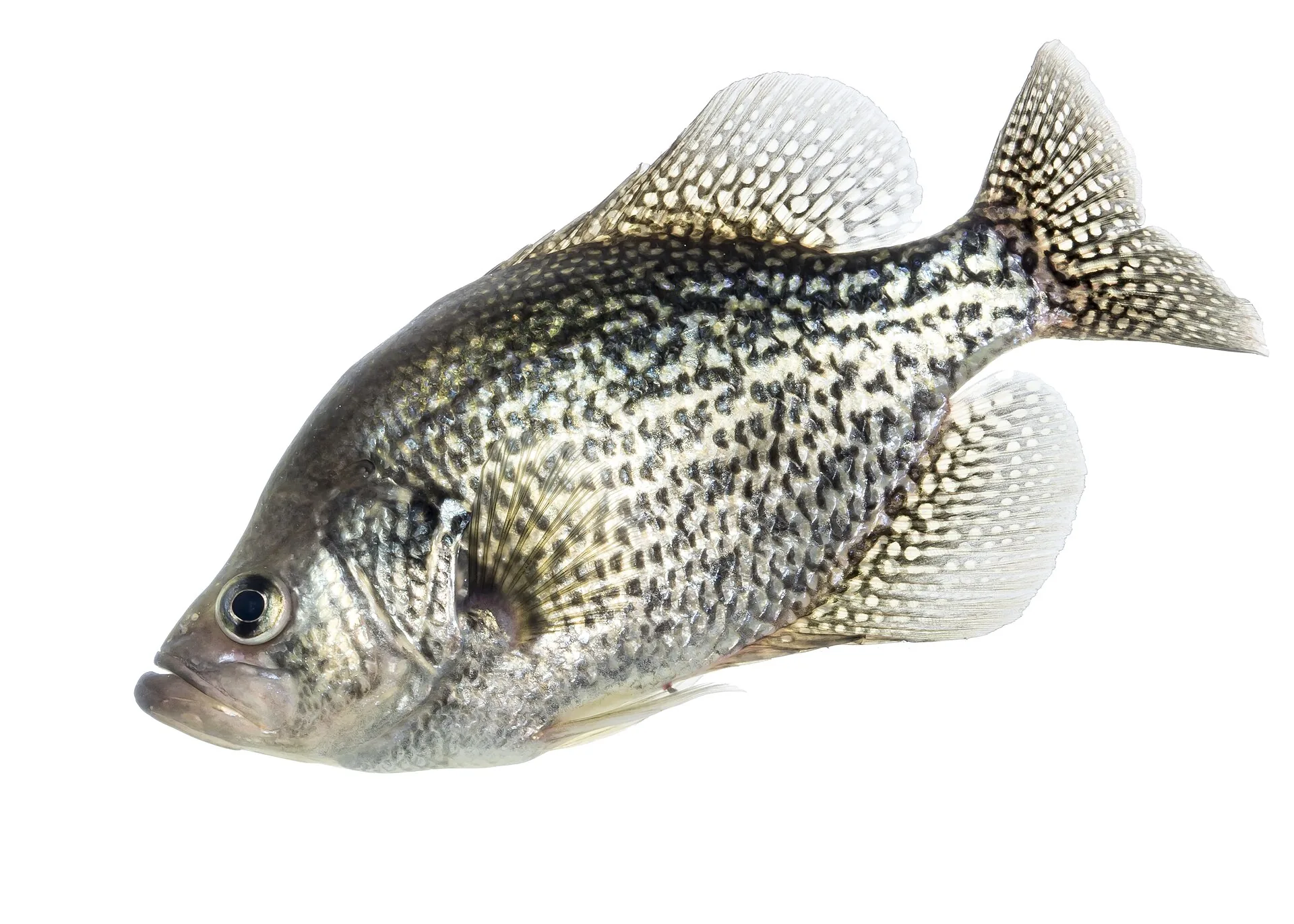
Crappie are not hard to catch. They are hard to find. Get that order right and the rest of this fish falls into place.
A crappie is a schooling, suspended, structure-addicted panfish. It hangs in a tight pack beside something solid, a brush pile, a standing tree, a bridge piling, a dock, and waits for bait to drift past at its exact level. The school can run dozens deep. So the single most useful sentence in crappie fishing is this: find one and you have found fifty. The flip side humbles people. Fish empty water all day and you will swear the lake holds no crappie, when really you were one dock and six feet of depth away from a wall of them.
Find the school, then nail the depth
Two coordinates matter, and most anglers only fish one. Horizontal position is the easy half. Crappie live on cover: sunken timber, flooded brush, laydowns, dock posts, bridge and pier pilings, the standing trees in a reservoir creek arm. If you can find wood or a brush-pile marked on a map, start there.
The half people skip is depth. Crappie suspend, meaning they hold at a chosen level in the water column rather than on the bottom, and they are oddly precise about it. A school might sit at twelve feet over twenty-five feet of water and flat ignore a bait run at eight or at sixteen. A bait above them gets eaten far more than one below, because a crappie's eyes and mouth both point up. So work cover from the top down. Count the jig down two feet at a time and note the exact depth of the bite. The first fish is information. It just told you where the other forty-nine are stacked.
Sonar earns its keep here, because you can see the band and drop straight to it. Without it, you run the same search by hand with a countdown and a float.
Jig or minnow: pick the mood
Two presentations catch most of the crappie ever landed, and they answer two different moods.
A small jig is the searcher. A 1/16 ounce head is the everyday workhorse. Drop to 1/32 for sluggish or shallow fish, step up to 1/8 when it is deep or windy and you need to stay in contact. Hang a marabou, a soft-plastic tube, or a tiny paddletail off it. The retrieve is barely a retrieve. Drop to your depth and crawl it with small lifts and long pauses, because crappie eat on the fall and on the dead stop. A jig that hangs still in their face beats one that is always moving.
A live minnow under a float is the closer. When the jig bite goes soft, a lively minnow hooked through the back and suspended at the school's depth is hard to refuse. Use a slip float so you can set any depth cleanly. It is also the easiest rig to hand a beginner.
Go light on everything. Four to six pound line, a soft-tipped rod, small hooks. Crappie have thin, papery mouths, the reason they are nicknamed papermouths, and heavy line with a hard hookset rips the hook straight out. Light line also lets a 1/16 ounce jig sink slow and natural, which is most of the trick.
When the fish are scattered, slow-troll. Spider rigging, a fan of long rods off the bow with baits staggered at different depths, covers water and finds the level and the cover at once. Contact one, then stop and pick that spot apart.
Where they sit through the year
Season moves the school, mostly by depth. In spring, as the shallows climb toward roughly 58 to 64°F (about 14 to 18°C), crappie flood the banks to spawn in one to four feet of water against any cover they can reach. This is the easy season, often within a cast of shore.
After the spawn, summer heat and sun push them out to the first deep cover, frequently eight to fifteen feet down on a creek-channel edge or a deep brush pile. Winter is the same idea: they pull deep, pack tight, and feed slowly, which is why a vertically jigged bait dropped right on their nose is the cold-water answer. The constant through all of it is low light. Dawn and the last hour before dark are the strongest windows nearly every day, when crappie ease up and feed with less caution. The deeper look at the best time of day to fish maps straight onto crappie.
Weather gets blamed for everything, and it does move a crappie bite, just not the way the folklore claims. It is worth its own read in whether barometric pressure really matters for crappie. The honest version: conditions tilt the odds, they do not place the fish. A flawless dawn over empty water still catches nothing, and a tough bluebird afternoon over a loaded brush pile can still produce if you put a slow bait at the right depth.
That gap, between odds and a fish on the line, is where napp helps. It reads the live weather at the water nearest you and ranks how likely black crappie and every other local species are to be biting right now, with the plain reasoning shown so you can see why, then leaves the finding of the school to you. Pull up the current read at your closest spot, or browse the map by area on the regions page. Free, no login, at napp.fish.
Photos: USFWS Mountain Prairie, Public domain