Så fångar du bluegill och panfisk
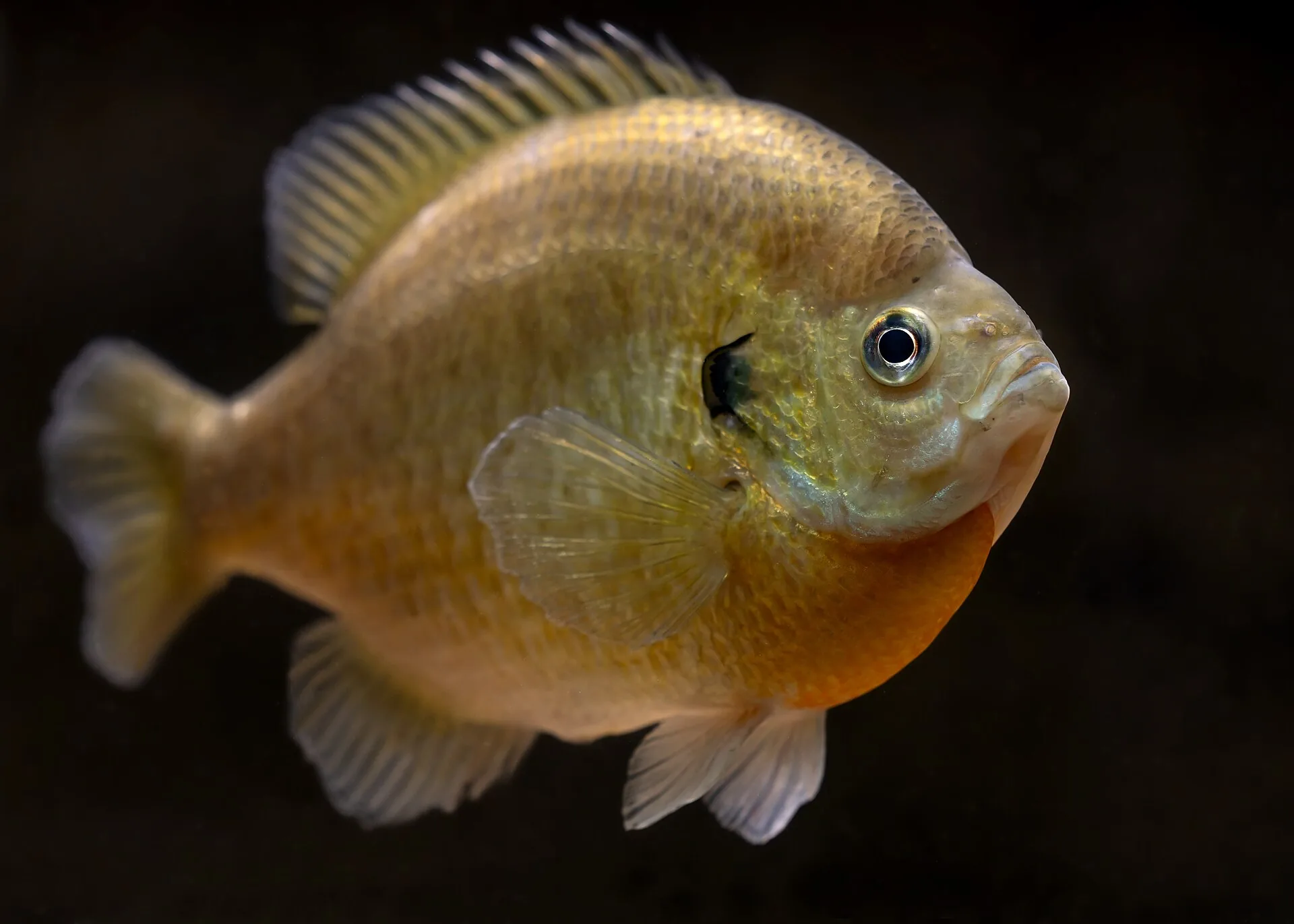
Fler människor blev förälskade i fisket över en bluegill än över någon annan fisk på jorden. Inte bass, inte öring. En bluegill. De lever nästan överallt där det finns varmt, vegetationsrikt vatten, de är oändligt villiga, och de drar i ett lätt spö som en fisk tre gånger så stor. Ge ett barn ett metspö och en mask en lördag på sommaren, så sköter bluegillen resten. Det är den perfekta första fisken.
Ryktet som barnfisk döljer den andra halvan av sanningen. En genuin bluegill-hane i toppformat, över 23 till 25 cm (9 till 10 tum) och nära halvkilot, är en av de svåraste små troféerna i sötvatten. Den vänder sin breda sida mot draget och slåss i tighta, envisa cirklar. Gott om vuxna flugfiskare som kan lägga en prydlig ögla på en vakande öring har i tysthet fått sig en läxa när de försökt landa en bluegill stor som en middagstallrik på ett lätt spö.
Leken på bona är det magiska fönstret
Om du fiskar bluegill på allvar bara en gång om året, gör det när de leker. När vattnet når ungefär 19 till 21 °C (67 till 70 °F), oftast under sen vår in i tidig sommar, fläktar bluegill-hanarna ut fatformade bon på grunt vatten och vaktar dem ilsket. De bygger inte bo ensamma. De är kolonilekare, så du hittar samlingar av bon packade som en bikaka av bleka cirklar på botten, ofta på bara 0,3 till 1,2 m (1 till 4 fot) vatten.
Halva tiden kan du se dem. Polariserade glasögon och en långsam promenad längs stranden avslöjar bona innan du gör ett enda kast. En vaktande hane hugger nästan allt som driver över hans bo, inte av hunger utan av ilska, så hugget över en färsk koloni kommer ofta direkt. Bluegill leker i vågor genom de varma månaderna, ofta med toppar kring fullmånarna, så bona fylls på mer än en gång per säsong.
Fiska smått, och sedan ännu mindre
Den vanligaste orsaken till att folk missar bluegill är att de fiskar för grovt. En bluegill har en pytteliten mun, mindre än ett mynt, och en grov basskrok får bara betet avknaprat medan flötet knappt rör sig. Skala ner ordentligt. En krok i storlek 8 är en vettig start, och storlek 10 eller till och med 12 krokar långt fler fiskar en kinkig dag. En långskaftad krok gör det snabbt att kroka loss en fisk som tagit djupt.
Betet är härligt enkelt. En kort bit daggmask eller en hel liten röd mask under ett flöte är klassikern, och den fiskar fortfarande bättre än det mesta. Trä inte på hela masken. En centimeterlång bit räcker gott för den lilla munnen. En levande syrsa krokad löst är rena godiset för bluegill i högsommaren. Ställ in flötet så att betet hänger 0,3 till 1 m (1 till 3 fot) ner och håll koll på det noga, för bluegillhugg är snabba, sluga dopp och glidningar, inte en dramatisk dykning. Gör mothugg vid första ärliga rörelsen.
För att täcka vatten och fånga många utan att beta om, knyt på en pytteliten jigg. Ett jigghuvud på ungefär 1 eller 0,5 gram (1/32 eller 1/64 oz) riggat med en liten tub eller twister, långsamt krypande på klen lina, är dödligt effektivt. Och om du någonsin velat ha en ursäkt att ta upp flugspöet, är det här den. En liten skumgummipopper som rycks över en lekkoloni är, kilo för kilo, ungefär det roligaste du kan ha i sötvatten.
Var bjässarna gömmer sig efter leken
När leken ebbar ut stannar de små bluegillarna där de alltid är, i klungor på grunt vatten och vid varje brygga inom synhåll från stranden. Det är precis därför strandfiskare landar hundra handflatestora fiskar och nästan inga stora. Bjässarna drar. De glider ut till djupare vegetationskanter, djupkanter och struktur ute i sjön, ofta 2 till 4,5 m (6 till 15 fot) ner, där det håller sig svalare och födan är större.
Så på sommaren, om du vill ha storlek, fiska djupare och jobba dygnets svala kanter. En mask satt lite djupare, eller en liten jigg längs en vegetationslinje i gryningen, hittar ett bättre snitt på fisken, och samma fönster som hjälper de flesta arter hjälper här också. Tid på dygnet betyder mycket mer när värmen byggs upp.
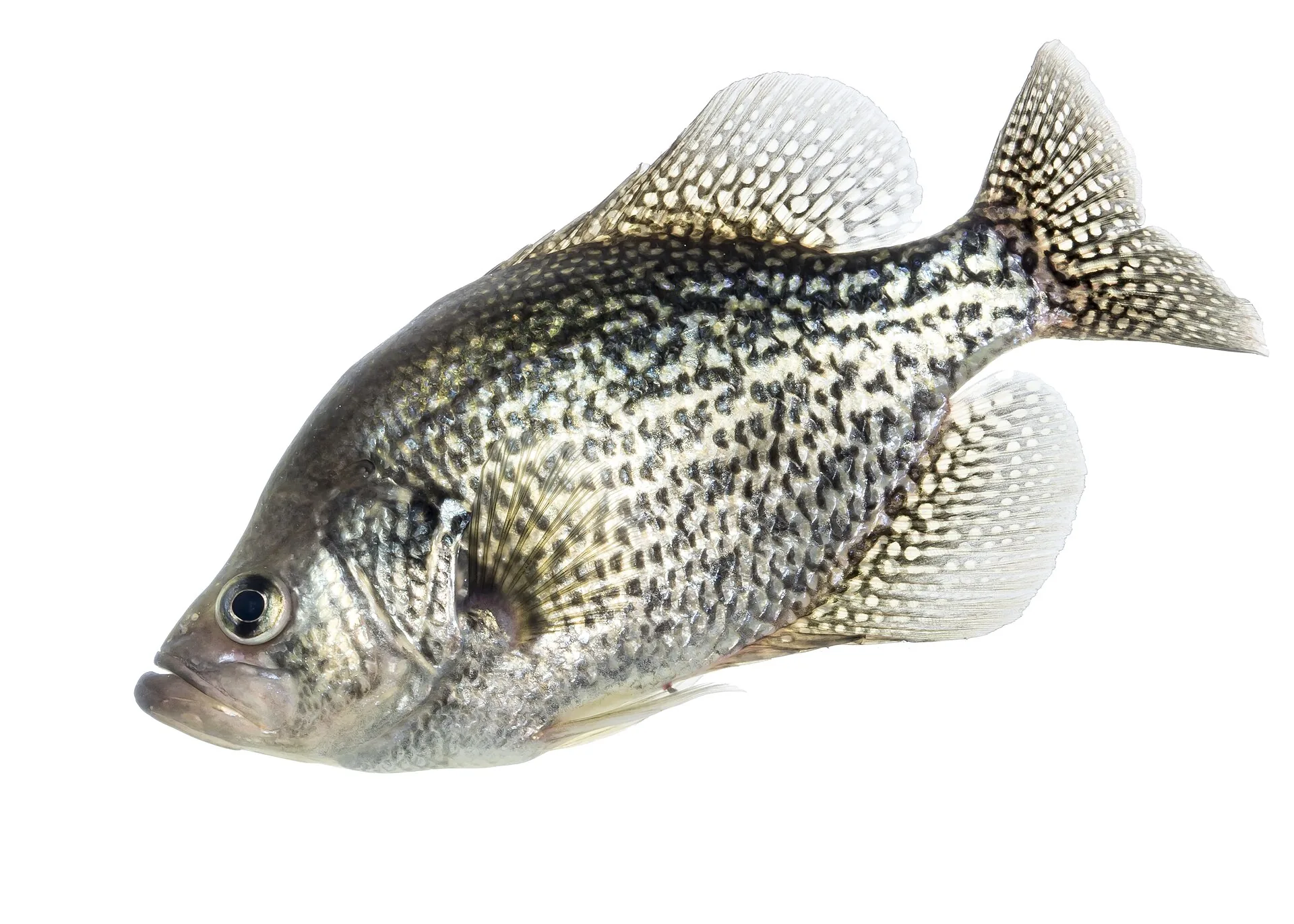
Bluegill är bara ett ansikte i en stor, tuff familj. Redear-solabborren, ofta kallad shellcracker, blir större och lever djupare, mal snäckor från botten och föredrar ett långsamt bete lagt stilla framför ett snabbt bete. Solabborren är mindre, målad i absurd orange och turkos, och gräver ner sig i tjock vegetation. De överlappar, de korsar sig, och varenda en tar en mask under ett flöte, så samma enkla upplägg fångar hela släktet.
Inget av det här slår kalendern och termometern. En sen köldknäpp kan dra bluegillen av bona över en natt, och en brutal middagssol kan tränga ner de stora djupt och sura. Förhållandena flyttar oddsen, de spikar inte fast fisken, så läs dagen och lägg din tid i det högprocentiga fönstret. Den tolkningen gör napp åt dig. Napp hämtar det aktuella vädret vid vattnet närmast dig, temperaturen, tiden på dygnet, himlens tillstånd, och rangordnar hur troligt det är att bluegill och alla andra lokala arter hugger just nu, med det enkla resonemanget synligt så att du kan säga emot. Kolla platsen närmast dig, eller bläddra per område på sidan regioner, gratis och utan inloggning, på napp.fish.
Foton: USFWS Mountain Prairie, Public domain