Påverkar lufttrycket crappiefisket
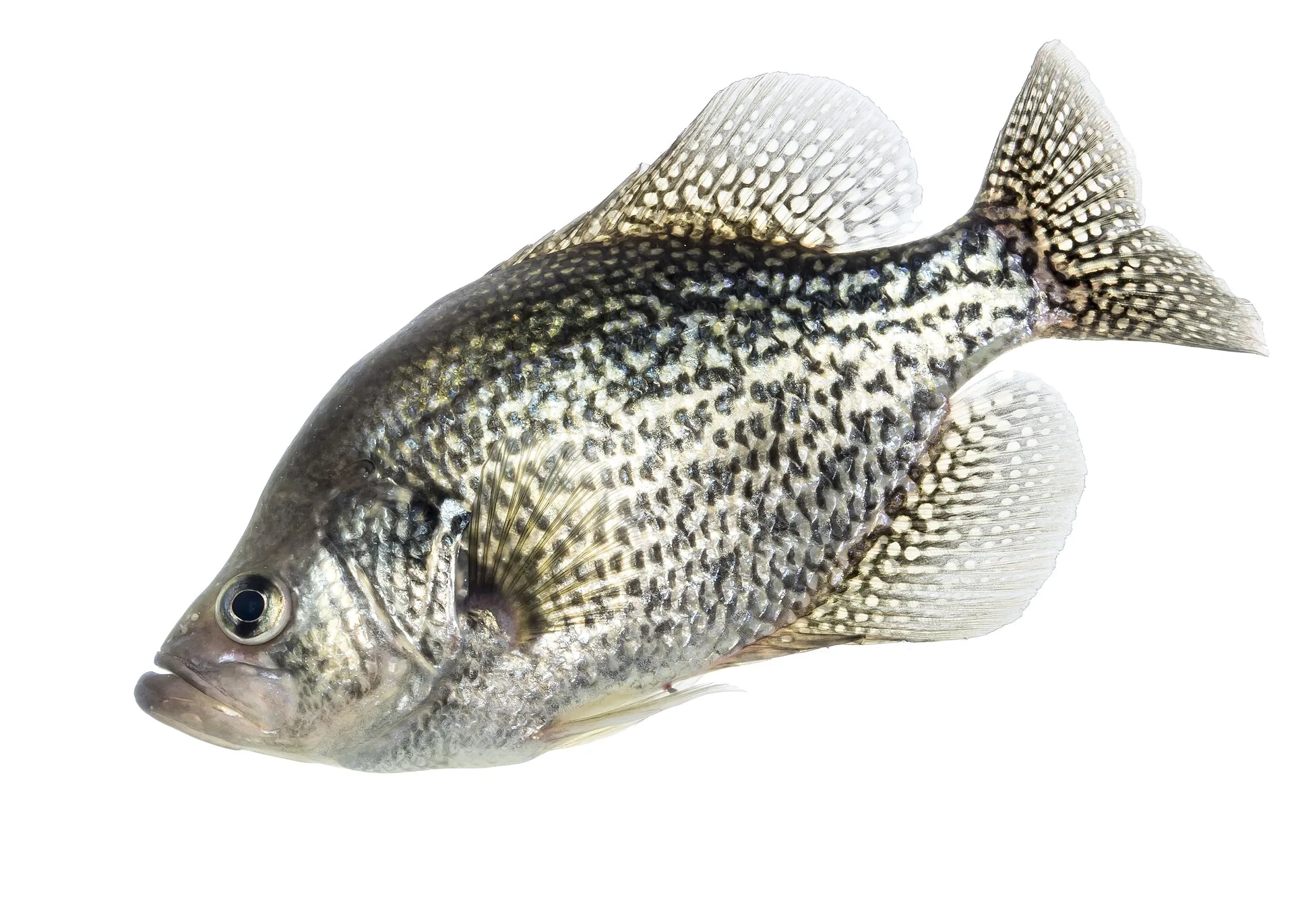
Fråga tio crappiefiskare varför hugget dog och de flesta pekar på barometern. Crappie har rykte om sig att vara den mest tryckkänsliga fisken i sjön, känsligare än bass, känsligare än gös. En del av det ryktet är förtjänat och en del är skröna som upprepats tills det låter som vetenskap. Här är det som är värt att behålla och det som är värt att slänga.
Börja med fysiken, för den skär ner myten till rätt storlek. Svängningen från ett djupt oväderslågtryck till ett kraftigt högtryck med fint väder är ungefär fyra procents förändring i tryck. För en fisk känns det som att flytta sig ungefär fyrtio centimeter upp eller ner i vattnet, något en crappie gör utan att tänka varje gång den följer ett stim betesfisk. Tanken att den här lilla förändringen fysiskt skadar dem håller inte. Så om du har läst att crappie "känner" en fallande barometer i simblåsan och slutar äta, behandla det som en historia, inte en mekanism.
Varför crappie ändå verkar mer tryckkänsliga
Så varför beter sig crappie faktiskt kinkigare kring väder än många andra fiskar? Det är ingen magi i barometern. Det handlar om vad crappie är.
De är stimfiskar som står fritt ute i öppet vatten, med stora ögon byggda för svagt ljus. Det gör dem ovanligt känsliga för det som vädret ändrar samtidigt som trycket: ljusnivå, siktdjup och var betesfisken står i vattnet. Ett skarpt, klarblått högtryck efter en front gör två saker som crappie hatar. Det fyller det klara vattnet med ljus, vilket pressar de ljuskänsliga fiskarna tätt intill skydd, och det får dem oftast att stå djupare eller tränga in i den tätaste risvase de kan hitta. De slutar inte existera. De blir svåra att nå och svåra att trigga. Det är den verkliga "tryckdöden" de flesta beskriver, och barometern är bara budbäraren.
Byt ut myten mot trenden
Sluta stirra på det absoluta värdet och håll koll på vilket håll det rör sig åt. Riktningen är signalen som faktiskt lönar sig.
Det pålitliga mönstret är ätfönstret precis före en annalkande front. När barometern börjar falla och himlen blir grå och tung laddar crappie ofta upp. De går grundare, lämnar den djupa risvasen och drar längs kanterna, och blir aggressiva på ett sätt de nästan aldrig är under hög, klar himmel. Nu är det läge att fiska snabbare och lite bullrigare. Sök av vatten, låt jiggen simma i stället för att låta den ligga stilla, kör en liten crankbait längs en grund platå, trolla med flera beten om det är din grej. De är villiga att jaga, så låt dem göra det.
Sedan passerar fronten och det rena högtrycket lägger sig, och hugget blir snålt. Den delen är verklig även om orsaken är ljuset och inte smärta. Fiskarna gräver ner sig i det tätaste skyddet, ställer sig fritt i vattnet och blir neutrala. Det klassiska misstaget är att fortsätta fiska frontmönstret. Sakta i stället ner allt. Släpp en liten jigg eller en levande betesfisk rakt ner i riset och håll den kvar där. Gå lättare, gå mindre, och lägg betet på deras nos, för en crappie efter fronten äter det som kommer fram till dörren men simmar inte tvärs över rummet för det.
Det underskattade läget är stabilt. Två eller tre dagar med platt, oföränderligt tryck är inte tråkigt, det är det mest förutsägbara crappiefiske som finns. Fiskarna lägger sig på ett djup och en rytm, och när du väl hittat stimmet kan du mjölka det. En lång stabil period slår en dramatisk sväng nästan varje gång. Den djupare genomgången i hur vädret faktiskt tänder ett hugg gäller crappie också, bara ett snäpp mer på grund av de där stora ögonen.
Vad du gör i varje läge
Fallande tryck, front på väg in: bli aggressiv och rörlig. Crappie står uppe och drar omkring, så låt en lätt jigg på 2 till 3,5 gram simma, sök av riskanterna och bropålarna, och fiska en aning grundare än lugndagsdjupet.
Stigande tryck, klart och skarpt högtryck efter fronten: bli långsam och precis. Hitta det tätaste skyddet, gå ner till en liten jigg eller en enda levande betesfisk under ett flöte, lätta upp linan och jobba den centimeter för centimeter. Vertikalt jiggande rakt ner genom stående, dränkta träd lyser här, för du kan släppa betet i den lilla fläck en sur fisk faktiskt försvarar.
Stabilt tryck, lugnt och stadigt väder: lita på klockan och kartan. Crappie äter i en rytm nu, så luta dig mot gryning och skymning och fiska på djupet där du hittade dem i går.
Inget av det här är någon garanti. Vädret förskjuter oddsen, det placerar inte din fisk, och ett crappiemönster kan brytas av skäl som inte har något med himlen att göra. Behandla varje avläsning som sannolikhet, fiska högprocentslägena hårt, och nöt de lågprocentiga långsamt och tätt intill skyddet.
Det är hela tanken bakom napp. Den läser av det aktuella vädret vid ditt närmaste vatten, inklusive åt vilket håll trycket är på väg just nu, och rankar hur troligt det är att crappie och de andra arterna hugger, med resonemanget synligt så att du kan säga emot. Ta fram förhållandena och hugget just nu vid vattnet närmast dig, eller bläddra efter område på sidan regioner, gratis och utan inloggning, på napp.fish.
Foton: USFWS Mountain Prairie, Public domain