
Lake James
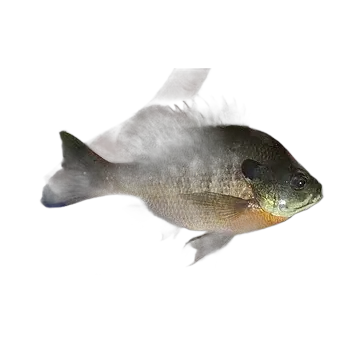
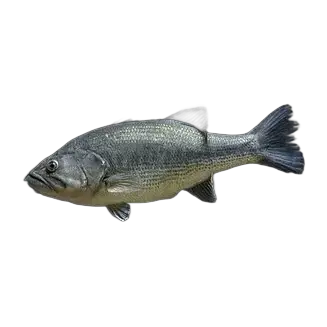
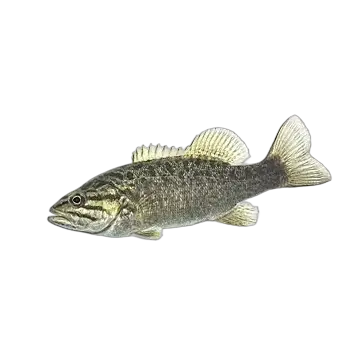
Lake James is a lake in North Carolina. Anglers here fish mainly for Bluegill, Largemouth Bass and Smallmouth Bass.
Best day to fish
The bite over the next days, scored at dusk. Based on the weather forecast, so it is guidance, not guarantees.
Conditions right now
Water temperature is an estimate based on weather and season.
Best times today
Local time at the spot, from the most likely species' daily rhythm.
Feeding times today
Solunar times are a traditional guide based on the moon's position, separate from the live ranking above. Local time at the spot.
Next hours
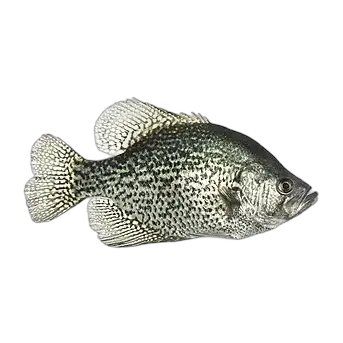
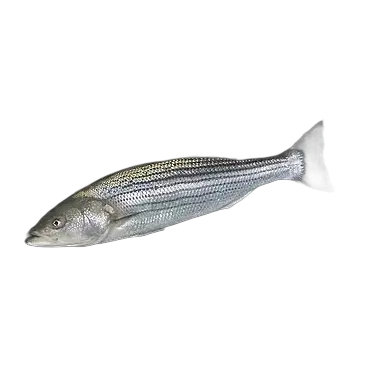
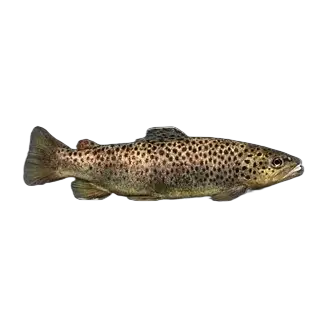
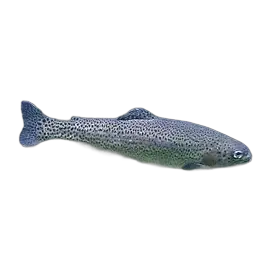
Likely catch now (12 species)
About the fishing here
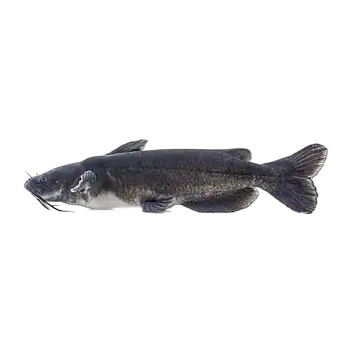
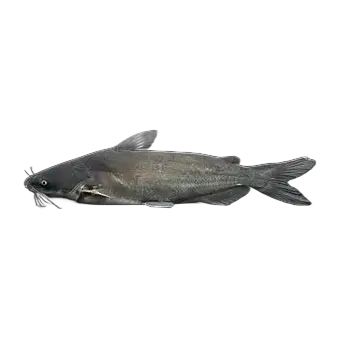
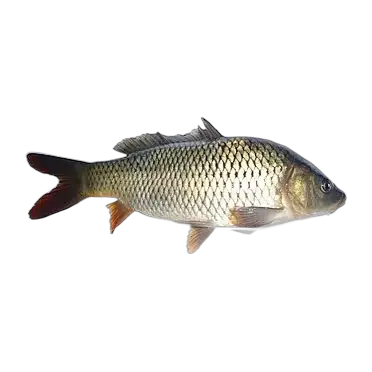
Popular catches here include Bluegill, Largemouth Bass, Smallmouth Bass, Channel Catfish, Blue Catfish and Common Carp.
Bluegill fishing is usually best around May-Jul. The best windows are usually dawn, day and dusk.
A state fishing license is required to fish here. Napp ranks the species above from the live weather, water temperature, season and time of day, so the order changes through the day.
Guides for this water
Tips right now
Fishing permit
A state fishing license is required to fish here. Licenses are issued by each state:
About this water

Lake James is a large reservoir in the mountains of Western North Carolina which straddles the border between Burke and McDowell Counties. It is named for tobacco tycoon and benefactor of Duke University James Buchanan Duke. The lake, with surface elevation of 1200 ft, lies behind a series of 3 earthen dams. It was created by Duke Power between 1916 and 1923 as a hydro-electric project. It still generates power today and is the uppermost lake on the Catawba River system.
Read more on Wikipedia →Map
More waters nearby
Common questions
What fish can you catch at Lake James?
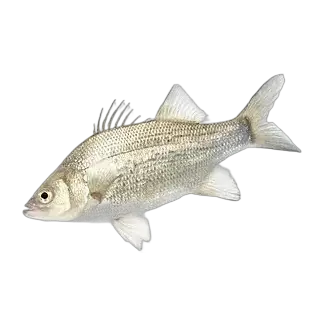
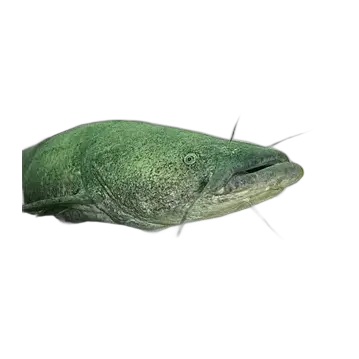
Popular catches here include Bluegill, Largemouth Bass, Smallmouth Bass, Channel Catfish, Blue Catfish, Common Carp, White Bass and Flathead Catfish.
Do you need a fishing license at Lake James?
Yes. A state fishing license is required; see the link on this page for the state's rules.
When is the best time to fish Lake James?
Bluegill fishing is usually best around May-Jul. The best windows are usually dawn, day and dusk.
What is biting at Lake James right now?
Right now Bluegill is the most likely catch, at about 40%.