Sommerfiske: slik får du fisk når vannet blir varmt
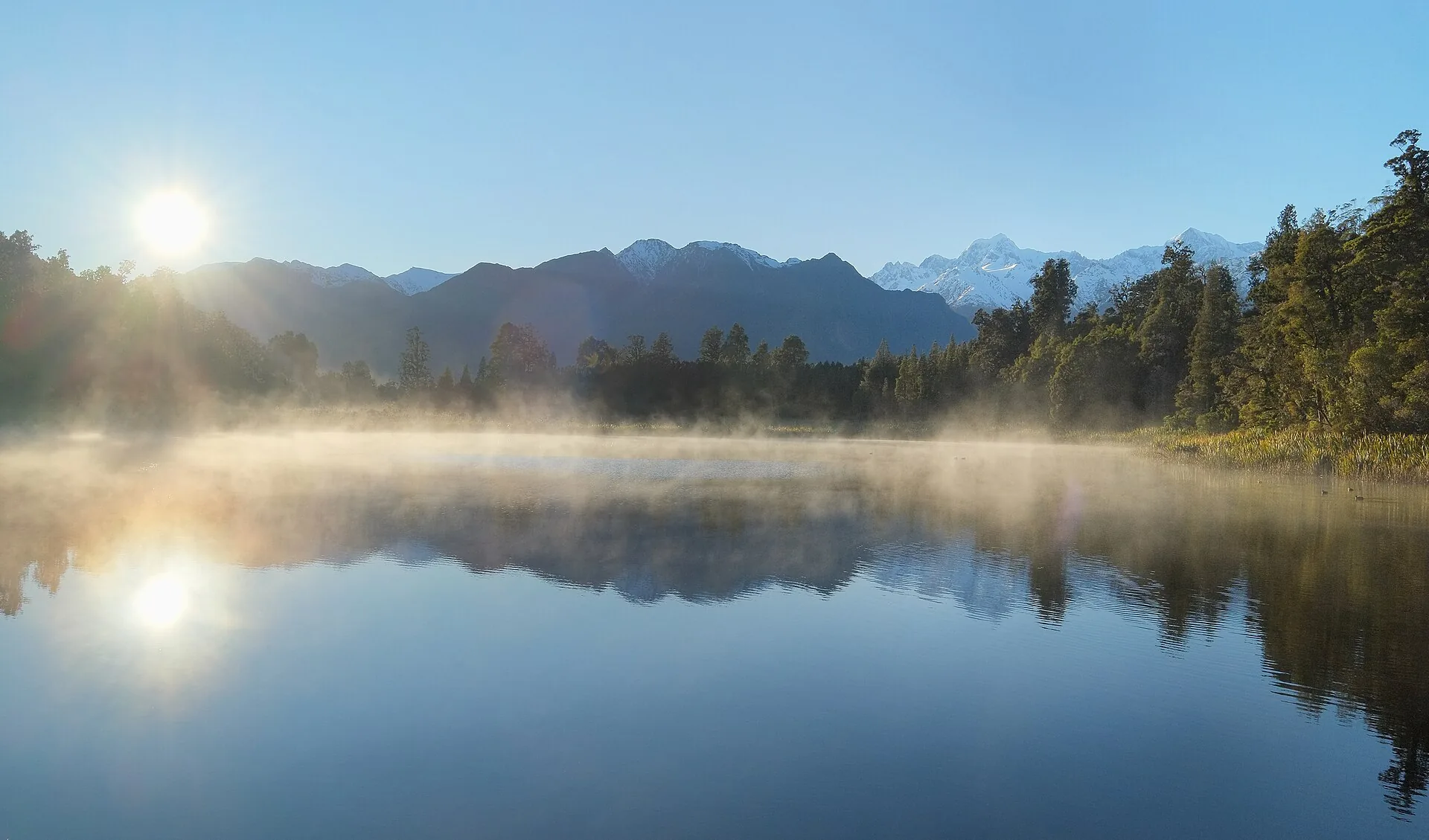
Fisken dro ikke. Den sluttet bare å gjøre det du venter deg, omtrent på det tidspunktet da overflaten krøp opp mot godt over 20 grader (high 70s F) og lufta ble stille. Den døde perioden midt på dagen i juli er ikke uflaks. Det er fysikk og biologi, og når du først skjønner hva varmen gjør med et vann, kan du fiske rett gjennom de seige timene i stedet for å stirre på en livløs dupp.
Hvorfor varmt vann slår av hugget
Varmt vann holder mindre oppløst oksygen enn svalt vann. Det er hele historien i én setning. Så snart overflaten klatrer opp i høye 20-tallet (high 70s F) og presser mot 30 grader, klarer rett og slett ikke det øverste laget å bære like mye oksygen, og oksygenfattig vann er lite fristende for agnfisk og rovfisken som spiser dem. Agnet flytter seg, så abboren flytter seg.
Fisken er vekselvarm den også. Kroppstemperaturen følger vannet, så en het ettermiddag skrur opp forbrenningen samtidig som oksygenet som skal drive den, går ned. De blir stresset og dovne på samme tid. De kommer ikke til å jage et raskt agn tvers over åpent vann klokka to når sola hamrer på overflaten. De trekker seg unna og venter på bedre forhold.
I dypere vann danner det seg et sprangsjikt, et ganske skarpt belte der det varme overflatelaget møter det kalde vannet under. Det kalde vannet under er ofte utarmet på oksygen, så fisken står sjelden nedenfor den grensa. Det kan presse dem inn i en overraskende tynn skive av vannmassen. I enkelte vann midt på sommeren ligger sprangsjiktet mindre enn tre meter ned, noe som dytter fisken grunnere enn du skulle tro, ikke dypere.
Fisk de svale kantene av døgnet
Den enkeltstående største endringen du kan gjøre, koster ingenting. Slutt å fiske de timene du synes er behagelige, og begynn å fiske de timene fisken synes er behagelige.
Grålysningen er førsteklasses. Vannet er på sitt svaleste, oksygenet er på sin daglige topp, og det svake lyset gjør rovfisken dristig. De første to timene etter daggry er ofte verdt mer enn hele midten av dagen. Skumringen gjør det samme baklengs, og i varmt vann kan kveldshugget vare lenge etter solnedgang. Nattfiske er genuint bra om sommeren for abbor og gjørs, og også karpe og malle i de vannene der de finnes. I Norge hugger abboren godt i de svalere kveldstimene.
En overskyet, vindfull dag gir deg de samme forholdene gratis, hele dagen lang. Skyene demper lyset og vinden pisker oksygen ned i overflaten. En grå, krapp ettermiddag i august kan fiske bedre enn en strålende morgen. Bli ikke hjemme bare fordi været ikke er prospektpent.
Søk dit oksygenet og maten er
Når du først fisker i varmen, slutt å gå over dødt vann og gå rett på stedene som holder oksygen. Det finnes fire pålitelige.
Dybde. Dypere vann holder som regel mer oksygen og holder seg svalere om sommeren, så å jobbe langs kantbruddene og strukturer ute fra land er et trygt utgangspunkt, så lenge du holder deg over sprangsjiktet. En drop shot eller en dyptgående wobbler gjør nytta her.
Strøm og innløp. Vann i bevegelse er oksygenrikt vann. Munningen av en tilrennende bekk, et sted nedenfor en demning, en vindfull odde med litt strøm, alt slikt drar inn svalere, oksygenrikt vann og agnet hoper seg opp. Fisken finner disse stedene fort om sommeren. Det bør du også.
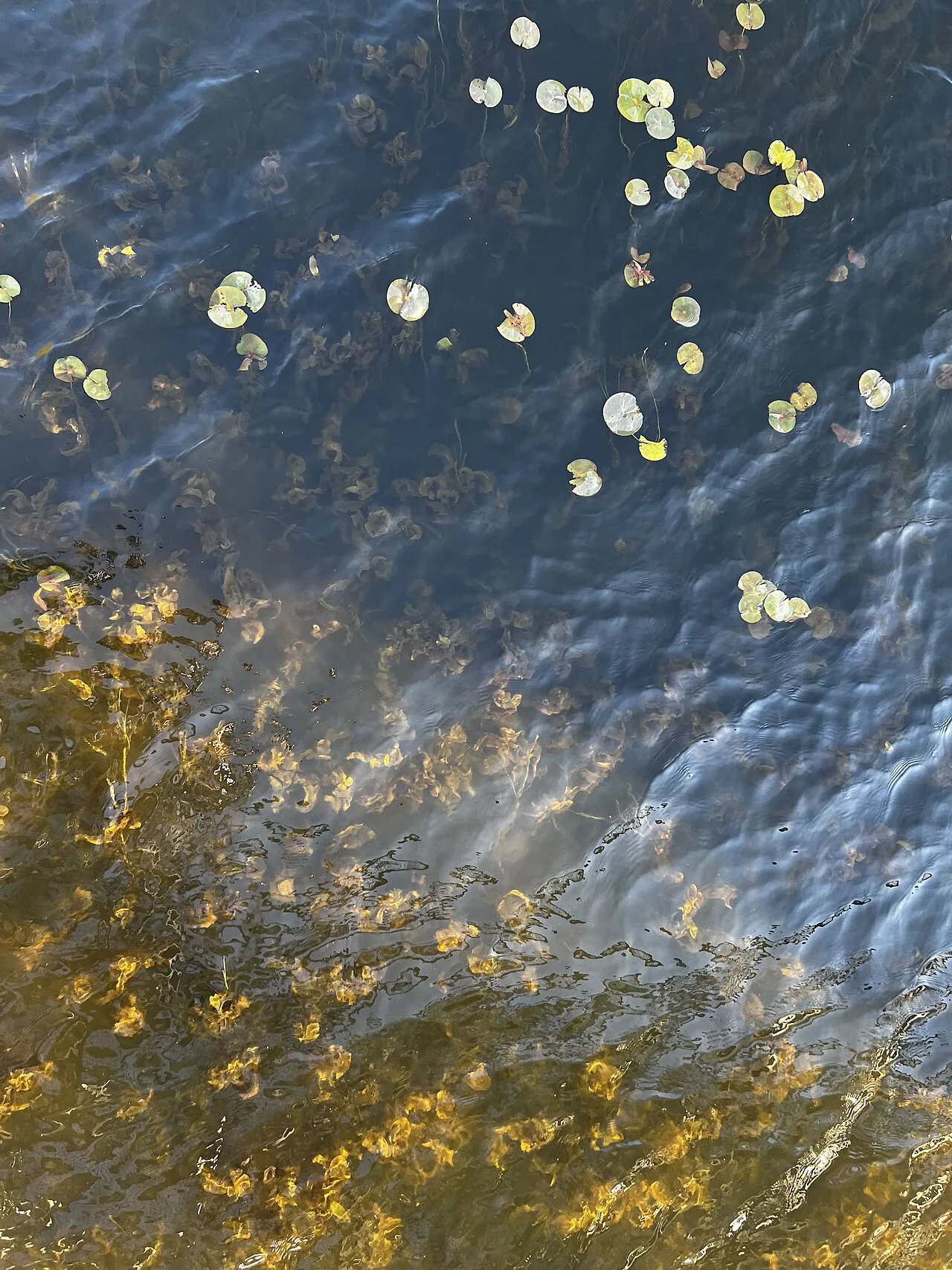
Skygge. Overhengende trær, brygger, underminerte strandkanter, tett siv og vannliljer gjør to jobber. De kaster skygge som holder vannet under dem svalere, og siv og liljer pumper ut oksygen mens de holder på. Vannet under en matte av tjønnaks kan være flere grader svalere enn det måleren din viser ute på åpent vann. Pitch rett inn i det mørke. Det er der fisken sitter ut varmen.
Vindslåtte strender. Vinden er en gave om sommeren. Den oksygenerer overflaten og den dytter rent fysisk plankton, så agnfisk, så rovfisk opp mot den stranda den blåser inn mot. Den stranda alle unngår fordi den er krapp og kronglete å kaste fra, er som regel den som holder fisk. Fisk den rotete stranda, ikke den rolige.
Tilpass taktikken etter klokka
Begynn på overflaten mens det fortsatt er svalt. Tidlig om morgenen kan overflatefiske over sivkanter og rundt skygge fra brygger være dagens beste hugg, særlig i det svake lyset. Walking baits og poppere langs skyggelinjene lokker opp abboren før sola kommer høyt.
Når sola klatrer, følg fisken nedover. Gå under overflaten og dypere gjennom midten av dagen. En softbait jobbet sakte langs bunnen, en drop shot, en dyp wobbler langs strukturer. Senk farten på alt. En het fisk vil ha et lett, langsomt mål, ikke et brennende inntak.
Match agnstørrelsen etter lyset og vannet. I klart, varmt, lyst vann, gå ned i størrelse. Mindre, mer naturtro agn og tynnere line får hugg når vannet er speilklart og fisken er skeptisk. I grålysning, skumring og mørke, eller i grumset vann, gjør det motsatte og fisk store, høylytte, mørke profiler som er lette å finne. Stort agn i svakt lys, finesse midt på blanke dagen.
Len deg på fisken som elsker varmen

Noen arter furter i varmt vann og andre trives i det, så fisk etter dem som trives. Largemouth bass, malle og karpe har det alle godt i varmt vann og holder seg aktive når annen fisk gir seg. Mallen blir særlig bedre jo varmere vannet blir, og skumring inn i natt er dens vindu. I Norge hugger abboren godt i de svalere kveldstimene når toppen midt på dagen har passert, og gjørsen er spesielt komfortabel med å jakte i svakt lys.
Kaldtvannsfisken er den som sliter. Ørreten blir treg og stresset når vannet blir varmt, og abboren, som er vekselvarm, trapper ned matingen så snart vannet klatrer over rundt 20 grader (68 F), særlig midt på dagen. Er ørret målet ditt under en hetebølge, fisk det kaldeste vannet du finner, innløpene og de kildespringende strekningene, og fisk tidlig.
Håndter fisken varsomt når det er hett
Dette betyr mer om sommeren enn noen annen tid på året. Varmt vann holder mindre oksygen for fisken også, så en fisk du kjører hardt og deretter holder oppe av vannet, er i ekte trøbbel, selv om den svømmer av gårde og ser fin ut. Ørret spesielt dør etter gjenutsetting i varmt vann fordi den ikke klarer å hente seg inn. Land den fort, hold den våt, krok den av i vannet om du kan, og slipp den raskt. Er vannet virkelig hett og fisken en kaldtvannsart, er noen ganger det rette grepet å la den være i fred til forholdene bedrer seg.
Før du drar ut en het dag, er det verdt å vite hva vannet faktisk gjør. Du kan sjekke det anslåtte vanntemperaturen og den regelbaserte rangeringen av hva som mest sannsynlig hugger ved nærmeste vann akkurat nå, gratis og uten innlogging, på napp.fish. Et blikk på det forteller deg om du skal jage grålysningshugget eller bare vente på kvelden, så du ikke kaster bort en stekende midt på dag på fisk som allerede har slått seg av.
Foto: Julian Herzog, CC BY 4.0 · PinchyCC, CC BY 4.0 · Sam Stukel/USFWS, Public domain