Spring Fishing Guide
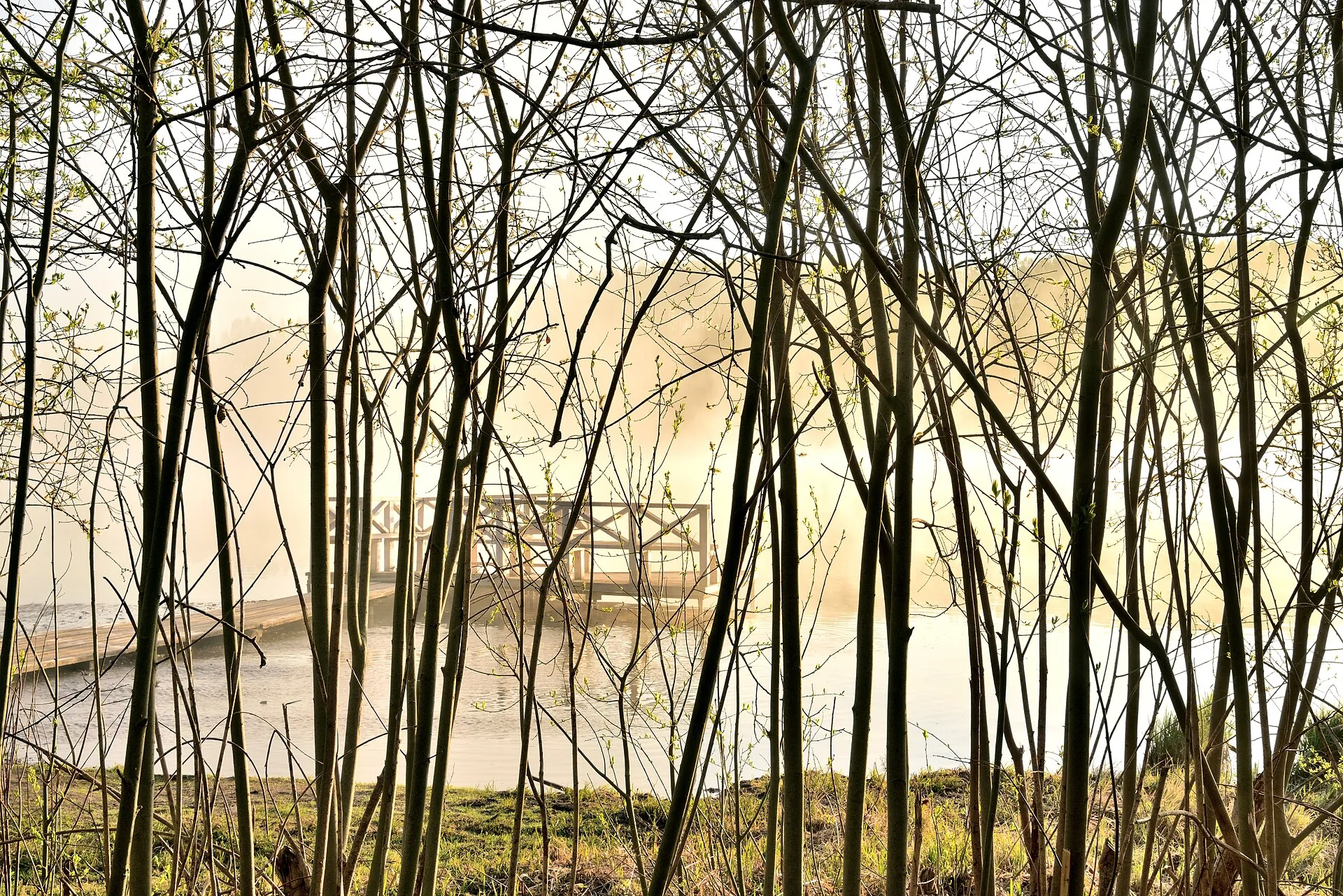
Forget the deep structure and the electronics for a few weeks. In spring the whole lake collapses into the top few feet of water, and the angler still grinding offshore humps in 30 feet is fishing the calendar from a month ago. This is the one season where shallow is not a backup plan. It is the whole plan.
The reason is plain physics. Cold water is dense and slow to move. As the sun climbs higher each day, the shallow margins warm first and fastest, and fish that spent winter half shut down follow that heat up. A bay that reads 48 F at the boat ramp can sit at 55 F in the back corner by mid afternoon. That seven-degree gap is not a rounding error in spring. It is the difference between fish that are barely moving and fish that are actively feeding and getting ready to spawn.
Chase the warmest water you can find
A few degrees is everything right now, so go hunt them down. The north shore takes the most direct sun as it tracks low across the southern sky, so the north bank usually warms first. Dark bottoms, mud, dead weed, dark rock, soak up heat and radiate it back, while clean sand and gravel stay cold longer. Shallow, protected bays warm faster than the open main lake because there is less water to heat and the wind cannot stir it cold. Creek arms and the backs of canals are spring ovens.
Wind matters too, and not the way most people think. A steady warm wind pushes the sun-heated surface layer to the downwind bank and stacks it there, so the windblown shore can be both warmer and richer in drifting food. If you buy one tool this season, make it a cheap surface thermometer, then read why those numbers move the fish in the water temperature and fishing breakdown.
The prespawn feed runs in sequence
Here is the part that makes spring the best big-fish window of the year. Before a fish spawns it feeds hard to fuel the effort, and it does that in the shallows where you can actually reach it. Prespawn is when the heaviest females of the year are catchable in two feet of water. It does not last, so you fish it when it is on.
The key is that the species do not all go at once. They run in a temperature sequence, coldest spawners first. Pike are first out of the gate, prowling shallow bays while the water is still in the low 40s F and there is ice memory in the lake, which makes very early spring the prime trophy pike window. Perch follow as the water reaches the mid 40s, ganging up on the first warming flats. Bass are last, getting serious as things climb through the high 50s and into the 60s F, with walleye slotting in early alongside the pike. So the same shallow bay hands you a different headliner every couple of weeks. Match what you throw to whichever species the temperature has switched on, not to whatever worked last year on this date.
Early spring, the afternoon beats the dawn
This is where spring breaks the first rule every angler learns. In summer you fish the cool low-light edges of the day. In cold early-spring water you do the opposite. At dawn the shallows have shed heat all night and sit at their coldest, and the fish are sluggish. Then the sun works on that dark-bottomed bay for hours. By early to mid afternoon the shallows have warmed a few degrees, the fish slide up, and the bite switches on right when a summer angler would be packing up. The same logic that pins the best time of day to low light in July flips it to the warm middle of the day in April.
Be honest with yourself about cold snaps, though. Conditions move the odds, they do not place the fish. A hard late frost or a few days of cold rain drops the shallows back down and stalls the whole thing, sometimes for a week. The fish do not vanish. They go quiet and slide a little deeper until the warming trend resumes. Muddy meltwater inflows cut both ways: early in the melt an inflow can run a degree or two warmer and carry food, but a slug of cold runoff after a fresh snowmelt or downpour can shut a creek mouth down cold. Read the trend, not the single day.
None of this needs a spreadsheet. napp reads the live weather and the estimated water temperature at your nearest water and ranks how likely each species is to be biting right now, with the reasoning shown, so you can see whether spring has actually reached your shallows yet. It is free and there is no login at napp.fish. Pick your spot, or browse by region, and let the water temperature tell you which fish the season has switched on.
Photos: Александр Байдуков, CC BY-SA 4.0