Cold Water Pike: The Slow Retrieve Technique That Works
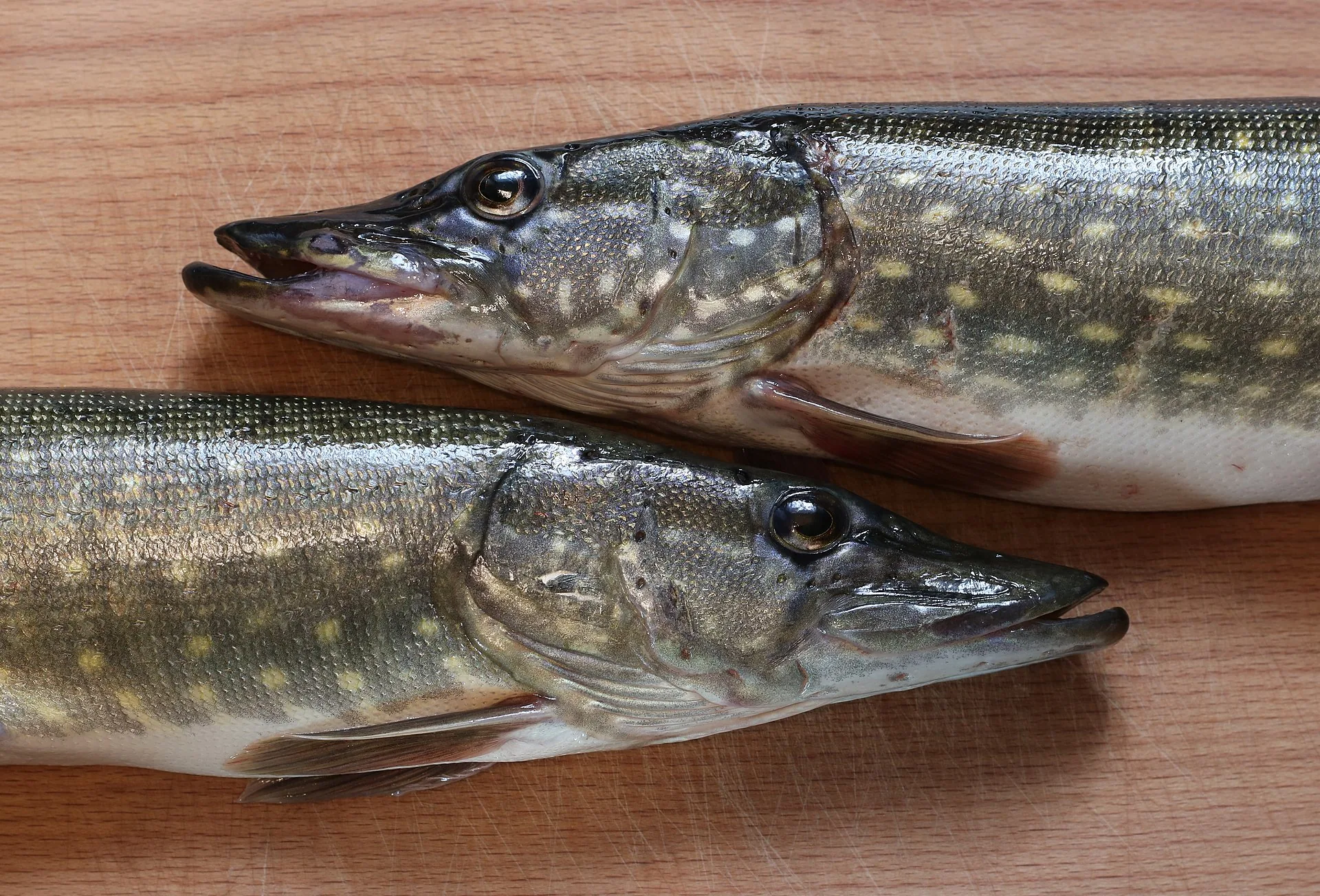
Pike are ectotherms. Their body temperature tracks the water around them, and that governs digestion speed and how fast a muscle fiber can fire. The rule of thumb for cold-blooded animals is that metabolic rate roughly halves for every 18F (10C) drop in temperature. Push the water down toward 46F (8C) and a pike is operating on a fraction of its summer output. That is not folklore, it is basic biochemistry, and it explains why the fast retrieve that worked in June goes dead in December.
Why a slow lure beats a fast one below 46F
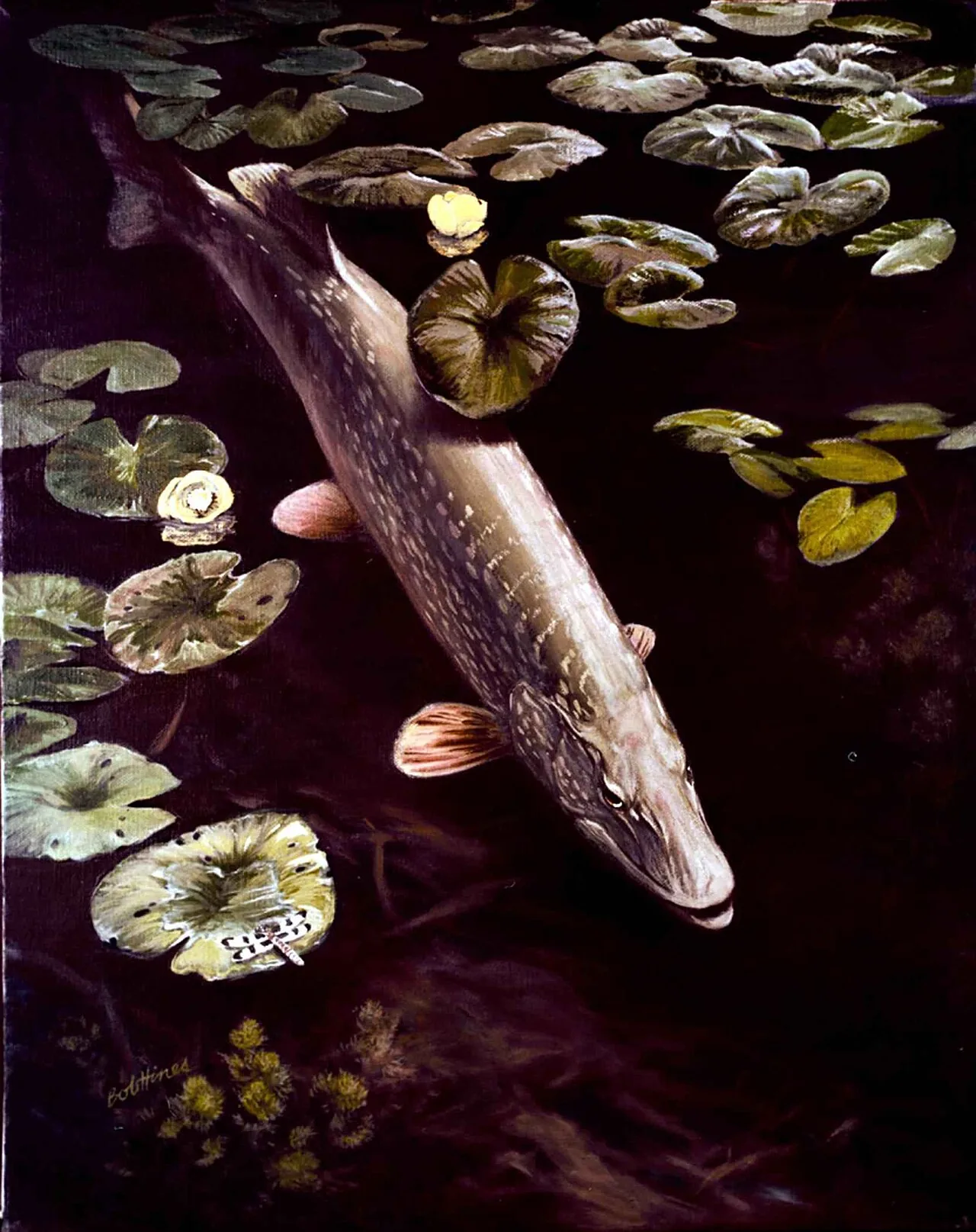
At 65F a pike can accelerate hard, chase a fleeing baitfish twenty feet, and still come out ahead on the energy math. At 46F it cannot. Muscles contract slower, enzymes run at a fraction of the summer rate, and a hard sprint after a lure that is already past it costs more calories than the meal delivers. So the fish stops trying. It holds low, in the slowest water nearby, and waits for something to drift close enough that it barely has to move.
A fast-cranked spinnerbait or a ripped jerkbait, deadly in warm water, gets mostly ignored once the water crosses that line. The lure is outrunning the fish's willingness to commit, not its ability to see it. For the general year-round picture of where pike hold and what triggers a strike in warmer conditions, see how to catch pike. Cold water flips most of that.
What "slow" means at the rod tip
Slow does not mean a gentler version of your summer retrieve. It means pauses long enough that the fish actually has time to react.
With a soft plastic swimbait, let it sink close to bottom before you start reeling, just fast enough to keep the paddle tail ticking over, and stop every few turns for a three count. A cold pike often eats on the fall or in that dead pause, not mid-retrieve.
Glide baits reward the same patience. One sweep of the rod, then a full stop where the bait glides sideways and settles, beats a steady wind almost every time. Count two full seconds before the next sweep, longer in genuinely cold water, and resist the urge to speed up out of boredom. That boredom is the point, you are fishing at the pike's pace now, not yours.
Suspending jerkbaits are built for exactly this. Twitch, pause, and let the bait hang dead still in the strike zone for a four count before the next twitch. A bait doing nothing is doing more work than most lures do moving.
Dead bait and the low-effort meal
Once the water settles into the low 40s Fahrenheit, a dead bait rig often outfishes anything you can reel. A whole smelt or herring under a simple float, or fished along the bottom on a ledger rig, asks nothing of the fish, it just has to open its mouth. That is the cheapest meal in the lake, which is why dead bait accounts for some of the biggest cold-water pike of the season.
Do not shrink the bait to match a slower fish. Go bigger instead. A large, slow-moving target is easier for a sluggish pike to intercept than something small and darting, and a meal that costs almost no effort is exactly the trade a cold pike wants.
Read the actual water temperature, not the air
This is where guessing gets anglers in trouble. A bright, mild afternoon can sit on top of water still stuck at 41F if a cold snap hit the week before, and the fish behave accordingly no matter how warm the day feels on your skin. napp shows the current estimated water temperature for the nearest spots to you, so you can check if you are above or below that roughly 46F line before you rig up. Pull up the nearest water on napp.fish and it also ranks what is most likely biting right now, by time of day and conditions, so you are not fishing a fast retrieve into a slow-water day by accident.
Once you are under that line, work the deepest slow water near a feeding flat, fish the early afternoon after the sun has had the longest stretch to warm the shallows, and give every retrieve more time than feels natural.
Pike seasons, size limits, and catch-and-release rules vary by water and country, and some fisheries close entirely around the spawn. This is a technique guide, not a substitute for checking your local regulations before you go.
Check the water temperature, see what napp rates as biting right now, or browse the regions napp covers to find your nearest spot, free and with no login, at napp.fish.
Photos: George Chernilevsky, CC BY-SA 4.0 · Hines Robert W, U.S. Fish and Wildlife Service, Public domain · R. Henrik Nilsson, CC BY 4.0