Pimpelfiske för nybörjare
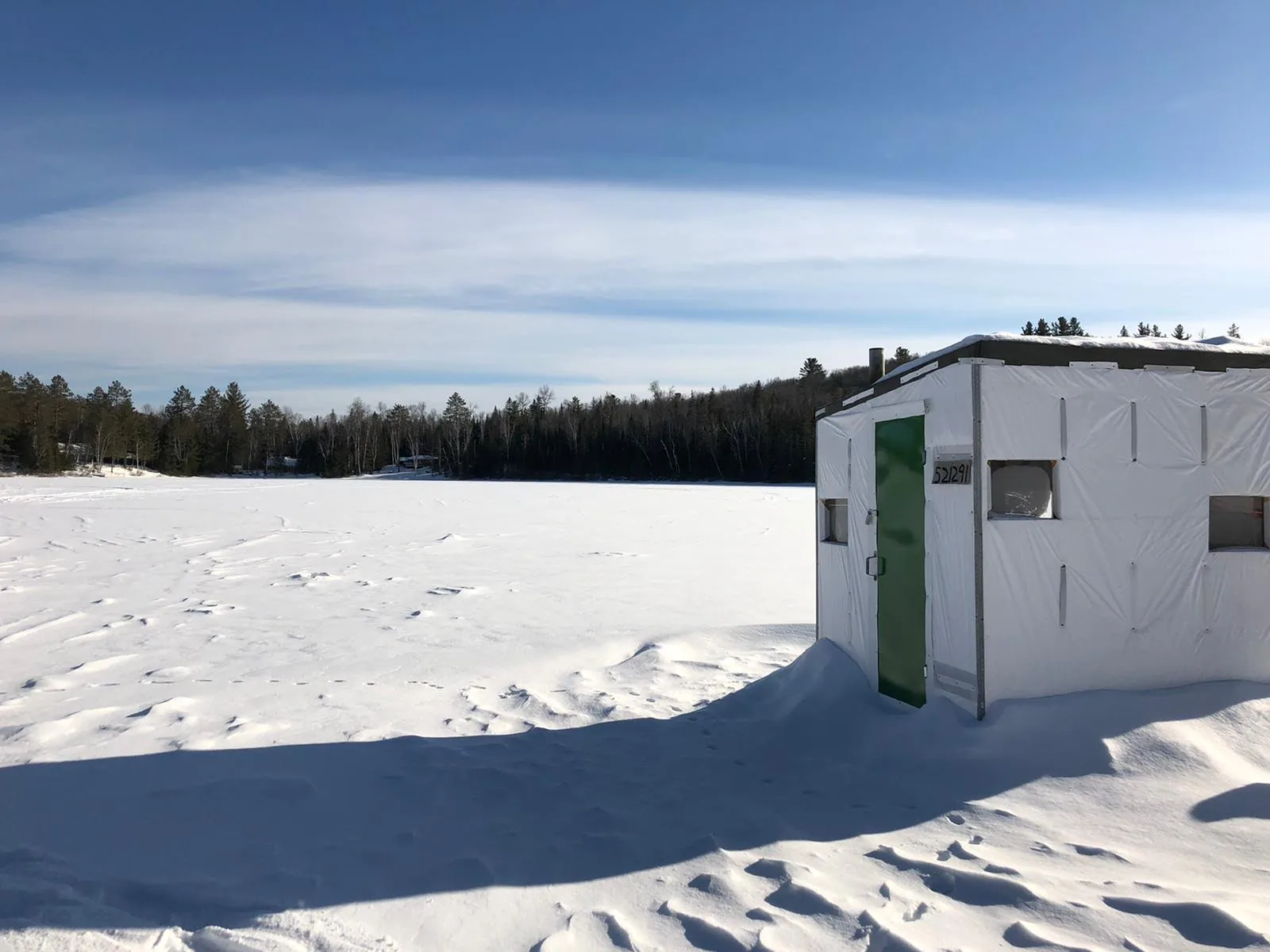
Kalla nätter ger inte säker is. Klar, hård is som har fått tid att lägga sig och som inte har någon ström som gnager på den gör det. Det är inte samma sak, och i glappet mellan dem är det folk går genom. Så innan allt det roliga, den del som inte är valfri.
Isen är det enda som kan döda dig
Allmän vägledning, ingen garanti: håll dig borta från allt under ungefär 4 tum (10 cm) klar, hård nyis om du är ensam och till fots. Under det spelar du hasard. Och "klar" spelar roll. Svart eller blå is som frusit långsamt och massivt är stark. Vit, ogenomskinlig snöis är ungefär hälften så stark, så ett lager av den räknas för mycket mindre än vad måttbandet säger.
Här är det nybörjare missar: is är aldrig jämntjock. En sjö kan bära en fot i mitten och två mjuka tum fyrtio steg bort. Allt som rör vatten gör isen ovanför tunnare. Inlopp och tillflöden, källsprång under ytan, sund och kanaler med ström, kanterna på vassbälten, runt bryggor och bropålar, och längs tryckvallar där istäcket har hävt sig och frusit om. Betrakta allt sådant som misstänkt.
Så du testar allt eftersom. Ha med en isbill och knacka på isen ett steg framför dig. Går den igenom på en eller två ordentliga stötar, vänd om. Bär isdubbar i ett snöre runt halsen så att du kan ta dig upp om det värsta händer. Ha med en kastlina. Berätta för någon vad du planerar, kolla den lokala israpporten, prata med fiskare som var ute på den här veckan, och gå aldrig ensam, särskilt på tidig eller sen is. Inget av det här är överdrivet försiktigt. Det är bara vad inträdet kostar.
Att hoppa mellan hål slår att sitta stilla
Nu det roliga. Bilden de flesta har av pimpelfiske, en person hopkurad över ett enda hål i åtta frusna timmar, är precis så du nollar. Under isen kan du inte kasta ut till fisken, så du borrar dig fram till den istället. Rörligheten är hela fördelen.
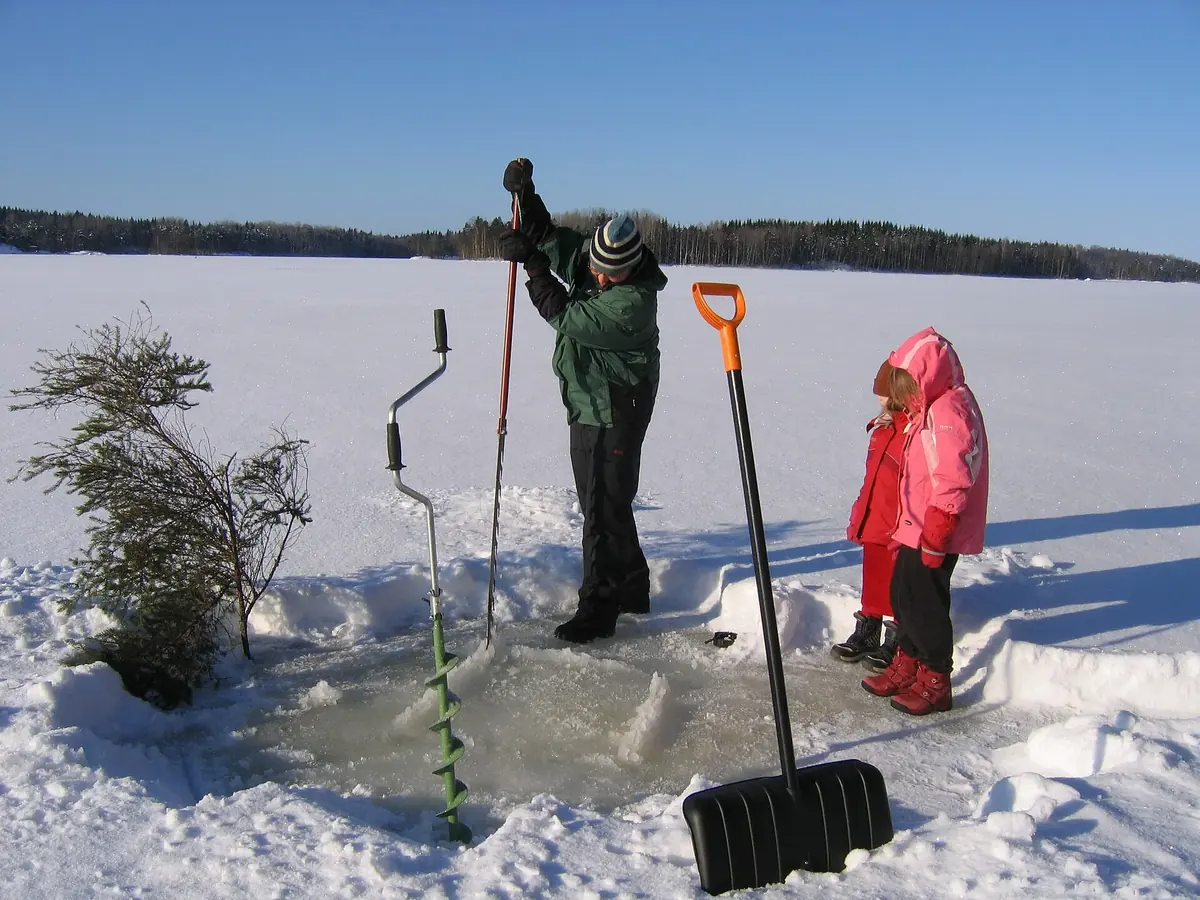
Ta med en isborr och använd den. Borra ett dussin hål eller fler i en linje som går från en grund vassplatå ut över branten mot djupare vatten. Fiska sedan varje hål i några minuter och fortsätt röra på dig tills något svarar. Inget hugg på fem minuter? Nästa hål. När du till slut hittar fisk, särskilt abborre, sakta rejält ner och jobba just det hålet, för du har nästan säkert hittat ett stim. Det är samma logik som abborrfiske på öppet vatten, bara vertikalt. Mönstret i hur du fångar abborre gäller fortfarande: hitta stimmet, fyll sedan passet.
Abborre och gädda, och hur du pimplar dem
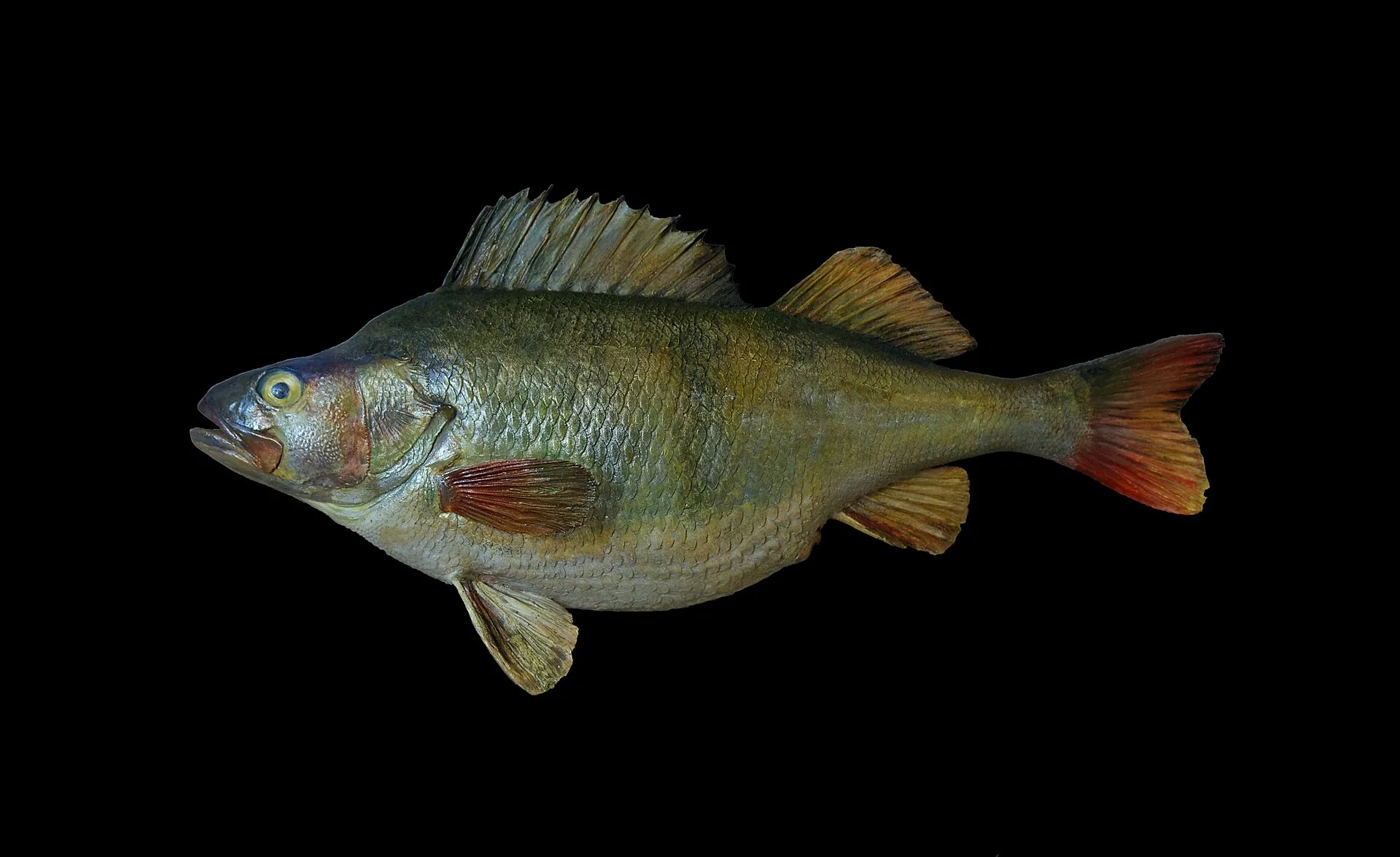
Abborren är nybörjarens isfisk, punkt slut. Den står tätt i stim hela vintern och fortsätter att äta genom kylan. Börja över vasskanter och branter på ungefär 2 till 5 m (6 till 16 fot). Släpp ner en liten pirk (1 till 1,5 tum, 2 till 4 cm) eller en tungstenpimpel agnad med en larv eller ett par fluglarver rakt ner till strax ovanför botten. Tungsten är värt pengarna: den är tätare än bly, så den tar sig snabbt tillbaka ner till stimmet mellan fiskarna, och tid i hugg-zonen är allt.
Rytmen är enkel. Ett skarpt lyft på 20 till 30 cm, låt den sedan fladdra och lägga sig, sedan en lång paus. Nästan alla hugg kommer på nedsjunket eller i den döda pausen, och i kallt vatten är det ofta bara en liten knyck eller ett litet lyft av den slaka linan, inte ett ryck. Håll ögonen på linan där den går ner i hålet och gör mothugg på allt som känns konstigt.
Gäddan är det andra enkla bytet och den bjuder på storleken. Sätt ut agnade angeldon (där de är tillåtna på ditt vatten) med en död mört eller nors nära vasskanter på grundare vatten, 1 till 3 m, och låt dem stå medan du pimplar abborre i närheten. En flagga går upp, du går bort dit. Det är ett avslappnat sätt att täcka två arter på en gång.
Tajma det rätt så behöver du knappt kämpa för huggen. De första par timmarna efter soluppgången och de sista par före mörkret är de enkla fönstren under isen, precis som på öppet vatten, vilket är hela poängen med den bästa tiden på dygnet att fiska. Helt ny på allt det här? Lär dig grunderna i fiske för nybörjare först, och lägg sedan på vinterlagret ovanpå.
Håll utrustningen liten och dig själv varm. Ett kort spö på 60 till 75 cm, tunn lina runt 0,18 till 0,22 mm, en handfull pirkar och tungstenpimplar, en burk fluglarver, en isborr och en hink att sitta på och bära allt i. Klä dig i lager, packa handvärmare och något varmt att dricka, så kan du fiska bekvämt i timmar i stället för att ge upp genomfrusen efter en.
En ärlig kommentar om förhållandena. En stabil köldperiod med lite moln fiskar oftast bättre än ett plötsligt töväder, och en fallande barometer före en front kan tända abborren direkt. Men vädret flyttar bara oddsen. Det placerar inte fisken åt dig, och det gör aldrig tunn is tjock.
Det är där en snabb koll lönar sig. napp läser av livevädret vid ditt närmaste frusna vatten och rangordnar hur troligt det är att varje art hugger just nu, med resonemanget synligt så att du ser varför, gratis och utan inloggning på napp.fish. Kasta ett öga på det innan du lastar pulkan, eller bläddra bland dina lokala vatten efter region, och lägg det korta vinterljuset på de hål som troligast ger fisk.
Foton: Kanadensare, CC BY-SA 4.0