Så läser du en sjö och hittar fisken
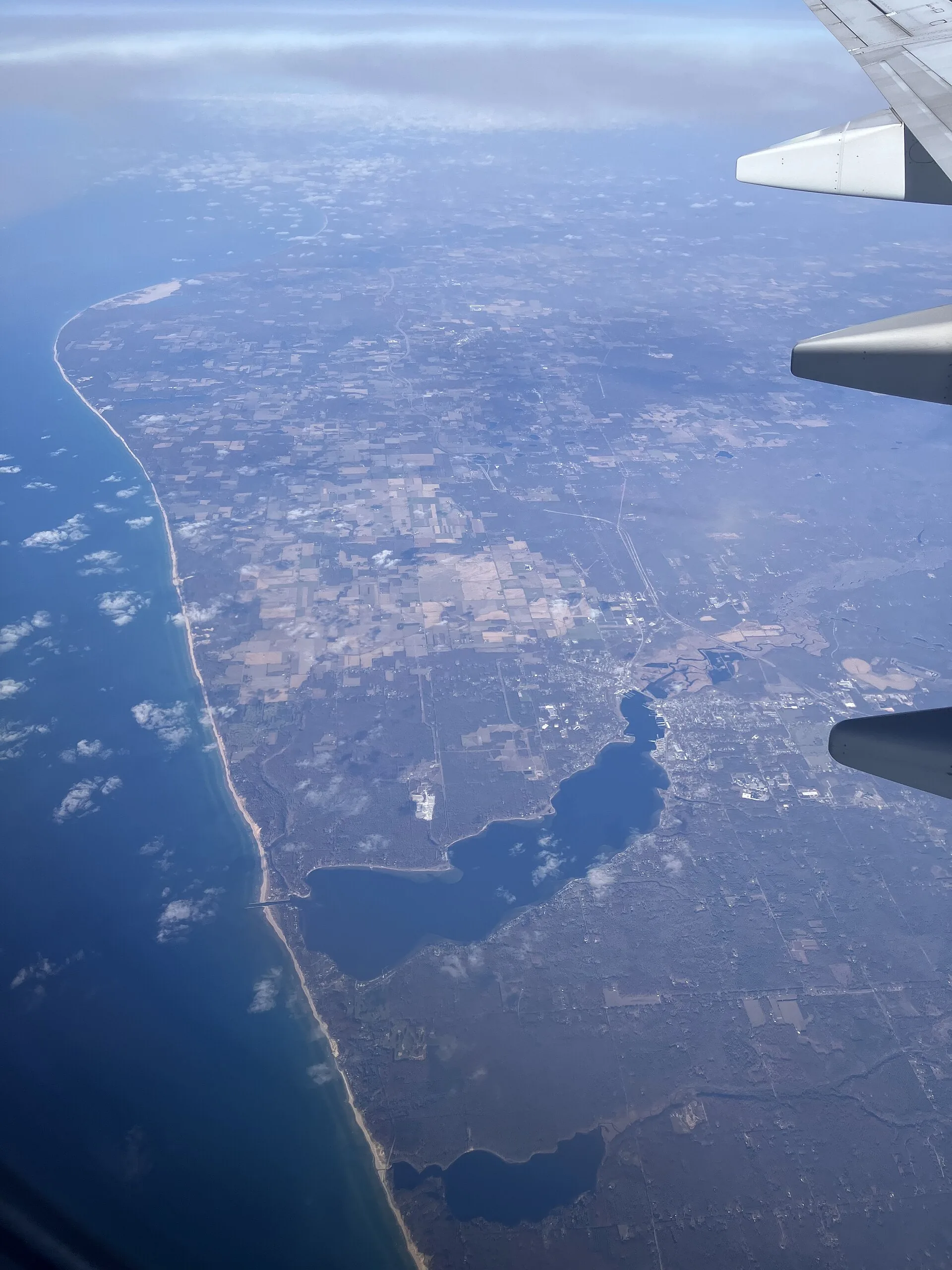
Det mesta av en sjö rymmer ingenting. En vanlig dag är ungefär nittio procent av vattnet framför dig tomt, och fisken är hoptryckt på de andra tio. Det är inte otur. Det är så fisk använder en sjö, och i samma stund du accepterar det slutar du solfjäderskasta öppet vatten och börjar jaga de få platser som håller fisk.
Från land ser en sjö ut som en jämn skål. Det är den inte. Botten har form, stranden döljer skydd, och fisken bygger hela sin dag kring bådadera. Att lära sig se den formen är den enda färdighet som överfiskar en ask full av dyra beten. Prylar fångar fiskaren. Att läsa vatten fångar fisken.
Struktur, skydd och kanten där de möts
Tre ord gör det mesta av jobbet. Struktur är bottnens form: uddar, brytkanter, bankar, rännor, grundområden. Skydd är det fisken gömmer sig i och gör bakhåll ur: vasskanter, sjunken ved, stenrösen, bryggor, näckrosor. En kant är helt enkelt där två av de sakerna möts. Vass som möter öppet vatten. Grunt som möter djupt. Hård botten som möter mjuk.
Kanter håller fisk för att öppet vatten är utsatt och en söm inte är det. En brytkant ger ett rovdjur vinklar för bakhåll, ett strömskydd att vila i, skugga som bryter dess siluett, och en kort pendling mellan djupet där den vilar och grundet där den äter. En mört eller en bluegill som driver ut från kanten är en lätt måltid, så rovdjuret väntar på linjen.
De bästa platserna staplar alla tre. En stenig udde med ett par sjunkna stockar på, som stupar ner i djupt vatten, slår hundra meter ren, detaljlös strand. En brytkant där botten faller från 1 till 4 meter på kort sträcka slår en långsam jämn sluttning, för ju brantare kant, desto tätare staplar sig fisken på den.
Stranden berättar vad botten gör
Du kan läsa mycket av den dolda botten utan ekolod, för stranden fortsätter oftast under ytan att göra det den gjorde på land.
En brant stenig strand tenderar att fortsätta falla brant när den väl blivit våt. En flack gräsbeväxt strand betyder oftast ett grundområde som sträcker sig ut innan något stup. En landudde fortsätter nästan alltid som en undervattensbank, och spetsen på den banken är förstklassig. Där en bäck, ett dike eller en trumma rinner in bär den svalare, syrerikt vatten och en ständig drift av föda, och har oftast grävt en ränna eller lagt en grusfläkt. Inlopp är något av det mest pålitliga vattnet på vilken sjö som helst.
Läs sedan skyddet du kan se. En vasskant markerar både ett djup och en bottentyp, och yttre kanten av vassen är linjen att fiska, inte mitten av salladen. En ljus dag, jobba skuggan, under bryggor och överhängande träd där fisken sitter ur bländningen. Och läs vinden: stranden den har tryckt in mot i några timmar staplar plankton, sedan betesfisk, sedan rovdjuren som äter dem. En vindpinad strand är en matlinje, inte en olägenhet. Gäddan i synnerhet ställer upp sig på just de här vasskanterna och vinddrivna uddarna som bakhållsgångar, vilket är hela idén bakom hur du fångar gädda: hitta kanten, vänta där födan trattas förbi.
Var ärlig med vad det ger dig. Att läsa stranden flyttar oddsen, den placerar inte fisken. Detaljerna talar om var du ska börja, och förhållandena flyttar fisken kring dem timme för timme. En udde full av fisk i gryningen kan vara död vid lunch.
Hitta stället på stället
De flesta fiskare hittar ett hyfsat område och nöjer sig där. De som fångar går ett steg djupare, till stället på stället, den enda oregelbundenheten inne i det bra området. Ett enda stenblock på en lång grusbank. Innerkurvan där en vasskant knäcker. Själva spetsen på udden, inte hela dess längd. Den ensamma stubben på brytkanten. Fisk koncentreras på anomalin, aldrig på genomsnittet.
Det är här lite kartläsning genar förbi allt. Ett djup- eller batymetriskt kort ritar botten som linjer av lika djup. Tätt packade betyder ett brant stup, kanten fisken rider upp och ner längs. Brett isär betyder ett grundområde. Där linjerna nyper ihop kring en udde, ringa in den, och där de sluter sig till en stängd ögla ute i öppet vatten, det är en bank, en hög punkt långt ut som ingen ser från land och en av de bäst bevarade detaljerna på sjön. Det smarta är att spana av vattnet innan du ens kommer dit, och matcha kartans struktur mot det skydd du faktiskt kan se, så att du anländer med tre eller fyra platser redan inringade.
Hela poängen är att snabbt gallra bort dött vatten. Ge en trolig kant en ärlig handfull kast på olika djup, och om inget visar sig, flytta. Fem bra kanter på en kväll överfiskar en vacker strand du satt på i tre timmar. När du får hugg, stanna, plocka isär exakt den sortens plats, och leta sedan upp mer vatten som ser likadant ut. Du fiskar inte hela sjön, du fiskar de tio procent som håller fisk och går förbi resten.
napp gör den första gallringen åt dig. Öppna napp.fish så listar den de närmaste vattnen med sina liveförhållanden och en rankad läsning av vad som hugger just nu, med resonemanget framlagt så att du kan bedöma det, och du kan bläddra bland varje sjö, älv och kuststräcka efter område på regionsidan. Gratis, utan inloggning. Sortera kartan först, gå sedan och läs stranden.
Foton: Jsayre64, CC BY-SA 4.0