Så fångar du muskie
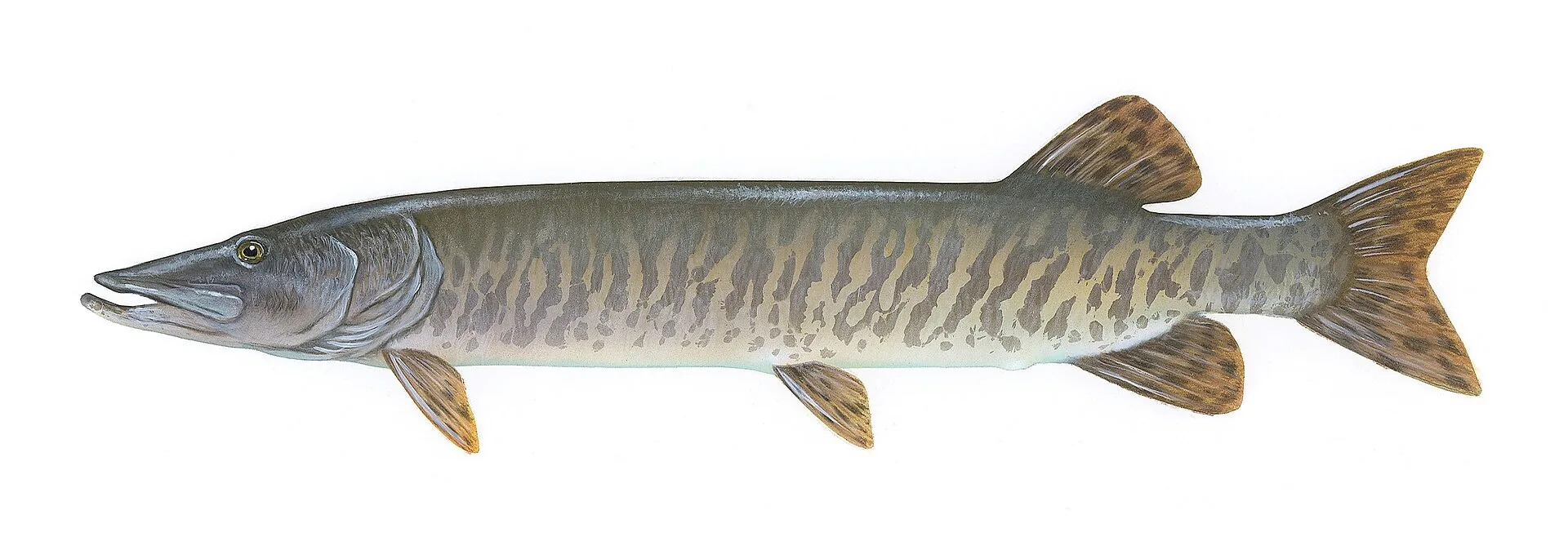
"Fisken på 10 000 kast" upprepas som en hederstitel. Läs det som en varning. Det är ungefär så många kast en massa fiskare sliter igenom innan en muskellunge bestämmer sig, och att sluta fred med det är den första verkliga färdigheten. Muskien är dig ingenting skyldig. Den är det största, mest sällsynta och minst samarbetsvilliga rovdjuret i de flesta vatten den simmar i, och en trög vecka är den normala veckan.
En muskie är en bakhållsjägare byggd kring ett enda explosivt ryck. Den lägger sig tätt mot en vasskant, ett stenkrön, en trädhög eller den djupa kanten av en grund rygg, och väntar. Den äter hellre en stor måltid än jagar tio små, vilket är varför den följer ditt bete hela vägen fram till båten och sedan tackar nej. Ingenting i sötvatten följer och avböjer som en muskie. Det är inte otur. Det är djuret.
Stora beten för ett stort, lat rovdjur
Matcha aptiten. Muskien äter byten upp till en tredjedel av sin egen längd, så betena ser absurda ut för en abborrfiskare, och det ska de göra. 20 till 30 cm är normalt, och en fisk över 125 cm sväljer ett 30 cm långt bete utan att tveka. Tre familjer gör jobbet. Bucktails, tunga inline-spinnare med ett dunkande blad, täcker vatten snabbt. Gliders och jerkbaits skjuter i sidled för fiskar som vill ha ett ryckigt, skadat mål. Tungt mjukgummi, de stora plastålarna och creature-betena, sjunker långsamt och tas på fallet och vid båten. Kasta allt på ett grovt spö på 2,4 till 2,7 meter med flätlina på cirka 36 kg (80 lb). En fisk på elva kilo som hugger på ett 30 cm långt bete är inget alls som ett hugg från en panfisk.
Åttan är inget trick, den är tekniken
Här är rörelsen nybörjare hoppar över och veteraner aldrig struntar i. En muskie följer ditt bete hela vägen in och bestämmer sig vid dina fötter, så du lyfter aldrig upp betet ur vattnet. När det når spötoppen, tryck ner toppen och för betet genom en lång, djup, rundad åtta. Vida svängar, inga tvära hörn, en liten fartökning i varje sväng. En förvånande andel muskie, enligt vissa guider så mycket som en av fyra, äter precis vid båten på den rörelsen. Gör den på varje kast, oavsett om det står en fisk bakom betet eller inte, tills den sitter i ryggmärgen. Den dag en jätte dyker upp under din spötopp och äter i svängen faller allt på plats.
Grova tafsar, och att sätta tillbaka ömtåliga jättar
Två saker är icke förhandlingsbara. För det första, en tafs. Muskien bär en mun full av tänder som skär genom flätlina och mono ögonblickligen, så kör en fluorocarbon- eller ståltafs på 36 till 59 kg (80 till 130 lb), ungefär 30 cm lång, på varje kast. Ingen tafs betyder ingen muskie, bara en förlorad fisk som bär ditt bete. För det andra, ha utrustningen för återutsättning inom räckhåll innan du ens får hugg: en stor gummihåv, långa tänger, en krokklippare och en käköppnare.
De här fiskarna ser oförstörbara ut men är det inte. De stressar hårt i varmt vatten, så på sommaren håller du dem i håven i vattnet, krokar loss dem där, stödjer kroppen vågrätt med två händer, häng aldrig en lodrätt i käken, ta ett snabbt foto och håll fisken upprätt tills den sparkar iväg av sig själv. En muskie som simmar iväg slak dör ofta en timme senare. Behandla varje fisk som mer värd i vattnet än i dina händer.
När oddsen faktiskt tippar
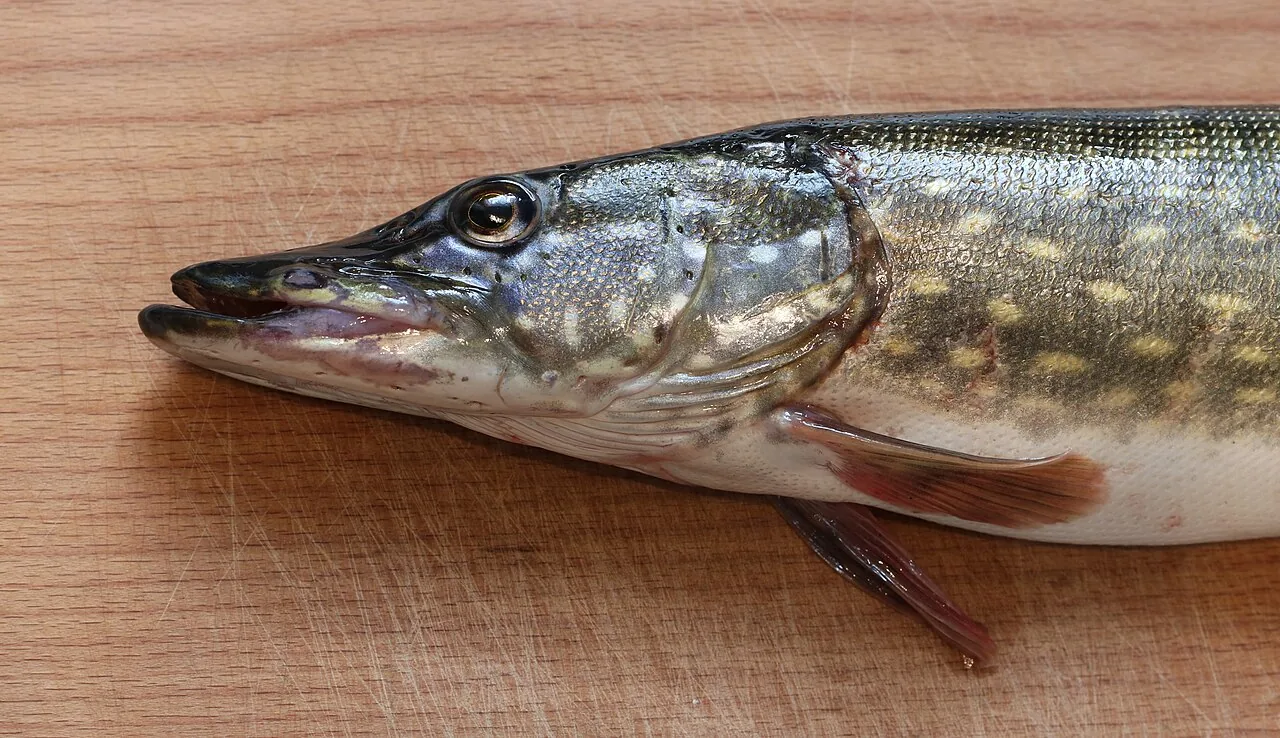
Förhållanden flyttar oddsen, de sätter inte fisken, och med muskie är svängningarna våldsamma. Ett skarpt, klarblått högtryck bakom en kallfront är den klassiska avstängningen. Fisken blir neutral, den följer men äter inte, och dina enda ärliga svar är att fortsätta röra på dig och hålla åttan tight. Hur en passerande front först laddar och sedan plattar ut ett hugg beskrivs i hur vädret slår på och av ett hugg.
Baksidan är precis lika verklig. Muskiejägare följer månen hårdare än nästan någon annan sötvattensskara, och planerar kring de stora solunarperioderna vid månuppgång och månnedgång och dagarna runt ny- och fullmåne, när stora fiskar tycks äta i snävare fönster. Och årstiden som betyder mest är hösten. När vattnet glider genom 10 till 15°C (50-talet i °F) och ner i 4 till 9°C (40-talet i °F) äter årets största fiskar upp sig inför vintern och troféfönstret öppnas, kallt och grått, vilket är precis när jättarna rör på sig.
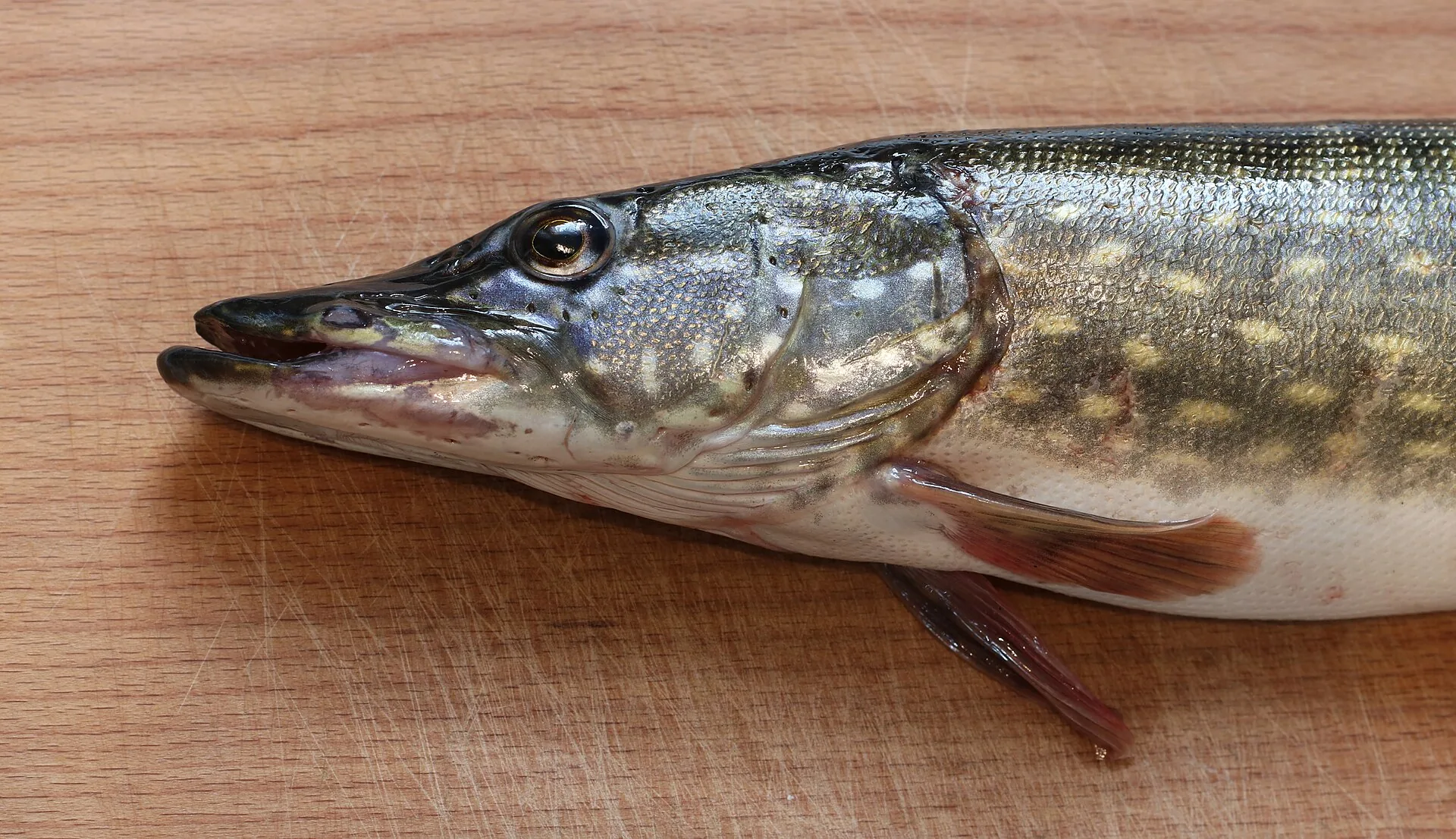
Om det här låter som en elakare version av gäddfiske, så stämmer det. Muskiens mindre och långt mer villiga kusin, gäddan, hugger villigt, lever i många fler vatten och förlåter gott om misstag. Muskien förlåter inga. Den finns i färre sjöar, ser färre och kräsnare måltider och tvingar dig att förtjäna varje fisk. Vill du bygga färdigheterna först? Gå och fånga gädda. Vill du ha säsongens fisk? Jaga muskie, och räkna med att förlora sifferspelet på vägen till en enda storslagen fisk.
Inget av detta slår tid på vattnet, men det stackar korten till din fördel, och det är allt napp är byggt för att göra. Napp hämtar det aktuella vädret vid vattnet närmast dig, läser fronten, vinden, årstiden och temperaturen, och rangordnar sedan hur sannolikt det är att en muskie och allt annat där hugger just nu, med resonemanget utskrivet så att du kan argumentera emot det. Kolla platsen närmast dig, eller bläddra bland vatten efter område på sidan regioner. Gratis, ingen inloggning, på napp.fish.
Foton: Knepp, Timothy - U.S. Fish and Wildlife Service, Public domain · George Chernilevsky, CC BY-SA 4.0