
Lake Sakakawea
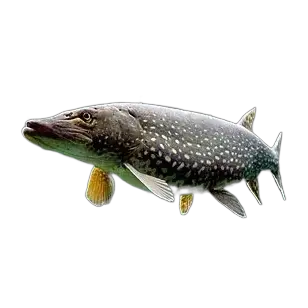
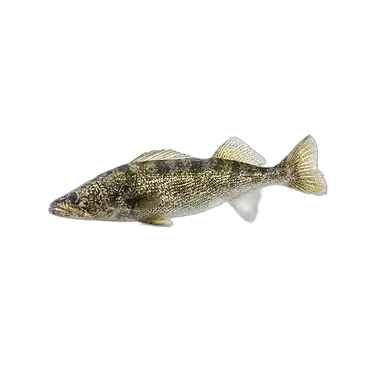
Lake Sakakawea is a lake in North Dakota. Most people come here for Northern Pike and Walleye.
Best day to fish
The bite over the next days, scored at dusk. Based on the weather forecast, so it is guidance, not guarantees.
Conditions right now
Water temperature is an estimate based on weather and season.
Best times today
Local time at the spot, from the most likely species' daily rhythm.
Feeding times today
Solunar times are a traditional guide based on the moon's position, separate from the live ranking above. Local time at the spot.
Next hours
Likely catch now (2 species)
About the fishing here
Lake Sakakawea is one of the largest reservoirs in the country, formed when Garrison Dam backed up the Missouri River across central North Dakota. Its long, open basin holds walleye as the headline species, with northern pike common in the bays and coves along its enormous shoreline. The lake is big enough that wind and open-water chop are a real factor almost any day. Boat ramps can be a long drive apart, so plan the trip around where you'll actually launch.
Anglers here regularly land Northern Pike and Walleye.
Northern Pike fishing is usually best around Apr-May, Sep-Oct. The best windows are usually dawn and dusk.
A state fishing license is required to fish here. Napp ranks the species above from the live weather, water temperature, season and time of day, so the order changes through the day.
Guides for this water
Tips right now
Fishing permit
A state fishing license is required to fish here. Licenses are issued by each state:
About this water

Lake Sakakawea is a large reservoir in the north central United States, impounded in 1953 by Garrison Dam, a U.S. Army Corps of Engineers dam located in the Missouri River basin in central North Dakota. Named for the Shoshone-Hidatsa woman Sacagawea, it is the largest man-made lake located entirely within North Dakota, the largest in the United States by surface area, and the third largest in the United States by volume, after Lake Mead and Lake Powell.
Read more on Wikipedia →Map
More waters nearby
Common questions
What fish can you catch at Lake Sakakawea?
The usual catches here are Northern Pike and Walleye.
Do you need a fishing license at Lake Sakakawea?
Yes. A state fishing license is required; see the link on this page for the state's rules.
When is the best time to fish Lake Sakakawea?
Northern Pike is generally most active around Apr-May, Sep-Oct. The best windows are usually dawn and dusk.
What is biting at Lake Sakakawea right now?
Right now Northern Pike is the most likely catch, at about 94%.