Veden lämpötila on nuppi, joka säätää syöntiä
Useimmat kalastajat osaavat luetella ilman lämpötilan, tuulen ja kuun vaiheen ennen kuin mainitsevat sen yhden luvun, joka oikeasti ratkaisee saavatko he mitään: veden lämpötilan. Kala on vaihtolämpöinen. Se ei lämmitä itseään. Olipa veden lämpötila mikä tahansa, se on se lämpötila, jolla kala käy, ja juuri se määrää sen aineenvaihdunnan, missä se seisoo järvessä ja kuinka kovaa se jaksaa jahdata syöttiä. Opettele lukemaan se luku, niin sinulla on tukeva etumatka kaveriin nähden, joka vain heittelee lempivaappuaan ja toivoo.
Vaihtolämpöinen tarkoittaa, että vesi asettaa nupin
Isobassi eli largemouth bass 50°F (10°C) vedessä ja sama kala 75°F (24°C) vedessä ovat melkein kaksi eri eläintä. Kylmässä sen syke, ruoansulatus ja lihasvoima ovat kaikki kierretty alas. Sen ei tarvitse syödä paljon, eikä se liiku kauas tehdäkseen sen. Lämmitä vesi, niin koko koneisto kiihtyy. Kala polttaa enemmän energiaa, sulattaa ruoan nopeammin, tulee nälkäiseksi useammin ja juoksee kiinni saaliin, jonka se olisi sivuuttanut kuukautta aiemmin.
Siinä on koko juju. Veden lämpötila ei ole mikään sivuseikka. Se on kaasupoljin. Kaikki muut muuttujat, kuten valo, tuuli ja syötin valinta, merkitsevät vähemmän kuin se, missä kohtaa omaa lämpötilakäyräänsä kala sinä päivänä on.
Jokaisella lajilla on oma mukavuusalueensa, eikä se ole sama alue
Eri kalat ovat kehittyneet eri vesiin, ja siksi taimenpuro ja monnikuoppa tuntuvat eri planeetoilta. Kun tiedät suunnilleen missä kukin laji haluaa elää, tiedät mitä kannattaa edes lähteä tavoittelemaan tiettynä päivänä.
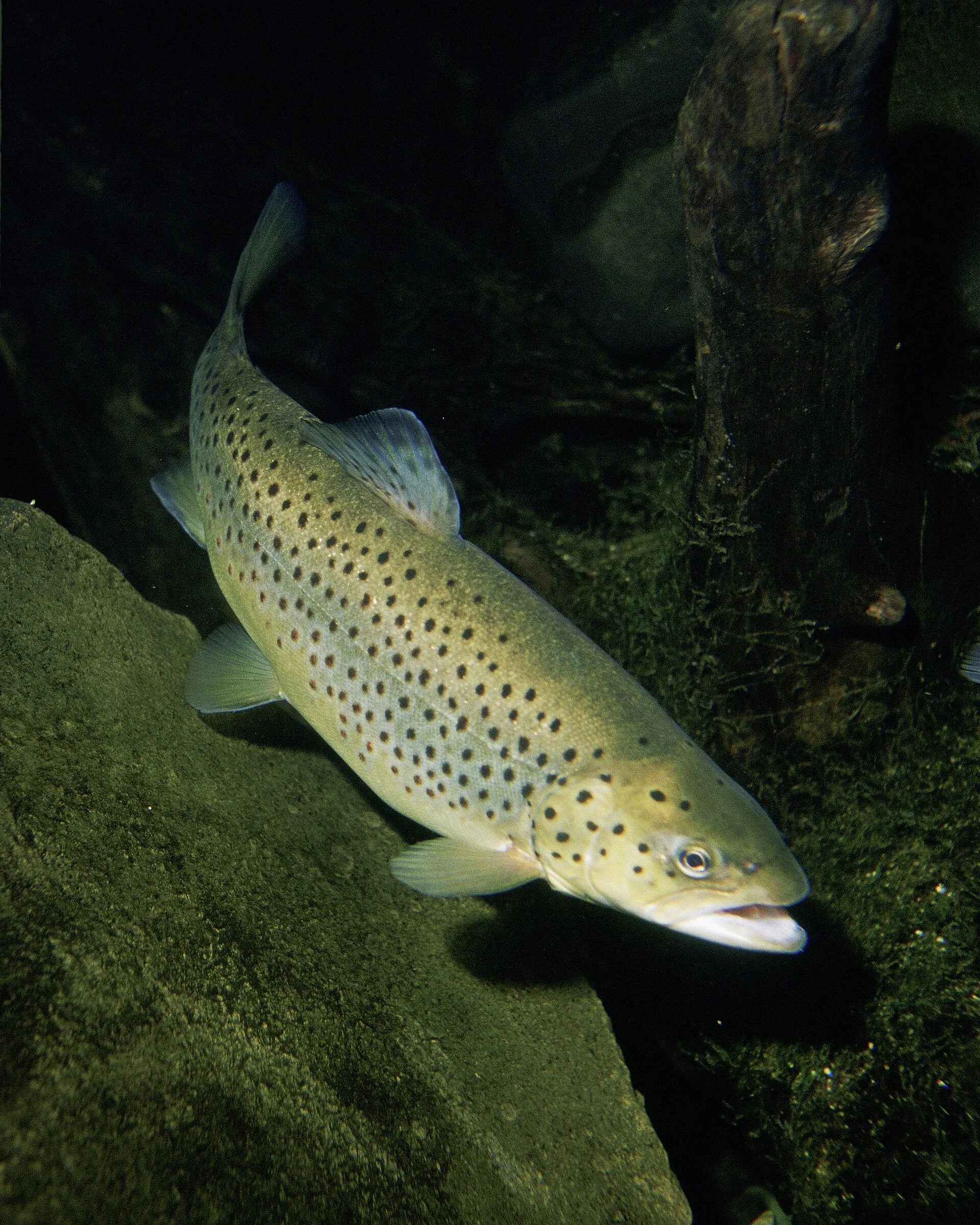
Taimen on kylmän veden kala. Se syö kovimmin vyöhykkeellä 50 ja 60°F (10 ja 16°C) ja alkaa stressaantua ja veltostua, kun vesi kipuaa noin 68°F (20°C) ohi. Helleaallon aikana taimen voi ahtaissa vesissä olla oikeasti vaarassa, ja siksi moni lopettaa sen kalastamisen kun tulee liian lämmin.
Hauki ja kuha (sama suku kuin walleye Atlantin toisella puolella) ovat viileän veden petokaloja. Ne ovat huipussaan suunnilleen 50 ja 65°F (10 ja 18°C) välillä. Se on ikkuna, jossa kuha jahtaa reunoja täysillä ja hauki murskaa lusikan.
Ahven on yleisosaaja. Se sietää laajan haarukan ja pysyy ottipäällä suurimman osan avoveden kaudesta, mikä on osasyy siihen miksi se on kaikkien ensimmäinen kala.
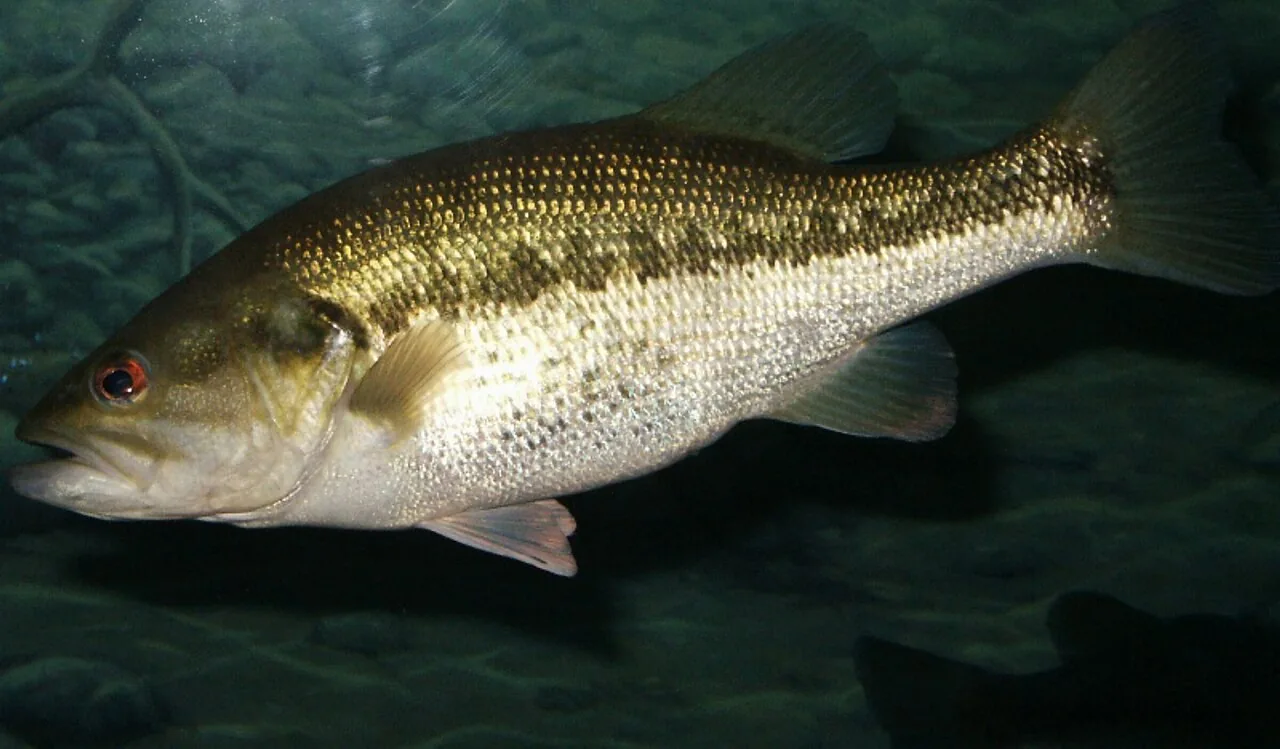
Largemouth bass on lämpimän veden kala ja se rakastaa kuumuutta. Se syö parhaiten jossain 65 ja 80°F (18 ja 27°C) tienoilla, ja sen aineenvaihdunta käy tehokkaimmin ylhäällä matalalla 80-luvulla°F (korkealla 20-luvulla°C). Kesäaamu, joka tuntuu sinusta sietämättömältä, on bassille parasta aikaa.
Monni ja karppi ovat nekin lämpimässä päässä. Ne tulevat aidosti tyytyväisiksi, kun vesi kipuaa noin 75°F (24°C) ohi, ja syövät aktiivisesti kuumuudessa, joka saa taimenporukan pakkaamaan kamppeet ja lähtemään kotiin.
Nämä ovat suuntaviivoja, eivät lupauksia, ja ne siirtyvät hieman alueen ja kannan mukaan. Mutta ne lajittelevat kysymyksen "mikä syö?" jo kauan ennen kuin solmit mitään kiinni.
Kausien kaari: milloin kalat menevät päälle ja pois
Sama järvi kalastaa neljällä täysin eri tavalla vuoden mittaan, ja veden lämpötila on kalenteri, joka sitä ohjaa.
Keväällä lämpeneminen sytyttää kalat. Kun matalikot kipuavat kunkin lajin kutualueelle, kalat nousevat ylös, muuttuvat aggressiivisiksi, ja kutu tapahtuu aalloissa. Kylmän veden kalat menevät aikaisin, lämpimän veden kalat kuten bassi menevät myöhemmin, kun matalikot pitelevät lähellä 60°F (16°C) ja ylöspäin. Etsi järven lämpimin vesi, pohjoisranta joka nappaa iltapäiväauringon tai matala tummapohjainen lahti, niin löydät aktiivisimmat kalat.
Kesä on kinkkisempi kuin luullaan. Tietyn pisteen jälkeen enemmän lämpöä ei tarkoita enemmän syöntiä. Lämmin vesi pitää sisällään vähemmän liuennutta happea, joten kun pinta kuumenee, keskipäivän syönti voi mennä kokonaan kiinni ja kalat liukuvat syvemmälle tai varjoon. Ratkaisu on ajoitus: aikainen aamu ja viimeinen valoisa tunti, kun matalikot ovat hieman viilentyneet, ovat ne hetket jolloin kesän kalat syövät.
Syksy on palkinto. Kun pinta viilenee takaisin kunkin lajin makean pisteen läpi, kalat syövät kovaa kerätäkseen painoa ennen talvea. Syksyllä viilenevä järvi voi tarjota vuoden parhaita kalastuksia, ja syönti kestää usein pidemmälle päivään kuin heinäkuussa.
Talvi hidastaa kaiken lyhyiksi ikkunoiksi. Kylmä vesi tarkoittaa tyhjäkäynnillä hyrräävää aineenvaihduntaa, joten kala syö vähän ja liikkuu vähemmän. Se ottaa silti, mutta kalastat pieniä esityksiä, kuolemanhitaasti, kapean keskipäivän lämpimämmän hetken aikana koko päivän sijaan.
Harppauskerros: kesän piilotettu kalastuslinja
Syvässä järvessä vesi asettuu kesällä kerroksiin, ja raja lämpimän pintakerroksen ja kylmän pohjan välillä on harppauskerros. Sillä on merkitystä hapen takia. Iowan luonnonvaravirasto kertoo, että harppauskerros muodostuu yleensä yli noin 10 jalan (3 metrin) syvyisiin järviin, ja keskikesään mennessä sen alapuolella oleva kylmä vesi menettää niin paljon happea, etteivät kalat voi pysyä siellä alhaalla pitkään.
Niinpä kalat kasautuvat kalastettavaan kaistaan: niin syvälle kuin pääsevät viileämmän veden perään, mutta pysyen harppauskerroksessa tai juuri sen yläpuolella, missä happea on vielä riittävästi. Kohtalaisella kaikuluotaimella se näkyy usein sumeana vaakaviivana. Se viiva kertoo sinulle syvyyden, jossa kalastaa. Laske syötti sen tasolle, niin olet kaventanut ison järven yhdeksi tuottavaksi kerrokseksi. (Syksyllä pinta viilenee, kerrokset sekoittuvat täyskierrossa, ja kalat levittäytyvät taas läpi koko vesipatsaan.)
Mitä yksi lämpötilalukema oikeasti käskee sinua tekemään
Tässä se käytännön osa. Yksi veden lämpötilalukema vastaa kolmeen kysymykseen kerralla: mikä laji, kuinka syvällä ja kuinka nopeasti.
Kylmä vesi, kalasta hitaasti ja pienellä. Pienennä syöttiä, hidasta vetoa ryömintävauhtiin ja varaudu lyhyisiin syönti-ikkunoihin päivän lämpimimmän hetken tienoilla. Tuskastuttavan hitaasti vedetty jigi voittaa kaiken nopean.
Lämmin vesi, kalasta nopeammin ja isommalla, tai kalasta vuorokauden reunat. Käynnistyvä aineenvaihdunta tarkoittaa että kala jahtaa, joten nopeampi esitys ja isompi profiili saa otteita, etenkin hämärässä kun matalikkosyönti on päällä.
Yksi rehellinen varaus: pintalämpötila ei aina ole se lämpötila, jossa kalat elävät. Kesällä haluamasi kala voi seisoa kolme tai neljä metriä alempana selvästi viileämmässä vedessä kuin mittarisi näyttää pinnalla. Ja veden lämpötila laahaa ilman lämpötilan perässä päiviä, ei tunteja. Yksi lämmin iltapäivä ei lämmitä koko järveä, eikä yksi kylmä yö jäähdytä sitä. Tarkkaile suuntausta usean päivän ajalta, älä piikkiä.
Se on suuntaviiva, ei takuu. Kalat tekevät arvaamattomia juttuja. Mutta veden lämpötilasta liikkeelle lähteminen saa sinut kalastamaan oikeaa lajia, oikealla syvyydellä, oikealla nopeudella, paljon useammin kuin arvailu.
Voit jättää laskutoimitukset väliin. Katso arvioitu veden lämpötila reaaliajassa ja sijoituslista siitä mikä todennäköisimmin syö lähimmällä vedelläsi juuri nyt, ilmaiseksi ja ilman kirjautumista, osoitteessa napp.fish.
Kuvat: Julian Herzog ( Website ), CC BY 4.0 · Robert Pos, CC BY 2.0 · Olivier Dugornay, CC BY 4.0