Trout Fishing Before and After a Cold Front
Ask a trout angler which single day of the week they would pick blind, and a lot of them will say the day before a storm rolls in. That is not superstition. The 24 to 48 hours ahead of a cold front line up several things trout respond to at once: a falling barometer, a thickening gray sky, a rising breeze that has not turned to a downpour yet. Then the front passes, the sky goes hard blue, the air turns sharp and cold, and the water that was alive the day before goes quiet. Same fish, same stream, a different day entirely.
The window before: feeding, not luck
Trout do not read a barometer and get hungry off the number. What they respond to is the whole package that builds ahead of a front. Cloud cover thickens and the light drops, which lets trout leave the tight, wary lies they hold in bright sun and start roaming the runs and flats. River guides describe a short window of aggressive, chase-it feeding in the hours before rain or a real drop lands, usually 12 to 36 hours out and sometimes closer to 48 on a slow-moving system. The sky gets heavy, the fish get bold.
This is the time to cover water and fish fast. A size 1 or 2 inline spinner worked through every seam, a small casting spoon fanned across a lake flat, anything that forces a quick decision. A trout that would normally inspect a lure for a full second will just eat it today.
Then the bluebird hits
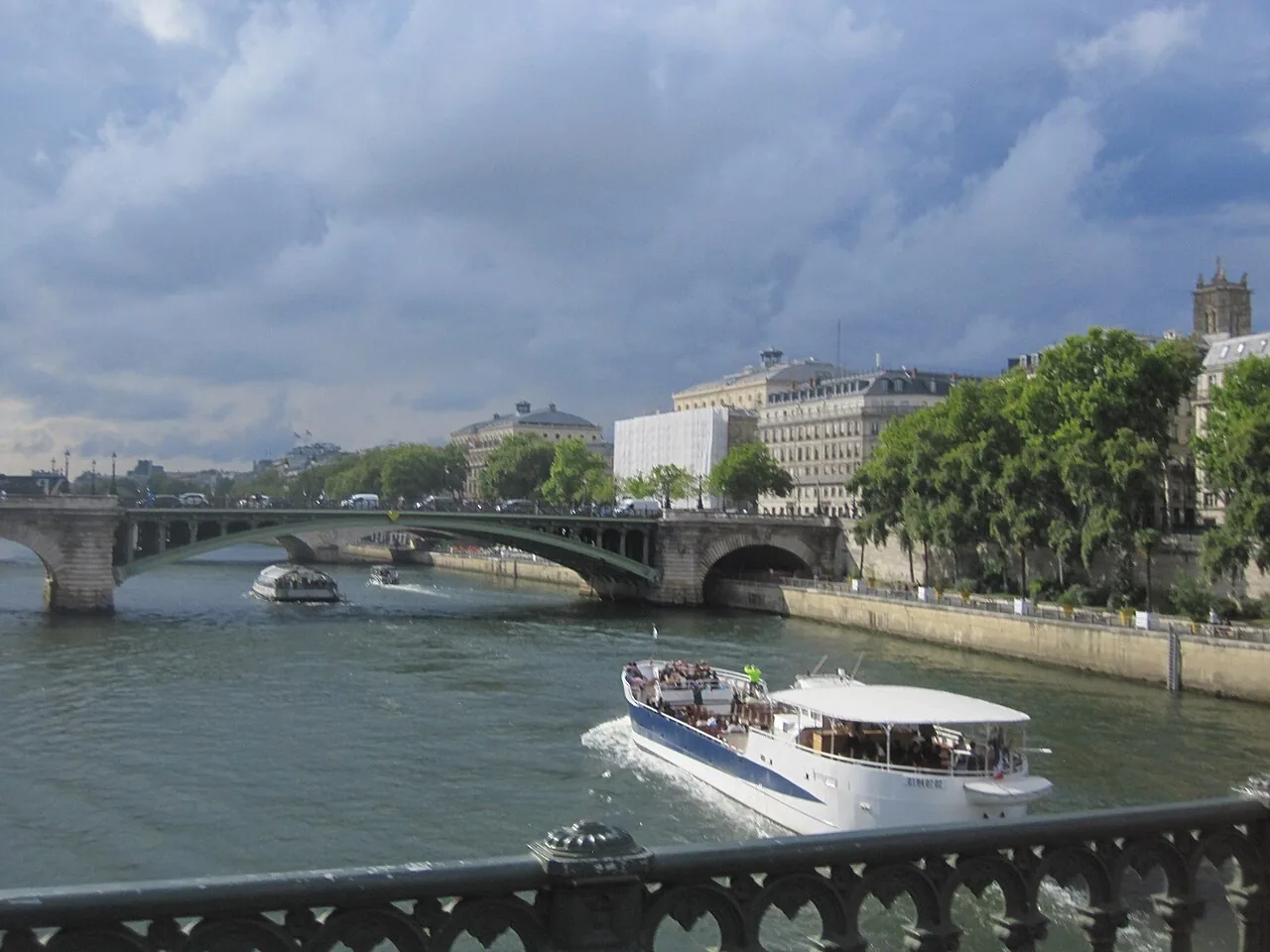
The front passes overnight or through the morning, and what is left behind is the classic post-front look: a hard clear sky, cold sharp air, and often a stiff clearing wind. This is where trout fishing gets difficult, and where most anglers blame the wrong thing. It is not that the fish got hurt by a drop in pressure. Bright, high-contrast light with nothing to soften it pushes trout tight to cover, into the deepest slot in the pool, the shaded undercut bank, the bottom of the run, and once they are there they stop chasing. They will still eat. They just want the bait on their nose, drifting naturally, with nothing about your leader or your shadow giving you away first.
Water is slow, air is a liar
Here is the part that trips people up. The air can drop 15 F (8 C) overnight and everyone assumes the water did too. It did not, not by much. Water holds heat far longer than air, so the stream or lake you are fishing the morning after a front sits close to the temperature it was the day before, off by a degree or two at most, except in the shallowest water. The trout are not shutting down because the water went cold. They are shutting down because of the bright sky and the still, settled high-pressure air sitting over a system that just got stirred up.
That distinction changes how you fish it. Do not go slower and deeper because you assume the water cooled. Go smaller and quieter because the light got hard.
Reading it before you drive
This is exactly the kind of call napp is built to read for you. Pull up your nearest water and check the pressure trend, not just the current number: falling and dropping fast means you are in the pre-front window, so fish aggressive. Flat or rising after a recent drop means you landed in the bluebird slot, so slow down. Cloud cover shows how much of that low-light feeding edge is left in the day, and the estimated water temp confirms whether the water actually moved or the air is just lying again. napp folds all of that into a plain biting now read for trout at the spot closest to you, reasoning shown, so you can check it against what you see on the bank. For the fuller breakdown of how pressure, cloud, and temperature interact across species, how the weather actually turns a bite on covers the mechanism in depth.
What to tie on, before and after
Before the front, go a size up and fish fast. A gold or silver inline spinner or a small casting spoon, anything with flash and vibration a roaming trout can find without a second look. Cover the seams, the flats, the whole run.
After the front, go small and slow. Downsize to a nymph fished dead drift along the bottom of the deepest slot you can find, or an egg pattern through the same seam if the water carries color from rain that rode in with the front. Add split shot to get it down faster, and put it exactly where a sulking fish is holding rather than casting all over the pool hoping one comes out to chase.
None of this is a rule, it is a probability, and it bends with the season and the stream. But the pattern holds often enough to plan a trip around it. If you are deciding which day to go, check the pressure trend and cloud cover for the nearest trout water on napp.fish first, free and with no login, and it will tell you straight whether you landed in the good window or the hard one. Browse trout water by area on the regions page.
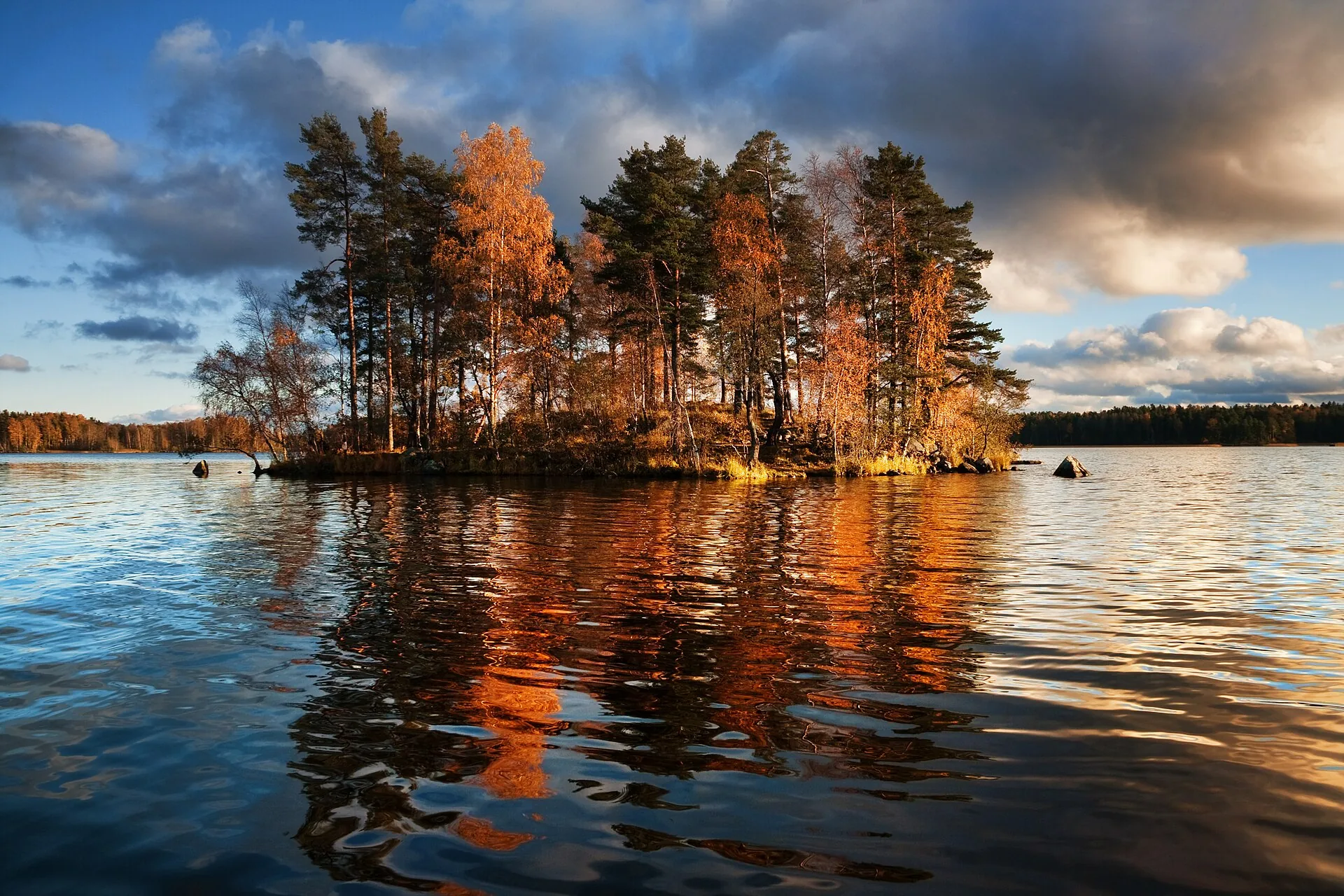
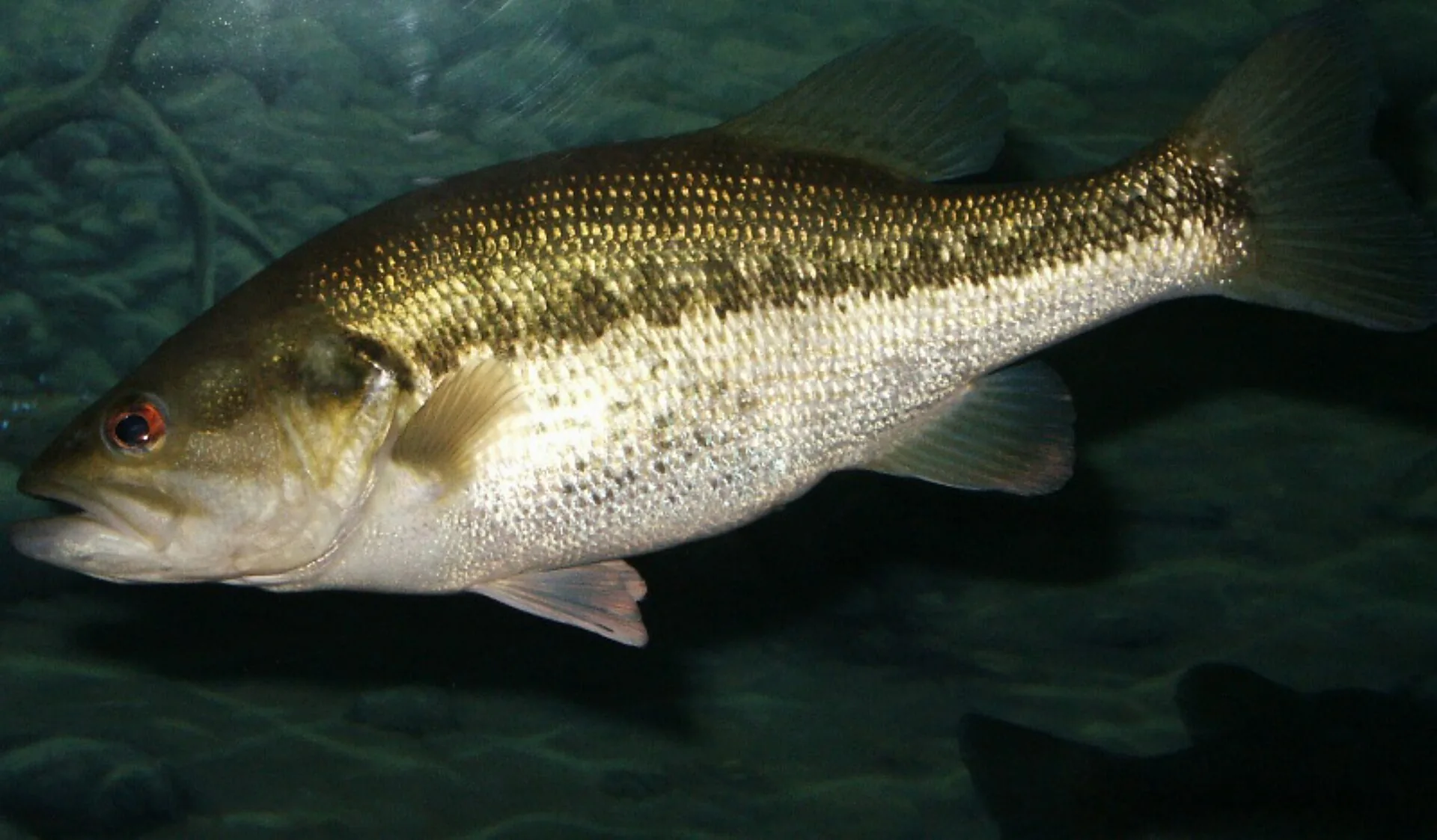
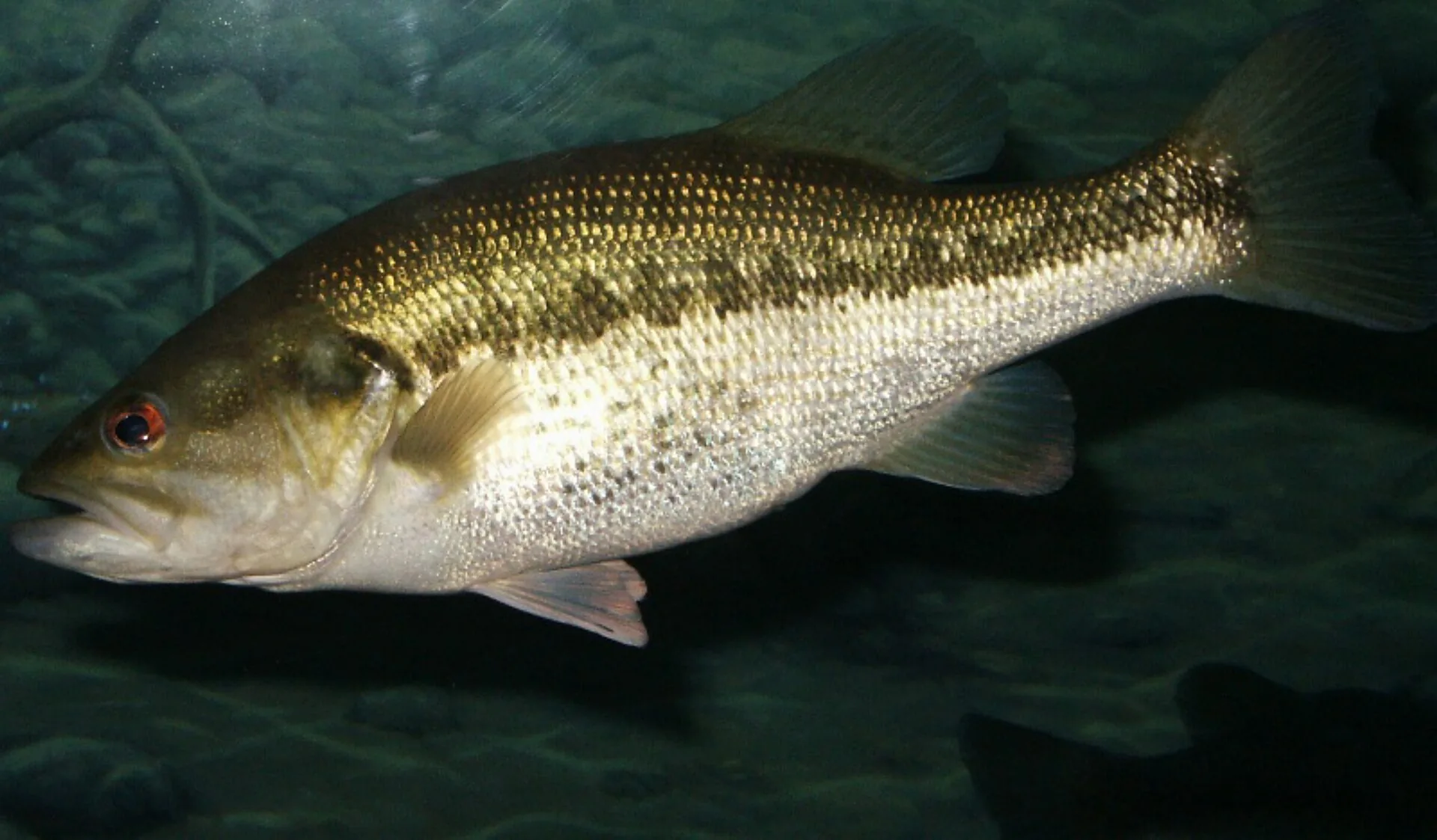
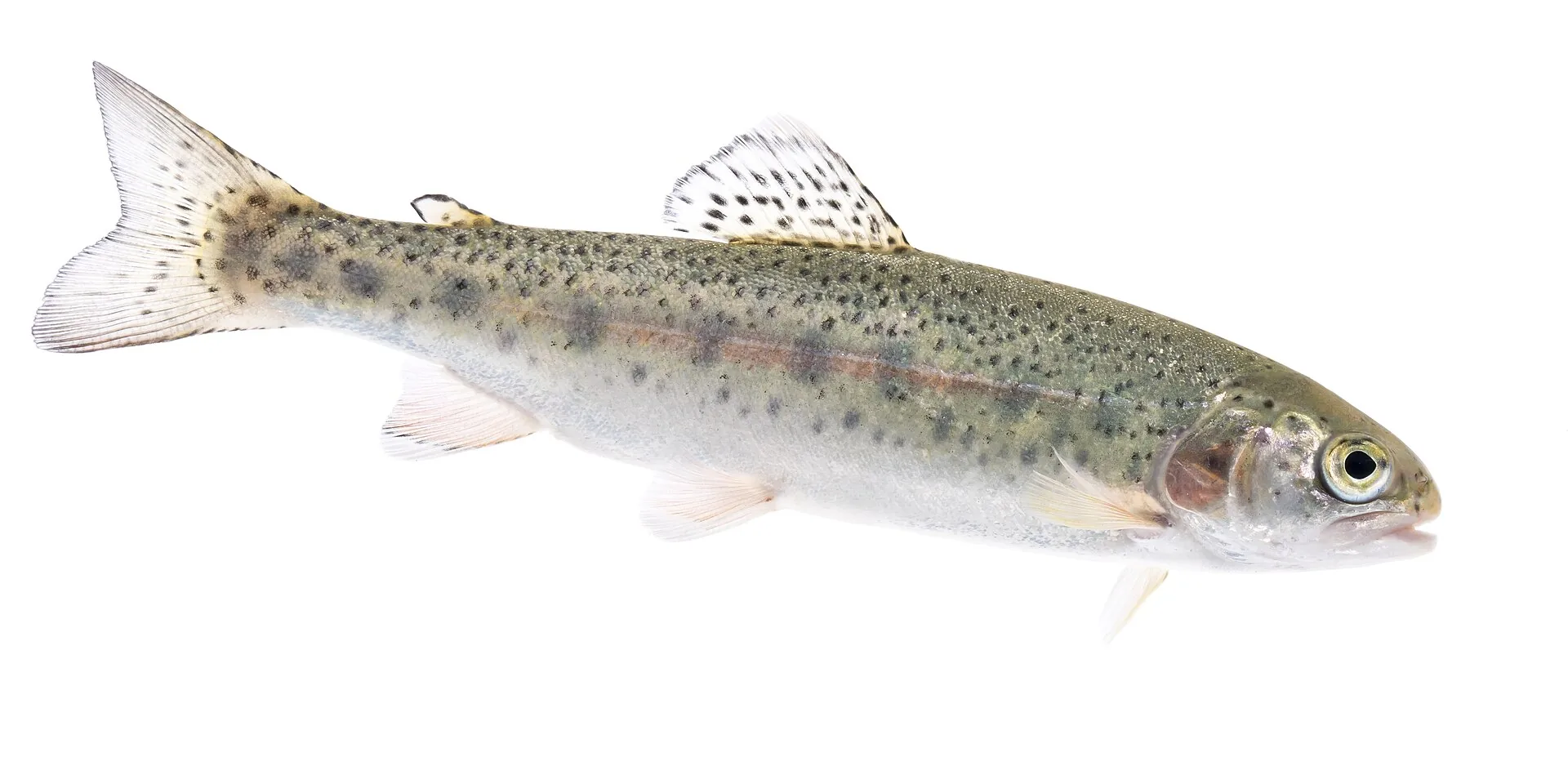
Photos: USFWS Mountain Prairie, Public domain · DiscoA340, CC BY-SA 4.0 · Musaddam Idriss, CC BY-SA 4.0