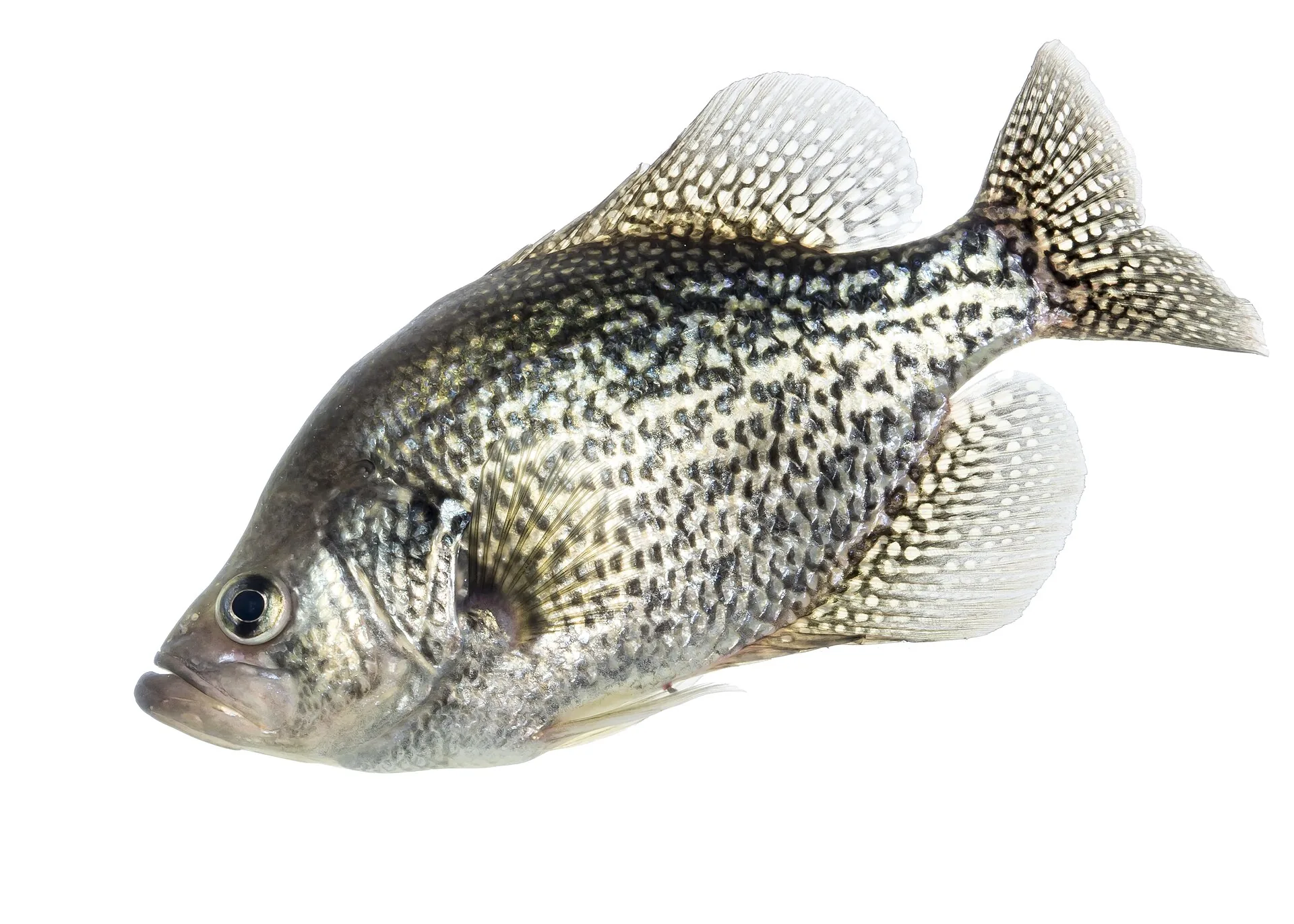
Fiske med glidflöte: exakt djupkontroll

Ett fast flöte är en kompromiss du har slutat märka av. Kläm fast det en bit upp på linan, kasta ut en mask och se det ligga still. Det fungerar på grund, huggvillig fisk, och det lärde de flesta av oss att fiska. Men det presenterar betet på bara ett enda djup, det som är kort nog att fortfarande kunna kastas, och fisken som är värd att jaga står oftast djupare. Glidflötet löser det enda som ett fast flöte inte kan: det håller ett levande bete på vilket djup du vill, tre meter ner eller sex, och kastar ändå rent på ett vanligt spö.
Ett glidflöte låser ett levande bete på ett exakt djup och håller det där, så hela skickligheten ligger i att läsa var fisken står och ställa stoppknuten därefter.
Varför glidflötet slår ett fast flöte
Räknestycket är enkelt. Ett fast flöte inställt på fyra meters djup lämnar fyra meter lina dinglande under sig, och det kan du inte kasta med ett spö på under två meter.
Ett glidflöte träs på huvudlinan och glider fritt. I kastet faller det ner till sänket, så hela taklingen dras ihop till ett kompakt paket lika långt som din tafs. När det landat sjunker det tyngda betet och drar lina genom flötet tills stoppknuten fångar pärlan och flötet reser sig. Nu hänger betet på exakt det djup du ställt in, vilket öppnar upp djupa risvasar och crappie som svävar fritt ute över öppet vatten, och inget av det når ett fast flöte.

Tackla en gång, tackla rätt
Ordningen på linan spelar roll. Uppifrån spötoppen och ner blir det stoppknut, pärla, flöte, sänke, krok.
- Trä först en flötesstopp på den bara huvudlinan, antingen en färdigknuten stopp från ett rör eller en trådknut du knyter själv. Klipp tagg-ändarna till en knapp centimeter så att den glider genom spöts öglor.
- Trä sedan på en liten pärla. Den är det enda som hindrar flötet från att glida upp över knuten, så hoppa inte över den.
- Dra linan genom glidflötets mittrör.
- Kläm fast sänket en bit under flötet, så mycket delat hagel att det reser sig upprätt med bara toppen synlig.
- Knyt på en krok i tunn tråd eller en liten jigg, agna, och du fiskar.
För att ändra djup flyttar du stoppknuten, inte flötet: upp för djupare, ner för grundare, på några sekunder, utan att tackla om.
Ställ stoppet efter fisken, inte efter botten
Här slösar de flesta bort hela taklingen. De ställer stoppet så att betet går precis ovanför botten. Fritt stående fisk bryr sig inte om botten. Ett stim crappie på fyra meter över drygt sju meter vatten struntar i ett bete som släpar på sju.
Hitta fiskens nivå och lägg betet några centimeter ovanför den, för en panfisk tar mycket hellre uppåt än nedåt. Med ekolod läser du av bandet och ställer stoppet efter det. Utan ekolod får du söka: börja grunt, sänk stoppet en halvmeter i taget och låt varje inställning stå tills något hugger. Första fisken är svaret, för resten av stimmet står på samma nivå. Att hitta fritt stående stim är samma jakt som beskrivs i hur du fångar crappie, och glidflötet är det renaste verktyget för att beta av den.
Ha sedan tålamod. Kasta förbi gömstället, låt allt lägga sig och låt det vara, för crappie och bluegill hugger på det stilla stoppet. Taklingen är enkel, djupet är allt, och att hitta det är det verkliga jobbet. En perfekt takling inställd en halvmeter fel fångar ingenting.
Vad det briljerar på, och vad det inte gör
Crappie är huvudnumret, särskilt svart crappie som gömmer sig i djupa risvasar. Men taklingen kan mer än så. En stor bluegill-hanne som dragit sig bort från lekbottnarna ut till en djupare vasskant är ett läroboksexempel så fort du slutar fiska på grunden, ett drag som beskrivs i hur du fångar bluegill. Abborre pressar en fritt stående betesfisk mot strukturen, och gös tar en igel eller en pigg betesfisk satt precis över en stenig förhöjning i det sista ljuset. Allt som svävar nära gömställen och vill ha ett långsamt, stillastående bete är rättvilt.
Den ärliga begränsningen är vinden. Riktiga vågor drar flötet över ytan och rycker betet bort från det djup du kämpat för att hitta, så taklingen passar bäst lugna dagar eller i lä. Inom de ramarna finns det inget annat som håller ett levande bete så exakt.
Hur tungt ska sänket vara?
Så tungt att flötet står upp med bara toppen synlig. Ligger det högt är det för flytstarkt, då rycker ett lätt hugg till i det utan att dra det under. Lägg på hagel tills det ligger lågt och känsligt.
Vilket bete fungerar bäst under det?
Levande bete, för taklingen håller något som spritter på ett och samma ställe. En betesfisk krokad genom ryggen är standard för crappie och abborre, en igel är dödlig på gös, och en daggmask täcker resten.
Trasslar en glidtakling sig i kastet?
Det kan den om tafsen från sänke till krok är lång och kastet är piskande. Håll den kort, använd ett mjukt kast i stället för en hård snärt, och låt taklingen svänga ut bakom dig innan du laddar spöt.
Taklingen sköter var. Den svårare frågan är när, och det är den napp tar ur dina händer. Öppna den vid vattnet närmast dig så läser den av det aktuella vädret, luft- och uppskattad vattentemperatur, ljuset och vinden, och rangordnar sedan vilka arter som är värda din tid just nu, med resonemanget utskrivet i klartext i stället för en poäng du inte kan ifrågasätta. Den hittar inte ditt djup, det förblir ditt, men den talar om ifall det här är rätt timme att gå och gräva efter det. Gratis, utan inloggning, på napp.fish.
Foton: USFWS Mountain Prairie, Public domain · BulBob, CC BY-SA 3.0