How to Fish a Jig

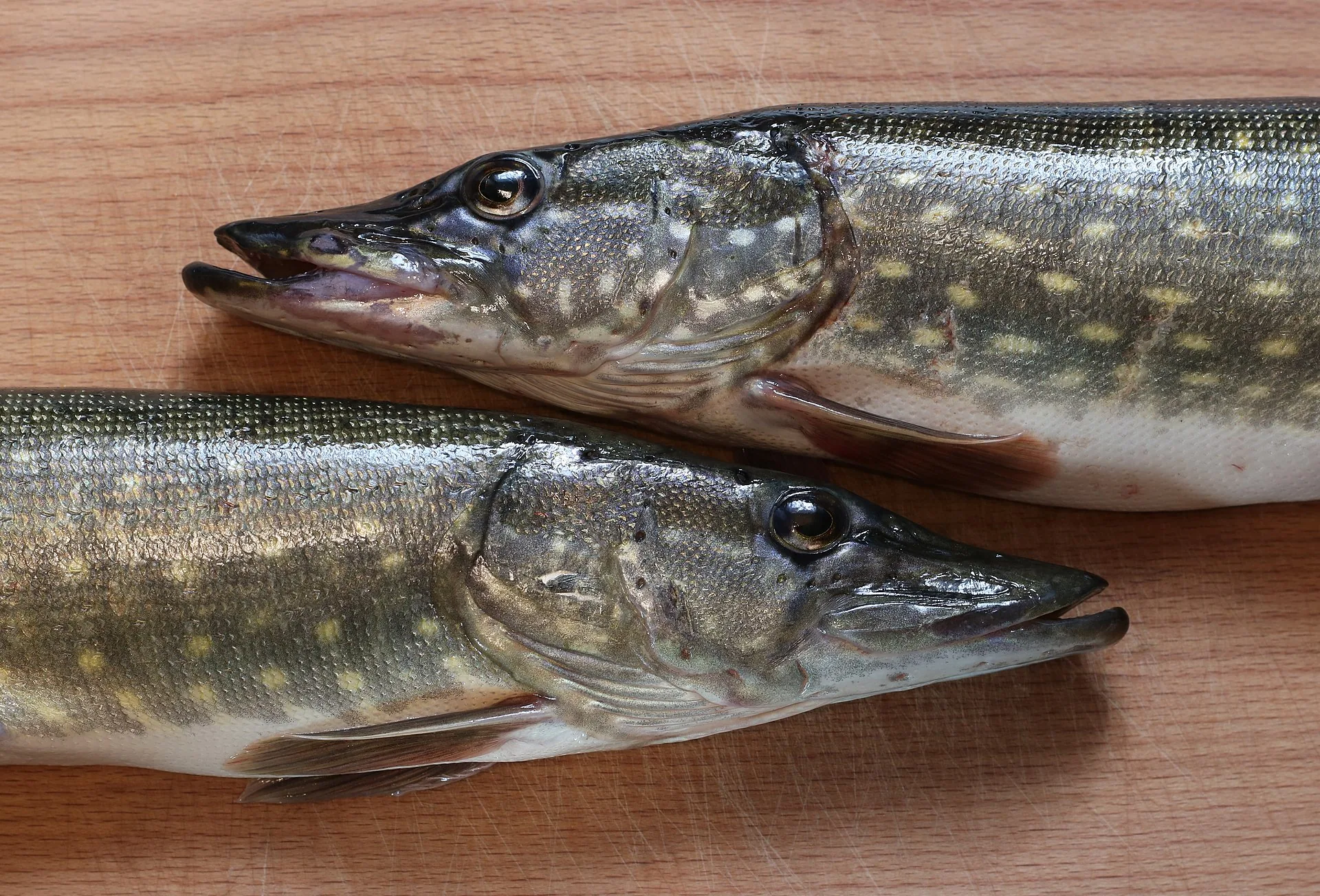
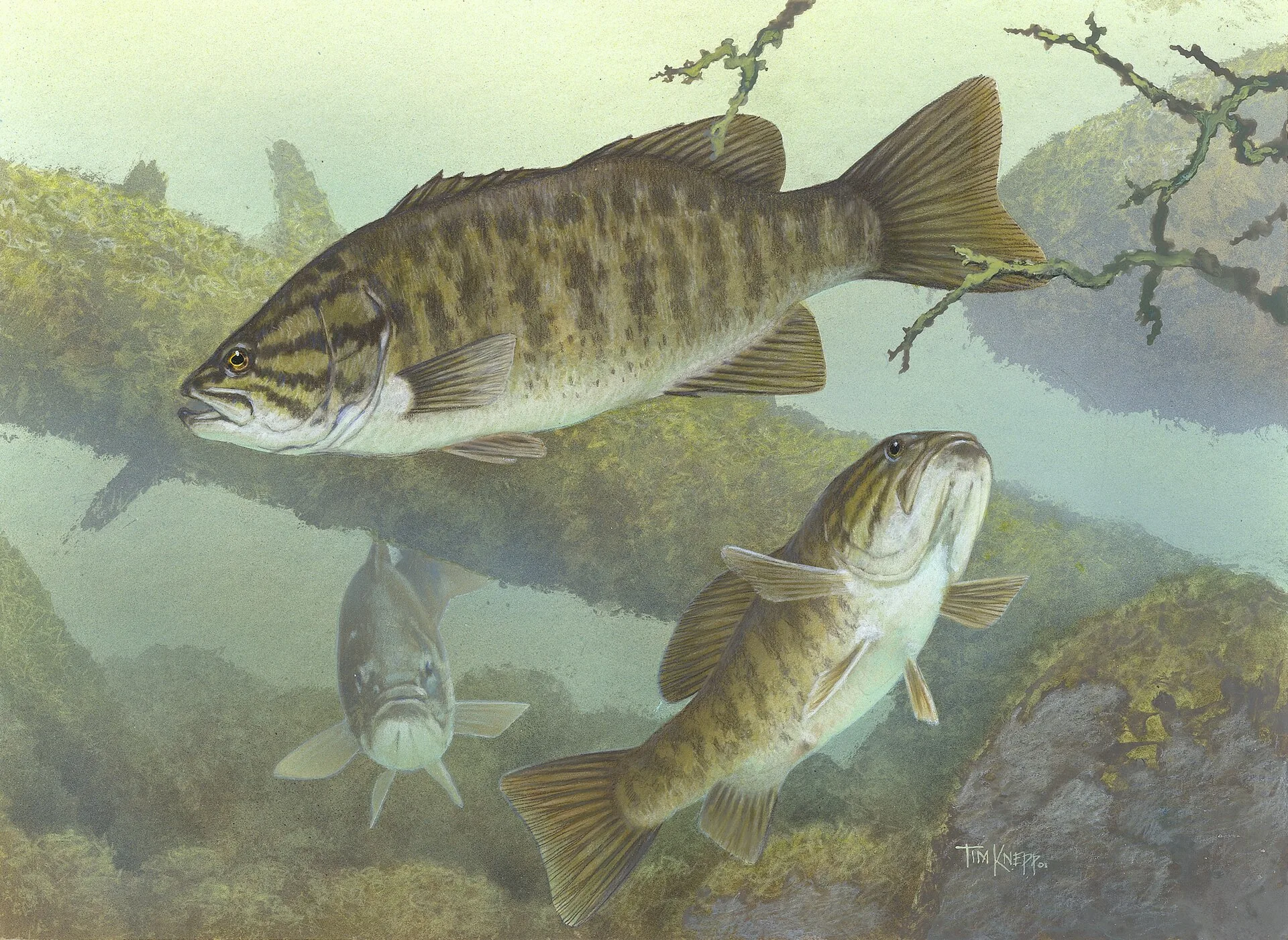
A jig is the most versatile lure ever tied to a line, and the one most beginners fish wrong. It is just a weighted hook with something soft or furry on the back, and that is what fools people. They cast it out, wind it straight back like a crankbait, catch nothing, and write jigs off. The opposite is true. A jig catches walleye, bass, perch, panfish, and pike from one small box, in a foot of water or in forty. It just will not work on autopilot.
TL;DR: A jig catches almost anything that swims, but only if you fish it on the fall and watch your line instead of waiting to feel the bite.
The bite comes on the fall
Read this twice, it is the whole game. A jig gets eaten while it sinks, not while you drag it back. A fish watches the head flutter down and eats on the drop, so by the time it hits bottom the decision is made. The retrieve, then, is barely a retrieve. It is a series of controlled falls, and your eyes do more work than your hands. Most bites are not a thump but the line twitching, an early slack, a sideways slide. See it, reel up the slack, and set.
Here is the cadence, one cast at a time:
- Cast out and let the jig sink on a controlled line, counting it down so you know the depth.
- Lift the rod tip smoothly to hop the jig six inches to a foot off the bottom.
- Lower the tip and let it fall back on a line tight enough to read but loose enough to sink naturally.
- Watch the line through the whole fall. This is when the eat happens.
- Pause a beat on the bottom, then repeat. When in doubt, slow down and pause longer.
Most people do step two and skip three and four. The fall is the lure.
Match the head to the job
The head is not just weight, it is the action. Five shapes cover almost everything.

- Round head. The default and the one to learn on. It does a bit of everything and fishes vertically or on a cast. Own one jig, own this.
- Stand-up head. A flat base tips the hook and bait upward on the bottom, holding the plastic in a fish's face. Quietly deadly for walleye and bass.
- Football head. Wide as the name says, it rocks over rock and gravel without wedging, and the wobble reads the bottom for you. A bass-on-rock specialist.
- Swim jig. A streamlined head built to be swum steadily through cover, usually with a weed guard. The one you actually do reel back, slow, for bass and pike.
- Hair jig. Bucktail or marabou instead of plastic. The hair pulses on the pause even when the jig sits dead still, which is what cold, sluggish fish want.
Weight and color, matched to the water
After the wrong retrieve, the wrong weight is the most common mistake. Too heavy and the jig crashes down so fast no fish gets a look. Too light and you never reach bottom in current. You want the lightest head that still holds honest contact with bottom.
A rule of thumb in calm water is about 1/8 ounce of head for every ten feet of depth, so a quarter ounce at twenty feet and three-eighths at thirty. Add weight for current and wind, which belly your line and lift the jig off bottom. If you are not ticking bottom, go heavier. If you slam it down like an anchor, go lighter.
Color tracks water clarity, simpler than the tackle wall suggests. Clear water, go natural: white, shad, smelt, watermelon, anything that reads as real baitfish. Stained or muddy water, go loud: chartreuse, orange, black, a high-contrast shape a fish finds by silhouette.
What rides the hook sets the mood. Soft plastic is the searcher, a grub or paddletail that kicks to draw fish in, and where to start most days. Hair is the finesse closer, alive on the dead stop when fish are cold. A live tip, a minnow or half a crawler, adds scent that flips a slow day. Purists skip it. Pragmatists fill the cooler.
Common jig questions
What rod and line should I use?
Sensitivity is the entire point. Use a fast-action spinning rod with a crisp tip and low-stretch braid, six to ten pound, with a short fluorocarbon leader. A soft, stretchy setup hides the very bites a jig is built to deliver. You want to see the line jump.
Why do I keep snagging the bottom?
Usually too much weight, too little attention, or both. A jig that free-falls on slack line dives nose-first into rock and wood. Keep a semi-tight line on the drop, lift the instant it touches, and size the head down until it stops wedging.
Can one jig really cover walleye, bass, and panfish?
Yes, that is the entire appeal. Scale to the target: a 1/32 ounce hair jig for crappie and perch, a 1/4 ounce round head and grub for walleye, a half-ounce swim jig for bass and pike. Same fall-and-watch discipline, very different fish. The walleye jigging guide puts every piece together on one species.
A jig in the water beats the fanciest lure in the box, but it cannot make a fish hungry. That part is conditions: front, wind, light, season, and water temperature decide whether anything wants to chase a falling bait, so how weather turns a bite on and off is worth a read before you blame your hands. Closing that gap is napp's whole job. It reads the live weather at the water nearest you and ranks how likely walleye and every local species are biting right now, with the reasoning shown. Check the read at your closest spot. Free, no login, at napp.fish.
Photos: USFWS Mountain Prairie, Public domain · R. Henrik Nilsson, CC BY 4.0