Näin löydät hyvän kalapaikan vesistöstä, jolla et ole koskaan kalastanut
Ero niiden välillä, jotka saavat kalaa uudella vedellä, ja niiden, jotka vain heittelevät, ei ole välineissä tai onnessa. Se on siinä, että tietää minne heitto kannattaa suunnata jo ennen kuin se osuu veteen ensimmäistäkään kertaa. Kala ei levittäydy tasaisesti järvelle tai joelle. Se kerääntyy reunoille ja rakenteisiin, ja heti kun opit lukemaan ne reunat, vesistö jota et ole koskaan nähnyt lakkaa olemasta sininen läntti kartalla ja alkaa näyttää kartalta, jolle on merkitty todennäköiset paikat.
Kala on reunoilla, ei avovedessä
Kuvittele avoin parkkipaikka verrattuna sen ympärillä oleviin seiniin ja oviaukkoihin. Syöttikala ja petokala toimivat samoin: ne pysyttelevät siirtymäkohdissa, siellä missä yksi asia muuttuu toiseksi. Sinun tehtäväsi uudella vedellä on löytää nuo saumat ja kalastaa niitä.
Tärkeimmät etsittävät:
- Kasvillisuuden reunat. Linja, jossa tiheä kasvillisuus kohtaa avoveden, on väijytyksen valtatie. Kalasta reuna, älä keskellä salaattia.
- Pudotukset ja jyrkänteet. Kaikkialla, missä matala vesi putoaa syvään. Tämä on yksittäisistä rakenteista luotettavin makeassa vedessä, ja kala vaeltaa sitä pitkin ylös ja alas koko päivän.
- Niemet. Maakieleke tai vedenalainen harju, joka työntyy ulospäin, antaa kalalle syvää vettä kahdella puolella ja virtasuojan. Lähes aina muutaman heiton arvoinen.
- Tulo- ja laskukohdat. Siellä missä liikkuva vesi tulee sisään tai virtaa ulos, se tuo mukanaan ravintoa ja happea, ja se sekoittaa syöttikalan. Petokala makaa juuri virtauksen ulkopuolella ja odottaa. Puron suu, ylivuotopato, kahden altaan välinen salmi, kaikki tällainen.
- Uponnut puu, kivi ja kova pohja. Veteen kaatunut puunrunko, kiviröykkiö, sorapälvi savijärvessä. Suoja antaa kalalle paikan piiloutua ja syödä.
-
Sillanpylväät ja laiturit. Ilmaista varjoa, virtasuojaa ja syöttikalan magneetti. Ihmiset kävelevät niiden ohi huomaamatta.
-
Ensimmäinen syvä matalan tasanteen vieressä. Kala syö ylhäällä matalikolla ja lepää lähimmässä syvänteessä. Tuo siirtymäkohta on kultaa.
Punainen lanka kaikessa tässä on syötti. Löydä syötti, niin petokala on lähellä. Jos et näe elonmerkkiä paikalla, joka näyttää paperilla täydelliseltä, älä jää siihen koukkuun.
Tiedustele jo ennen kuin pääset paikalle
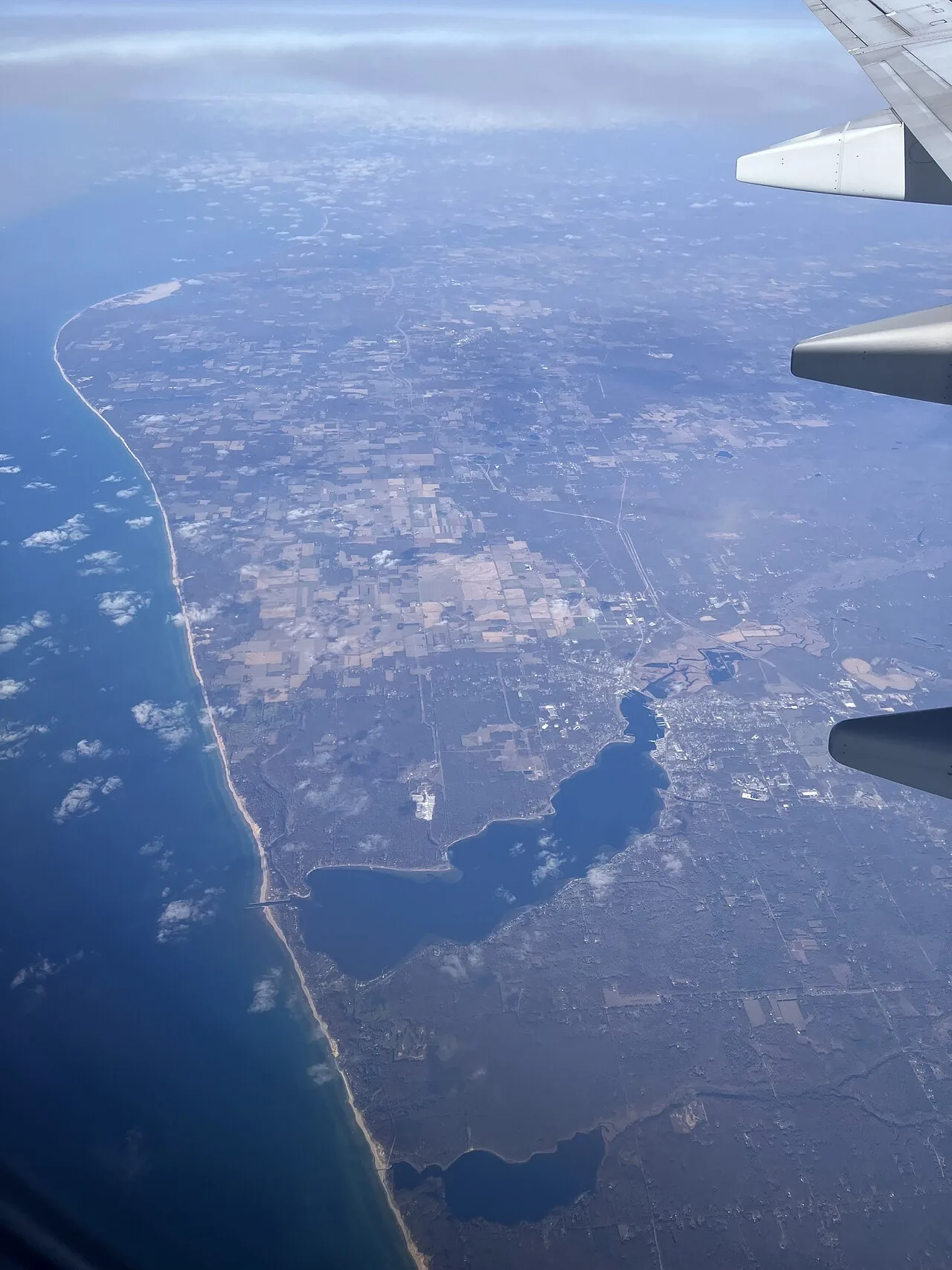
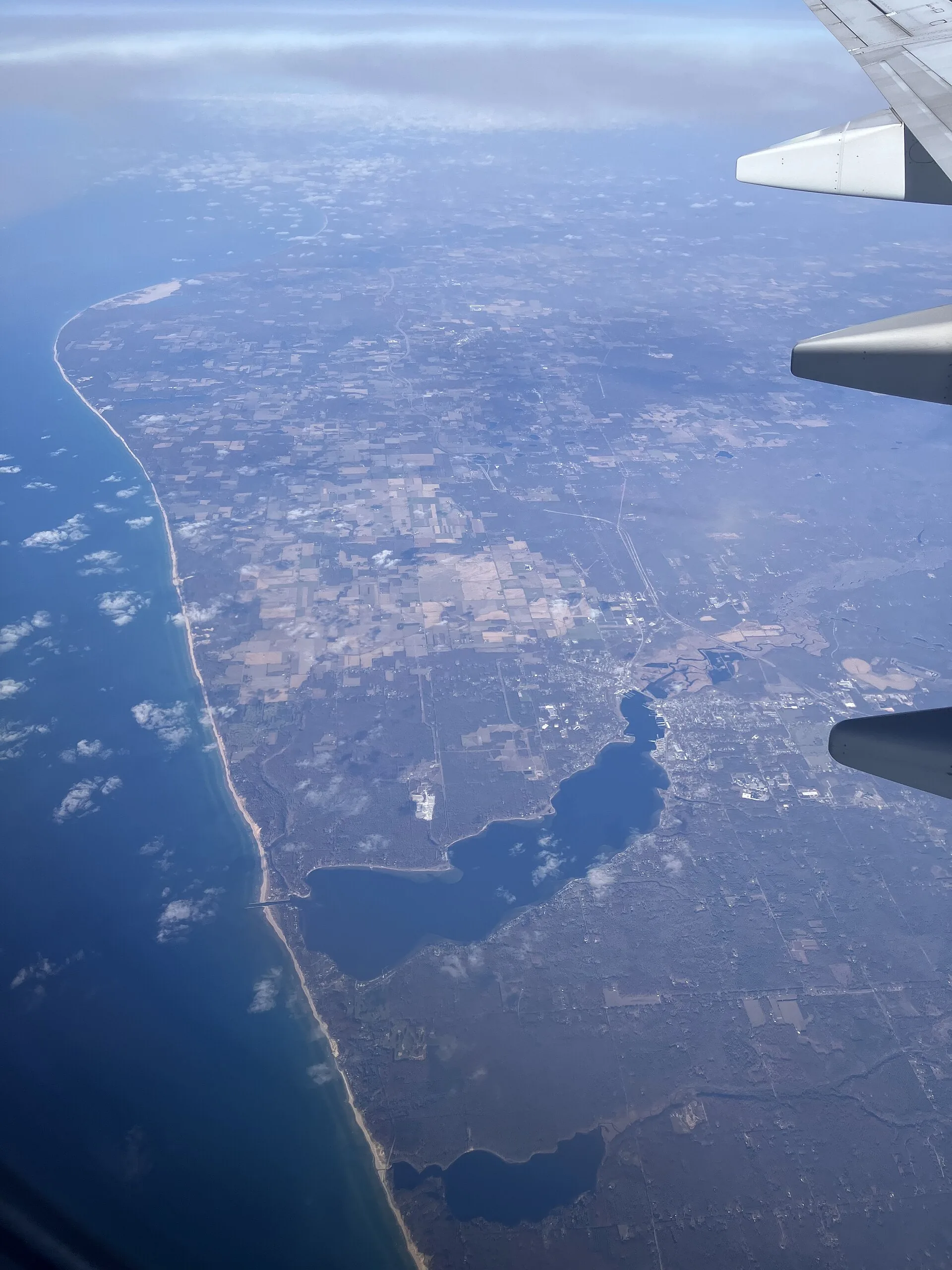
Voit ratkaista puolet palapelistä jo kotisohvalta. Avaa vesistöstä satelliittikuva ja etsi ilmiselvät: niemet, kasvillisuusvyöhykkeet jotka näkyvät tummina läikkinä kirkkaassa vedessä, sisään laskevat purot, laiturit, jokaisen poukaman muoto. Joilla tumma vesi tarkoittaa yleensä syvempää vettä, ja voit poimia syvänteet, kosket ja mutkat jo ennen kuin ajat tunnin matkan.
Etsi sitten syvyyskartta. Syvyyskäyrä- tai merikartta piirtää vedenalaisen maaston samansyvyisten linjojen avulla. Tiheässä olevat linjat tarkoittavat jyrkkää pudotusta. Harvassa olevat linjat tarkoittavat tasannetta. Siellä missä ne puristuvat yhteen niemen kärjen ympärillä, on nopea syvyydenmuutos ja ensiluokkainen paikka. Siellä missä ne kiertyvät alas keskipistettä kohti, on syvin syvänne, ja siellä missä ne kohoavat ylöspäin, on matalikko tai kiviröykkiö joka kohoaa syvemmästä vedestä. Yksi rehellinen varoitus: syvyyskartat voivat olla vanhoja, ja vedenpinta vaihtelee, joten kohtele karttaa pohjan karkeana muotona ja varmista yksityiskohdat vasta paikan päällä.
Kokeneet kartanlukijat tiivistävät sen kolmeen ympyröimisen arvoiseen asiaan: kapeikot (kaikkialla missä vesi kuroutuu kasaan ja suppiloi kalan), yhtymäkohdat (missä yksi vesi kohtaa toisen) ja kulmat (jyrkät mutkat ja niemet, jotka kaivavat syvänteitä ja keräävät kalaa). Etsi paikkoja, joissa kaksi tai kolme niistä menee päällekkäin. Sieltä minä aloitan.
Lue rantaa kun saavut paikalle
Kartat vievät sinut lähelle. Silmät ratkaisevat lopun. Ennen kuin solmit mitään kiinni, seiso paikallasi pari minuuttia ja katso vettä kunnolla.
Pintaa kuplivat lohkivat kalat, syöttikala joka välähtelee tai pyrähtää ilmoille vedestä, pyörre laiturin luona, sukeltavat linnut tai lokit jotka työskentelevät rantakaistaleella. Nuo eivät ole pelkkää plussaa. Sukeltavat linnut syövät samaa syöttiä kuin kalakin, ja se kertoo tarkalleen minne kannattaa heittää. Seuraa kumpaan suuntaan virtaus tai tuuli painaa, sillä se kasaa ravinnon rantoja ja niemiä vasten vastaanottavalla puolella.
Ja käytä paikallisia hyväksi. Vartin päässä vedestä oleva kalastusliike tietää enemmän kuin mikään artikkeli, ja he kertovat yleensä mikä syö ja suunnilleen missä, jos ostat muutaman vieheen ja kysyt suoraan. Muut kalastajat rannalla, pystytetyt kyltit, jopa venesataman tiski, kaikki tuo summautuu nopeammin kuin arvailu.
Rantapaikkojen valinta kun venettä ei ole
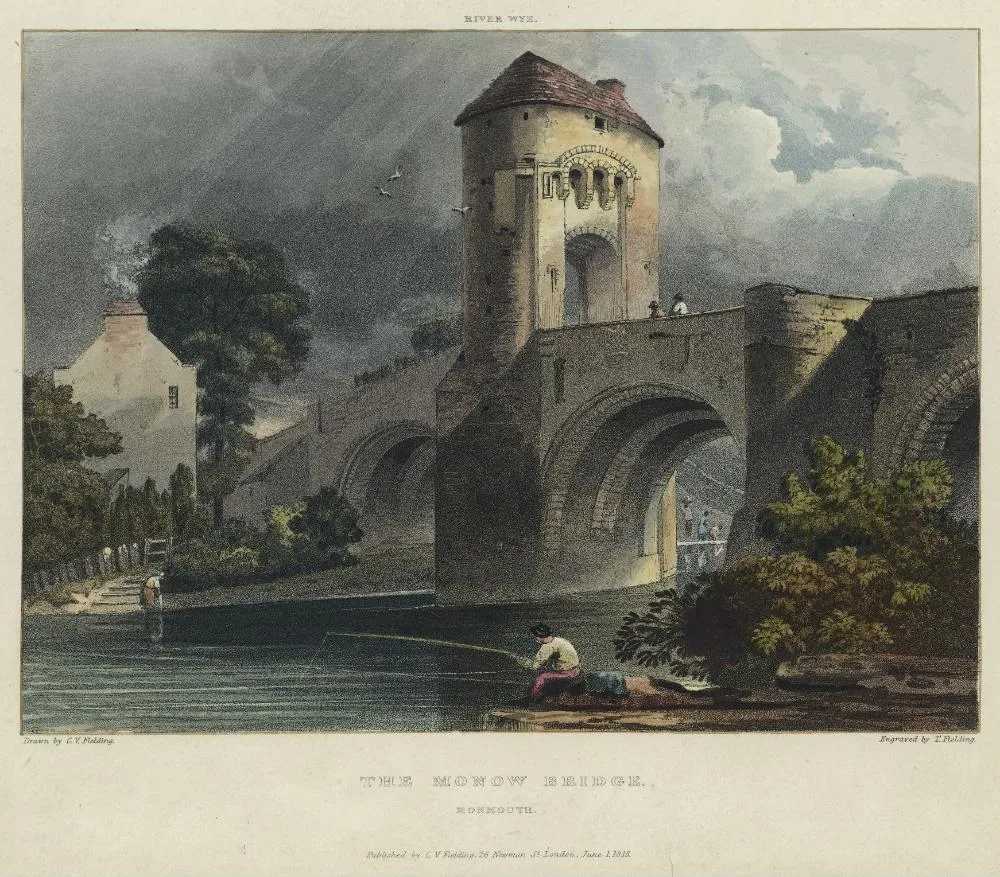
Valtavasti hyvää kalaa saadaan kuivalta maalta. Sinun pitää vain valita rannat, jotka tarjoavat samat reunat joille venekalastaja ajaisi. Paras uutinen rantakalastajalle on, että monet noista rakenteista ulottuvat aivan rantaan asti.
Tähtää niemiin, sillä ne antavat ulottuvuutta syvään veteen ilman että joutuu heittämään kuuhun. Tähtää joensuihin, ylivuotopatoihin ja patojen alapuolisiin virtoihin, joissa virtaus tekee työn puolestasi. Etsi kaikkialta missä syvä vesi on lähellä rantaa, jotta et joudu heittämään sadan metrin yli kuollutta matalikkoa. Ja kalasta ilmeinen suoja: se yksi veteen kaatunut puunrunko poukamassa, se yksinäinen laituri lammella, kivetyskaistale sillan tai pengertien varrella. Sillat, kivetykset ja ylivuotopadot ovat luotettavimpia rantapaikkoja mitä on, osittain siksi että voit antaa yhdelle pienelle alueelle koko huomiosi ja oppia siitä jokaisen kiven.
Kaksi käytännön huomiota. Ota mukaan vieheitä, jotka tulevat puhtaasti suojan läpi, kuten weedless-pehmoviehe, spinnerbait tai pintaviehe, sillä juuttuneiden vieheiden irrottelu rannalta on kurjaa puuhaa. Ja varmista että pääsy on luvallista ja kalastus sallittua ennen kuin asetut paikallesi, etenkin venesatamien ja laskuluiskien lähellä.
Tapa joka oikeasti saa kalaa: pysy liikkeessä
Tässä se kaikkein tärkein, ja se jonka useimmat tekevät väärin. Käy vettä läpi kunnes löydät kalat. Älä jää istumaan kauniille, tyhjälle paikalle kahdeksi tunniksi vain koska se näyttää siltä, että sen pitäisi tuottaa. Toivo ei ole mikään suunnitelma.
Anna paikalle aito mutta rehellinen yritys, kourallinen heittoja eri kulmista ja eri syvyyksiin, ja jos mitään ei näy, siirry. Viisi paikkaa yhtenä iltana voittaa yhden paikan koko illan. Kun lopulta saat tärpin, hidasta vauhtia ja pura osiin juuri sen tyyppinen paikka, ja etsi sitten lisää vettä joka näyttää täsmälleen samalta. Näin kuvio muodostuu: ota yksi, ja toista sitten olosuhteet jotka sen tuottivat.
Mikään tästä ei voita pientä jalkatyötä ja paikallistietoa. Ei ole olemassa yhtä ainoaa temppua, joka kalastaisi paremmin kuin syvyyskartta, hyvä silmäpari ja halu kävellä seuraavalle niemelle. Lue reunat, tiedustele ennen lähtöä, katso vettä kun saavut paikalle, ja pysy liikkeessä.
Nopein oikotie on antaa tiedustelun tapahtua puolestasi. Avaa napp.fish, niin se löytää lähimmät kalapaikat ja näyttää sinulle ajantasaiset olosuhteet ja sen mikä todennäköisimmin syö kullakin paikalla. Se on ilmainen eikä vaadi kirjautumista.
Kuvat: Benh LIEU SONG ( Flickr ), CC BY-SA 4.0 · Jsayre64, CC BY-SA 4.0 · Fielding, Anthony Vandyke Copley, 1787-1855 Fielding, T., CC0