How to catch trout: streams, stocked lakes, and reading the water
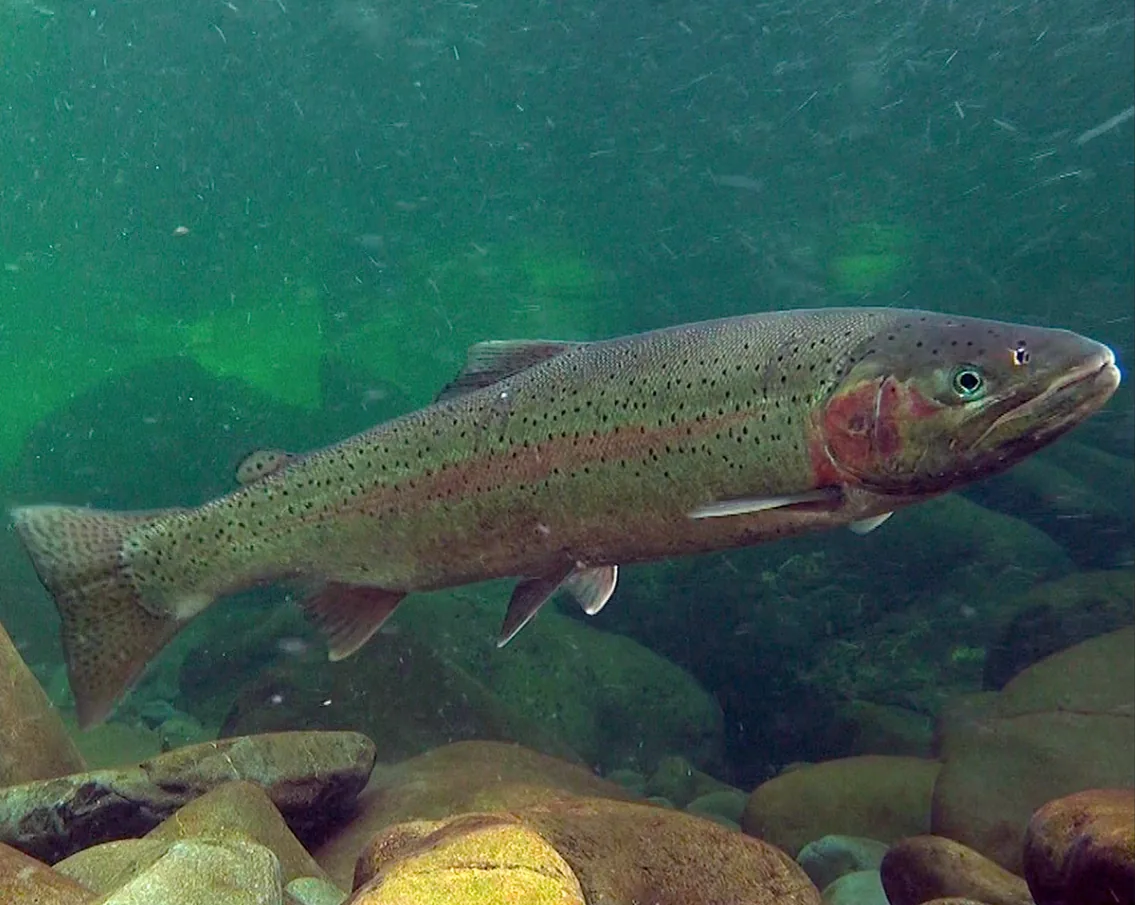
Trout live where the water is cold, clean, and full of oxygen, and once you understand that, half the puzzle of catching them is solved. They are not scattered randomly. A trout sits in a very specific kind of spot, for very specific reasons, and your job is to read the water and put a small lure or a pinch of bait right in front of its nose without spooking it first.
This works for all three of the trout you are likely to run into. Rainbow trout are the most common, the most stocked, and usually the most willing to chase. Brown trout are warier and lean toward low light, so they bite best at dawn, dusk, and on overcast days. Brook trout (technically a char) live in the coldest, cleanest little headwater streams and ponds, and they are gorgeous and often aggressive when you find them. The tactics overlap more than they differ.
Why cold, oxygen-rich water decides everything
Trout are cold-blooded, so water temperature controls their appetite. The sweet spot is roughly 10 to 16 C, or about 50 to 60 F, with the mid-50s being the prime feeding zone. Below about 4 C (39 F) they go sluggish and barely move. Above about 19 to 20 C (around 67 to 68 F) the water holds less oxygen, the fish get stressed, and they stop feeding well. Push past that and you start killing fish even if you release them.
So trout favor the cool seasons. Spring and fall are golden. In high summer, fish the coldest water you can find and go early. Get to the bank at first light, before the sun has been on the water for hours. Find shade, find a spring seep, find the deepest pool, find where a cold tributary dumps in. In winter, flip it: the warmest part of a mild afternoon can turn a few fish on. A cheap stream thermometer tells you more than most lures in your box.
Reading a trout stream
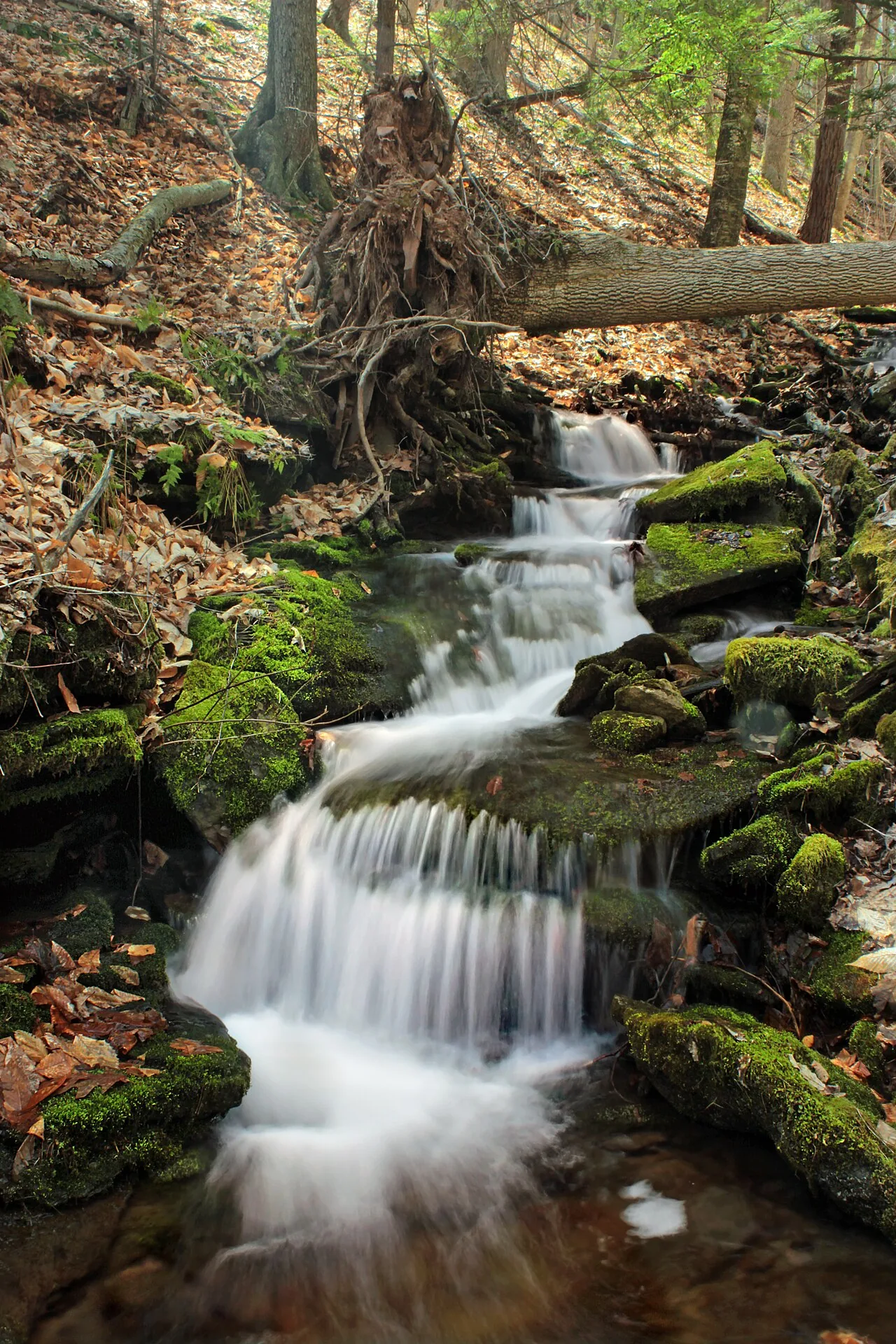
Moving water sorts trout for you if you know what to look for. Start with the riffle, the shallow choppy stretch where water tumbles over rocks. Riffles pump oxygen into the water and tumble food along, but the current there is usually too fast and too shallow for a fish to sit comfortably and hold.
So look just below and around the riffle. The deeper, slower run and the pool below it are where trout rest and feed in the oxygenated, food-carrying flow without burning energy. Watch for current seams, the visible line where fast water meets slow. A trout tucks into the slow side and darts into the fast lane to grab food drifting by. That seam is the single most reliable spot on most streams.
Then hunt cover. Undercut banks, where the current has carved a shadowed shelf under the grass, hide some of the biggest browns in the creek. A boulder breaks the flow and gives a fish a place to rest, and trout hold both behind it in the calm pocket and in the cushion of slack water that piles up right in front of it. Overhanging trees and any shade give cover from overhead predators. Picture where a fish could sit still, stay hidden, and still have groceries floating past. That is where to cast.
Spinners, spoons, and casting upstream
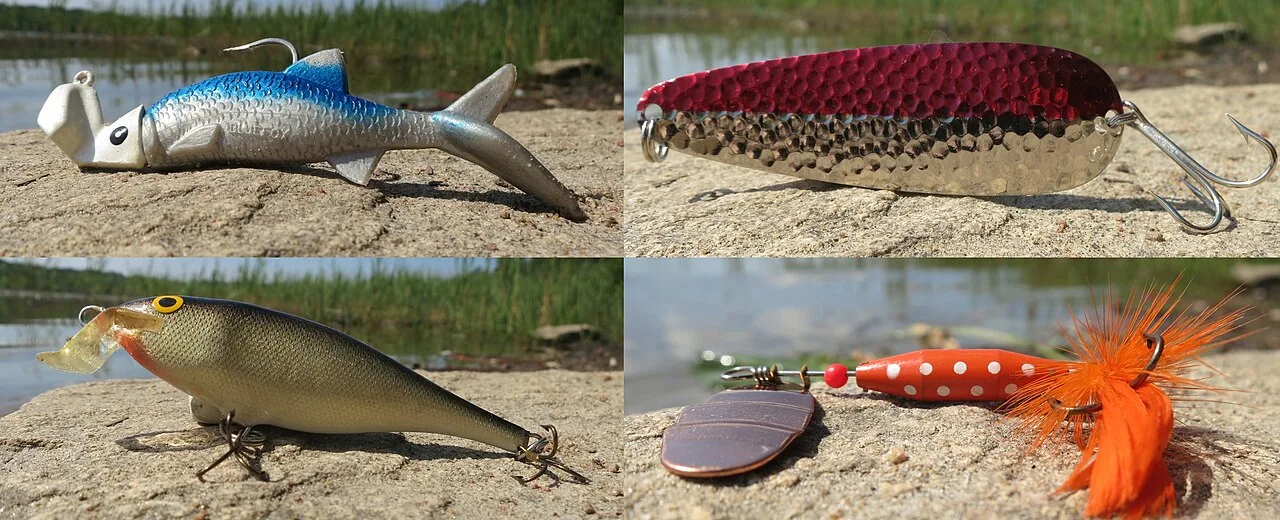
For a beginner with a spinning rod, nothing beats a small inline spinner. A Mepps Aglia or a Panther Martin in size 0 to 2 (lean toward the smaller end on small clear streams) throws a flash and a vibration that trout hammer. Small spoons like a Little Cleo or an Acme Kastmaster work too, especially in lakes and bigger water where you need to cast farther.
In a stream, cast upstream or up and across, then reel just fast enough to keep the blade turning as the lure swings back down with the current. There is a reason. Trout face into the current, so an upstream cast brings the lure toward them from behind their field of view and lets it move naturally with the flow, the way real prey moves. Cast downstream and you are dragging it unnaturally against the current and showing the fish your line. Work the seams, the pocket behind each boulder, the tail of each pool. Fan your casts. Cover the water, then move up.
Bait for stocked trout
Stocked rainbows in a lake or pond are a different game, and an easier one to start with. Hatchery fish are raised on floating pellets, so they are wired to look up and eat small bits drifting near the surface and just off the bottom. They cruise in loose groups rather than holding in current.
The classic rig is PowerBait floated off the bottom. Use a sliding egg sinker on your main line, a small swivel, then a foot or two of light leader to a small treble or bait hook. Mold a marble-sized ball of dough bait around the hook so it is buoyant, cast out, and let it settle. The weight sits on the bottom and the bait floats up into the cruising lane. Reel up the slack and watch your rod tip. Start with the bait a foot or two off the bottom and adjust until you find the fish.
A nightcrawler works just as well and sometimes better, fished the same way or under a small float. Half a worm on a size 8 to 10 hook, a couple of split shot, and a bobber set so the bait hangs a few feet down is a deadly, simple setup. Fresh stockies are not picky. They are eating because they have always been fed.
Light line and staying invisible
This is the part beginners skip, and it matters more than which lure you tie on. Trout have sharp eyes and spook at shadows, heavy line, and clumsy footsteps. Fish light: 2 to 6 lb line, fluorocarbon leader if you have it, especially in clear water. Lighter line is harder for the fish to see and lets a small spinner move freely.
Approach from downstream so you are behind the fish and out of their cone of vision. Keep low, do not let your shadow fall across the pool, and step softly. The angler who creeps up to a run and makes a clean first cast catches the fish that the angler who clomps up to the edge sends bolting for cover. A perfect lure presented sloppily loses to an average lure presented quietly. Every time.
Fly fishing has its place here, and it shines when trout key in on tiny insects, but you do not need it to start. A spinning rod, a few spinners, a tub of PowerBait, and some worms will catch you plenty of trout while you learn to read water.
The short version: find cold, oxygen-rich water, read the seams and cover, fish small and light, and stay out of sight. Do those four things and the fish will surprise you. If you want a head start on the first one, you can see where trout conditions look good near you right now, with live water and weather and no login, free at napp.fish.
Photos: USFWS, Public domain · Nicholas A. Tonelli from Northeast Pennsylvania, USA, CC BY 2.0 · R. Henrik Nilsson, CC BY 4.0