Fall turnover fishing: why it flips, how to fish it
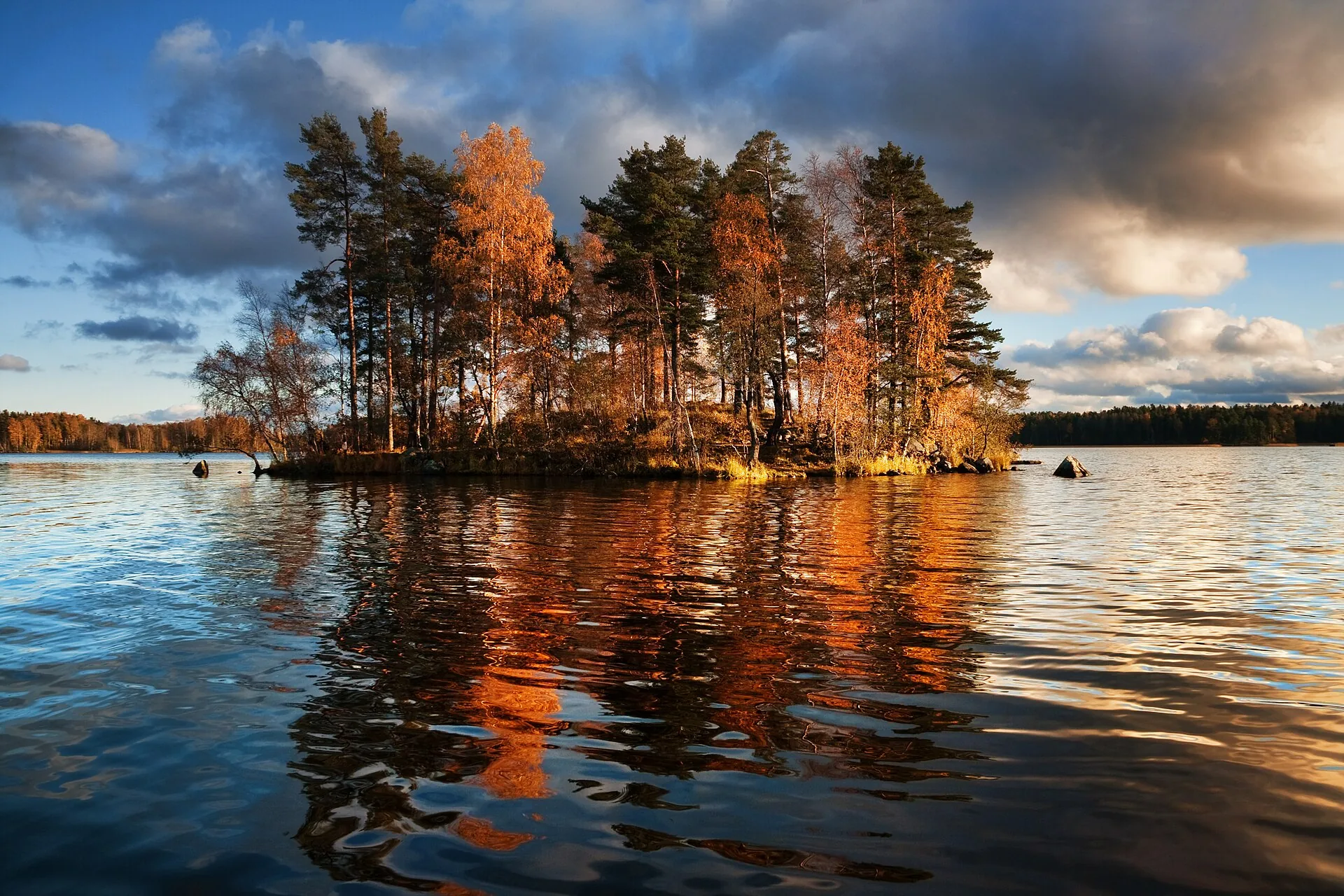
Every fall a lake does something that looks like it broke. The fish that were stacked and predictable all summer scatter, the water can go cloudy, and some lakes even give off a faint rotten-egg smell off the surface. Nothing broke. The lake turned over. Once you understand what that means, you can wait out the tough week and cash in on the great weeks that follow.
What summer does to a lake first
To understand turnover you have to see what it undoes.
Through summer a deep lake settles into layers. Warm, light water floats on top. Cold, heavy water sits on the bottom. Between them is a thin band where the temperature drops off fast, the thermocline. That bottom layer gets sealed away from the surface for months, and because dead plankton and leaves keep sinking into it and rotting, it slowly runs out of oxygen. By late summer the deepest water is cold but close to dead. Fish cannot live down there. They stack along the thermocline and the edges of structure, which is exactly why summer fish are so findable.
Why the lake flips
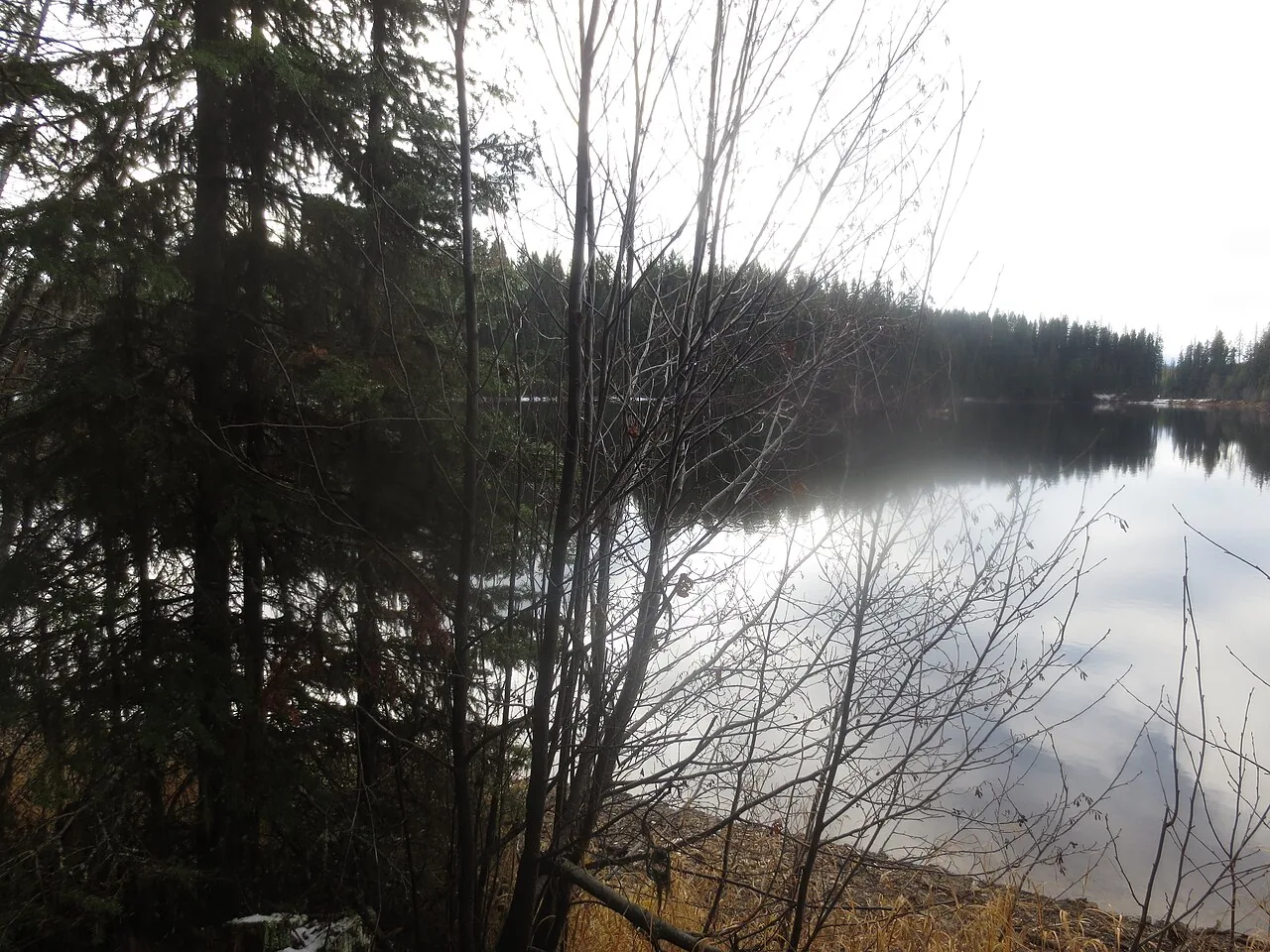
Water is strange. It is heaviest at about 39 F (4 C), not at freezing.
As fall nights get cold, the surface gives up its heat. The top layer cools, gets denser, and starts to sink. When a good wind pushes across the lake at the same time, it shoves that cooling water down and drags deep water up. The whole column mixes. Temperature evens out top to bottom, oxygen spreads everywhere again, and all that stale bottom water rolls up to the top. That is the sulfur smell, and that is the murk. It is not pollution. It is the basement of the lake coming up for air.
The tough part, and how to read it
During the turnover itself, fishing usually goes flat.
Look at it from the fish's side. All summer they had reasons to sit in specific places: the right temperature, the oxygen edge, the bait holding on the thermocline. Turnover erases every one of those at once. Now the whole lake is the same temperature with the same oxygen, so the fish can be anywhere, and scattered fish are hard fish. The slow bite can last a few days or a couple of weeks depending on the lake.
You can tell a lake is turning. The surface temperature falls fast and the layered feel is gone. Bits of debris and foam collect, the water looks dingy, and on some lakes you get that faint rotten smell. This is where napp earns its keep. The estimated water temperature at your nearest water is the cleanest signal you have, and when that number slides into the low 50s F (about 11 C), stops falling, and a hard windy cold snap just blew through, the lake has very likely turned or is turning. Temperature is the whole story here, and water temperature is the number that decides everything covers why.
If you do get caught fishing a lake mid-turnover, you have three honest options. Slow down and downsize, because the few fish that eat want an easy meal. Fish the shallow bays and back ends, which settle faster than the main basin. Or go somewhere that does not stratify at all, like a river or a small shallow pond, neither of which turns over the way a deep lake does.
Then it gets very good
Here is the payoff. Once the lake settles, usually a week or two after it flips, you get the best conditions of the year.
The water is now cool and full of oxygen from top to bottom. Fish are no longer pinned to a narrow band, so they spread out, roam shallow, and chase. Better still, they can feel winter coming and they feed hard to put on weight. Baitfish pull into the backs of coves and along wind-blown banks, and the predators follow. Cover water, stay on the bait, and fish faster than you did all summer. Wind-blown points and the mouths of feeder creeks are where I would start. This is the same window the fall fishing guide is built around, and turnover is the switch that opens it.
Let the app watch the switch for you
You do not have to guess where in the cycle a lake sits. Pull up napp at the water closest to you and watch two things: the water temperature trend and the wind. A sharp drop in surface temp plus a cold, windy spell is the lake flipping, and the biting now read will usually sag right through it. When the temperature levels off cool and steady and the bite ranking climbs back, the settled window has started. That is your green light, free and with no login, at napp.fish.
Photos via Wikimedia Commons (CC). See the blog image attribution file.