Best Fishing in September, October, November
Water temperature is the whole story in fall. It drops a little each week, and the fish reorganize around it. That single trend, cooling water, separates September fishing from November fishing far more than any calendar date does. Here is what actually changes month to month, and how to fish each one.
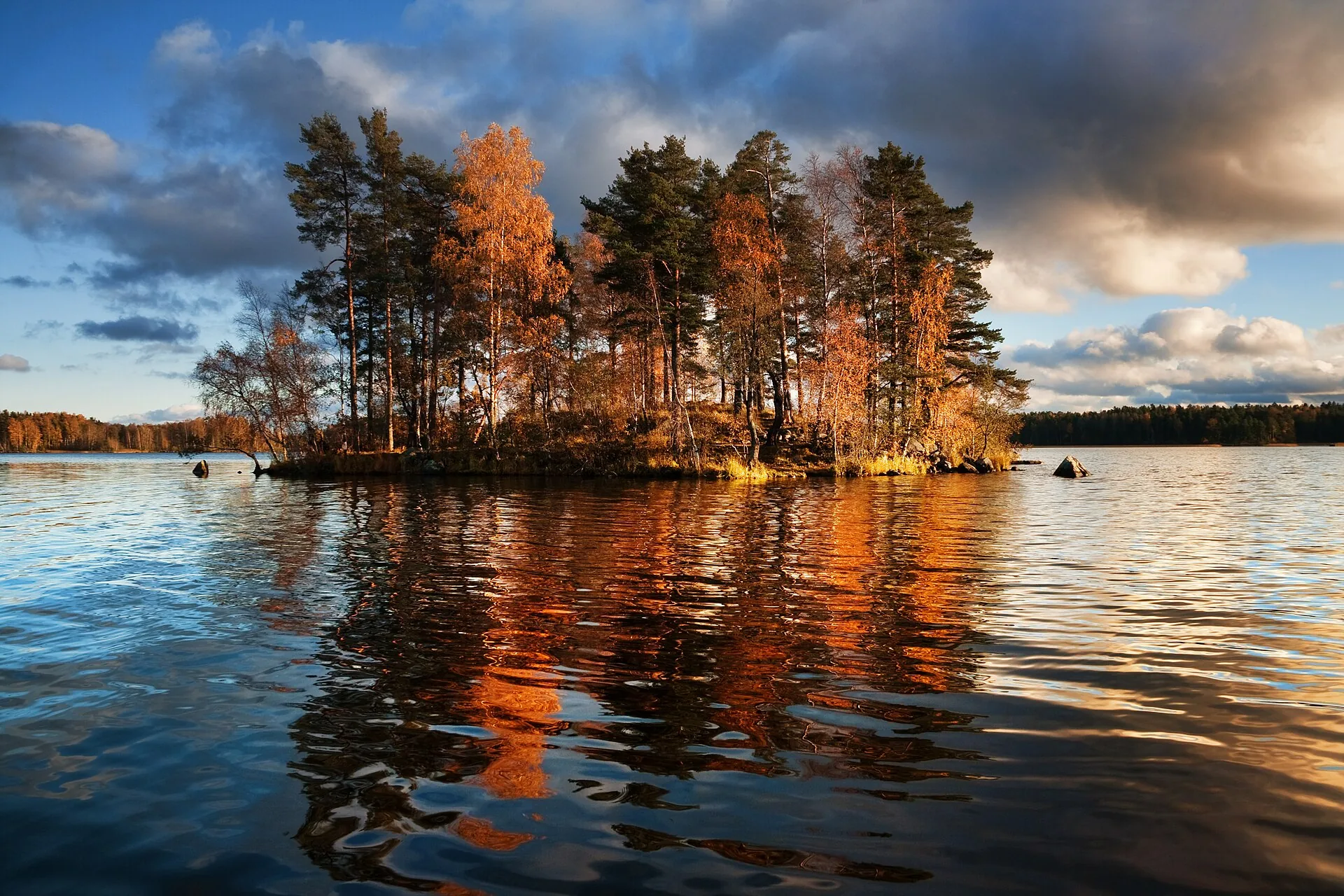
Fall does not arrive on the same day everywhere. A shallow, dark-bottomed lake cools weeks ahead of a big deep one. So read the water, not the calendar. napp shows the live water temperature at your nearest spot, and that number tells you which of these three months you are really fishing, whatever the date says.
September: the cool-down starts and fish feed up
The surface loses its summer warmth first. As it slides through the low 60s F (around 16 to 18 C), the thermocline that stacked fish in deep water all summer starts to break down. Fish spread out, and more importantly, they start eating.
This is the month fish sense the short days coming and begin loading up for winter. Baitfish pull toward the backs of bays and creek arms, and predators follow them shallow. Your first move in September is up, not down. Fish the first real weed edges, points, and flats in 6 to 15 feet, early and late when the light is low.
Bass, perch, and walleye all get more willing as the water cools out of the summer heat. You can fish faster than you did in August. Cover water, find the bait, and the predators will be close by.
October: peak predator month
If you fish one month of the year, make it this one. Water temps drop into the 50s F (around 10 to 14 C), and cold-blooded predators go on a hard feeding push before winter locks things down.
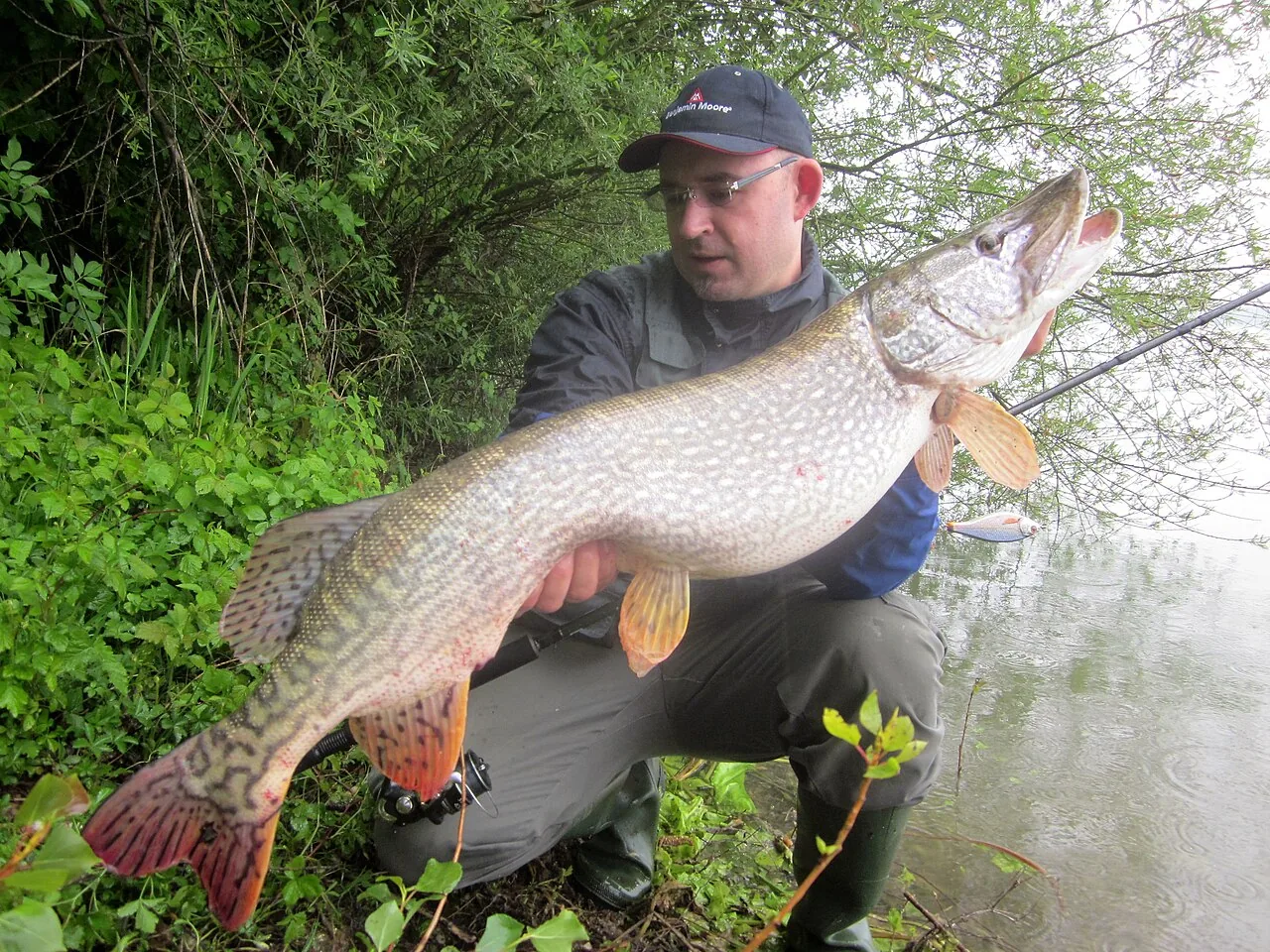
October is prime for pike. Big pike that spent summer sulking in cool deep water move back onto weed edges and shallow bays to hunt, and they will chase a fast bait. Bass do the same, ganging on baitfish and smashing reaction lures they ignored a month earlier. This is the aggressive window the whole season builds toward. Throw something loud and moving. Spinnerbaits, big spoons, jerkbaits, glide baits.
Weather matters more now than it did in summer. A stable stretch, or the falling barometer ahead of a front, can turn a good October day into the best day of your year, while a hard post-front bluebird sky can shut it right off. This is where reading conditions pays. The mechanics are worth knowing cold, and they are laid out in how the weather turns a bite on.
November: fewer fish, bigger fish
November is cold and it is late. Water drops into the 40s F (around 5 to 9 C), the shallow bite gets short, and most days you catch less. What you do catch is often bigger. The small, active fish shut down first. The heavy ones keep eating, just slower and deeper.
Follow them down. As the shallows chill, bait and predators drop to the first deep break, the outside weed line, and structure in 15 to 30 feet. Slow everything down. A jig crawled along the bottom, a suspending jerkbait paused long between twitches, a blade bait hopped and dropped, a soft plastic left to sit. The fish are not chasing now. Put the bait in their zone and leave it there.
Pick your window too. In late fall the warmest part of the day, mid-afternoon after the sun has worked the shallows, often beats the dawn bite that ruled summer. A single degree of warming can wake a sluggish fish.
Let the water tell you the month
The date is a rough guide. The water temperature is the real one, and it does not read the same on every lake. That is exactly what napp is for. It pulls the live weather and water temperature at the spot nearest you and ranks which fish are most likely biting right now, with the reasoning shown, so you can see whether you are fishing a September feed-up or a November grind. For the wider seasonal picture, the fall fishing guide goes deeper on patterns and locations.
None of this is a promise. Cooling water shifts the odds, it does not place your fish. Pull up the current conditions and the live bite at the water closest to you, free and with no login, at napp.fish.
Photos: kichigin, Freepik licence · alexkoral, Freepik licence · haritonovstock, Freepik licence