The Best Lures for Fall Fishing
Fall does two things to a lake at once, and both of them change what you should tie on. The water cools, and the fish that live in it start eating like the meal might be their last. Get those two facts into your lure choice and autumn becomes the easiest big-fish season of the year. Ignore them and you are fishing a summer box in water that has moved on.
Bigger, because their food got bigger
Through the cooldown, a pike, a bass, a walleye, or a slab perch is not nibbling. It is bulking up for winter, and it wants calories, not a snack. The baitfish have had all summer to grow, so the forage in the lake is at its biggest of the year. A predator hunting a five-inch shad has no reason to chase a two-inch grub.
So size up. This is the season for a larger swimbait, a full-size jerkbait, a heavier blade bait. A lure that looked absurd in July looks like exactly the meal a fish is hunting in October. Big fish did not get big by turning down big food, and in fall they stop pretending otherwise.
Slower, because the water is colder
Cold water slows a fish down. Its metabolism drops, it will not sprint far for a meal, and a lure ripped past at summer speed simply leaves the picture. The fish are hungry, but they are not fast. You have to bring the bait into their world and keep it there.
That means a slow roll on a spinnerbait, letting the blade thump at a crawl instead of buzzing. It means longer pauses on a jerkbait, the kind that feel too long, because the eat almost always comes on the pause. It means lifting a blade bait and letting it flutter down on a slack line, then waiting. Fall fishing happens in slow motion. The single most common mistake is fishing it at July speed. If you are not sure how far the lake has dropped, napp shows the water temperature at your nearest spot, and that number tells you how slow to go. The colder it reads, the longer every pause.
Match it to the water you actually have
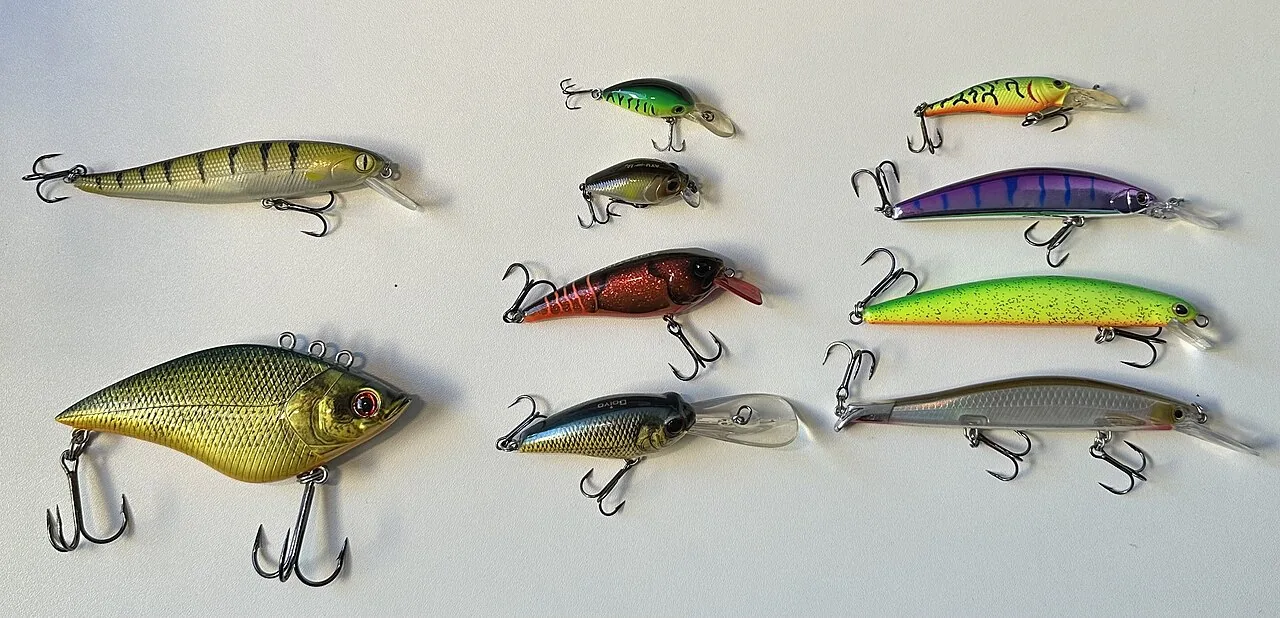
Two lakes on the same afternoon can want two different baits, and clarity is why. In clear fall water, where visibility is long and the light is thin, natural does the work: a shad or perch pattern, a subtle roll, a bait the fish inspects and believes. In stained or wind-churned water, they hunt by feel and flash, so give them something to find. A wider blade, a louder rattle, a chartreuse or firetiger flank, a dark profile against a gray sky.
Low autumn light tilts the whole thing in your favor. The sun sits lower all day and overcast is common, so predators keep their low-light ambush edge for hours instead of minutes. That lets you fish faster and cover more water than a bright summer noon ever allowed. The full logic of clarity and light is worth its own read: how to choose lure color walks through which six colors actually matter and why the other thirty-four are marketing.
The four that earn their keep
Four families cover almost every fall situation.
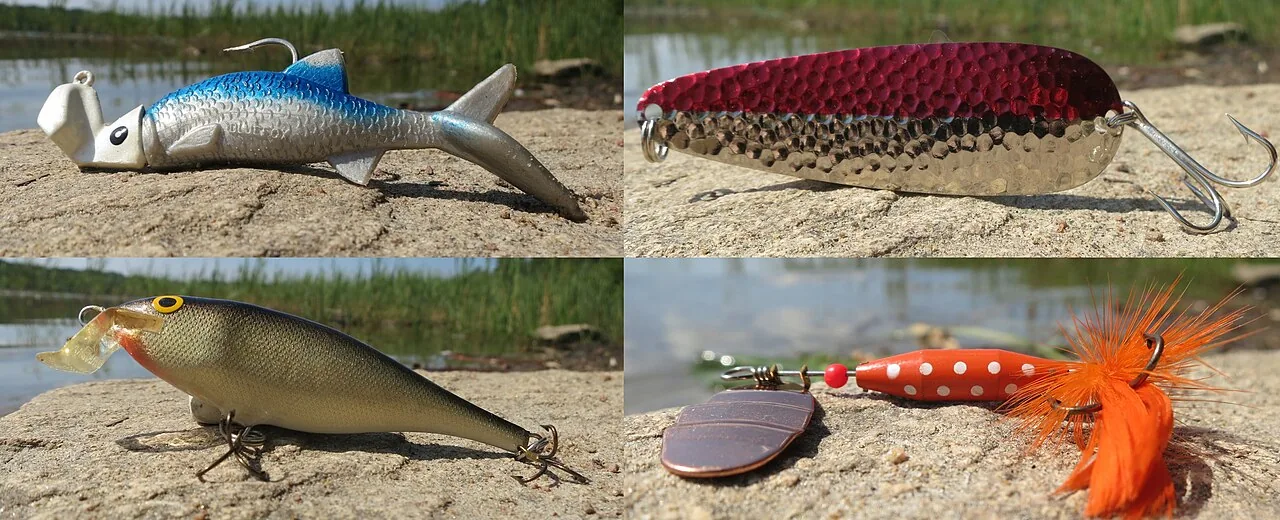
Big swimbaits are the pike and muskie meal, and a slow-rolled paddle tail fools autumn bass and walleye just as well. Feel the tail tick, keep it near the bottom, and resist the urge to speed up.
Jerkbaits own the cold-water suspend. A hard jerkbait twitched and then hung dead in the strike zone is deadly on bass and walleye once the water drops toward the low fifties Fahrenheit. The colder it gets, the longer the pause.
Blade baits are the perch and walleye answer when fish pull deep and tight to the bottom. Vertical lifts and flutters straight over a school draw bites when nothing swimming horizontally will.
Slow-rolled spinnerbaits are the ugly-water special. When wind and falling leaves stain a bank brown, a big Colorado blade crawling along thumps out a signal a fish can track without ever seeing it.
Make the call on the bank
You do not choose a lure in the garage. You choose it at the water, from what is in front of you: how cold it is, how clear it is, how much light is on the surface, and which fish are switched on today. That last part is where napp helps. It reads the live weather and water temperature at the water nearest you and ranks which species are most likely biting right now, with the reasoning shown, so you know whether to rig for pike or perch before you tie the first knot. Pair that with the seasonal picture in the fall fishing guide and your box makes sense before you cast.
None of this is a rule. Water temperature and the bite ranking are guidance, not a fishing regulation, and the fish get the final vote. But cold water and hungry, bulked-up predators point the same direction almost every time: bigger, slower, and matched to the water you can see. Pull up the conditions and the current bite at your nearest spot, free and with no login, at napp.fish.
Photos via Wikimedia Commons (CC). See the blog image attribution file.