Best Time to Fish for Bass After Rain
Rain changes the water before it changes the weather, and that is the part most advice skips. By the time the sky clears, the creek or lake you are standing on has already been rewritten. Food has been knocked loose from the bank, the surface has cooled a degree or two, and a curtain of dirty water is hanging over the shallows that a bass can hide behind. The hour right after a light rain stops is one of the highest-percentage windows you will fish all season, and it has almost nothing to do with the rain itself. It is about what the rain leaves behind.
Runoff is a dinner bell
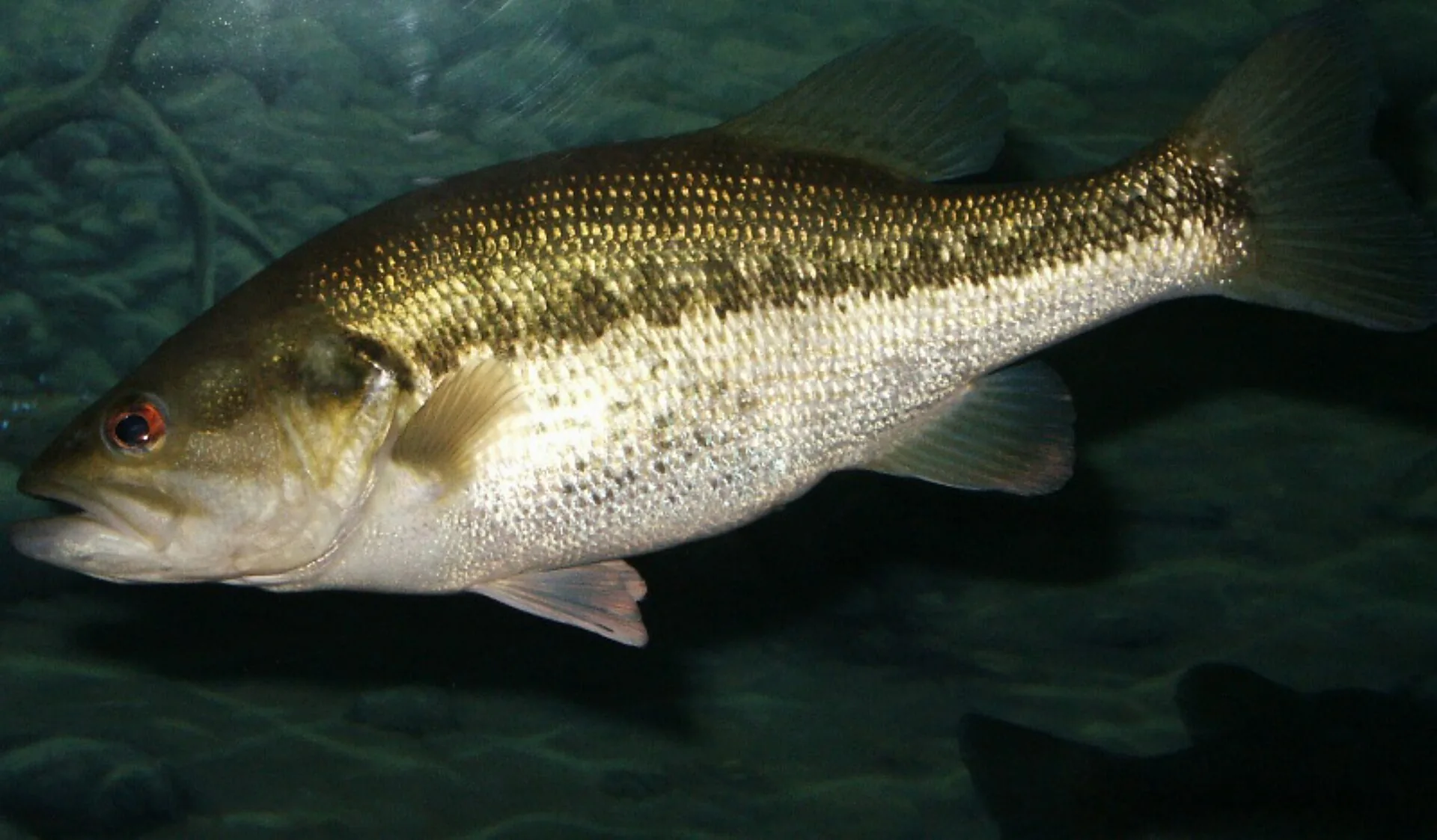
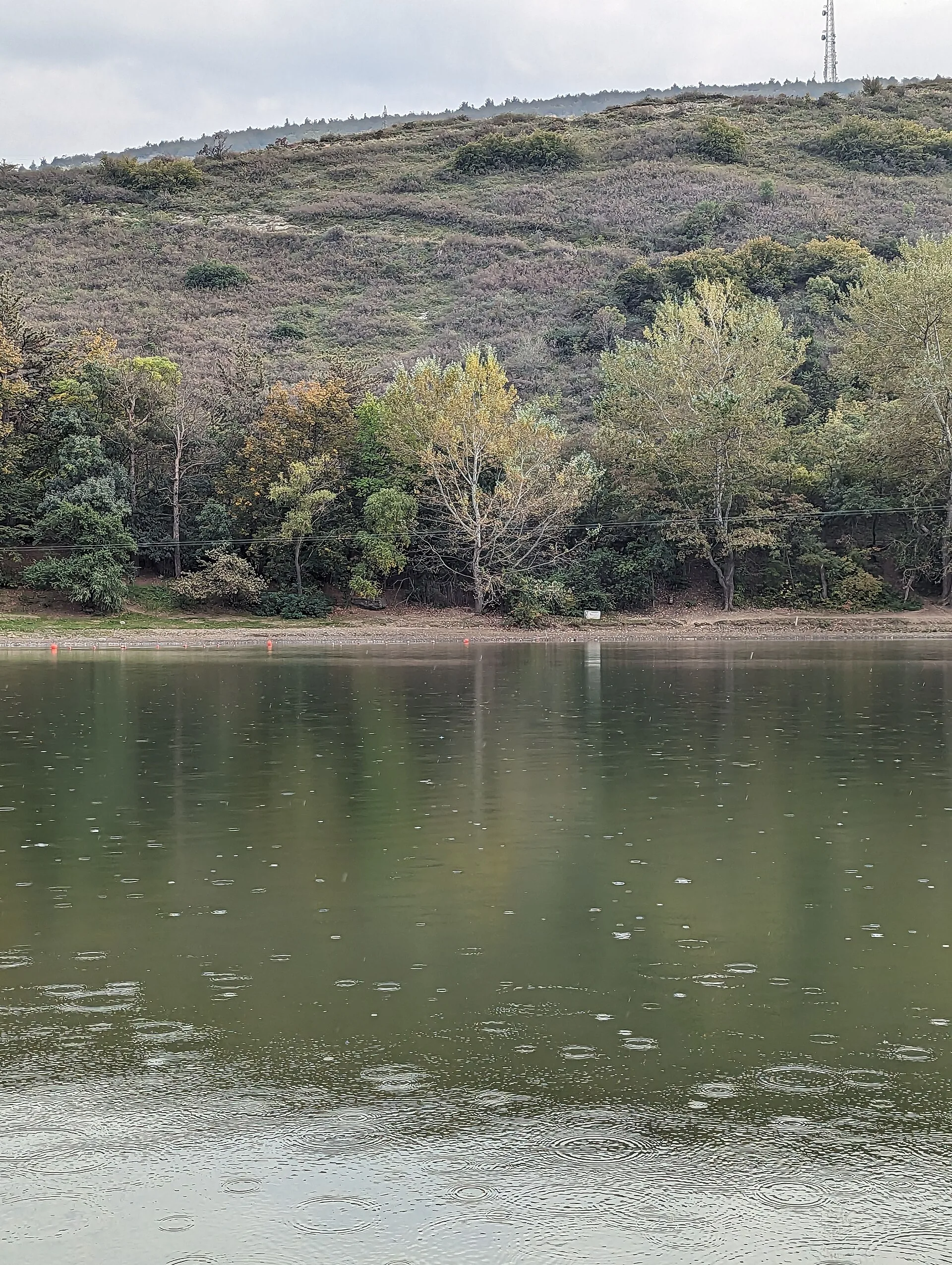
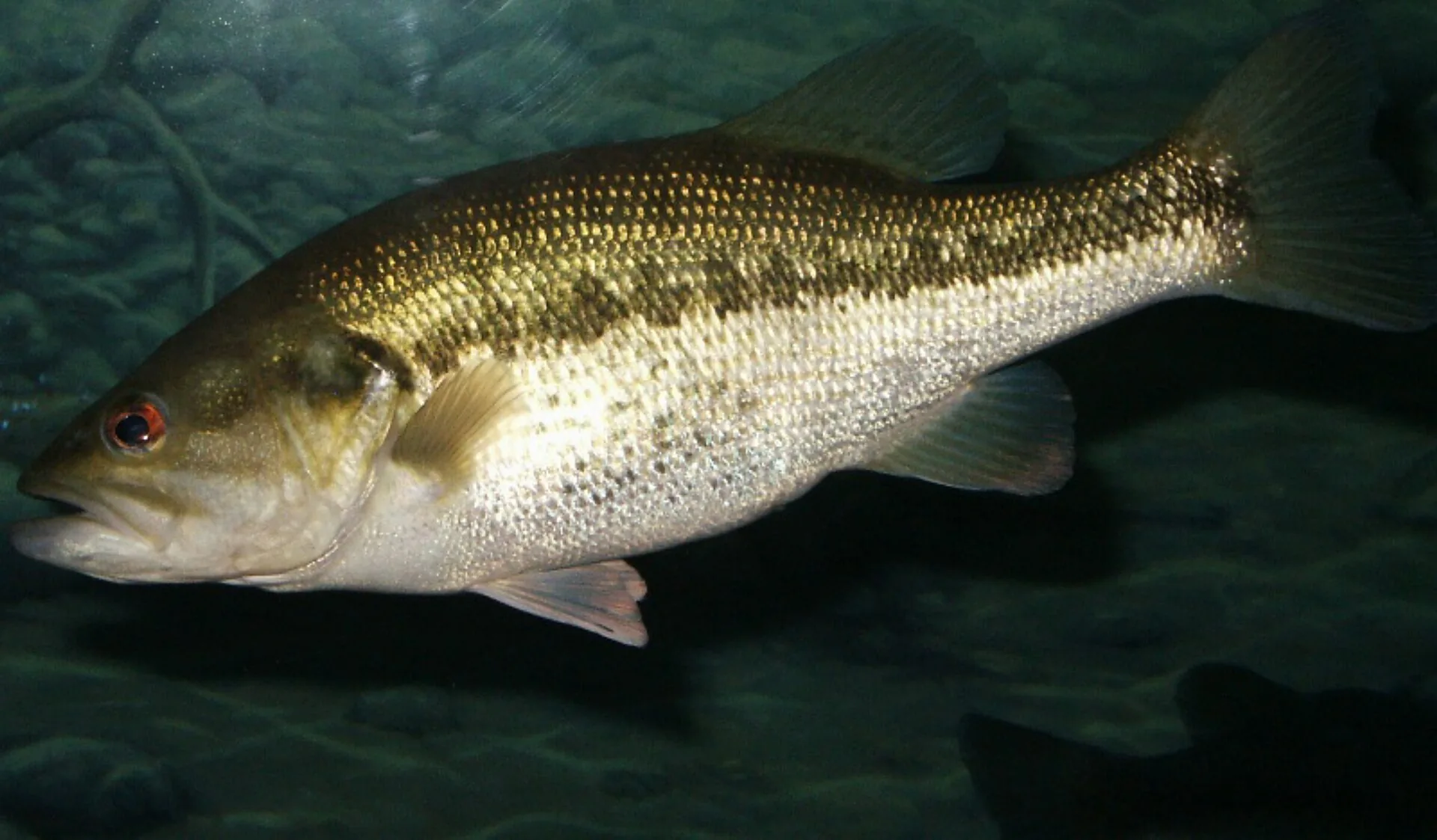
Every drop that hits the yard, the road, or the bank has to go somewhere, and where it goes is downhill, into the nearest creek mouth, culvert pipe, or low shoreline. That water carries worms, grubs, ants, and whatever else it picked up on the way down, and it dumps all of it into the first slack water it reaches. Bass know this. They stack up at creek mouths, culvert outflows, and any shallow bank taking fresh runoff, because food is arriving faster than they can eat it.
The stain in the water pulls just as much weight as the food. Turbidity, the cloudiness runoff kicks up, hides you, your boat, and your line. A bass that would normally sit tight to a laydown in ten feet of clear water will push right up onto a mudflat in eighteen inches once that same water turns the color of tea. Less to fear and more reason to feed. Food arriving while cover disappears is what makes the post-rain window so aggressive.
Fish the mud line, not the whole lake
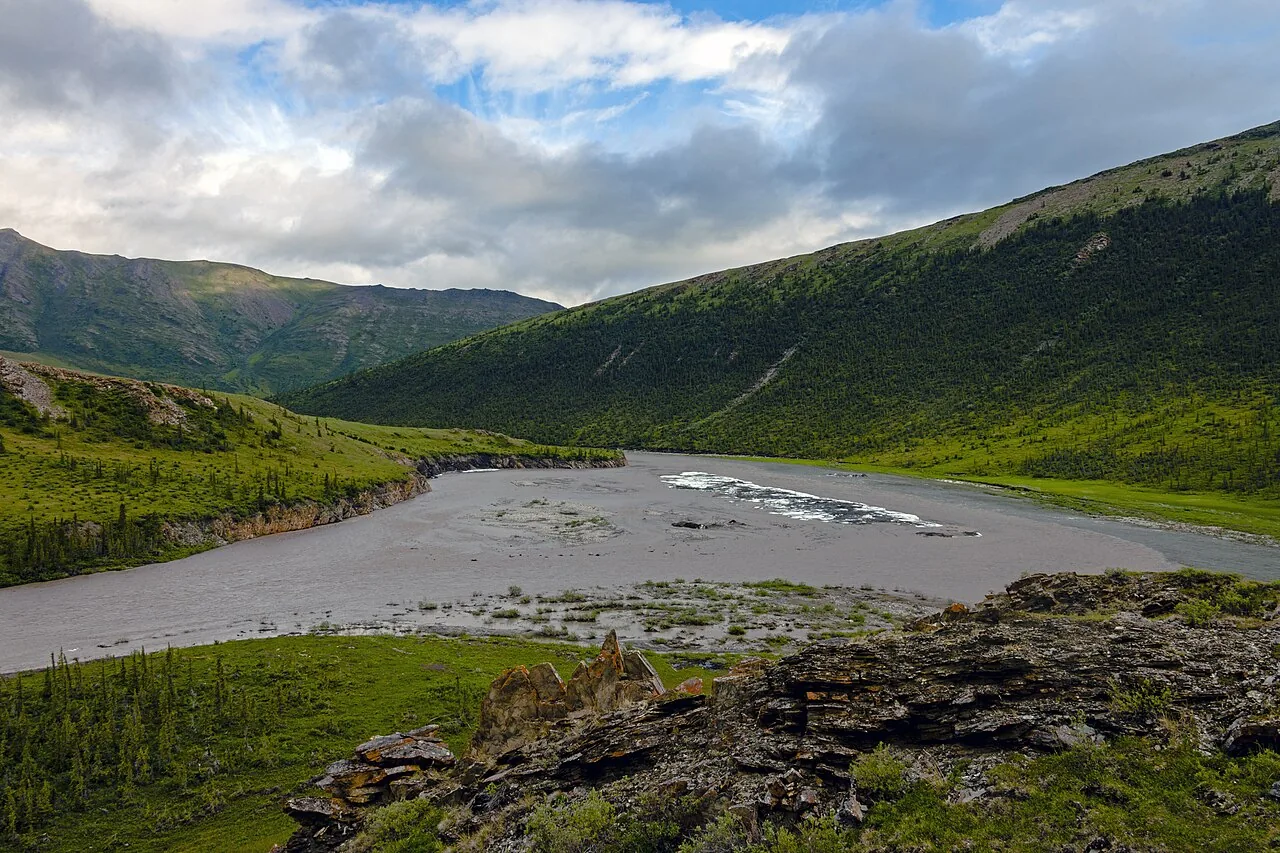
You do not need to cover the whole creek arm. You need the mud line, the visible seam where dirty runoff meets the clearer water it is flowing into. That seam is where baitfish and bass both hold, because it is the edge between food and safety. Cast parallel to the line rather than across it and work the same 30 or 40 yards of seam a few times before you move on. It will out-produce blind-casting open water most days.
Color and vibration do the work your bait cannot do quietly in stained water, because a bass there is hunting by feel and silhouette more than sight. A spinnerbait or chatterbait thumping down the seam, a squarebill crankbait deflecting off whatever wood or rock is holding there, or a dark-skirted jig crawled slow through the mud, all beat anything subtle. Dark colors, black, blue, junebug, throw a bigger silhouette against a bright sky. Chartreuse and white read better in low light or heavier stain. What does not work is a small, quiet, natural-colored bait a bass has to go looking for.
When it is a blowout, not a shower
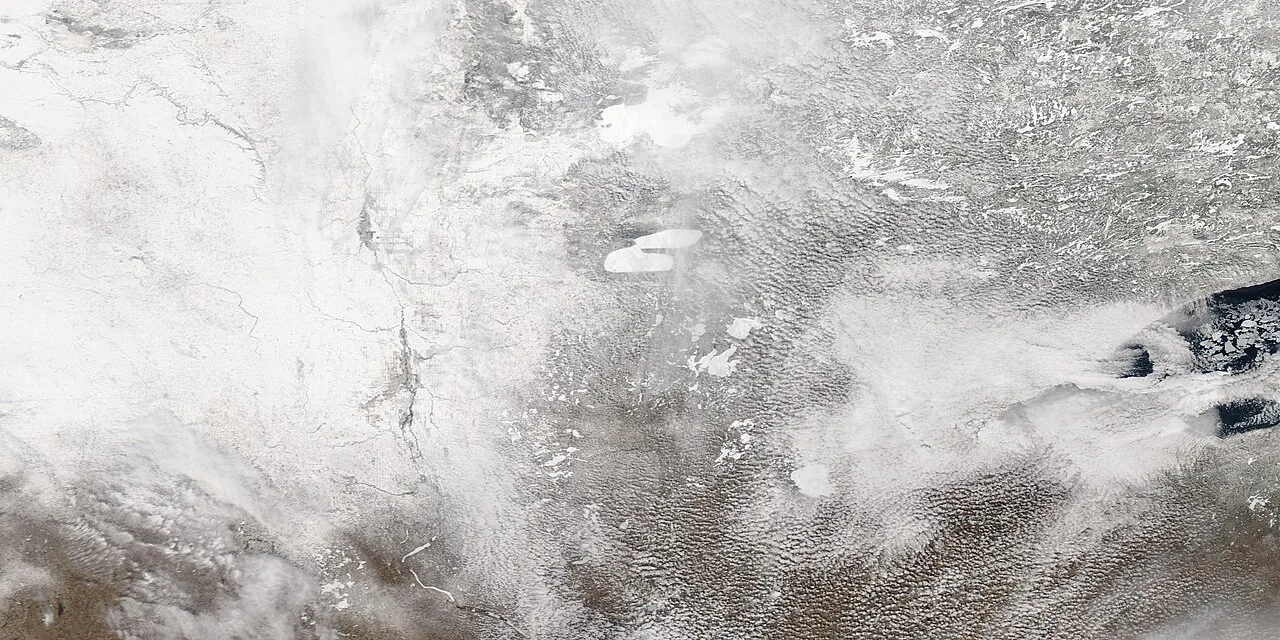
A hard, sustained downpour is a different animal. Instead of a light stain you get chocolate milk, a rising water level, and current where there was none an hour ago. That much cold runoff at once can drop the temperature fast and push bass off the flats entirely, tucking them into eddies, laydowns, and anything breaking the new current. Do not fish the middle of a full blowout. It is mostly unfishable water, less a mud line than a wall. Work the outside edges instead, where the flood is thinning back toward clear, and slow everything down. The best fishing around a heavy-rain event usually is not during it. It is in the six to twelve hours after it quits, once the level steadies and a real mud line shows up again.
Check it before you load the truck
This is exactly the kind of window that is easy to miss and easy to check for first. napp reads the live rain and weather at your nearest water and ranks which fish are most likely biting right now, largemouth included, so you can tell whether a spot just took a shot of good runoff or is still climbing out of a blowout before you drive anywhere. Pair that with the full weather breakdown if you want the wider picture on pressure, wind, and cloud cover on top of the rain.
Post-rain bass fishing rewards showing up at the right hour more than almost any other pattern out there. Watch the radar, give it that first hour after it stops, find the mud line, and fish it slow and loud. Browse nearby bass water and check the live conditions and the current bite free at napp.fish, no login required.
Photos: Robert Pos, CC BY 2.0 · Daniel Case, CC BY-SA 3.0 · MODIS Rapid Response Team at NASA GSFC, Public domain