
Oosterschelde
Oosterschelde is a lake in Netherlands. The fish here are ranked by weather, water temperature and season, see the likely catch below.
Best day to fish
The bite over the next days, scored at dusk. Based on the weather forecast, so it is guidance, not guarantees.
Conditions right now
Water temperature is an estimate based on weather and season.
Best times today
Local time at the spot, from the most likely species' daily rhythm.
Feeding times today
Solunar times are a traditional guide based on the moon's position, separate from the live ranking above. Local time at the spot.
Next hours
Likely catch now (3 species)

About the fishing here
Oosterschelde is a lake in Netherlands.
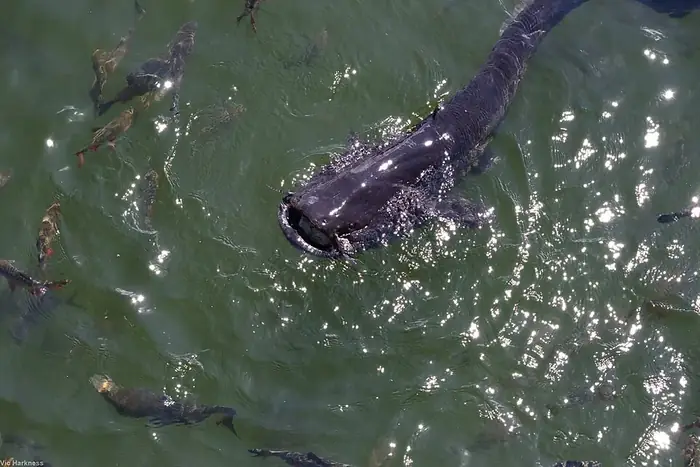
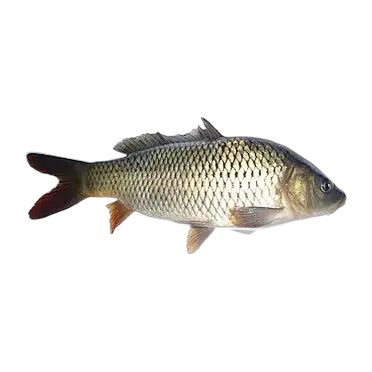
Popular catches here include Wels Catfish, Common Carp and Northern Pike.
Wels Catfish fishing is usually best around Jun-Aug. The best windows are usually dawn, dusk and night.
A national or regional fishing permit is generally required here. Check the local rules. Napp ranks the species above from the live weather, water temperature, season and time of day, so the order changes through the day.
Tips right now
Fishing permit
You need a fishing permit (fiskekort) to fish here. Buy it online:
About this water
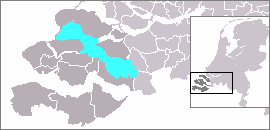
The Eastern Scheldt is a former estuary in the province of Zeeland, Netherlands, between Schouwen-Duiveland and Tholen on the north and Noord-Beveland and Zuid-Beveland on the south. It also features the largest national park in the Netherlands, founded in 2002.
Read more on Wikipedia →Map
More waters nearby
Common questions
What fish can you catch at Oosterschelde?
Popular catches here include Wels Catfish, Common Carp and Northern Pike.
Do you need a fishing license at Oosterschelde?
Usually yes. Most countries require a national or regional fishing permit. Check the local rules via the link on this page.
When is the best time to fish Oosterschelde?
Wels Catfish fishing is usually best around Jun-Aug. The best windows are usually dawn, dusk and night.
What is biting at Oosterschelde right now?
Right now Wels Catfish is the most likely catch, at about 49%.