Toimivatko kuun vaiheet ja solunar-taulukot oikeasti kalastuksessa?
Joka kalastusliikkeessä on se yksi tyyppi, joka suunnittelee koko viikkonsa solunar-taulukon mukaan, ja toinen, joka kutsuu sitä kalastajien horoskoopiksi. Molemmat ovat vähän oikeassa. Kuu vaikuttaa kaloihin. Se vain vaikuttaa niihin paljon vähemmän, ja paljon epäluotettavammin, kuin sovellukset, jotka myyvät sinulle "parhaita kalastuspäiviä", haluavat sinun uskovan.
Tässä siis rehellinen versio, jossa rannikkokalastaja ja sisävesikalastaja pidetään erillään, sillä vastaus on heille aidosti erilainen.
Mitä solunar-teoria oikeasti sanoo
Ajatus juontaa juurensa John Alden Knightiin, joka kokosi sen toukokuussa 1926 ja keksi nimen sanoista "Sol" (aurinko) ja "Lunar" (kuu). Knight aloitti listalla 33 asiasta, joiden hän uskoi ohjaavan kalojen ja riistan käyttäytymistä, ja karsi kaikki paitsi kolme: auringon, kuun ja vuoroveden. Niistä hän rakensi solunar-taulukon, joka julkaistiin ensimmäisen kerran vuonna 1936.
Mekaniikka on yksinkertainen. Jokaisessa vuorokaudessa on kaksi suurta jaksoa, kun kuu on suoraan yläpuolella tai suoraan alapuolella, ja kaksi pientä jaksoa, kuun noustessa ja laskiessa. Ne ovat ne ikkunat, joina teorian mukaan kalat, linnut ja riista aktivoituvat. Päälle tulee kuukausirytmi: aktiivisuuden pitäisi olla huipussaan täysikuun ja uudenkuun aikaan, kun aurinko ja kuu vetävät samaan suuntaan, ja laantua puolikuiden aikaan.
Siinä koko myyntipuhe. Eläimet syövät kellon mukaan, jonka kuun asema asettaa, ja jos kalastat suuret ja pienet jaksot täysi- tai uudenkuun aikaan, kalastat huiput. Uskottavaa. Kysymys on siitä, onko vesi samaa mieltä.
Se ainoa täysin todellinen kuun vaikutus: vuorovesi
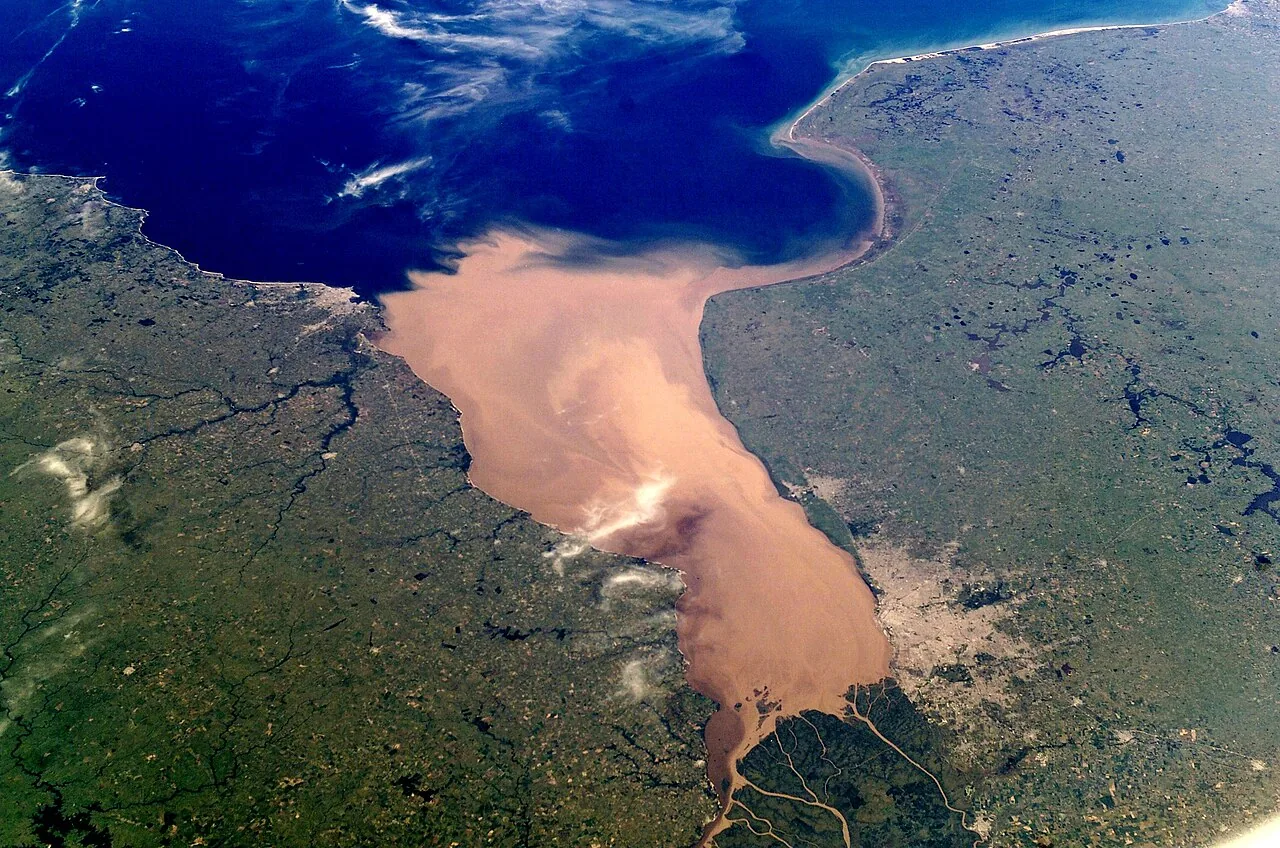
Jos kalastat suolaisessa vedessä, lahdissa tai suistoissa, lopeta väittely ja katso vuorovesitaulukkoa. Tässä kuu ansaitsee maineensa.
Meren vuorovedet ovat lähes kokonaan kuun ohjaamia (auringon avustamana), ja liikkuva vesi on luotettavin syömisen laukaisija, mikä rannikkokalastajilla on. Etenevä vuorovesi työntää syöttikalaa salmien, niemien ja väylien läpi, kasaa sitä rakenteita vasten ja soittaa ruokakelloa kaikelle, mikä odottaa virran alapuolella. Moni opas sanoo, että syönti usein käynnistyy ensimmäisen tunnin tai parin aikana vuoroveden lähdettyä liikkeelle, nousevana tai laskevana, ja kuolee tyveneen veteen, kun mitään ei kuljeteta mihinkään.
Joten kyllä, rannikkokalastus seuraa kuuta. Ymmärrä vain mekanismi. Se ei ole kuun taikuutta, se on virtaus. Kuu asettaa vuoroveden, vuorovesi liikuttaa vettä, liikkuva vesi tiivistää ruoan. Kun kalastat vuoroveden mukaan, kalastat jo kuun mukaan, sitä ajattelematta.
Sisävesillä todisteet ohenevat nopeasti
Siirrä nyt sama logiikka järvelle, ja se romahtaa, sillä vuorovettä ei siellä ole missään mielekkäässä merkityksessä. Suurissa järvissä kuun vuorovesi yltää noin viiteen senttimetriin. Tuuli, ohi kulkeva rintama ja padot liikuttavat noita vedenkorkeuksia paljon enemmän kuin kuu koskaan. Ei liikkuvaa vettä, ei syömisen laukaisijaa, ei mekanismia.
Ja kun tutkijat ovat oikeasti tarkistaneet, kuu ei useimmiten näy. Carletonin yliopiston tutkimus vuonna 2008 kytki itäisessä Ontariossa sijaitsevan järven telemetriaan ja seurasi isosuubahasta ympäri vuorokauden vuoden ajan. Ainoa kuukuvio, jonka he löysivät, oli että keväällä kalat pysyttelivät noin 30 - 40 cm matalammalla tietyissä vaiheissa. Siinä kaikki. Heidän johtopäätöksensä oli suora: ei näyttöä siitä, että isosuubahan aktiivisuustasoa ohjaisi kuun kierto. Päätutkija Steven Cooke osoitti lämpötilaa, vuodenaikaa, säätä ja tuulta niiksi tekijöiksi, jotka oikeasti vaikuttavat.
Laajempi vuoden 2024 katsaus 190 tutkimukseen suurista suolaisen veden lajeista (tonnikala, purjekala, hait, rauskut) kertoo samankaltaisen tarinan: todelliset kuun vaikutukset ovat olemassa, mutta ne ovat sekavia ja lajikohtaisia. Noin puolet tutkimuksista osoitti kalojen menevän syvemmälle kuunvalon lisääntyessä, mutta useimmissa lajeissa ei ollut yhteyttä kuun vaiheen ja saaliin määrän välillä. Miekkakala söi paremmin kirkkaalla kuulla, sen sukulaiset eivät. "Riippuu tilanteesta" ei ole otsikko, jonka taulukkosovellukset haluavat, mutta se on totuus.
Miksi sitten niin moni kalastaja vannoo sen nimeen?
Koska hyvät päivät ovat todellisia, kuu vain ei yleensä ole syy. Tässä korrelaatio sekoitetaan syy-yhteyteen, kerta toisensa jälkeen.
Otetaan kuuluisa kuhan syönti täysikuussa. Kuha syö rajusti yöllä kuusta riippumatta. Mutta täysikuu on yksi harvoista öistä, jolloin tarpeeksi moni kalastaja voi turvallisesti olla vesillä näkemässä sen, ja päivämäärät, jotka kaikki ympyröivät, osuvat tyypillisesti syksyyn, jolloin viilenevä vesi panee kuhan muutenkin ahmimaan. Lisää päälle laskeva ilmanpaine, pilvipeite ja kunnon tuuli, niin saat kuuma reissun, joka pannaan kuun piikkiin, vaikka sää ja vuodenaika tekivät suurimman osan työstä.
On yksi rehellinen poikkeus, joka kannattaa mainita. Minnesotan tutkimus vuonna 2014 kävi läpi noin 350 000 hauen (muskie) saalistietoa 40 vuoden ajalta ja löysi tosiaan enemmän kaloja täysikuun aikaan ja vähemmän uudenkuun aikaan. Ero oli noin 5 prosenttia. Todellinen, mitattava ja pieni. Se on suunnilleen sen vaikutuksen kokoluokka, josta sisävesillä kiistellään: havaittavissa jättimäisessä aineistossa, käytännössä näkymätön tiistaina.
Kirkas täysikuu muuttaa yhden asian järvellä. Se antaa kalan syödä rauhassa koko yön, mikä voi jättää sen kylläiseksi ja veltoksi aamunkoitteessa. Osa kalastajista siirtyy keskipäivän syöntiin kirkkaan yön jälkeen ja pärjää paremmin. Se on valon vaikutus, ei painovoiman.
Näin hyödynnät tätä oikeasti
Käsittele solunaria ratkaisijana tasatilanteessa, älä tuomiona. Jos aikataulusi on avoin ja kaksi aamua näyttävät yhtä hyviltä, toki, valitse se, jossa on suuri jakso lähellä aamunkoittoa tai täysi- tai uusikuu. Se ei maksa mitään, ja itseluottamuksesi on jotain arvoista vesillä.
Mitä sen ei pidä koskaan tehdä, on jyrätä niitä asioita, jotka oikeasti ratkaisevat sisävesien syönnin:
- Valo. Aamunkoitto ja hämärä päihittävät minkä tahansa taulukon kellon. Hämärä on se hetki, jolloin useimmat makean veden petokalat saalistavat.
- Sää. Laskeva ilmanpaine ennen rintamaa, pilvinen taivas ja tasainen tuuli päihittävät "täydellisen" kuun pilvettömänä korkeapainepäivänä lähes joka kerta.
- Veden lämpötila. Vuodenaika ja lämpötila ratkaisevat, syövätkö kalat lainkaan. Kuu ei voi herättää järveä, joka on 6 asteessa (42 astetta F).
Vältettävä virhe on se kallis: viileän, harmaan, tuulisen aamun väliin jättäminen, koska jokin taulukko leimasi sen "huonoksi" päiväksi. Se aamu päihittää tyynen, kirkkaan korkeapaineiltapäivän, jota sovellus rakasti, lähes joka kerta. Kalasta ne olosuhteet, jotka ovat edessäsi. Anna kuun ratkaista tasatilanteet.
Jos haluat ne osat, jotka oikeasti panevat kalat liikkeelle ilman arvailua, voit hakea parhaat syöntiajat sekä tarkat auringonnousu- ja -laskuajat lähimmälle vesistöllesi, ilmaiseksi ja ilman kirjautumista, osoitteessa napp.fish.
Kuvat: W.carter, CC BY-SA 4.0 · Earth Sciences and Image Analysis Laboratory, NASA Johnson Space Center, Public domain · Sergey Pesterev, CC BY-SA 4.0