Slik får været egentlig fisken til å bite
Fisk kjenner ikke lufttrykket som vondt i magen. Den myten er gjentatt så mange ganger at den høres ut som et faktum, og den faller fra hverandre i samme øyeblikk du regner på det. Et svingom fra et dypt lavtrykk til et kraftig høytrykk er omtrent en endring på 4 prosent i trykk. For en fisk føles det som å flytte seg rundt 40 cm dypere i vannsøylen, noe en abbor gjør titalls ganger i timen uten å tenke seg om. Dr. Hal Schramm, en fiskeribiolog med et helt yrkesliv bak seg som skriver for In-Fisherman, sa det rett ut: det finnes ingen holdbar biologisk forklaring på "ubehagsfaktoren" du leser om overalt. En laboratoriestudie ved Bemidji State fant ingen effekt av lufttrykk på hvor mye gjørs spiste i det hele tatt.
Så hvorfor endrer været så åpenbart fisket? Fordi været endrer hundre andre ting på én gang, og det er dem fisken reagerer på. Her er den ærlige versjonen.
Trykket: bytt ut myten med trenden
Slutt å tenke på det absolutte tallet på barometeret og begynn å følge med på hvilken vei det beveger seg.
Det mest pålitelige mønsteret i fiske er matvinduet rett før en front på vei inn. Når barometeret begynner å falle og himmelen blir tung, går fisken ofte amok. Mercury Marines guider beskriver det som omtrent et døgnlangt frådesvis før fronten slår inn, og den rådende tolkningen er at fisken laster opp mens forholdene fortsatt er gode. Dette er tiden for å glemme finessen. Kast noe høylytt og raskt. En spinnerbait, en chatterbait, en squarebill-wobbler, hva som helst som dekker vann og utløser reaksjonshugg.
Så passerer fronten, og biten dør. Den delen er reell, selv om mekanismen er uklar. Fiskere som lever av det, er enige om at kaldfronter stenger ned fisket åtte eller ni ganger av ti, og merkelig nok er den andre dagen etter fronten ofte verre enn den første. Det som faktisk skjer, er at fisken trykker tett inntil dekning og blir sur i kjeften, ikke forgiftet. Den er der fortsatt. Den vil bare ha en liten agn sluppet rett foran snuten.
Den undervurderte tilstanden er stabil. To eller tre dager med jevnt, uforandret trykk er ikke kjedelig, det er forutsigbart. Fisken faller inn i en rytme og spiser etter en plan du kan legge opp rundt. En lang stabil periode slår en dramatisk en nesten hver gang.
Vinden: den mest undervurderte vennen du har
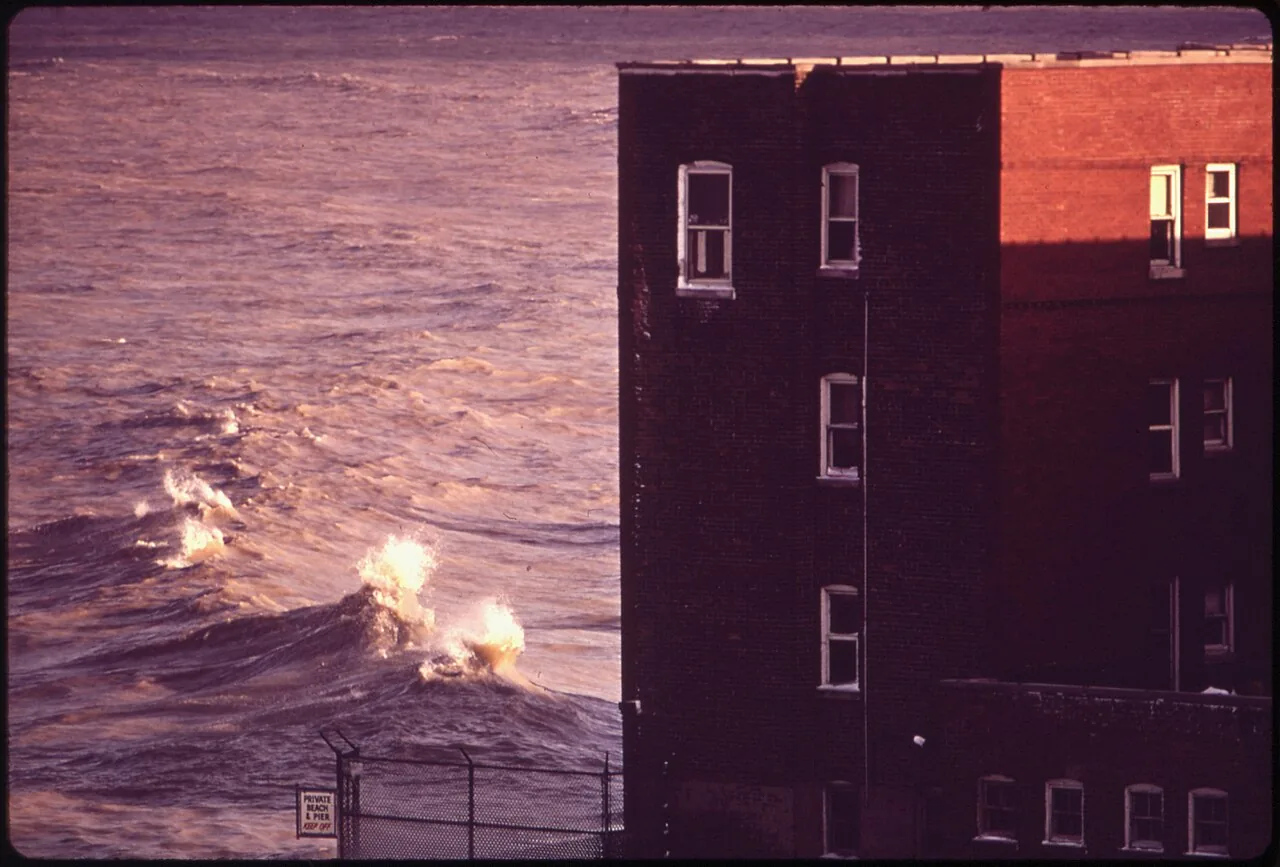
Vind skremmer folk bort fra vannet. Det burde den ikke, innenfor rimelighetens grenser.
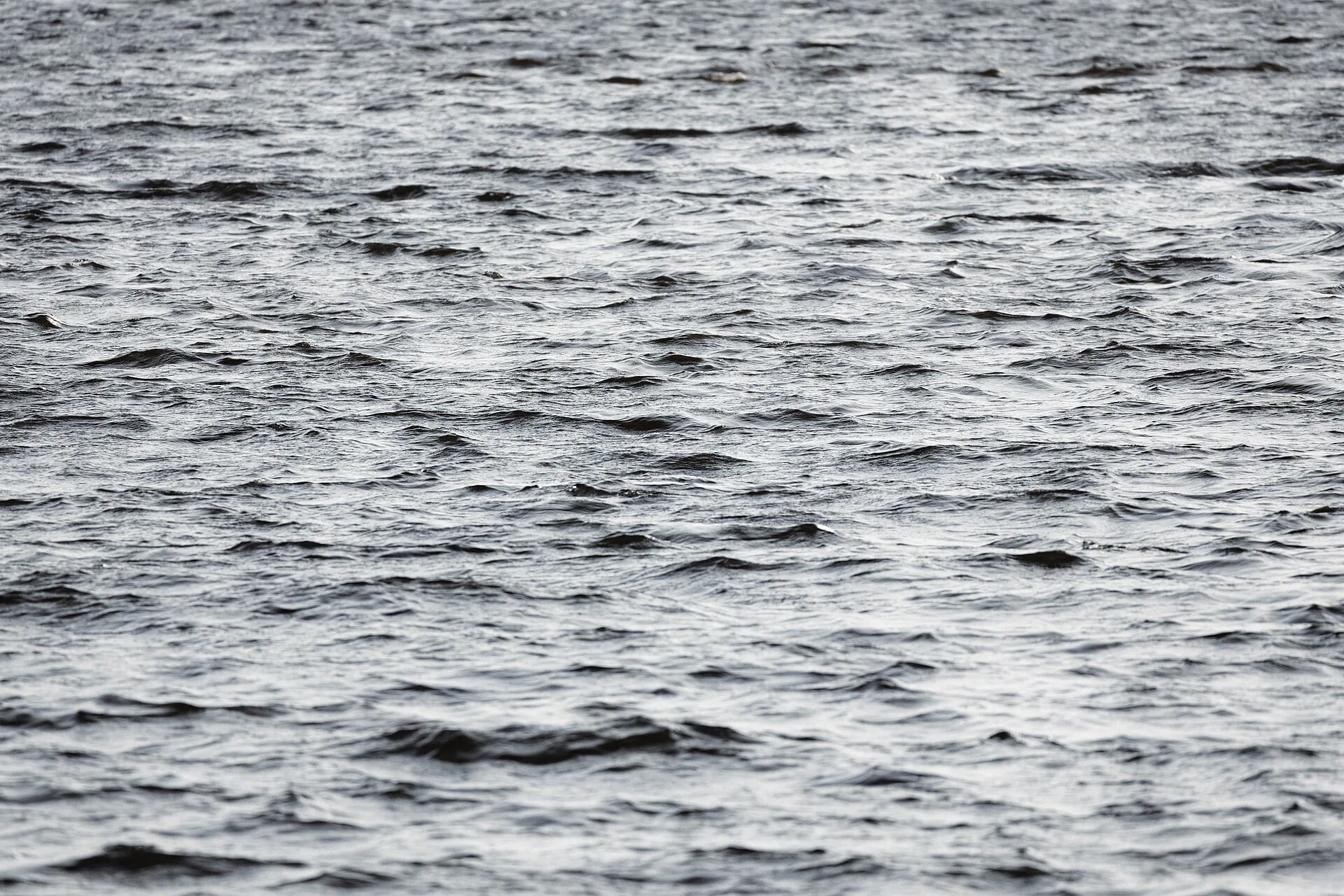
Gjørsfiskere har et navn på en passe krusning, "gjørskrus", og de elsker den. En jevn bris skyver varmere overflatevann og flytende plankton mot loverten (bredden vinden blåser inn mot). Agnfisken følger planktonet. Rovfisken følger agnfisken. Så den stygge, bølgeslåtte, skumstripete bredden som alle unngår, er som regel der maten har hopet seg opp. Fisk den.
Vinden gjør to ting til som er nyttige. Den krusar overflaten så fisken føler seg skjult og streifer friere, og den pisker oksygen ned i det øverste vannlaget, noe som har en tendens til å få fisken til å spise hardere. På en blikkstille sommerettermiddag er vindsiden av vannet det mest levende vannet du har.
Det finnes et tak. Når du ikke lenger klarer å holde en båt eller styre et kast, har vinden sluttet å hjelpe deg og begynt å fiske for deg. Store åpne vann i hard kuling er dessuten et reelt sikkerhetsspørsmål, ikke bare en plage. Bruk vinden, respekter den, og kryp inn i en beskyttet vindlomme når storvannet blir ufyselig.
Skyer og lys: den daglige klokka du kan lese
Denne har en ren, troverdig mekanisme, og det er den variabelen jeg stoler mest på.
Rovfisk som abbor, gjedde og gjørs er smygjegere som utnytter lite lys til sin fordel. Under en grå, overskyet himmel varer den lavlysfordelen hele dagen. Fisken streifer ut fra dekningen, drar langs grunnene og jakter. Du kan fiske raskere og dekke mer vann, fordi de er villige til å komme og lete opp agnet ditt.
En skyfri blå himmel etter en front er det stikk motsatte. Sterk sol og knivskarp klar luft trykker fisken tett inntil hvilken som helst skygge den klarer å finne, en brygge, en sivkant, et nedfalt tre, en stein. Verdt å si rett ut: den gamle frasen om at "sollys skader abborens øyne" er tøv. Hvis sterkt lys gjorde vondt, ville de ikke jaget sild opp til overflaten midt på dagen eller gytt på en halvmeter klart vann. De trykker inn i dekning for smygjaktens skyld, ikke fordi øynene svir. På de dagene senker du tempoet og legger agnet rett inn i skyggen. De jakter ikke, men de spiser det som dukker opp på trammen.
Daggry og skumring er bare en kort versjon av den samme effekten hver eneste dag. Det lavlysvinduet i begge ender er prime uansett hva værmeldingen sier.
Temperatur og kaldfronter: følg med på vannet, ikke lufta
Lufttemperaturen lyver. Vannet er det som betyr noe, og vann er tregt.
Morgenen etter en front kan båtmåleren vise 8 til 10 F (omtrent 4 til 6 C) kaldere, men det er det tynne overflatelaget som kjøles ned til temperaturen i vannet rett under. Der nede der fisken faktisk lever, er endringen en grad eller to på det meste, bortsett fra på svært grunt vann. Så nedstengingen etter fronten handler egentlig ikke om at fisken reagerer på "kulde". Det er hele pakka, den høye klare himmelen og den stabile luftmassen som legger seg over et system som nettopp ble rørt opp.
Årstiden snur opp ned på alt. En kaldfront i de hetteste sommerdagene kan være en gave. Det første ordentlige drysset med kjølig vær etter en hetebølge trekker fisken opp og slår den på. Smallmouth-abbor tenner gjerne spesielt godt etter en høstfront. Så ikke gå ut fra at hver front er dårlige nyheter. Les årstiden først.
Regn: litt er topp, mye kan ødelegge det
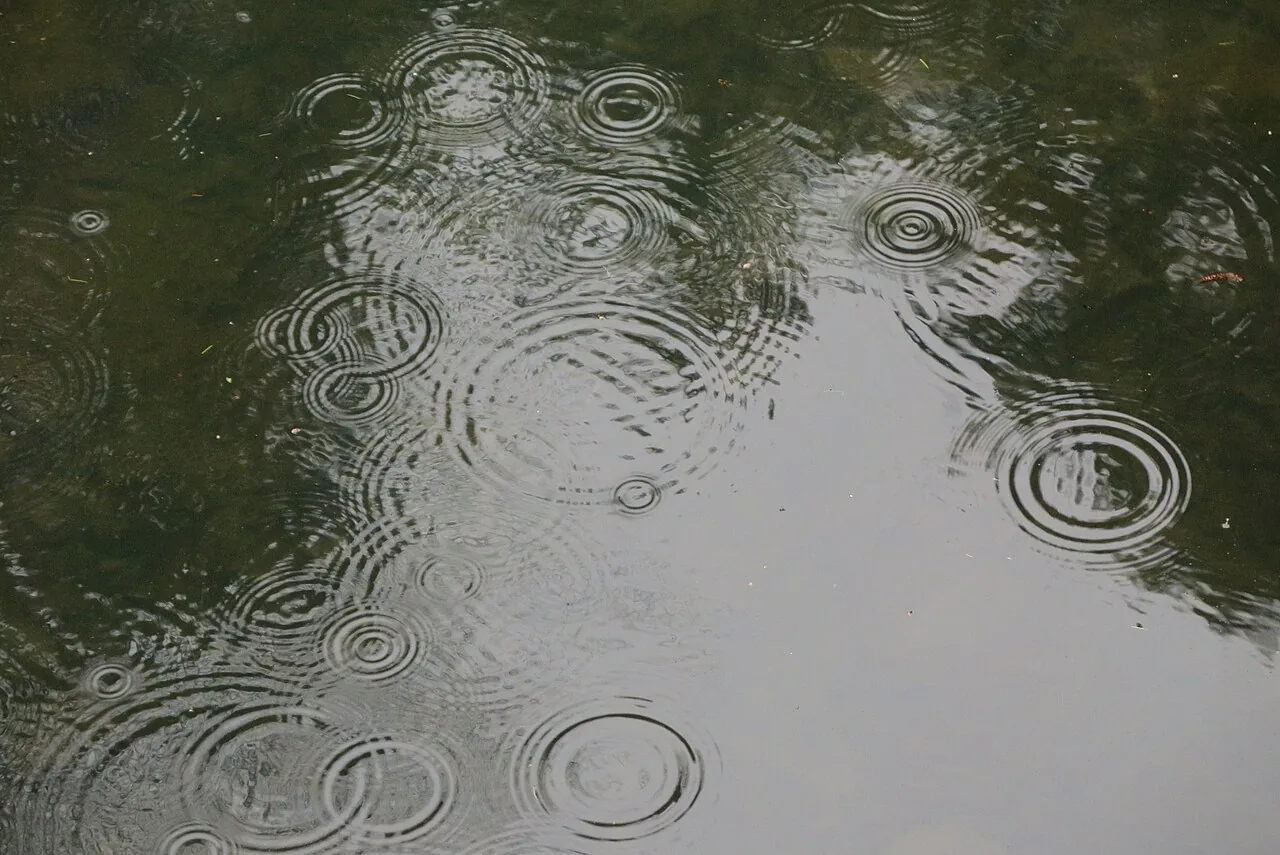
Lett til moderat regn er noe av det beste som kan skje deg. Det krusar overflaten så fisken ikke kan se deg, båten eller snøret, noe som får alt til å se mer naturlig ut. Det dytter overflatetemperaturen litt ned og tilfører oksygen. Aller best, avrenningen skyller mark, insekter og annen mat ut i vannet, og det hoper seg opp ved bekkemunninger, kulvertutløp og grunne bredder. Finn den innkommende stripa med grumsete vann som møter klart, så har du funnet et helt koldtbord. Kast noe med vibrasjon i en mørk eller chartreuse farge så de finner det.
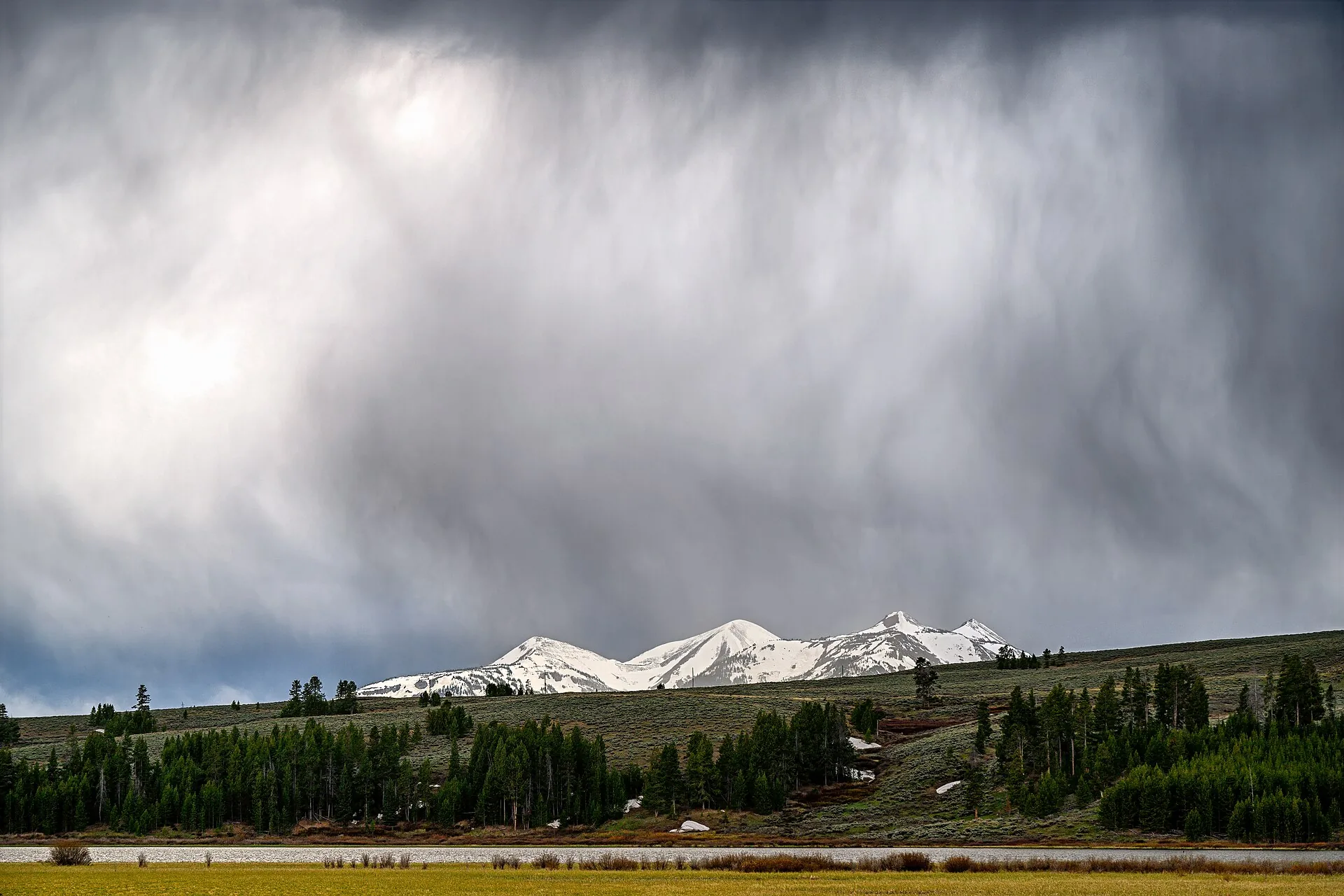
Kraftig, vedvarende regn er et helt annet dyr. Et skikkelig styrtregn velter ut kaldt, grumsete avrenningsvann som raskt kan dra ned vanntemperaturen, sette sikten ned til sjokolademelk og få vannstanden og strømmen til å skyte i været. Særlig elver kan gå fra perfekte til ufiskbare på noen timer. Når det høljer ned slik, fisker du kantene av grumslinjen i stedet for midten av den, eller venter det ut. Biten rett etter at regnet gir seg, er ofte utmerket.
Sett det sammen, sjekk så den faktiske værmeldingen
Ingenting av dette er noen garanti. Været forskyver oddsen, det plasserer ikke ut fisken din. En tenkende fisker behandler hvert eneste av disse som sannsynlighet: stabilt trykk og en overskyet himmel med gjørskrus på loverten er en høyprosentdag, og da fisker du den raskt og aggressivt. En skyfri blå himmel to dager etter en hard kaldfront er en lavprosentdag, og da sliter du deg gjennom den sakte og tett inntil dekning. Samme vann, et helt annet spill.
Det er hele tanken bak napp: den leser det aktuelle været ved nærmeste vann (trykkutvikling, vind, skydekke, temperatur, regn) og rangerer hvilken fisk som mest sannsynlig biter akkurat nå, med resonnementet lagt fram så du kan krangle med det. Du kan hente opp forholdene og det aktuelle biteriet ved vannet nærmest deg, gratis og uten innlogging, på napp.fish.
Foto: NPS/Jim Peaco, Public domain · Yuri Samoylov, CC BY-SA 4.0 · Extemporalist, CC0