Näin pyydät karppia: perukkeet, syötit ja veden lukeminen
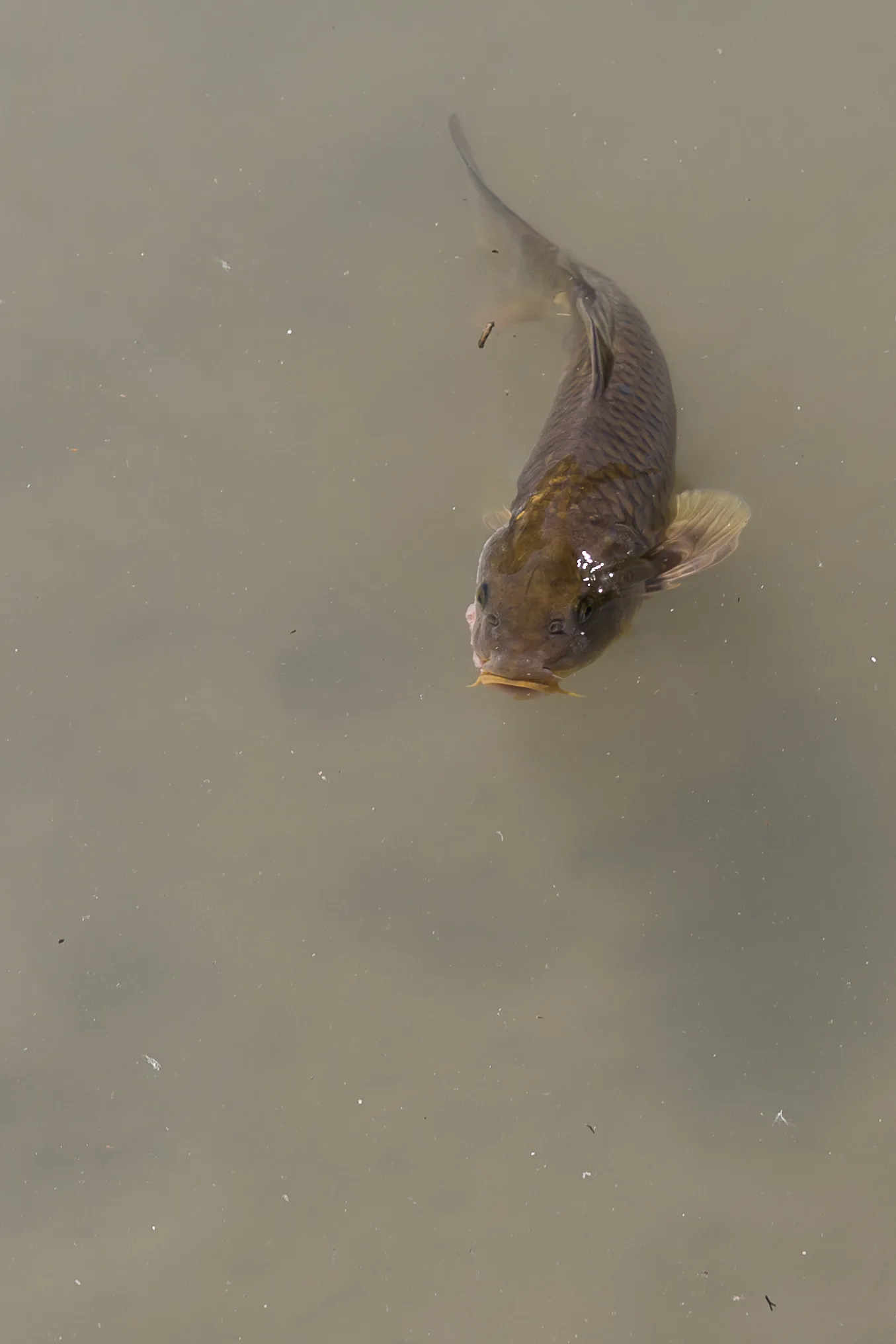
Karppi paljastaa itsensä jo ennen kuin ehdit heittääkään. Läiskä pieniä neulanpäänkokoisia kuplia jotka poreilevat ylös samasta kohdasta, samea värin pyörre siellä missä jokin on pöyhinyt liejua, raskas kala joka kierähtää pinnassa aamuhämärissä. Opettele lukemaan ne merkit, niin olet jo askeleen edellä sitä joka kävelee paikalle, heittää suoraan keskelle ja jää odottamaan. Karppi on iso, vahva ja oikeasti ovela pohjaruokailija, ja kun se on kerran koukuttanut sinut (niin sanotusti), on vaikea kalastaa enää mitään muuta. Näin pääset alkuun niiden pyytämisessä ilman että hukut välineisiin.
Etsi kala ennen kuin etsit peruketta
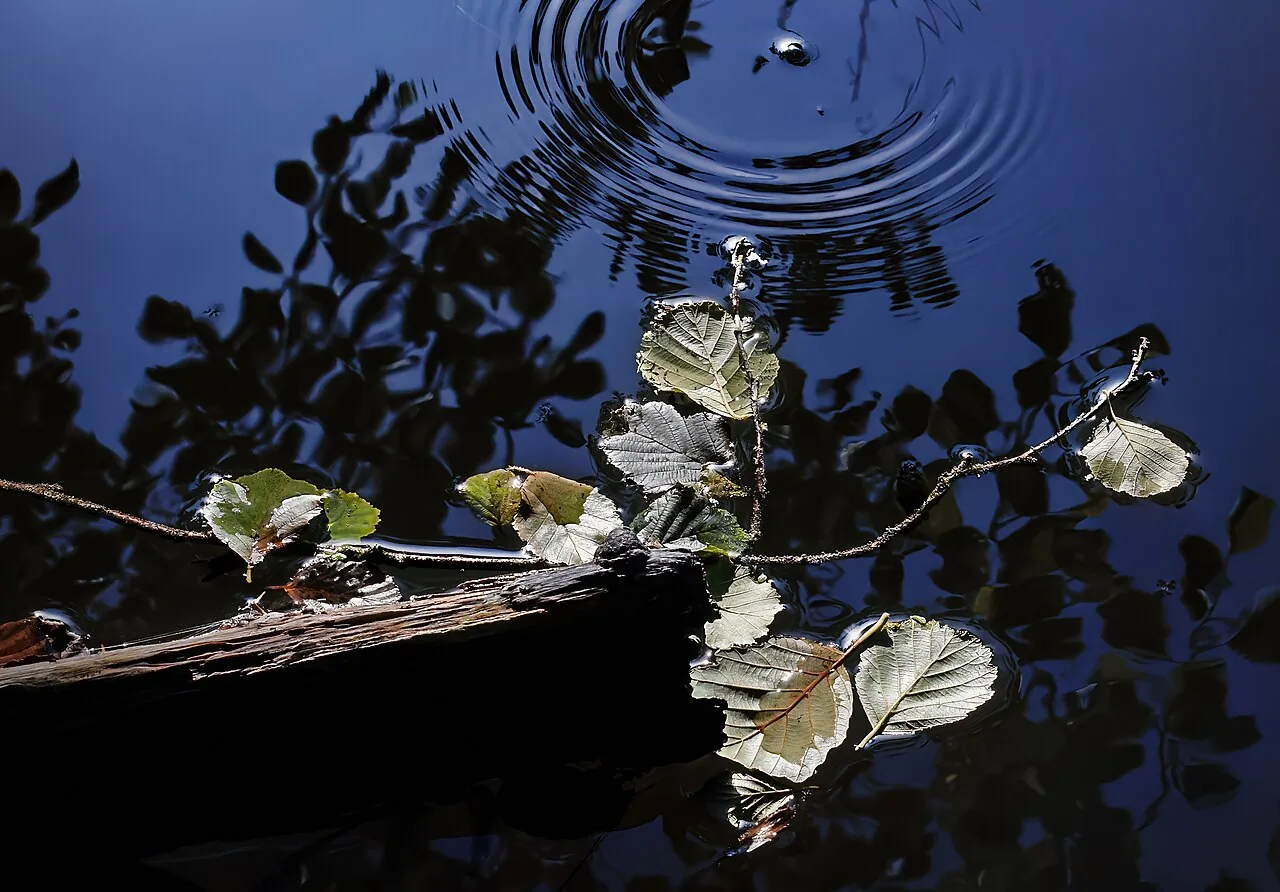
Karppi on tapojensa orja ja se rakastaa reunoja. Se partioi rantamatalia, kaislikoita, syöpyneitä rantatörmiä, risukkoja ja yli roikkuvia puita, ja lämpimällä säällä se työntyy matalille poukamille missä vesi lämpenee nopeimmin. Se seuraa kiinteitä kulkureittejä suojien välillä, usein jyrkänteiden ja soraharjanteiden reunoja, kuin teitä pitkin. Lämmin laskuoja joka tuo tuoretta vettä ja ruokaa on kuin magneetti. Samoin on lammen nurkka jossa ihmiset ruokkivat sorsia, sillä karppi on oppinut että siellä sataa leipää.
Käytä kymmenen minuuttia tarkkailuun ennen kuin virität vavan. Merkit eivät ole vaikeita huomata kun ne kerran tunnistaa. Pienenpienet kuplat jotka nousevat tasaisesti veden läpi tarkoittavat että kala pitää kuonoaan liejussa ja pöllyttää kaasua kaivaessaan surviaissääsken toukkia. Tasainen, öljymäinen läiskä väreilevällä pinnalla on karppi joka liikkuu alla. Värjäytyneen, sameutuneen veden läiskät kertovat että se on juuri ruokaillut. Aamu- ja iltahämärissä kuulet ne usein ennen kuin näet, kun ne loiskahtavat pintaan niin että ääni kantautuu järven yli. Halpa pari polarisoituja laseja leikkaa heijastukset pois ja antaa nähdä muotoja ja varjoja jotka muuten jäisivät huomaamatta. Kalasta siellä missä karppi oikeasti on, älä siellä missä paikka on mukava.
Hiusperuke: se joka muutti kaiken
Karppi on epäluuloinen ruokailija. Se imaisee syötin sisään, tuntee että jokin on vialla, ja sylkäisee sen heti takaisin, ja koukkuun puristettu syötti liikkuu luonnottomasti. Hiusperuke ratkaisee tämän. Syötti on kiinni lyhyessä pätkässä ohutta siimaa (hiuksessa) ja roikkuu juuri koukun kaaren ulkopuolella, ei itse koukussa. Kala imuroi syötin sisään, paljas koukku menee mukana, ja kun karppi yrittää sylkäistä syötin ulos, paljastunut koukku tarttuu alahuuleen. International Game Fish Association tunnustaa sen täysin hyväksyttynä menetelmänä, ja se todella lisää koukkuun saatuja kaloja ja vähentää väärin koukkuun jääneitä.
Solmit sen solmuttomalla solmulla, mikä kuulostaa hienolta mutta vie noin kaksi minuuttia kun olet tehnyt sen pari kertaa. Tee pieni lenkki perukkeen päähän syöttiä varten, pujota siima koukun silmän takaa, kierrä se koukun varren ympäri kuusi tai seitsemän kierrosta, ja pujota se sitten takaisin silmän läpi. Siinä se. Syöttineula vetää syötin hiukseen, ja pieni syöttistoppari pitää sen paikallaan. Aloita koukkukoolla 8 tai 6 maissille tai yhdelle boilielle. Kalasta yksinkertaisella pohjapainolla. Liukuva peruke (munanmuotoinen paino joka liukuu siimalla, pysäytettynä perukkeen yläpuolisella helmellä) on suunnilleen niin yksinkertainen kuin olla voi, ja se ottaa karppia kaikkialla.
Syötti: halpa, tappava, ja esisyötön taika
Sinun ei tarvitse tehdä isoa ostosretkeä kalastusliikkeeseen. Tölkki maissia ruokakaupasta on yksi parhaista karppisyöteistä mitä on. Se on kirkas, se on makea, kala tunnistaa sen nopeasti ruoaksi, ja kaksi tai kolme jyvää hiuksessa on tappava syötti. Leipä on yhtä hyvä näkyvälle kalalle, muotoiltuna koukun ympärille tai vapaasti ajelehtien ilman painoa lainkaan. Liero toimii. Pidempiin sessioihin ja isompaan kalaan boiliet (kovat, keitetyt taikinasyötit, yleensä kalajauhoa tai hedelmäisiä makuja kuten mansikka ja ananas) ovat vakiovalinta, koska ne kestävät pikkukalaa ja pysyvät hiuksessa tuntikausia.
Todellinen etu ei ole syötissä, se on esisyötössä. Karppi ruokailee paljon rohkeammin kun se on löytänyt ilmaista ruokaa paikasta jossa ei ole vaaraa. Heitä kourallinen tai pari maissia (mäskäys, siellä missä se on sallittua) sinne minne aiot kalastaa, ja laita sitten koukkusyöttisi sen keskelle. Vielä parempi on esisyöttää samaa paikkaa muutaman päivän ajan ennen kuin kalastat siinä. Opetat kalalle että tämä läiskä on turvallinen ja sinne kannattaa palata. Kärsivällisyys ja syötetty paikka voittavat jatkuvan uudelleenheiton joka ikinen kerta. Jokainen heitto laskeutuu loiskahtaen ja karkottaa kalat alueelta.
Method feeder: helpoin oikea aloitus
Jos perukkeiden solmiminen tuntuu liialta heti ensimmäisenä päivänä, aloita method feederillä. Se on litteäpohjainen muovikehikko sisäänvedetyn painon ympärillä. Puristat kostean mäskin tai mikropelletit kehikon ympärille, jätät lyhyen perukkeen jonka koukkusyötti lepää aivan tuota syöttipalloa vasten, ja heität koko vehkeen veteen. Se laskeutuu, mäski hajoaa houkuttelevaksi kasaksi, ja koukkusyöttisi lepää keskellä noutopöytää. Se tarjoaa syötin ja ruoan yhdessä, yhdellä heitolla, juuri oikeaan kohtaan. Se ottaa karppia, suutaria ja lahnaa, sitä on vaikea sotkea, ja se on aidosti yksinkertaisin tehokas tapa päästä alkuun. Moni kokenut kalastaja käyttää sitä yhä, ihan vain siksi että se toimii.
Kohokalastus reunoilla
Kun oikeasti näet karppien lipuvan reunaa pitkin, ei mikään ole jännittävämpää kuin pudottaa koho niiden eteen. Säädä ohut waggler-koho niin että syötti lepää pohjalla, purista pari maissinjyvää tai pala leipää koukkuun, ja pudota se tiukasti kaislikon tai roikkuvan oksiston viereen. Heittele muutama ilmainen syöttipala sen ympärille ja tarkkaile. Otto on usein raju. Koho ei liu'u sivuun kohteliaasti, se katoaa, ja vavanmitan päässä koukkuun jäänyt kala yrittää viedä vavan mukanaan. Säädä kelan jarru tarpeeksi löysälle niin että kala pääsee juoksemaan katkaisematta siimaa. Lyö se kiinni sillä hetkellä kun koho painuu pinnan alle.
Lämmin vesi, oikeat välineet ja käsittely
Karppi on vaihtolämpöinen, joten lämpötila ratkaisee kaiken. Se ruokailee kiivaimmin lämpimissä, vakaissa olosuhteissa, ja siksi kesäaamut ja illat ovat parasta aikaa. Kun vesi laskee alle noin 3,9 asteen (39 astetta Fahrenheitia), aineenvaihdunta hidastuu lähes pysähdyksiin ja otot käyvät harvinaisiksi ja varovaisiksi. Silloin ei ole syöttikasojen aika, vaan yhden pienen koukkusyötin ja runsaan kärsivällisyyden aika. Kesällä syötät enemmän ja voit odottaa toimintaa; kylmässä pienennät kaiken.
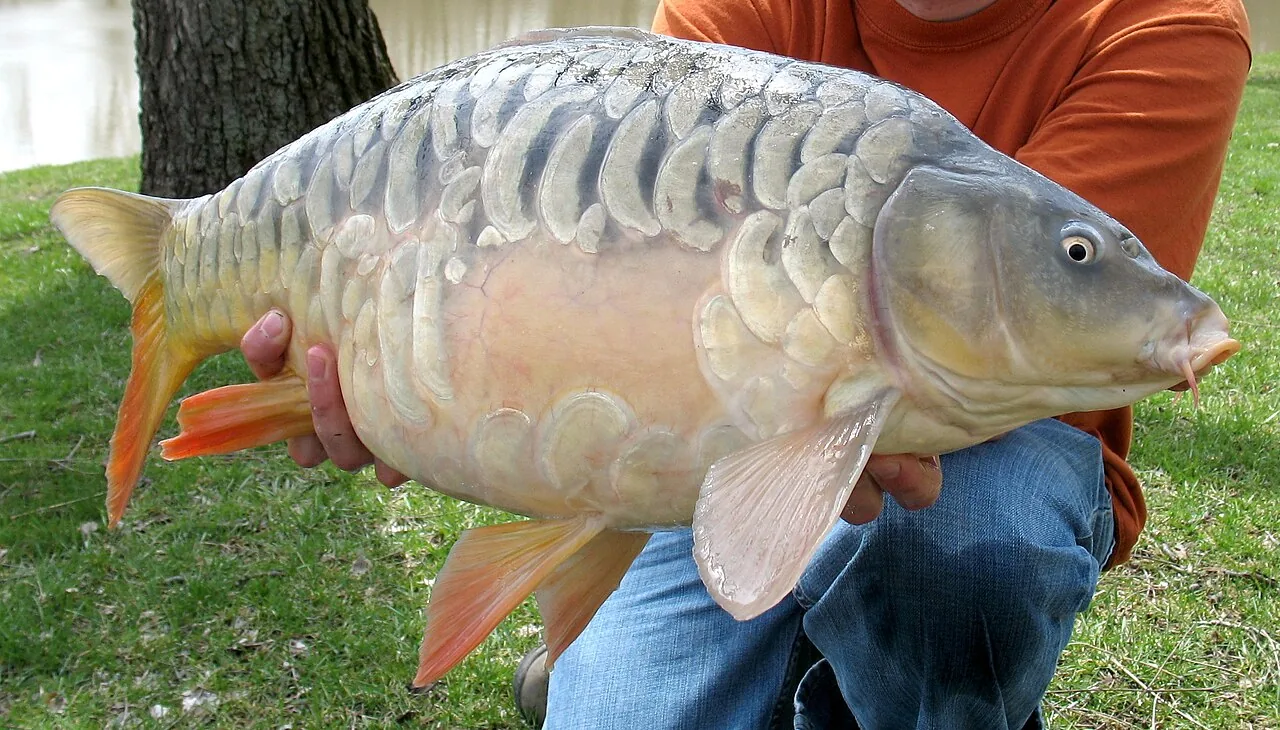
Välineiden suhteen, kunnioita sitä mitä koukkuun saat. Vahva vapa, kela jossa on baitrunner-tyylinen vapaakela niin ettei ottava kala vedä koko settiä järveen, ja siima joka ei katkea päättäväisessä rynnistyksessä. Ja ennen kuin heität mitään, pidä haavi ja irrotusmatto valmiina. Nämä ovat isoja, voimakkaita eläimiä, peilikarppi painaa parista kilosta reilusti yli kahteenkymmeneen, ja jättiläiset ylittävät neljäkymmentä kiloa. Käytä solmutonta haavia ettet raavi suomuja irti. Kastele kädet ja kostuta matto ennen kuin kosket kalaan, laske se matolle, irrota koukku matalalla lähellä maata, ja saata se nopeasti takaisin. Lima on sen suojakerros, joten kuivat kädet ja kuiva ruoho tekevät oikeaa vahinkoa. Pyydä, kuvaa, vapauta, ja siitä kalasta kasvaa ensi kauden vielä isompi.
Karppikalastus palkitsee enemmän tarkkailusta kuin heittelystä, ja itseluottamuksesta enemmän kuin välineistä. Valitse paikka jossa on merkkejä kalasta, esisyötä se, tarjoa yksinkertainen hiusperuke tai method feeder maissilla tai boiliella, ja odota kunnolla. Jos haluat tietää onko lähivetesi lämpenemässä ja mikä kala todennäköisimmin ruokailee juuri nyt, voit tarkistaa lähimpien paikkojen reaaliaikaiset olosuhteet, ilmaiseksi ja ilman kirjautumista, osoitteessa napp.fish.
Kuvat: Another one of my pictures: This photograph was taken by Medium69 (William Crochot) and released under the license stated below. You are free to use it for any purpose as long as you credit the author (William Crochot), the Source (Wikimedia Commons) and the license (CC-BY-SA 4.0) in close relation to the image. Please do not upload an updated image here without consultation with the Author. The author would like to make corrections only at his own source RAW. This ensures that the changes are preserved. Please if you think that any changes should be required, please inform the author. Otherwise you can upload a new image with a new name. Please use one of the templates derivative or extract ., CC BY-SA 4.0 · Tim Creque from South Lebanon, OH, USA, CC BY 2.0 · Radomianin, CC BY-SA 4.0