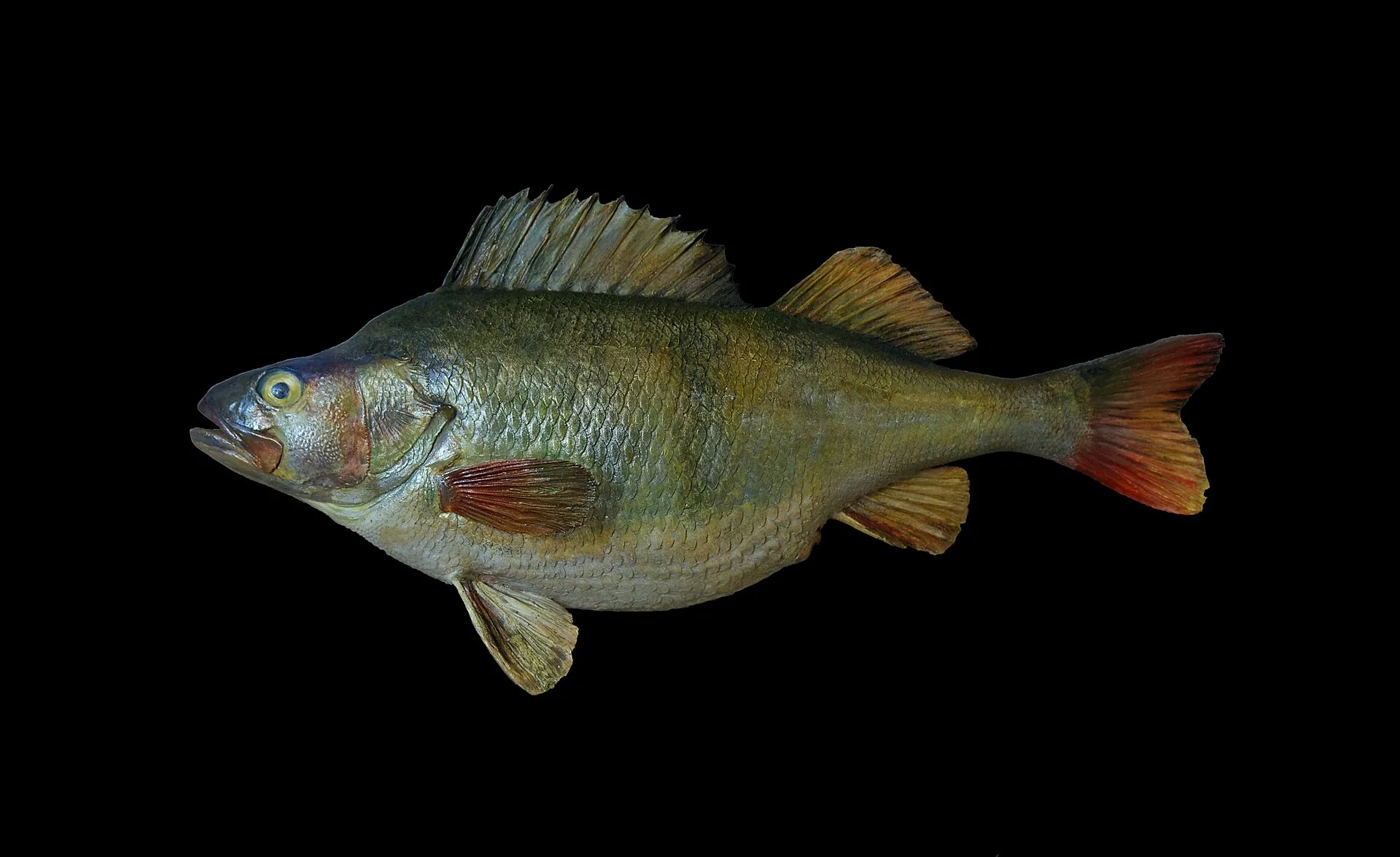
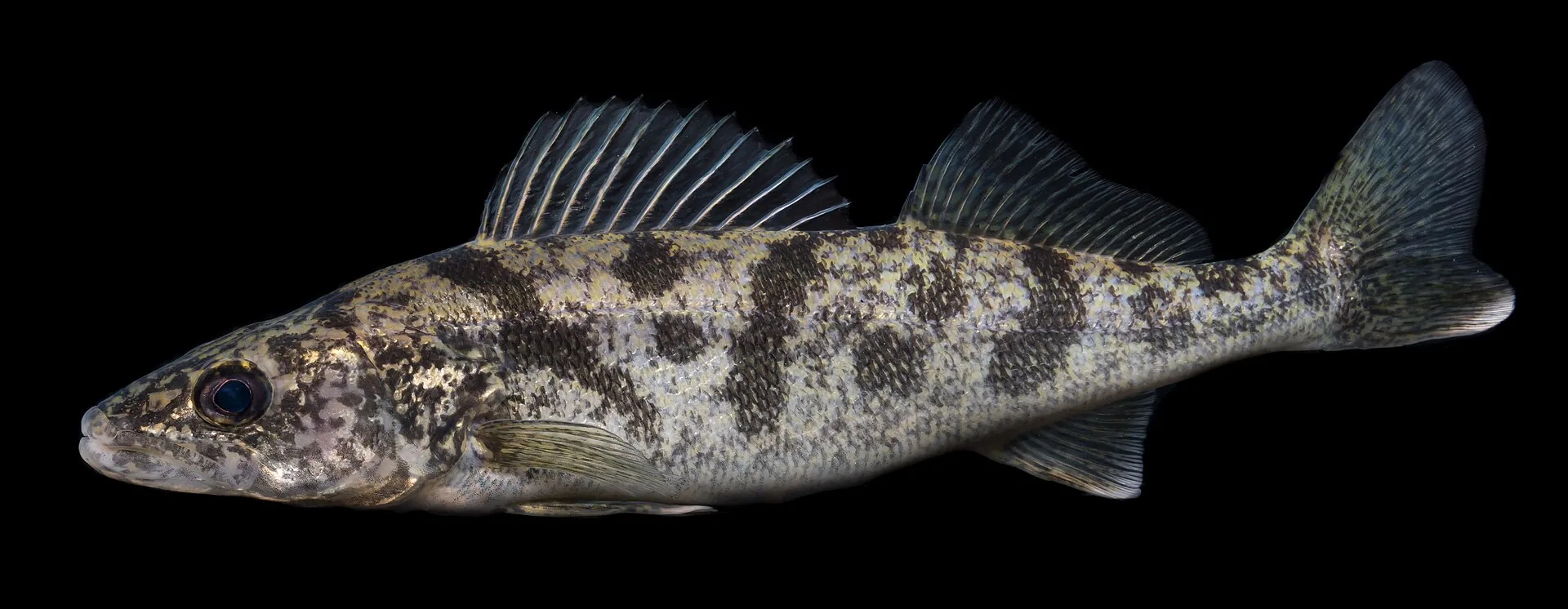
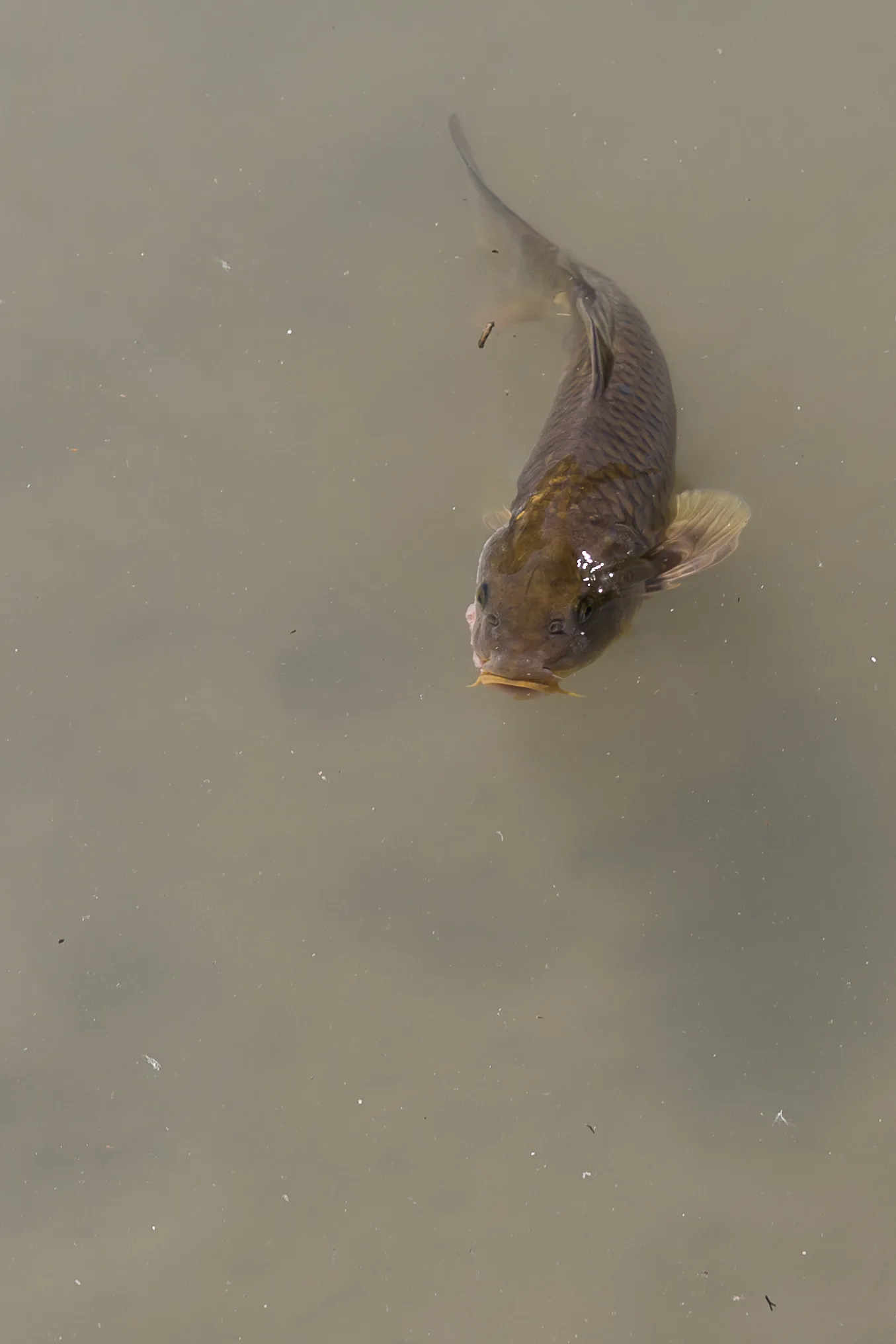
Näin saat bassin: isokitabassin perusteet jotka oikeasti toimivat
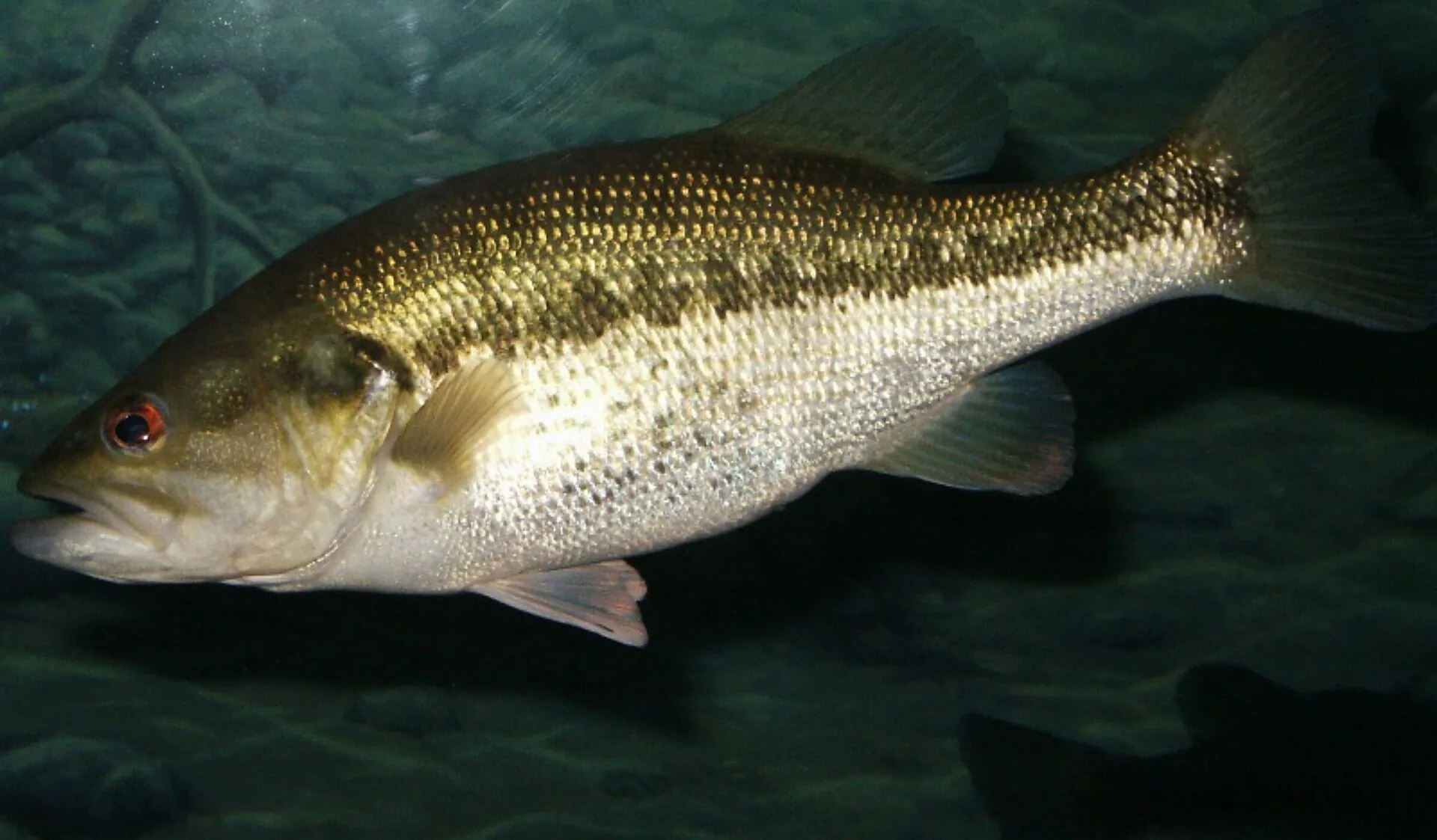
Bassi ei kierrä avovedessä ruokaa odotellen. Se piileksii. Isokitabassi on väijyvä petokala, joka painautuu jotain kiinteää vasten, laiturin paalua, kaatunutta puuta, kasvustorajan reunaa, ja odottaa että aurinkoahven tai pikkukalaparvi ui liian lähelle. Opi tuo yksi asia, niin lopetat tyhjän veden kalastamisen. Löydä rakenne, niin löydät kalat.
Siinä on koko juju isokitabassin kanssa, joka on Amerikan eniten kalastettu urheilukala. Se ei ole nirso eikä fiksu. Se on opportunisti, joka makaa varjossa ja rakenteen suojissa ja iskee kaikkeen mikä näyttää syötävältä ja haavoittuvalta. Sinun tehtäväsi on laittaa syötti sinne missä se asuu ja saada se näyttämään vahingoittuneelta.
Kalasta rakenne, älä avovettä
Kuvittele minkä tahansa lammen tai järven ranta. Suurin osa siitä on vain vettä mudan päällä, eikä suurimmassa osassa ole mitään. Mutta sitten on kaatunut puu, lumpeikko, laituri, kasvustoraja, kiviröykkiö. Ne ovat ne paikat. Bassi hakeutuu kovan rakenteen luo, koska se tarjoaa varjoa, kulmia väijyä ja saalista joka tulee sen luo.
Joten tähtää sinne. Pitchaa syötti suoraan laiturin paalua vasten. Vedä se kaatuneen puun oksien läpi. Aja se reunaa pitkin missä kasvusto kohtaa avoveden, sitä kalastajat kutsuvat kasvustorajaksi. Kala makaa alueen tiheimmän ja rosoisimman rakenteen luona, ja mitä lähemmäs syötin laitat, sitä parempi. Heitto joka osuu puolen metrin päähän tukista jää huomiotta. Se joka napsahtaa tukkiin tulee syödyksi.
Siksi ne tyypit jotka saavat bassia heittävät aina sellaiseen mikä näyttää risukkoiselta. Risukot ovat koko pointti.
Missä bassi on vuodenajoittain
Bassi liikkuu vuosirytmissä joka on sidottu veden lämpötilaan, ja kun kerran tunnet sen, voit arvata missä se on ennen kuin olet edes kastanut.
Keväällä se vetäytyy matalaan kutemaan. Suuressa osassa maata koiraat alkavat nousta ja viuhtoa kutukuoppia puhtaaksi kun pinta nousee yli neljääntoista asteeseen (noin 14 C, eli yli 50 asteeseen F), ja varsinainen kutu tapahtuu enimmäkseen noin 18 C:ssa (keskimmäisellä 60-luvulla F). Se on matalassa, se on aggressiivinen ja se on pyydettävissä. Matalikot, lahtien perukat ja tuulelta suojaiset poukamat ovat ne paikat joista etsiä.
Kesän mittaan helle painaa sitä. Isokitabassi syö parhaiten lämpimässä vedessä (sen aineenvaihdunta itse asiassa huippaa noin 28 C:ssa, suunnilleen matalalla 80-luvulla F), mutta kirkas auringonpaiste ja kylpyveden lämpöiset matalikot ajavat sen varjoon ja syvemmille, viileämmille reunoille keskipäivällä. Joten kalasta varjolinjat laitureiden ja roikkuvien puiden alla, syvät kasvustorajat ja ulapan rakenteet. Ja kalasta hämärät hetket tosissaan. Ensimmäinen ja viimeinen valotunti on se aika jolloin kesän bassi luikahtaa takaisin matalaan syömään.
Syksy on helppo vuodenaika. Viilenevä vesi ja lyhenevät päivät kääntävät vivun, ja bassi ahmii pikkukalaa ennen talvea. Löydä pikkukala, yleensä parvet jotka tunkevat puronhaaroihin ja lahtien perukoihin, niin bassi on aivan perässä. Käy vettä läpi kunnes törmäät parveen.
Talvi hidastaa kaiken. Vaihtolämpöinen kala kylmässä vedessä tuskin liikkuu. Se ryhmittyy syvempään veteen ja syö lyhyinä hetkinä, ja sinun täytyy kalastaa hitaasti, pienellä ja aivan sen kuonon edessä saadaksesi iskun. Vähemmän kaloja, mutta keskikoko on usein isompi.
Viisi vaappua jotka aloittelijalla oikeasti pitäisi olla
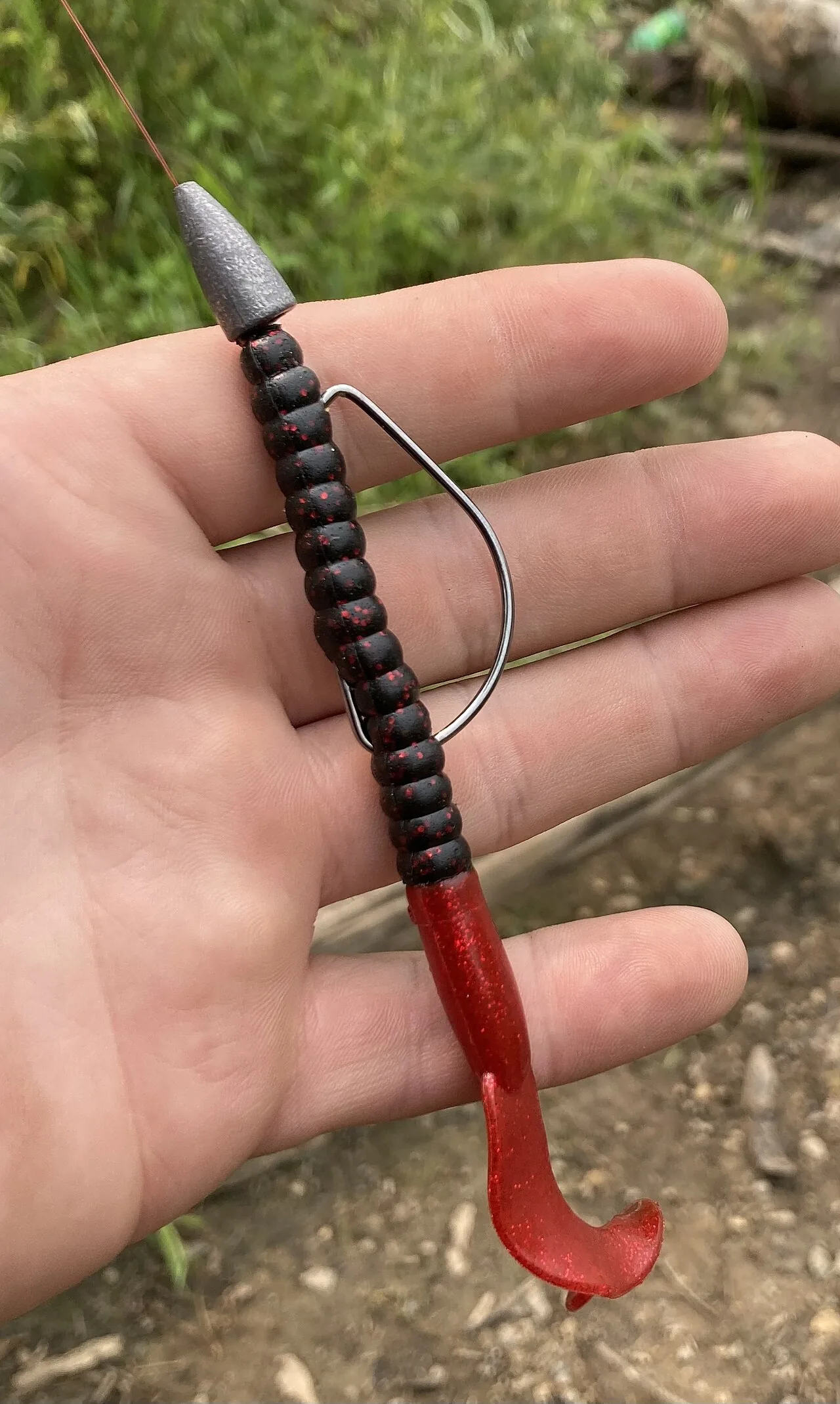
Et tarvitse kalastuskauppaa. Tarvitset viisi tavaraa ja vainun siitä milloin mitäkin heittää.
Texas-rigattu pehmomuovi on syötti joka opetellaan ensin. Ota 15 tai 18 senttiä pitkä ribbon-tail-mato tai creature-syötti, luotipaino (3 tai 10 grammaa) ja 3/0 tai 4/0 matokoukku, rigaa se kasvustonkestäväksi, ja voit vetää sen sellaisen rakenteen läpi johon kaikki muu juuttuisi. Se on anteeksiantavin isobassisyötti mitä on. Kun mikään muu ei toimi, hidasta vauhtia ja ryömitä Texas-rigiä.
Hameellinen jigi (10 tai 14 grammaa rapuperällä) tekee saman työn tiheämmässä rakenteessa ja saa yleensä isompaa kalaa. Flippaa se kaatuneisiin puihin ja pitchaa se laitureiden alle. Se näyttää ravulta, mikä on juuri se mitä bassi haluaa syödä pohjalta.
Spinnerbait (10 grammaa, valkoinen tai chartreuse) on hakuvälineesi. Lavat välkkyvät ja jyskyttävät, joten se loistaa sameassa tai tuulen pieksemässä vedessä missä bassi saalistaa tuntoaistin varassa. Kelaa se vain rakenteen ohi ja pidä kiinni.
Squarebill-vaappu on rakennettu kolhimaan asioita. Heitä se kiviin, kantoihin ja matalaan puuhun, ja anna sen kimmota rakenteesta. Se kimmahdus, vaapun äkillinen suunnanmuutos, on se mikä laukaisee iskun. Älä yritä kalastaa sitä puhtaasti. Metsästä rakennetta sillä.
Pintasyötti, joko ontto sammakko kasvuston ja lumpeiden yllä tai walking-syötti avoimien matalikkojen yllä, on hämärää varten. Aikainen aamu, ilta ja pilviset päivät, kun bassi on ylhäällä ja katsoo kohti pintaa. Mikään kalastuksessa ei voita bassia joka räjähtää sammakon kimppuun.
Reaktiosyötit kun ne jahtaavat, finessi kun eivät
Tässä se tulkinta joka sitoo kaiken yhteen. Onko kala aktiivinen vai ei?
Kun bassi syö ja jahtaa, anna sille jotain liikkuvaa. Spinnerbait, squarebill, pintasyötti, tasainen kelaus joka antaa sen reagoida ja iskeä. Lämpenevä vesi, hämärä, tuuli, pikkukala joka hermostuu pinnassa, kaikki se sanoo aja kovaa.
Kun se on veltto, hidasta ja pienennä syöttiä. Tämä on finessikalastusta: Texas-rigi joka ryömitetään pohjaa pitkin, wacky-rigattu stick-mato (koukku keskeltä, ei painoa, anna sen vajota ja väristä löysällä siimalla), tai drop shot (pieni syötti painon yläpuolella) jota jigataan lähes paikallaan. Kylmä vesi, kirkkaat tyynet iltapäivät, kova kalastuspaine, kaikki se sanoo aja hitaasti ja hienovaraisesti.
Useimpina päivinä aloitat reaktiosyötillä löytääksesi aktiivisen kalan nopeasti, sitten hidastat ja puit parhaan rakenteen osiin madolla tai jigillä kun kerran tiedät missä ne ovat.
Pari sanaa smallmouthista
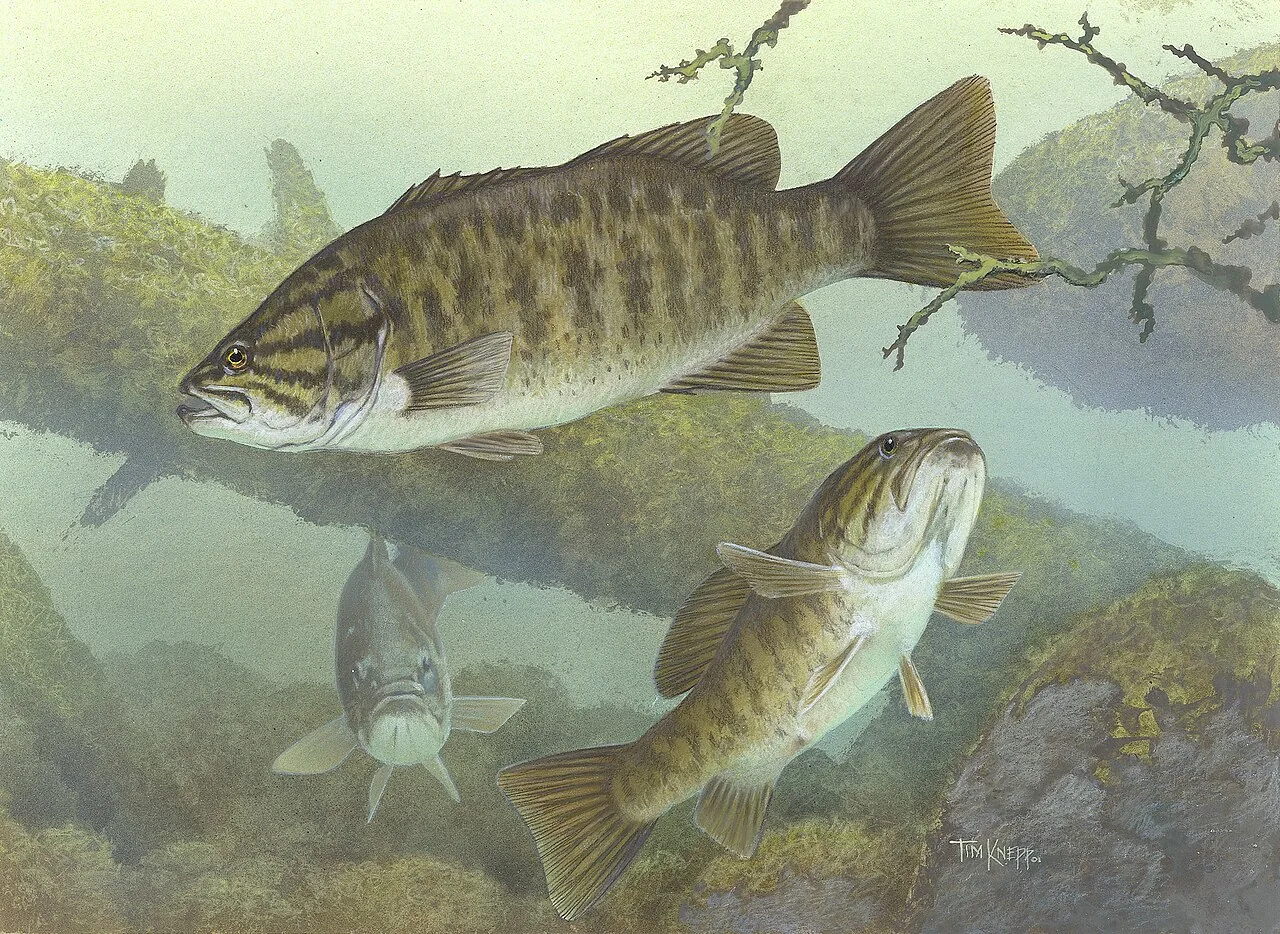
Smallmouth on isokidan hoikempi serkku, ja se haluaa erilaista vettä: viileämpää, kirkkaampaa, kivisempää. Ajattele kivisiä niemenkärkiä järvessä, soramatalikkoja ja virtaa joissa, ei kasvustoisia poukamia. Se syö rapuja ja pikkukalaa, joten tuubit, pienet jigit, drop shotit ja jerkbaitit ovat peruskauraa. Kilo kilolta se taistelee kovemmin kuin isokita, kaikki on rynnistystä ja hyppyjä, ja kirkkaina tyyninä päivinä, jotka voivat olla hankalia isokidalle, voit usein nähköngittää smallmouthia kirkkaassa vedessä. Sama väijyntälogiikka, eri osoite.
Olosuhteet merkitsevät enemmän kuin vehkeet
Rehellinen totuus jonka useimmat aloittelijat oppivat hitaasti: sää voittaa vehkeet. Halpa mato pilvisenä, tuulisena aamuna voittaa kalliin setin aurinkoisena, peilityynenä iltapäivänä joka kerta. Pilvinen taivas vetää bassin pois varjosta ja saa sen kiertelemään. Vähän tuulta, sitä kalastajat kutsuvat väreeksi tai aalloksi, rikkoo pinnan, kätkee siimasi ja saa kalat syömään. Hämärät hetket aamunkoitossa ja iltahämärässä ovat päivän parhaat tunnit, piste.
Jos voit valita vain milloin lähdet, valitse harmaa, hieman tuulinen aamu kirkkaansinisen iltapäivän sijaan. Kala kertoo sinulle loput.
Yhteenveto: bassi elää rakenteen suojissa ja liikkuu matalasta syvään vuodenaikojen mukaan. Hanki Texas-rigi, jigi, spinnerbait, squarebill ja pintasyötti. Heitä liikkuvat syötit kun kala on aktiivinen, hidasta muoveilla kun se ei ole, ja kalasta hämärässä kun voit.
Voit nähdä mitkä kalat todennäköisimmin syövät lähelläsi juuri nyt, reaaliaikaisen sään ja lähimpien paikkojen kera, ilmaiseksi ja ilman kirjautumista osoitteessa napp.fish. Tarkista olosuhteet ennen kuin lastaat auton, lähde sitten ja laita mato lähimmän kaatuneen puun viereen.
Kuvat: Robert Pos, CC BY 2.0 · BRDSWRD, CC BY-SA 4.0 · Timothy Knepp, U.S. Fish and Wildlife Service, Public domain