Fiskeknuter: Palomar og 3 til du trenger å kunne
De fleste fiskene som slipper unna var aldri egentlig kroket. Snøret ga seg ved knuten. Det er det svakeste punktet i hele oppsettet ditt med god margin, og en slurvete knut glipper eller ryker ved det ene rykket som betydde noe. Det gode er at du ikke trenger en fiskeboks full av fancy koblinger. Fire knuter dekker nesten alt en vanlig sportsfisker gjør, og ærlig talt tar to av dem deg gjennom de fleste dagene ved vannet. Lær dem skikkelig, så slutter du å miste fisk på ditt eget oppsett.
Her er de fire, hva hver enkelt er til for, og hvordan du knyter dem uten en tegning.
De fire reglene som betyr mer enn knuten
Før knutene, vanene. De gjør mer for å holde fisken på kroken enn hvilken knut du velger.
Fukt den før du strammer. Spytt eller et raskt dypp i vannet. En tørr knut som strammes gir friksjonsvarme, og den varmen svekker snøret akkurat der det tåler det minst. Bare denne ene vanen redder mer fisk enn noen "sterkere" knut.
Sett den langsomt og bestemt. Dra jevnt til den sitter helt tett. Ikke rykk den stram. Du vil at hvert omdreining skal trekkes jevnt ned mot det neste.
La det stå igjen en liten tamp. Klipp nært, men ikke helt inntil. Kanskje et par millimeter. Klipp den helt glatt, og en knut kan arbeide seg løs, la det stå igjen en stump, så har den noe å gripe.
Knyt om etter at noe har satt seg fast eller etter en god fisk. De nærmeste centimeterne ved knuten tar all slitasje og all strekk. Etter at du har dratt en fisk ut av vegetasjonen eller revet deg løs fra en stein, dra fingrene langs den siste halvmeteren med snøre. Kjenner du noen hakk eller ru steder, klipp og knyt om. Friskt snøre koster deg tretti sekunder. En avrevet fisk koster deg hele turen.
Palomarknute: snøre til krok, agn eller svivel
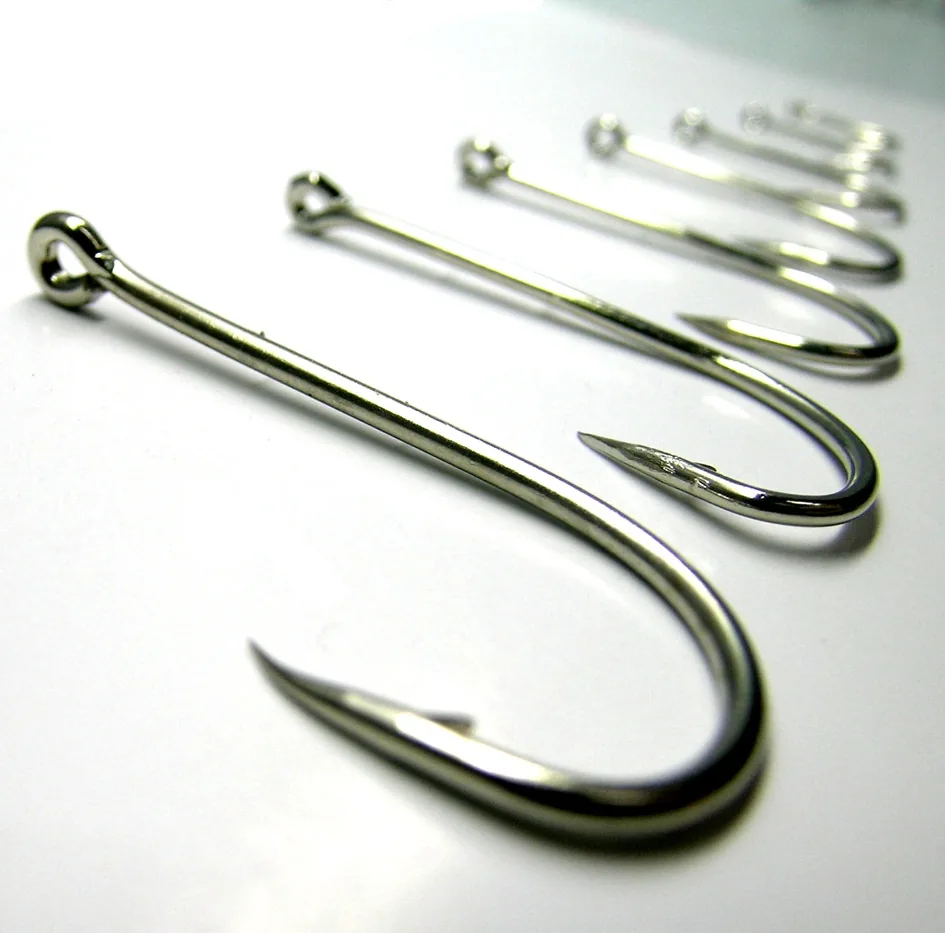
Hvis du bare lærer én knute, lær denne. Palomar er omtrent så nær en 100-prosentsknute du kommer, som betyr at den holder nesten hele snørets oppgitte bruddstyrke, og den er enkel som bare det fordi du knyter den med dobbelt snøre. Akkurat den dobbelheten er også grunnen til at den skinner med glatt fletteline, der tynnere enkelttrådsknuter har lett for å glippe.
- Legg omtrent femten centimeter snøre dobbelt og før løkken gjennom krokøyet. Er øyet bittelite, skyv snøret gjennom og så tilbake den andre veien, slik at du fortsatt har en dobbel løkke hengende ute.
- Med det doble snøret, knyt en løs halvstikk. Kroken dingler bare fra bunnen. Ikke stram ennå.
- Ta den åpne løkken og før den helt over kroken (eller agnet eller svivelen). Skyv den så opp over øyet.
- Fukt den, og dra så hovedsnøret og tampen sammen for å sette den ned mot øyet. Klipp tampen.
Én ting folk gjør feil: pass på at alle deler strammes sammen og at løkken ikke sitter klemt mot bunnen av øyet. Knytt rent slipper den nesten aldri.
Improved Clinch er den gamle standardløsningen for den samme jobben, og den duger for lett til middels mono. Du fører snøret gjennom øyet, gjør fem til sju omdreininger rundt hovedsnøret, fører tampen tilbake gjennom den lille løkken ved øyet, så tilbake gjennom den store løkken du nettopp lagde, fukter og drar stramt. Den fungerer. Men den har flere steg å rote til og den er mer kinkig med fletteline, så jeg tyr til Palomar nesten hver gang.
Uniknute (Grinner): den allsidige altmuligknuten
Uniknuten, kalt Grinner på andre siden av kanalen, er sveitserkniven. Krok, svivel, agn, mono eller fluoro, den klarer alt, og mange sportsfiskere synes den er enklere og mer pålitelig enn Clinch. Bonus: den samme knuten skalerer opp til en snøre-mot-snøre-skjøt (se nedenfor), så å lære den én gang lønner seg dobbelt.
- Før snøret gjennom øyet og legg det tilbake slik at det ligger parallelt med hovedsnøret. Du har nå noen centimeter som løper langs seg selv.
- Legg tampen tilbake over det doble snøret slik at det dannes en løkke.
- Gjør seks omdreininger med tampen, vikle rundt begge trådene og før gjennom den løkken hver gang.
- Fukt den. Dra i tampen for å trekke omdreiningene sammen til en ryddig tønne.
- Skyv hele knuten ned mot øyet og dra stramt. Klipp.
Vil du ha litt sving på agnet, kan du stoppe å skyve før den sitter tett mot øyet, og la det stå igjen en liten løkke. Ellers kjører du den hele veien ned.
Non-slip-løkkeknute (Krehløkke): for agnbevegelse
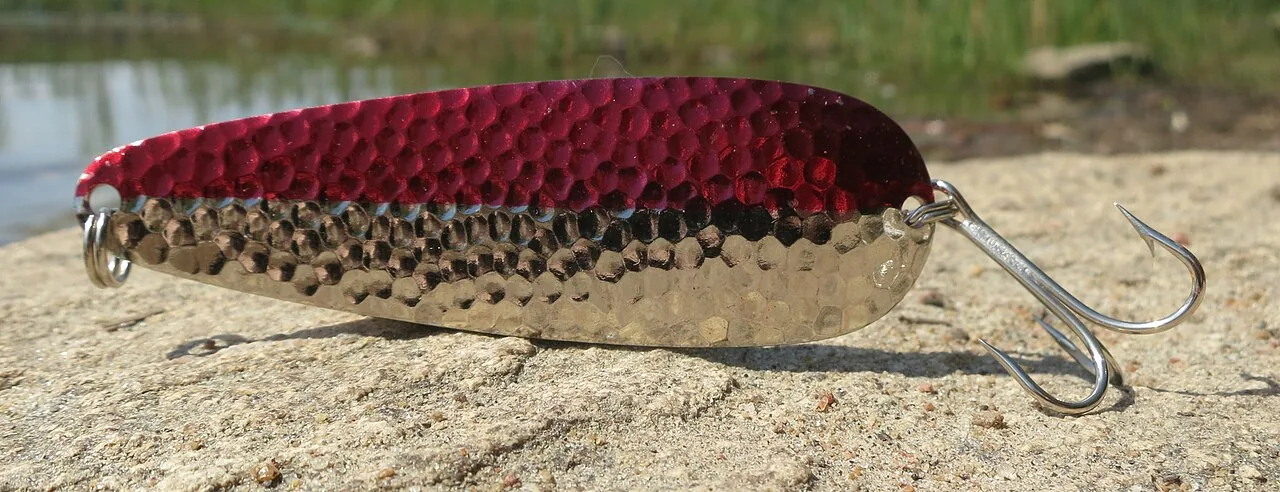
En løkkeknute gjør én jobb og gjør den bedre enn en strammet knute noensinne kunne: den lar en fri løkke stå igjen ved øyet slik at agnet kan svinge og dreie. Hardagn, jigghoder og wobblere våkner til liv med den fordi ingenting låser nesen. Bruk den når du vil ha bevegelse og agnet mangler en splittring. Hopp over den for levende agn eller noe som allerede har en splittring, der en stram knute er bedre.
- Lag en løs halvstikk noen centimeter opp fra tampen, med toppen av den løkken pekende tilbake mot hovedsnøret. Ikke lukk den.
- Før tampen gjennom agnets øye.
- Før tampen tilbake gjennom halvstikk-løkken, gå inn fra samme side som den til slutt skal ut, og skyv halvstikket ned nær øyet. Klem det mellom tommel og finger så det holder.
- Med tampen, gjør to omdreininger rundt hovedsnøret, alle i samme retning.
- Før tampen tilbake gjennom halvstikk-løkken en gang til, samme side som den kom ut før. Dra forsiktig til fingerstramt.
- Fukt den, og dra så i hovedsnøret for å stramme. Klipp.
Hold den ferdige løkken liten, omtrent på størrelse med en M&M. For stor og den floker seg på kroken eller jiggen. Få tampen til å peke ryddig ned mot agnet, så holder knuten seg sterk og ren gjennom gresset.
Dobbel Uni: å legge til en fortom
Før eller siden knyter du to snører sammen, som regel en tøffere fortom på hovedsnøret, eller fletteline til en fluorocarbon-fortom. Dobbel Uni er bare to Uniknuter som vender mot hverandre, så har du allerede lært deg Uniknuten er du i praksis ferdig.
- Legg de to snøreendene overlappende slik at de løper langs hverandre.
- Med den ene enden, knyt en Uni: legg tilbake, vikle tre til fire omdreininger rundt begge snørene og gjennom løkken, og stram så den siden.
- Gjør det samme med den andre enden, vikle mot den første knuten. Er det ene snøret fletteline, gi det seks til åtte omdreininger fordi fletteline er glatt, mono- eller fluorosiden vil ha omtrent fem.
- Fukt begge knutene, og dra så de to hovedsnørene fra hverandre slik at de to Uniknutene glir sammen til én tett skjøt. Klipp begge tampene nært.
Spesielt for fletteline-til-fluoro er FG-knuten tynnere og sterkere og glir bedre gjennom slangene, men den er genuint vanskeligere å lære og lett å rote til i vind. Begynn med Dobbel Uni. Gå opp til FG når du faktisk trenger den.
Hva du faktisk skal øve på
Velg to. Palomar for å knyte på, og Uni eller Dobbel Uni for alt annet. Knyt dem hjemme, i sofaen, i dårlig lys, til hendene gjør det uten at du ser på. Det er det egentlige målet: en knute du kan knyte i mørket, i kulda, med en fisk som koker under stangtuppen. Kommer du dit, er du rustet for et helt liv med fiske.
Når knutene sitter, er neste spørsmål bare hvor du skal og hva som biter. Du kan hente opp de nærmeste fiskeplassene, sanntidsværet og en lettfattelig vurdering av hvilke fisker som mest sannsynlig er aktive akkurat nå på napp.fish, gratis og uten innlogging.
Foto: 350z33 ( talk ), CC BY-SA 3.0 · daniel jaeger, CC BY-SA 2.5 · R. Henrik Nilsson, CC BY 4.0