Fiske for nybegynnere: slik fanger du din første fisk
Den raskeste måten å fange din første fisk på er å kjøpe mindre enn du tror, dra nærmere enn du tror og jakte på mindre fisk enn du tror. Det er hele hemmeligheten. De fleste som aldri fanger noe, brukte sin første ettermiddag på et vanskelig, vakkert sted med feil utstyr, ble nullet og bestemte seg for at fiske ikke var noe for dem. Alt det kan du hoppe over.
Kjøp et ferdig sett, dropp tackleveggen
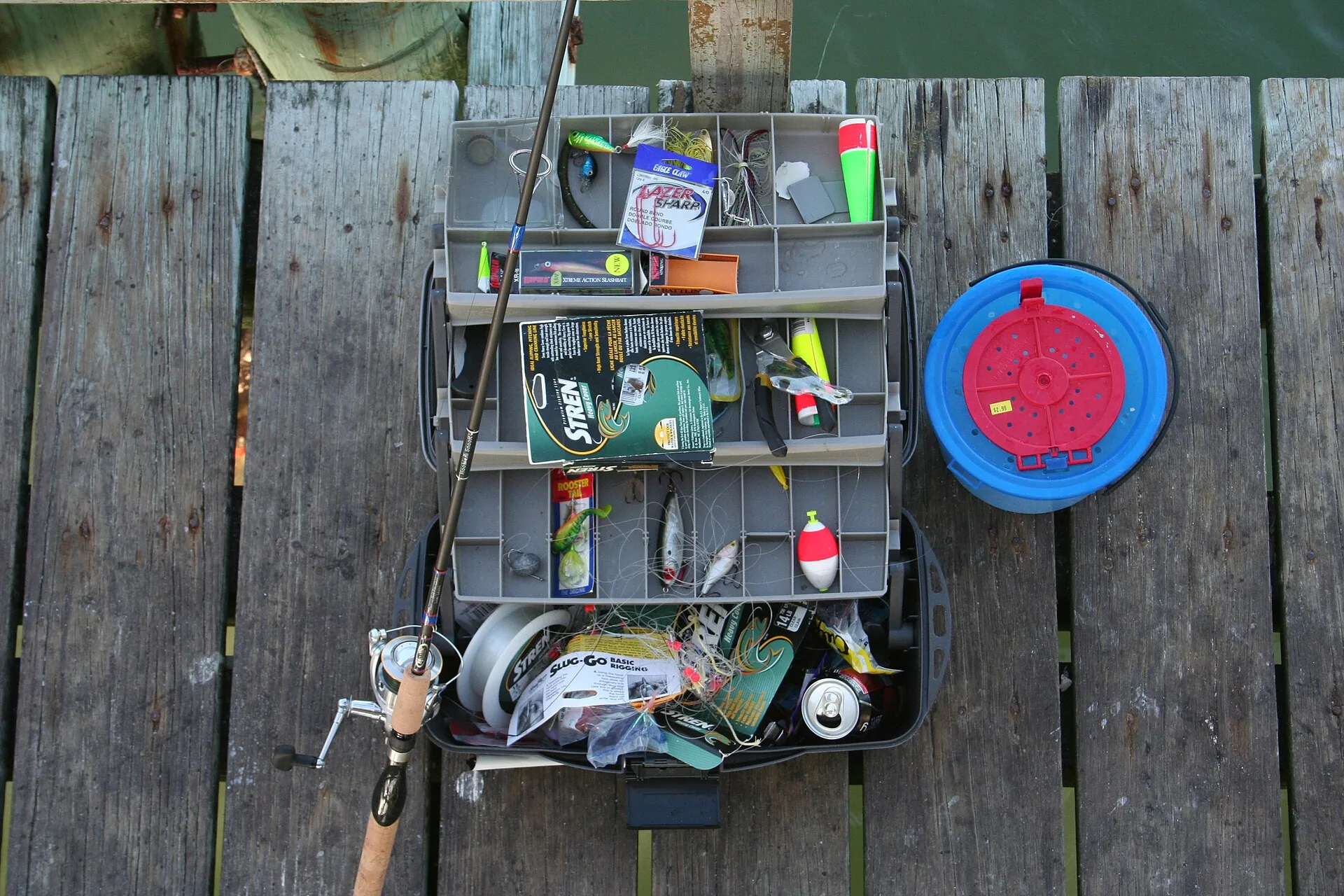
Gå inn i en hvilken som helst sportsbutikk, og du ser en vegg full av stenger som koster mer enn en telefon, pluss agnbokser proppfulle av 40 plastrom med ting du aldri kommer til å bruke. Bare ignorer alt.
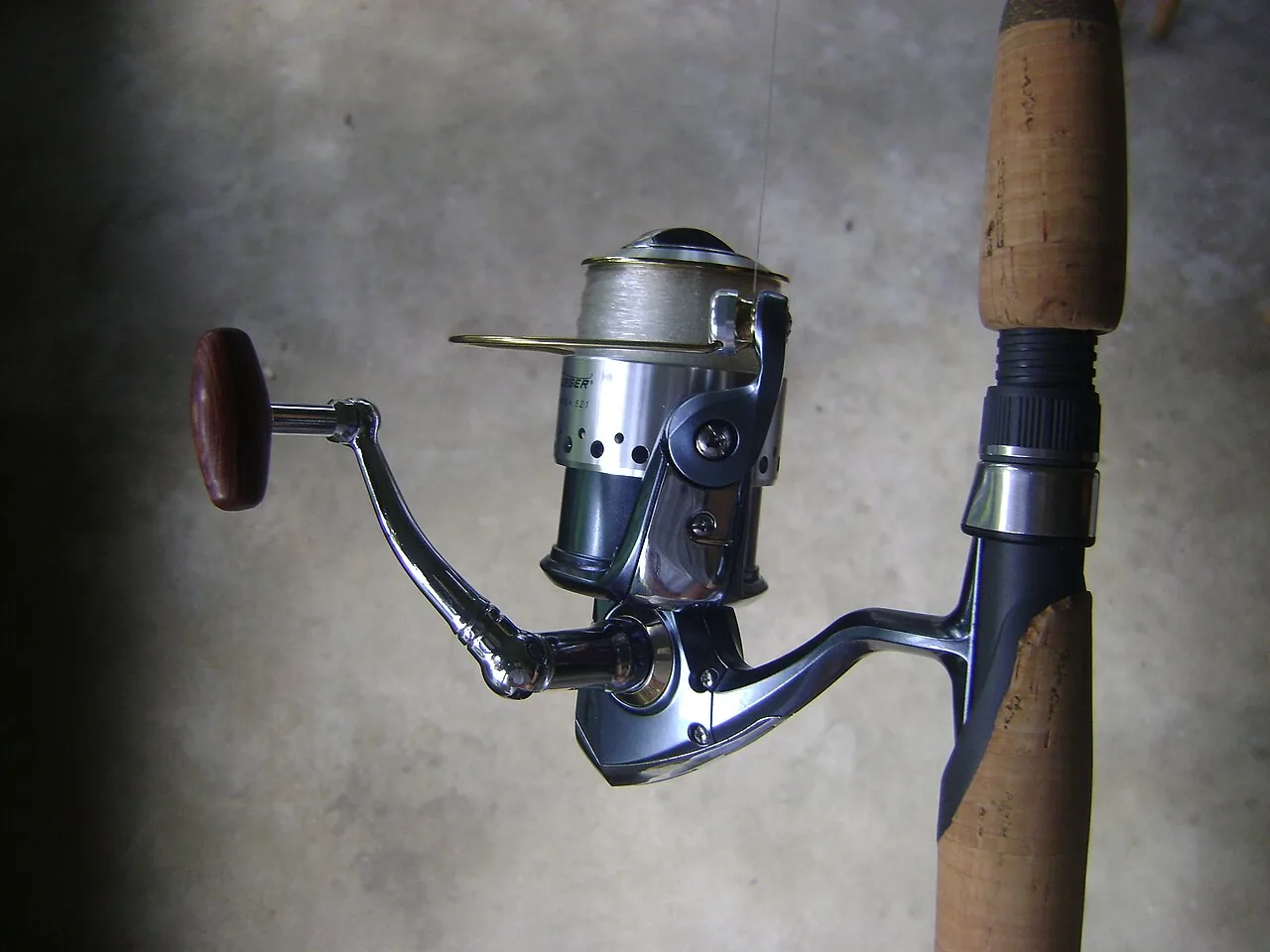
Det du faktisk vil ha, er ett enkelt stang-og-snelle-sett, solgt som én enhet og allerede tilpasset. En 7-fots medium spinnerull er rett valg for nesten alle. Noe i stil med en Ugly Stik GX2 koster rundt 500 kr, og den litt finere Ugly Stik Elite ligger rundt 900 kr. Begge er mer stang enn en nybegynner trenger, på den gode måten. Spinnutstyr (snella henger under stanga, snøret løper av en åpen spole) er mye lettere å lære enn en multiplikatorsnelle, som kommer til å tilbringe sin første uke surret inn i en fuglerede-floke.
Spol den med 0,25 til 0,30 mm nylonsnøre (8 til 10 lb). Nylon er billig, tilgivende, strekker seg litt så du ikke river ut kroken, og det er lett å knyte knuter med. Hopp over fluorocarbon og fletteline foreløpig.
Så en liten håndfull terminaltackle, og jeg mener liten:
- En pakke kroker, størrelse 6 opp til 1/0, for alt fra solabbor til en grei gjedde
- En boks søkkehagl (små klembare vekter)
- To eller tre dupper, den lille runde klemtypen eller en slank pennedupp
- Noen myke jigger eller mark på jigghoder
- En spinner, noe i stil med en Mepps i sølv eller gull
Det er en haug med tackle for 400 til 600 kr som får plass i en matpakkepose. Den gigantiske agnboksen kan vente til du faktisk vet hva du mangler, noe som kanskje blir aldri.
To rigger som fanger fisk nesten overalt
Du trenger ikke lære deg ti rigger. Du trenger to, og ærlig talt setter den første deg på tavla helt på egen hånd.
Dupperiggen. Klips en dupp på snøret et par desimeter over kroken. Klem ett eller to søkkehagl mellom dem. Egn kroken med en bit meitemark. Kast ut og følg med på duppen. Når den rykker til, dukker eller skyter sidelengs og under, har en fisk tatt. Mark under dupp er den mest pålitelige nybegynnerriggen på jorda, og solabbor klarer ikke å la den være.
Kast-og-sveiv-riggen. Knyt på et jigghode med en myk jigg, eller den spinneren, og bare kast ut og sveiv tilbake i jevnt tempo. Spinnerbladet roterer og blinker, fisken jager det. Dette er mer aktivt og litt morsommere når det blir kjedelig å stirre på en dupp. Du kjenner hugget som et skarpt napp eller en plutselig tyngde i snøret.
Start med duppen. Bytt til kasting når du blir rastløs.
Dra dit den lettfangede fisken er
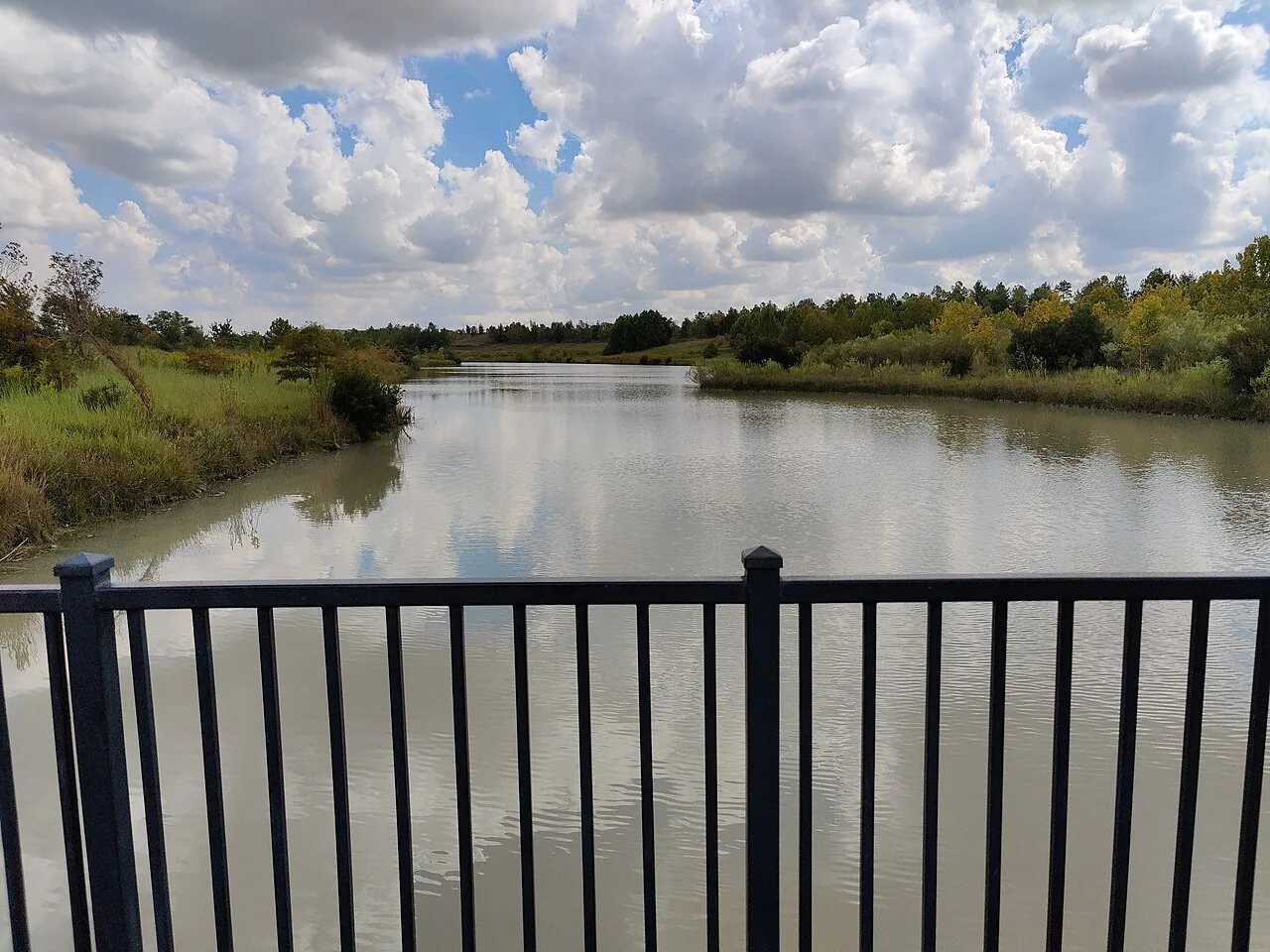
Det er her folk bommer. Ikke start ved en avsidesliggende elv med stryk og stor ørret. Dra til et vann i nærheten, en dam i bygda eller en offentlig brygge eller molo med enkel parkering og et sted å stå.
Du fisker etter abborfisk: abbor, mort og brasme. De er små, de er overalt, de er aggressive og de er tilgivende overfor klønete teknikk. De biter villig og er lette å fange, noe som gjør dem perfekte for nybegynnere. En brygge eller molo er enda bedre, for fisken samler seg rundt strukturen og du trenger ikke kaste langt.
Velg et sted du kommer deg til på et kvarter. Jo nærmere det er, desto oftere drar du, og det å dra ofte er det som faktisk gjør deg god.
Kast, krok og land den uten panikk
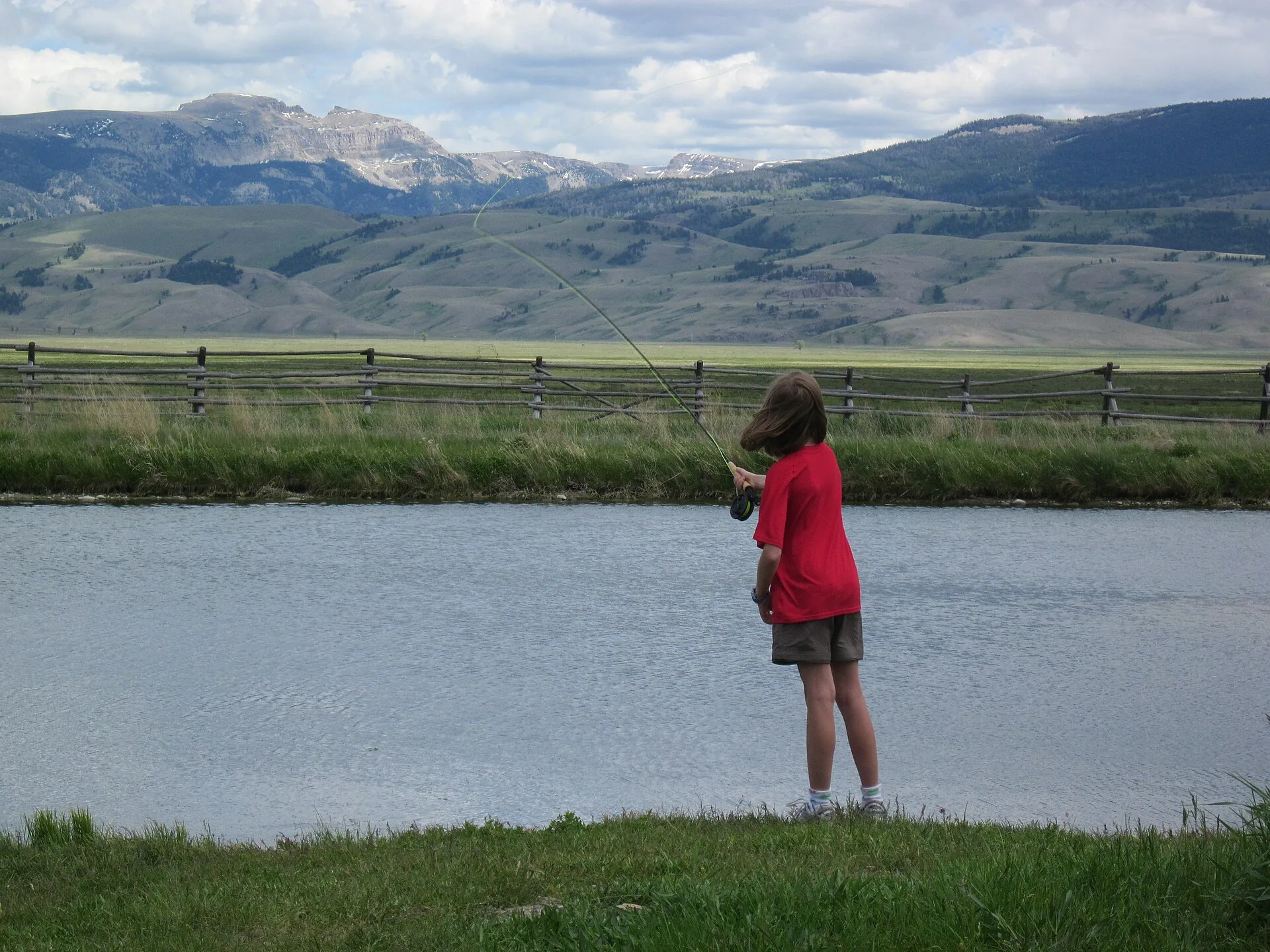
Å kaste med en spinnesnelle: åpne snørebøylen, hold snøret mot stanga med pekefingeren, før stanga fremover og slipp snøret når stanga peker dit du vil. Den går skeivt de ti første gangene. Det er helt normalt. Lukk bøylen for hånd, og du fisker.
Når det hugger, ikke rykk som om du starter en gressklipper. Løft stangtuppen bestemt og rolig for å sette kroken. Det er alt. Et raskt sveip, ikke et voldsomt rykk.
Kjør så fisken. Hold stangtuppen oppe i omtrent 45 grader så stanga demper hoderystingene, og sveiv når fisken ikke drar. Ikke sveiv mot en fisk som svømmer vekk, da river du ut kroken eller ryker snøret. La den slite seg ut. For en abbor tar det rundt fire sekunder. Rådet betyr likevel noe, for det bygger vanen til den dagen du kroker noe større.
Land den ved å gli den opp på land, eller håv den med en billig fiskehåv hvis du har en. En håv er det enkeltvis beste tilbehøret for 150 kr du kan kjøpe.
Krok den av og slipp den ut på rett måte
Bløt hendene før du tar i fisken. Dette er viktig. Fisk har et slimlag som beskytter dem, og tørre hender drar det av. Hold hendene våte, hold fisken våt, støtt vekten dens, og putt aldri fingrene i øynene eller gjellene dens.
Hold fisken mykt, men bestemt, trekk kroken ut samme vei som den gikk inn (en arteriepinsett eller nebbtang til 60 kr gjør dette enkelt og holder fingrene unna de skarpe finnene), og senk den tilbake i vannet. Hvis den er sliten, hold den oppreist under overflaten til den sparker av gårde av seg selv. Å klemme sammen mothaken på kroken med en tang på forhånd gjør hele gjenutsettingen raskere og skånsommere, og du mister nesten ingen fisk på det.
Kjenn reglene før du kaster
Denne delen er kort, men ikke valgfri. Sjekk alltid de lokale reglene for akkurat det vannet du fisker i, for de varierer.
I Norge er fiske med stang og håndsnøre i sjøen gratis og fritt for alle. I ferskvann er det annerledes: der trenger du som regel et lokalt fiskekort, ofte billig og solgt på nett eller i butikker i nærheten, og du må betale fiskeravgiften til staten om du fisker etter laks, sjøørret eller sjørøye. Reglene varierer fra vann til vann, så sjekk alltid på forhånd.
I USA trenger du en delstatlig fiskelisens, kjøpt på nettsiden til delstatens viltmyndighet på noen få minutter. De fleste delstater krever den bare når du har fylt 16, så barn fisker som regel gratis, men bekreft det for din delstat. Hver delstat setter også sine egne mål- og antallsgrenser, som står trykt der når du kjøper lisensen.
Noen ærlige forventninger
Du kommer til å bli nullet av og til. Det skjer alle fiskere, og de gode blir nullet oftere enn de innrømmer. En treg dag er ikke et tegn på at du gjør noe galt. Start med lettfangede arter på enkle steder, hold riggen enkel, så kommer fisken. Den første er den vanskelige. Etter det er du bare en fisker som trenger mer trening, og det er den morsomme delen.
Hvis du er usikker på hvor du skal dra, finner napp.fish et nybegynnervennlig sted nær deg og viser hva som trolig biter akkurat nå, så din første tur ikke blir en bom. Det er gratis, og det finnes ingen innlogging.
Foto: U.S. Forest Service- Pacific Northwest Region, Public domain · JaredMcKenzie, CC0 · EvanCarroll, CC BY-SA 4.0